Chinatowns
Date Published
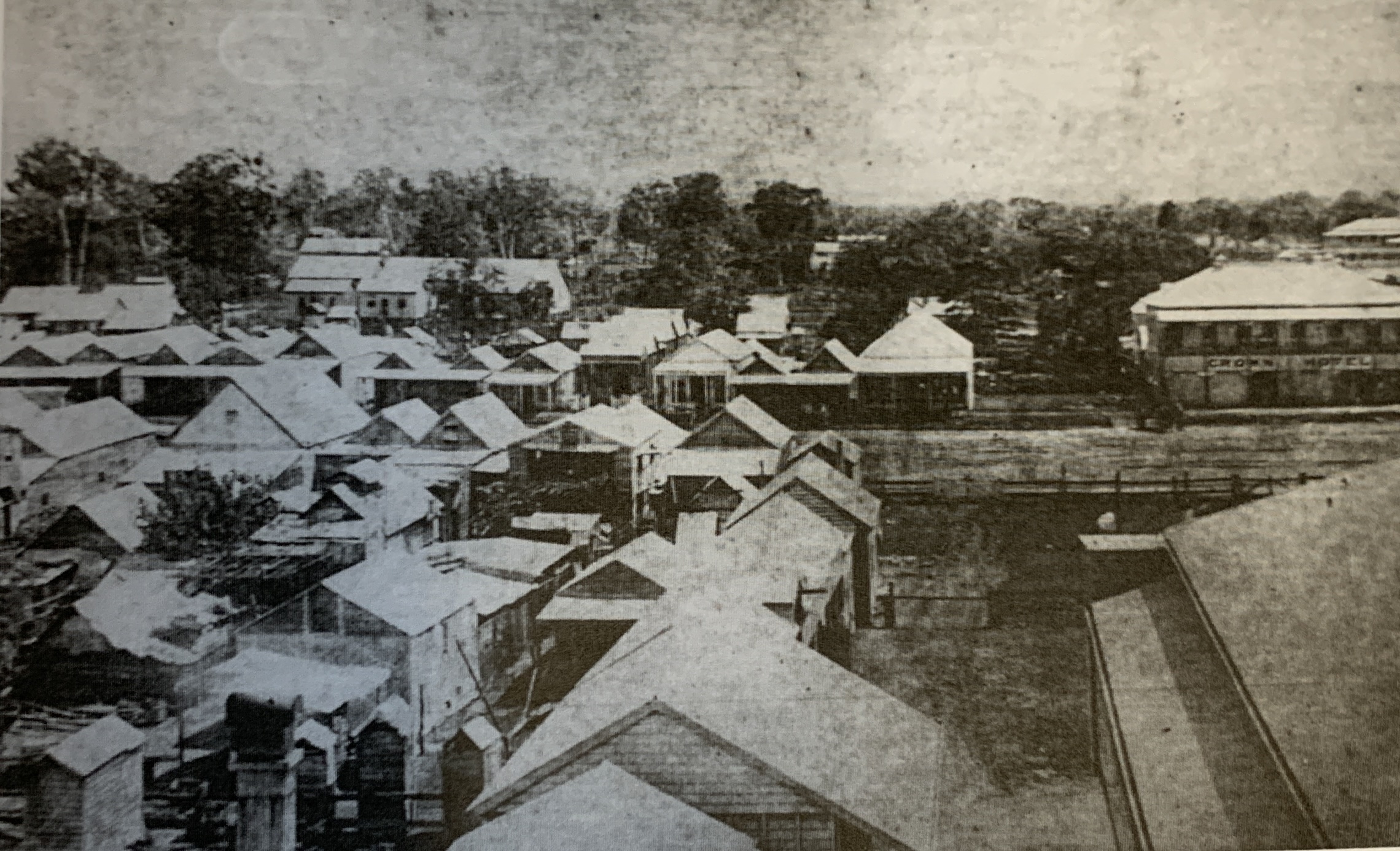
Not really Chinatowns - SF model. Ing. Street of the Tang people, camps.
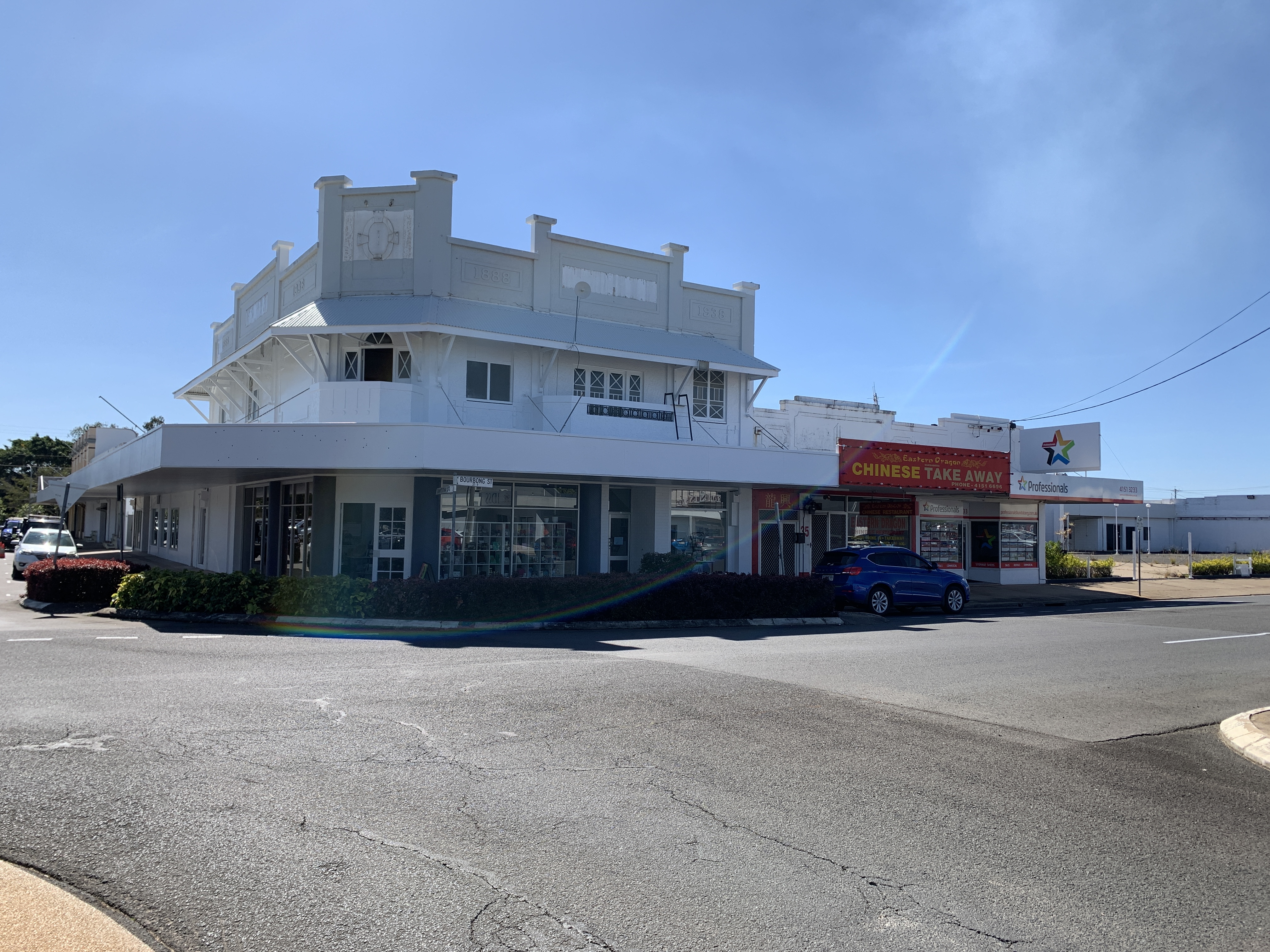
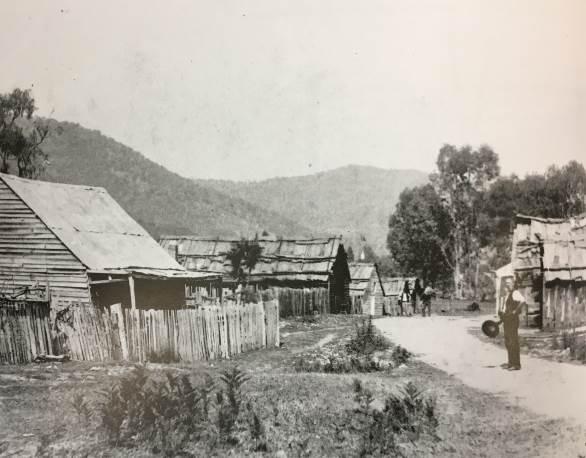
The concept of “Chinatown” is a confused one, laden with mythology. For many people, the mental image derives from San Francisco—a unique case within the global Chinese diaspora, shaped by the particular circumstances of American urban development and racial segregation. In Australia, however, what are now retrospectively called “Chinatowns” were more accurately camps or small settlements. These were rarely distinct ethnic enclaves in the modern sense; they were often integrated parts of towns, where Chinese and non-Chinese residents lived and worked side by side.
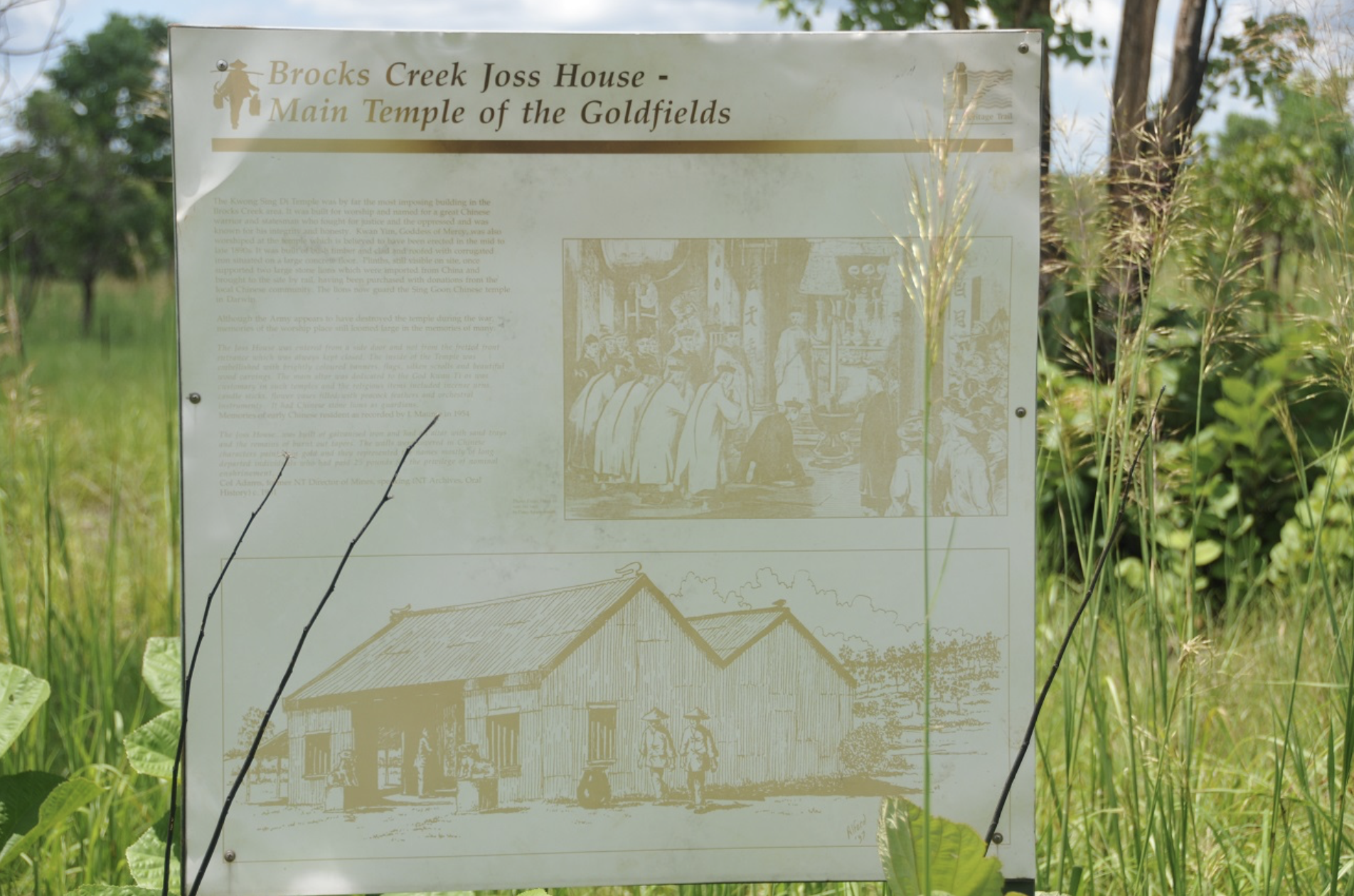
The term camp itself emerged from colonial legislation in Victoria and New South Wales, which ostensibly required Chinese miners on the goldfields to live apart in order to prevent violence or conflict. In practice, such segregation was inconsistently enforced, and by the later nineteenth century the “Chinese camp” usually referred simply to an area with a few Chinese shops, perhaps a Joss House, or market gardens on the outskirts of town. In some cases, the clustering was more pronounced, not because of law or hostility, but for practical or cultural reasons—shared commerce, kinship, or proximity to temples and gardens.
Historian Sandy Robb more accurately described these spaces as cultural precincts, fluid and locally specific rather than fixed or homogenous. Yet the enduring term Chinatown continues to project a stylised, romantic image of Chinese community life—an image further reinforced by the decorative gates erected in Sydney and Melbourne during the 1980s. These monuments, while intended to celebrate Chinese heritage, also represent a kind of retrospective self-orientalising, translating complex histories of settlement into a single, easily recognisable symbol for contemporary multiculturalism.
“In general appearance this Chinese settlement is not particularly Chinese. The houses are mostly of weatherboard, covered with bark and shingles ; but besides the joss house there is a typical Chinese cook shop with its little dishes of "delicacies," exactly the same as anyone may see all over the Celestial Empire, There is a butcher's shop, where a Chinaman is cutting up a pig. It is altogether a bit of Little Bourke- street."
CHINATOWN'S DECAY - overview of Chinese impact on Queensland
The Daily Telegraph, 6 January 1926, p.6.
These so called Chinatowns were often the location of "boarding houses" where transient workers could find accommodation.
Murder 1861 - Boarding House
https://trove.nla.gov.au/newspaper/article/4600159
Definition in Sandi Roob - cultural precincts
‘The Things That Unite: Inquests into Chinese Deaths on the Bendigo Goldfields 1854-65’, Provenance: The Journal of Public Record Office Victoria, issue no. 7, 2006. ISSN 1832-2522. Copyright © Valerie Lovejoy.