Long Du membership book
Author
Michael Williams
Date Published
: community organisation, Districts of Origin / Qiaoxiang / Zhongshan / 中山 (Chungshan, Hsiangshan (香山)), district societies, Long Du (aka Loong Doo)
: Sydney
: Sydney
: c.1895
Membership booklet of Fung Gum Moon 方金滿 (Fang Jinman) from Ho Chung 濠涌 (Hao Yong) village for a support organisation for those originating in the south China district of Long Du (隆都).
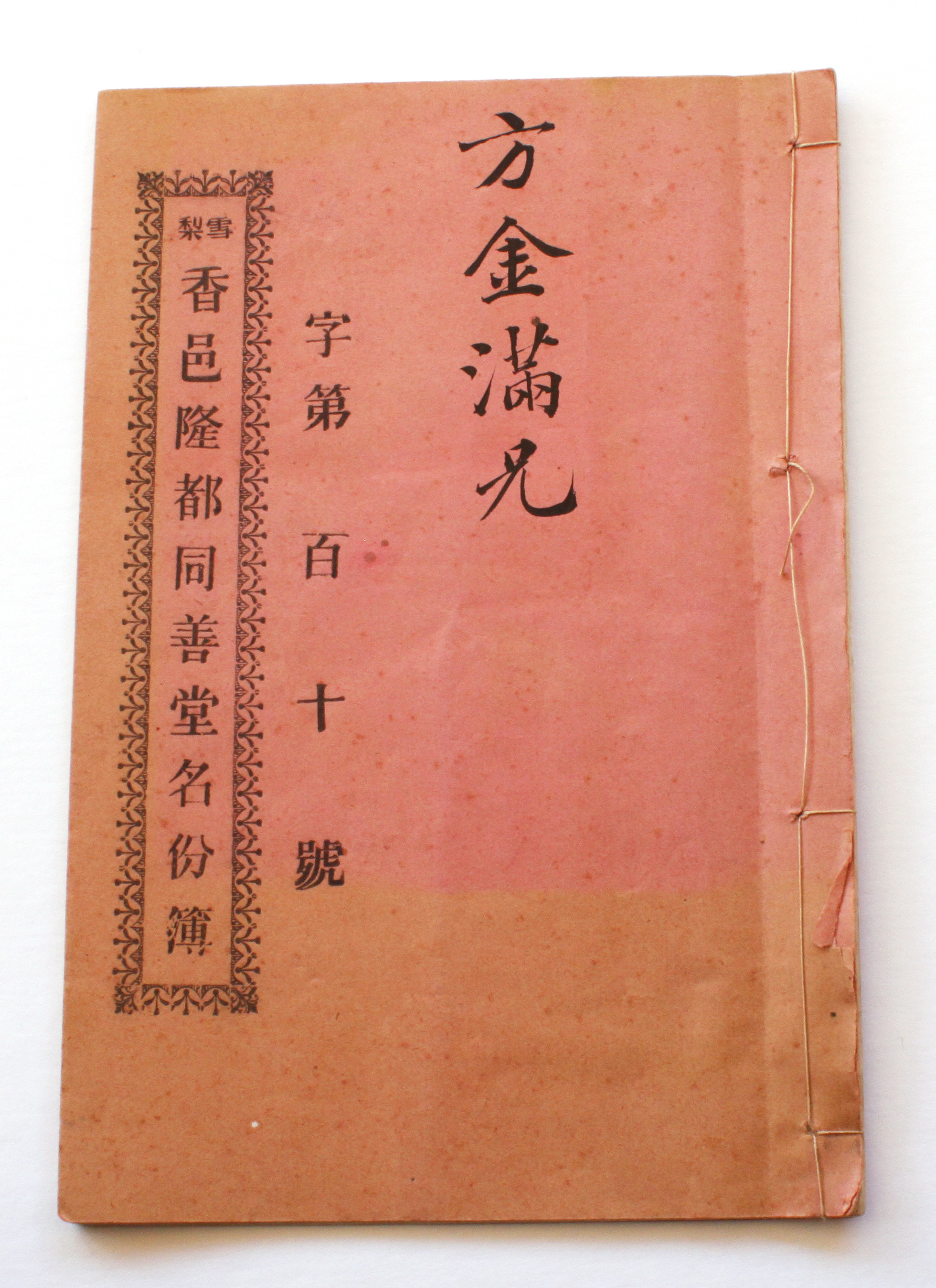
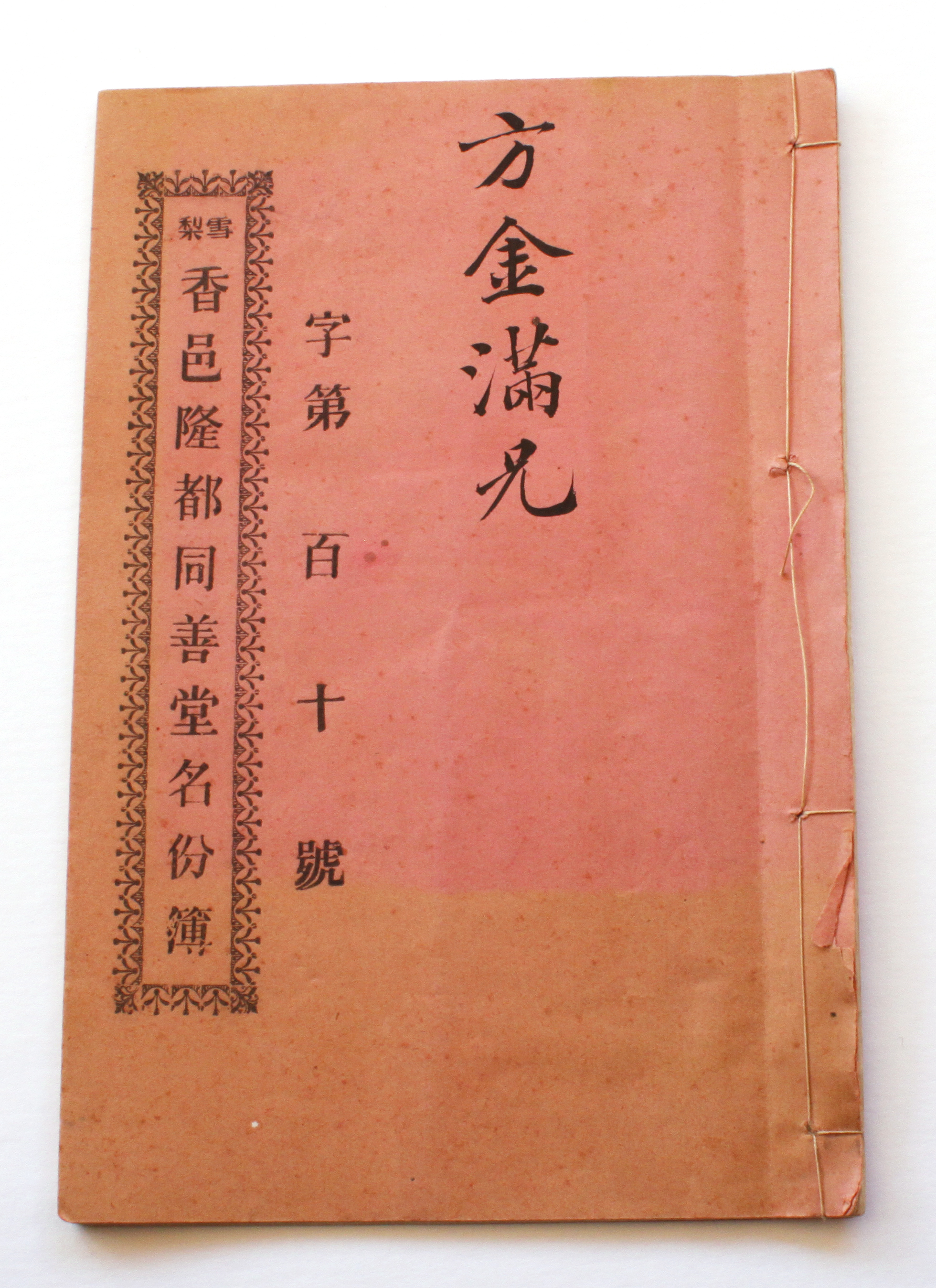
Long Du membership booklet cover
This membership booklet of Fung Kum Moon 方金滿 (Fang Jinman), 金滿 “Kum Moon” aka 方文厚 Fong Mon How from Ho Chung 濠涌 (Hao Yong) village is for an organisation of those originating in the south China district of Long Du (隆都). It illuminates the significance of regional and language identity that played such a substantial role in Chinese Australian history. The district referred to as ‘Long Du’ has a long history, and is part of Hsiangshan county 香山县 (now Zhongshan City 中山市) which was created as an official region in the 13th century. What most distinguishes Long Du and its approximately 80 villages from other Zhongshan districts is that its people speak a non-Cantonese language that re-enforced a sense of distinctness and fellowship both within Zhongshan and among Long Du communities overseas. The main overseas destinations of the people of Long Du being the United States, Hawaii, Peru, Canada, Australia, and New Zealand.[1]
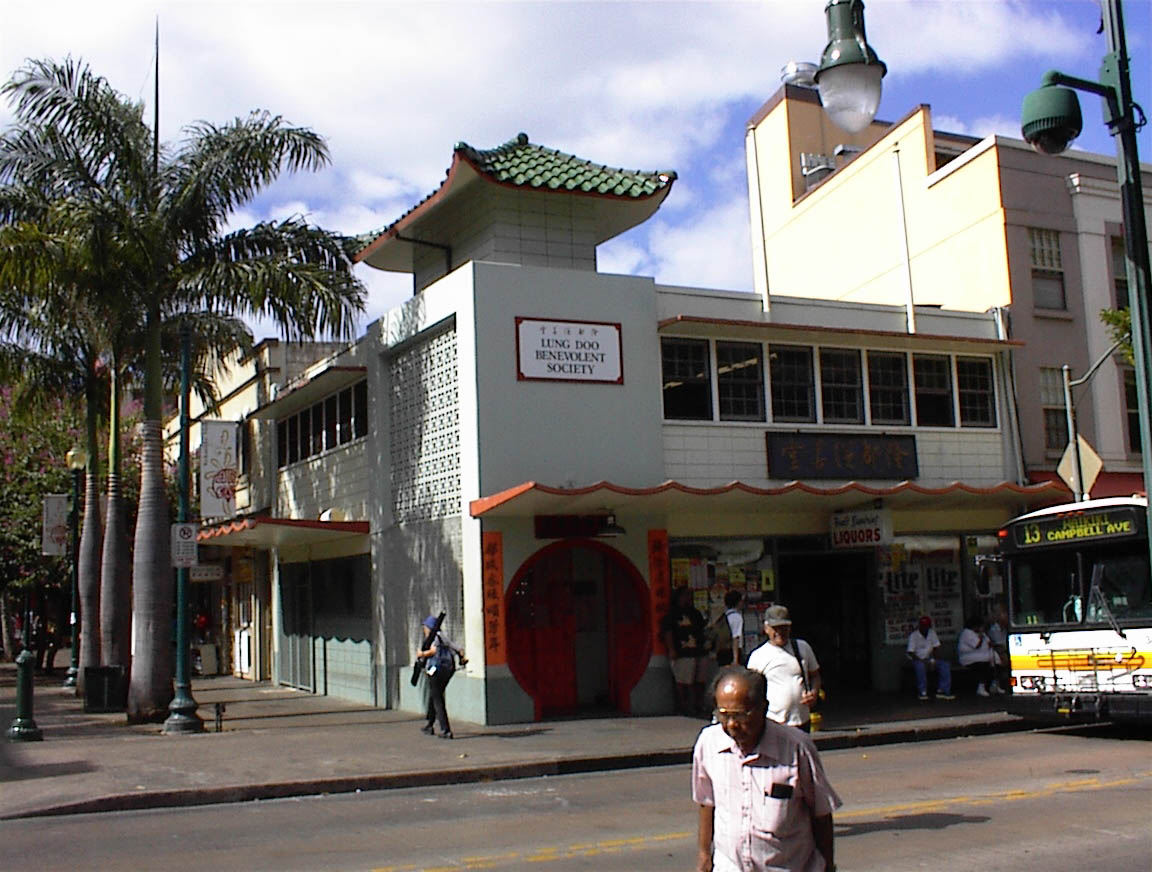
While a specific Long Du society of Sydney no longer exists (a more general Zhongshan one does), those of Hawaii and San Francisco still do. The purpose of these organisations was made clear in the objectives outlined in this membership booklet. It was very much a self-help association designed to pool resources and assist those originating in the Long Du district who found themselves in need and far from home. Membership was therefore defined by language and place of origin. Once the fee was paid, entitlement to accommodation, passage money home, and assistance with immigration paperwork were all part of the benefits of membership.
[1] Williams, Michael., 2003, ‘In the Tang Mountains we have a Big House‘, East Asian History, vol. 25/26, June/December, pp. 85-112.
Thank you to Kira Brown in whose private collection this Long Du Society booklet remains.
See: Chen Quin Jack
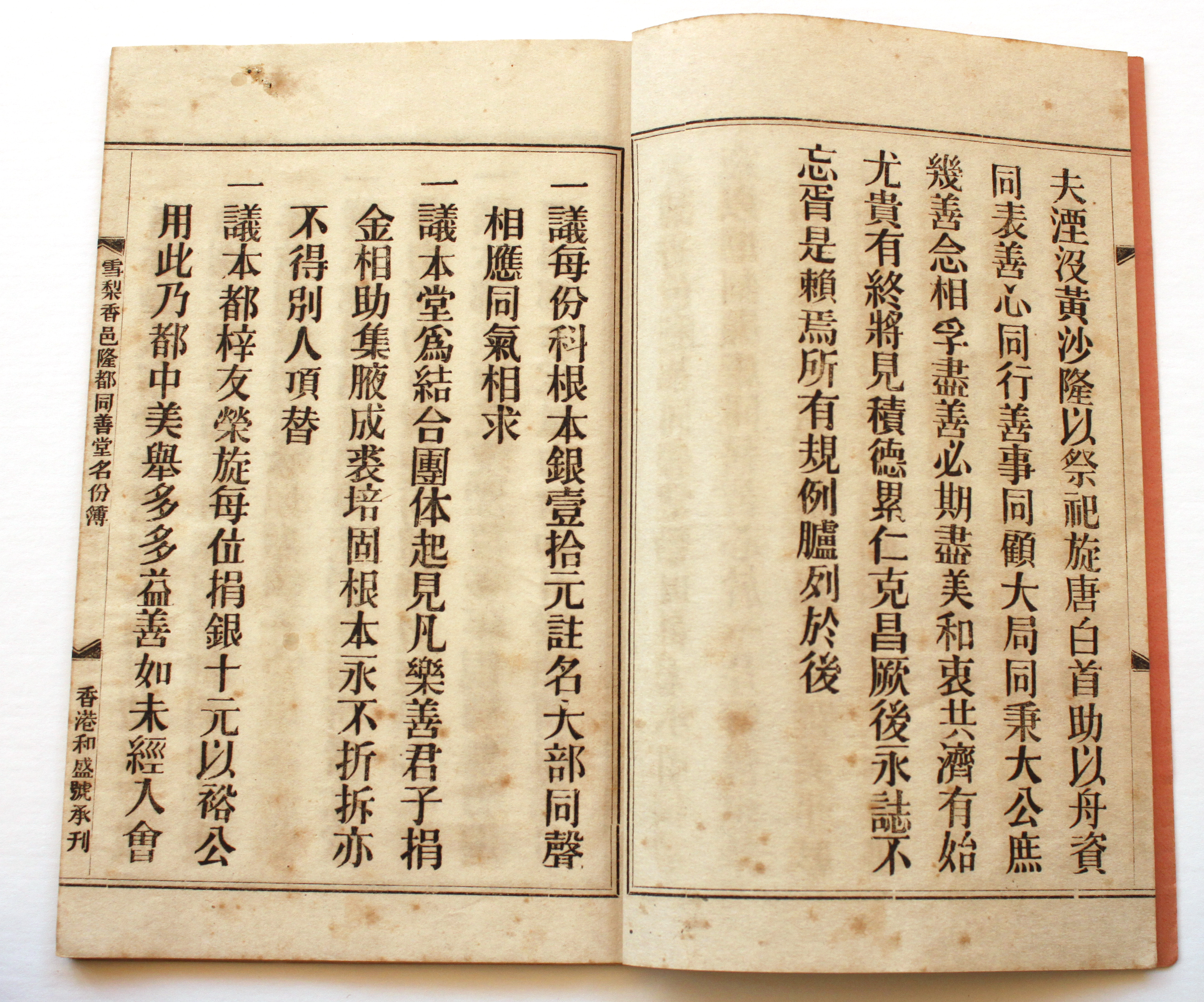
Long Du membership rules pages
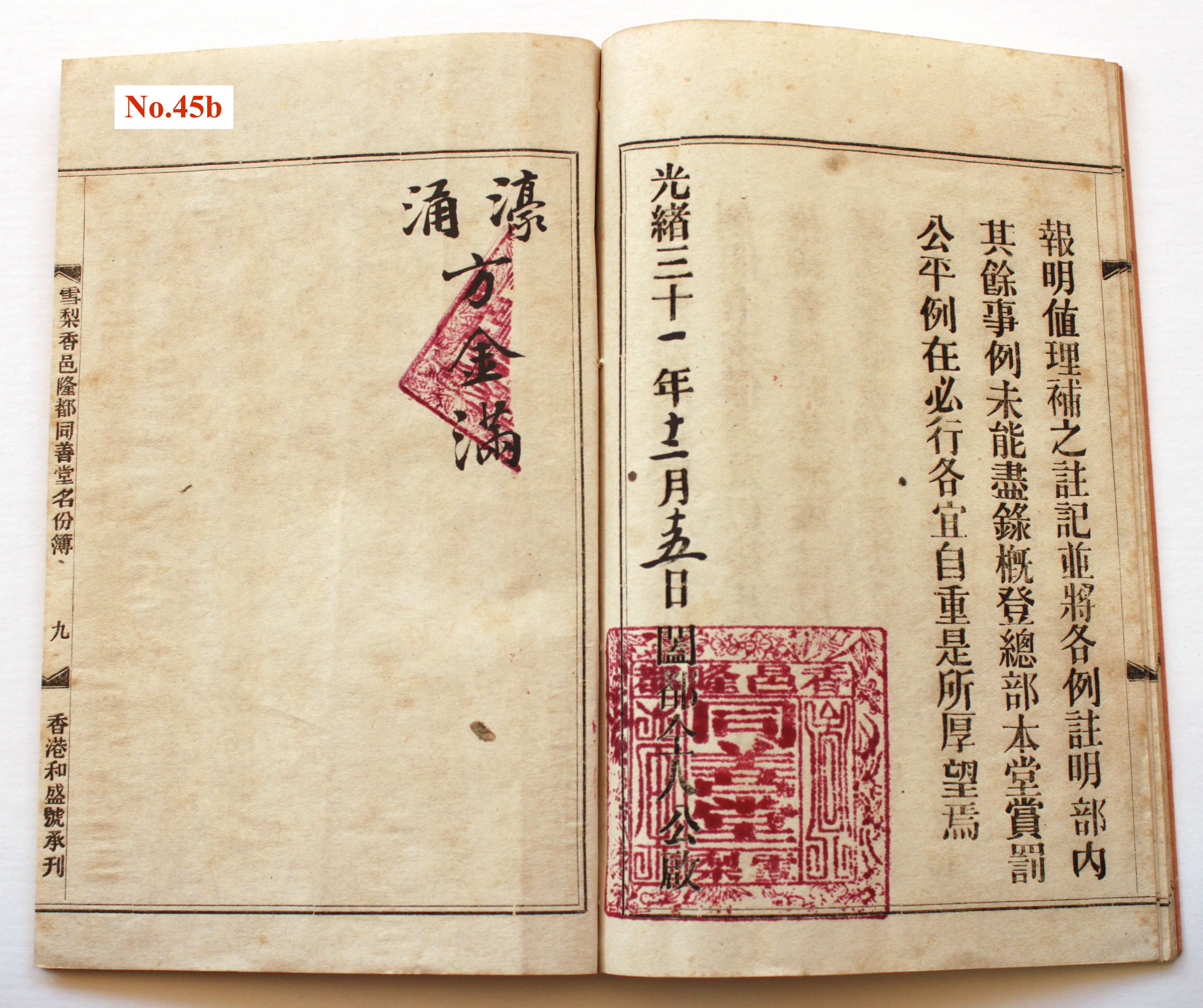
Long Du membership book inside pages