Archaeology of Chinese in Australia
Date Published
Archaeological Evidence of Chinese Life in Australia
The archaeological record of Chinese presence in Australia is fragmentary but revealing. Many sites associated with Chinese settlements, mining camps, and market gardens have never been systematically excavated, leaving vast potential for future discovery. Where professional archaeological work has been undertaken, the most common finds are ceramics, bottles, and domestic debris—material that shows Chinese people largely ate and lived in ways similar to their non-Chinese neighbours, though often supplemented by imported goods such as sauces, teas, or rice bowls from China.
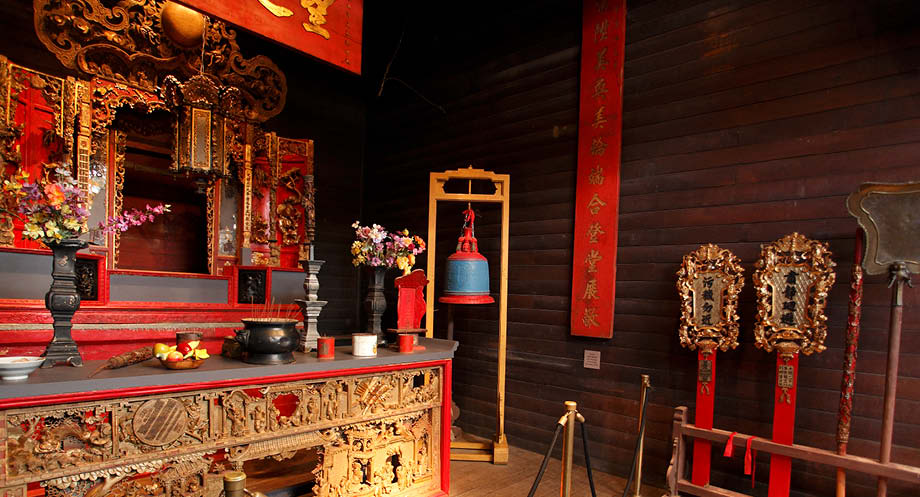
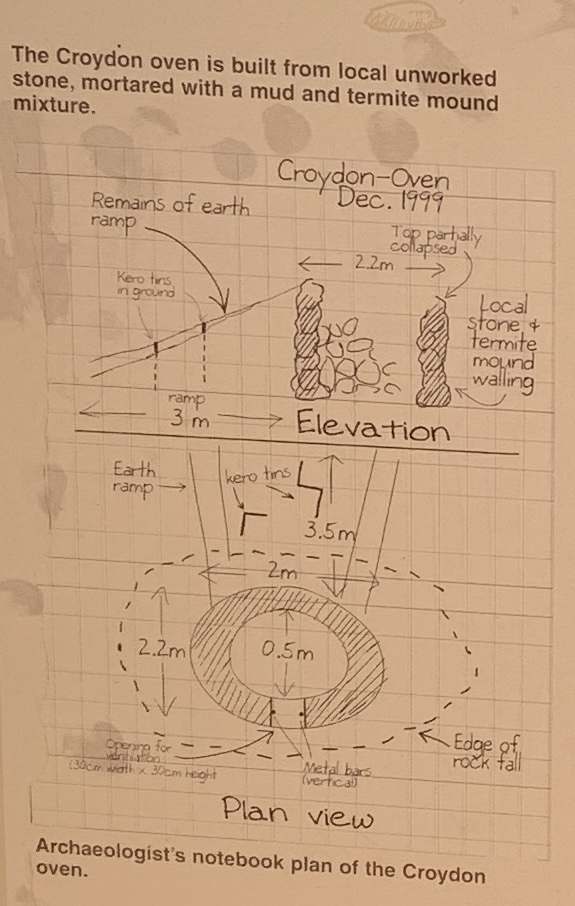
Some of the most distinctive sites are temples and pig ovens, the latter now recognised as key features of Chinese communal and ritual life. Their wide distribution across eastern Australia indicates both the extent and the organisation of Chinese communities during the nineteenth century.
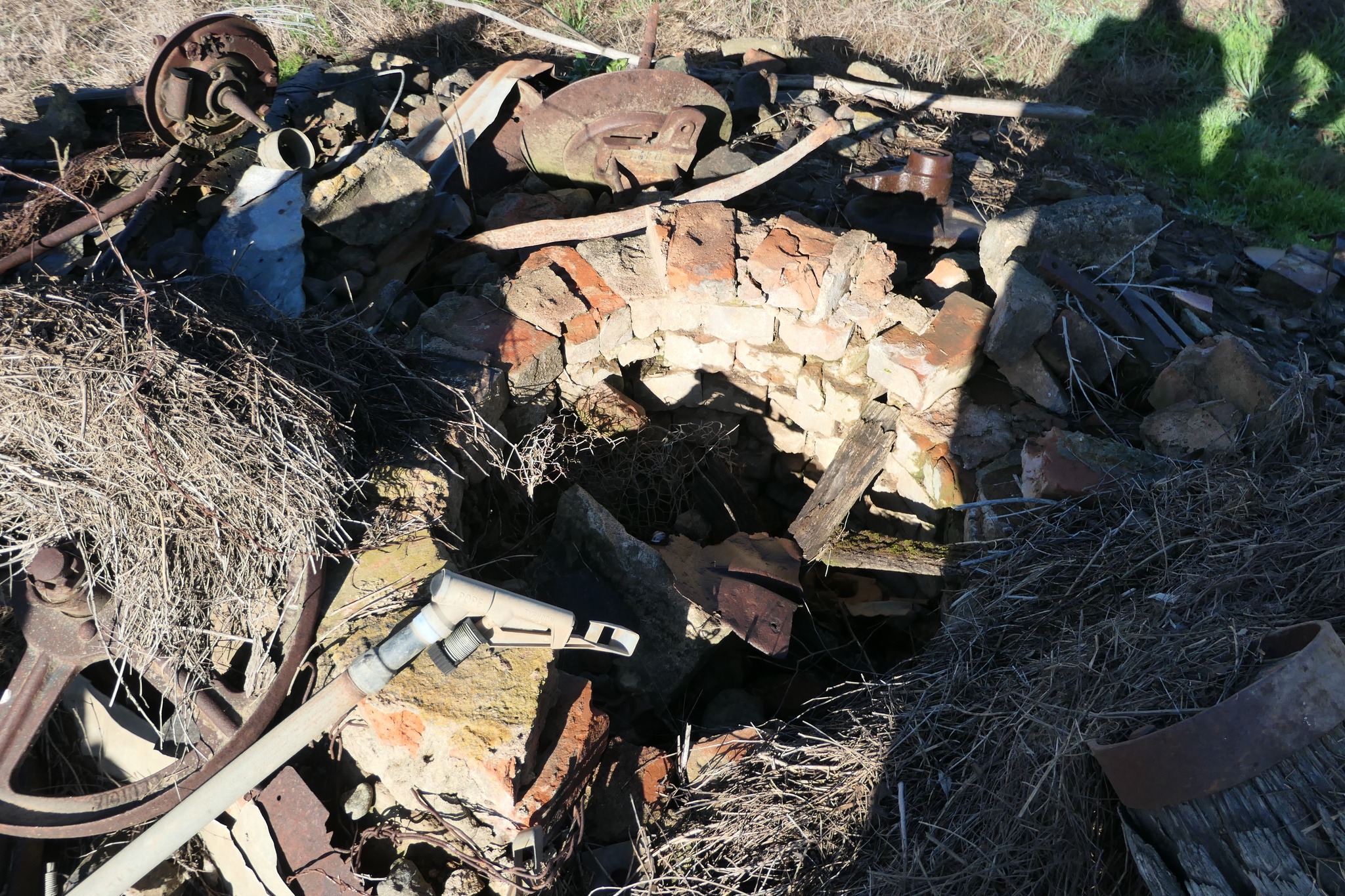
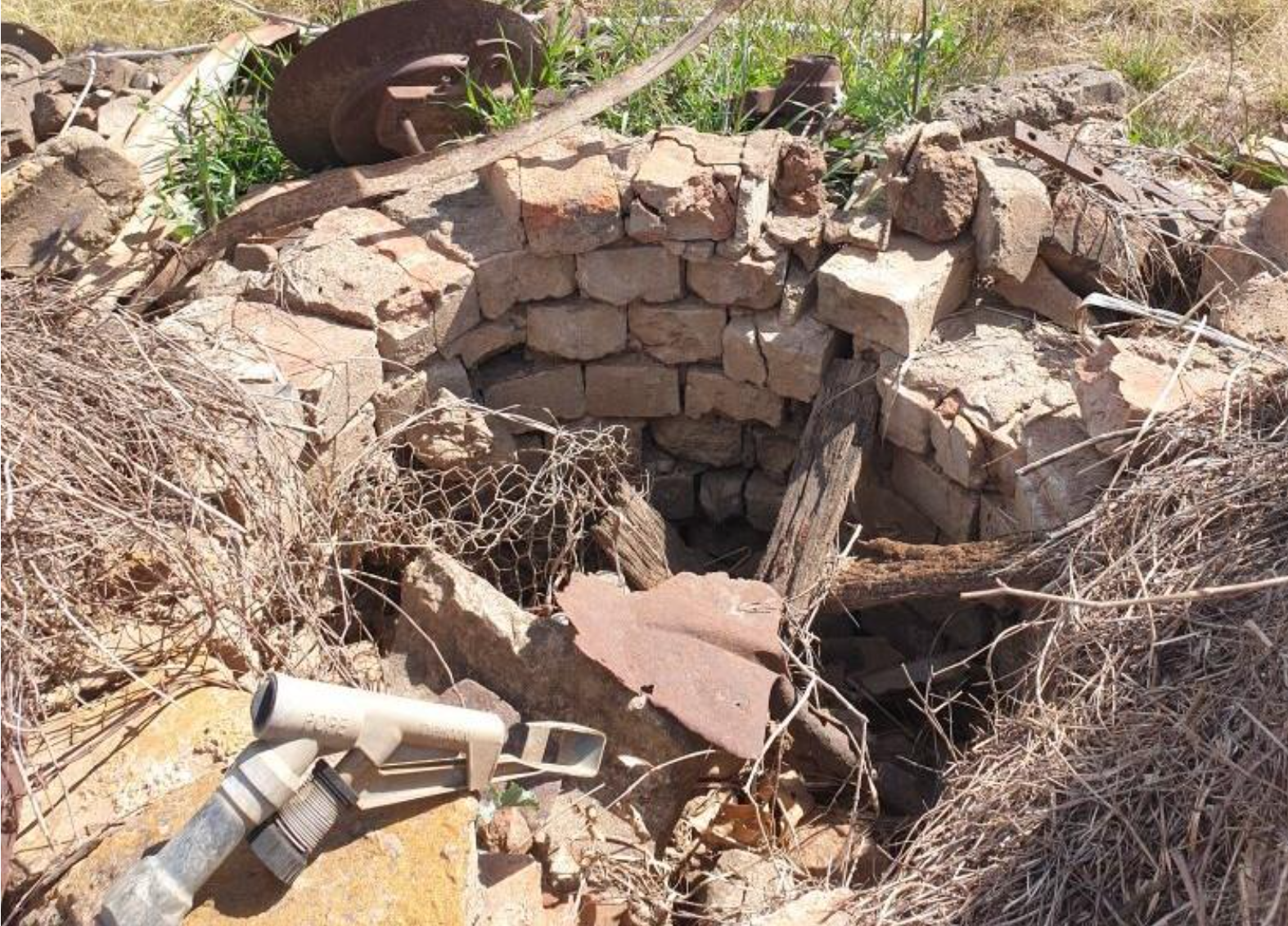
Finds from these and other sites often enter collections through bottle collectors and amateur diggers, and examples of coins, pottery, and household artefacts are now scattered through local museums and private holdings. This overlap between professional and amateur collecting has produced a patchwork of evidence—valuable, but sometimes unreliable. Misidentifications are common: Japanese coins mistaken for Chinese, European-style neck yokes labelled as “Chinese,” and ordinary cisterns or wells attributed to Chinese builders. These errors are due to the incomplete nature of the archaeological record and to the fading of local material knowledge.
Overall, while important progress has been made in recognising and interpreting Chinese sites, the field remains underdeveloped. Large areas of Australia’s Chinese heritage still await proper archaeological investigation, promising a richer understanding of just how widespread Chinese life was in the colonial period.
pottery, mines, pig ovens, bottle collectors Myths, Japanese coins, yokes, cisterns.
Virginia Esposito, Rice bowls and dinner plates: ceramic artefacts from Chinese gold mining sites in southeast New South Wales, mid 19th to early 20th century, Oxford Archaeopress, 2014.
Gordon Grimwade, Gold, gardens, temples and feasts: Chinese temple, Croydon, Queensland, Australiasian Historcial Archeaology, 21, 2003, pp.50-57.
Burke, Heather, and Gordon Grimwade. “The Historical Archaeology of the Chinese in Far North Queensland.” Queensland Archaeological Research 16 (2013): 121-.