Bundaberg Chinatown
Date Published
: Chinatown
: South (Qld)
: Bundaberg
: 1870 to 1940
Harry Sunn – Harry’s history from the Wah Du to the Sunn Wah
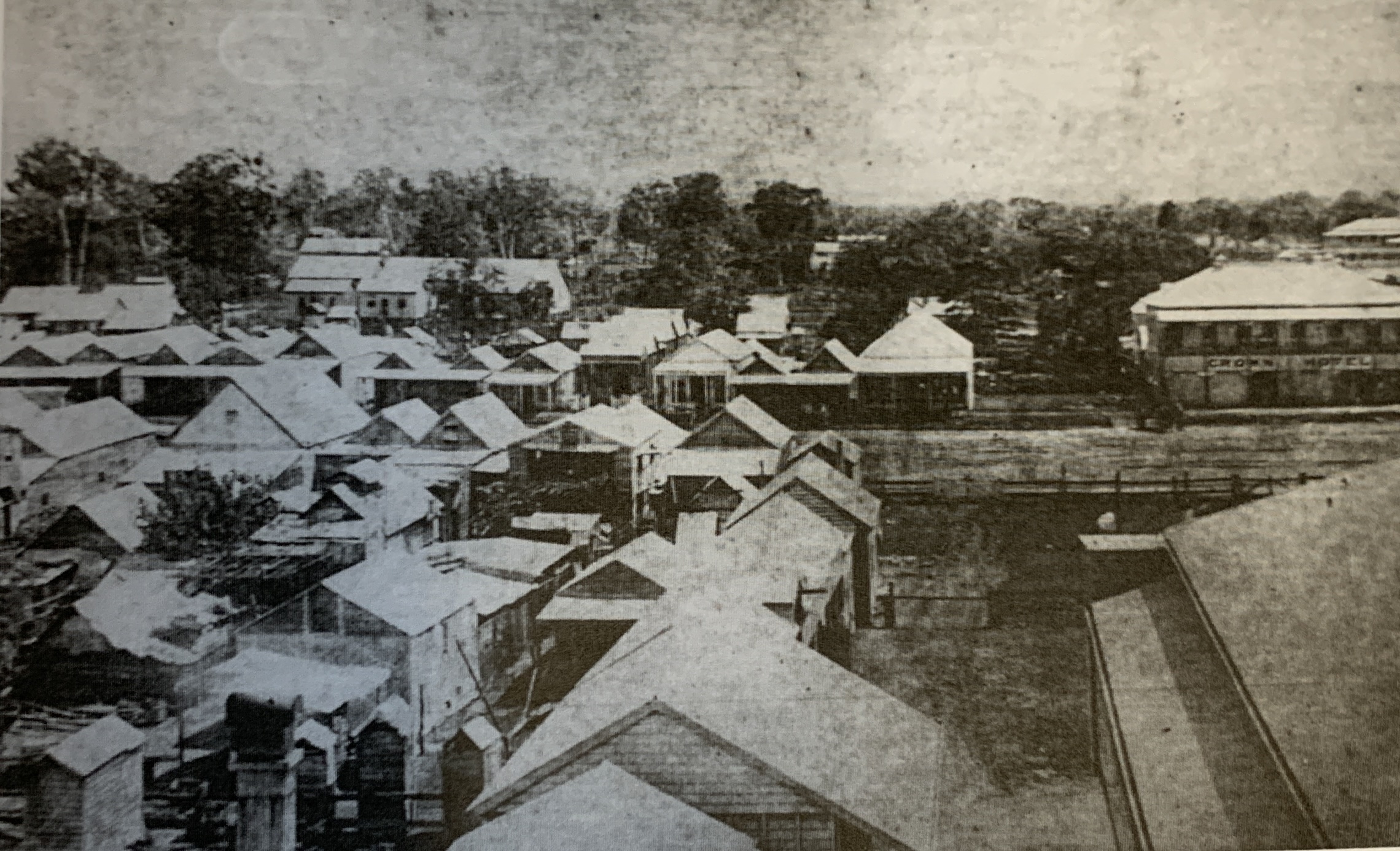
Begining of Bundaberg Chinatown
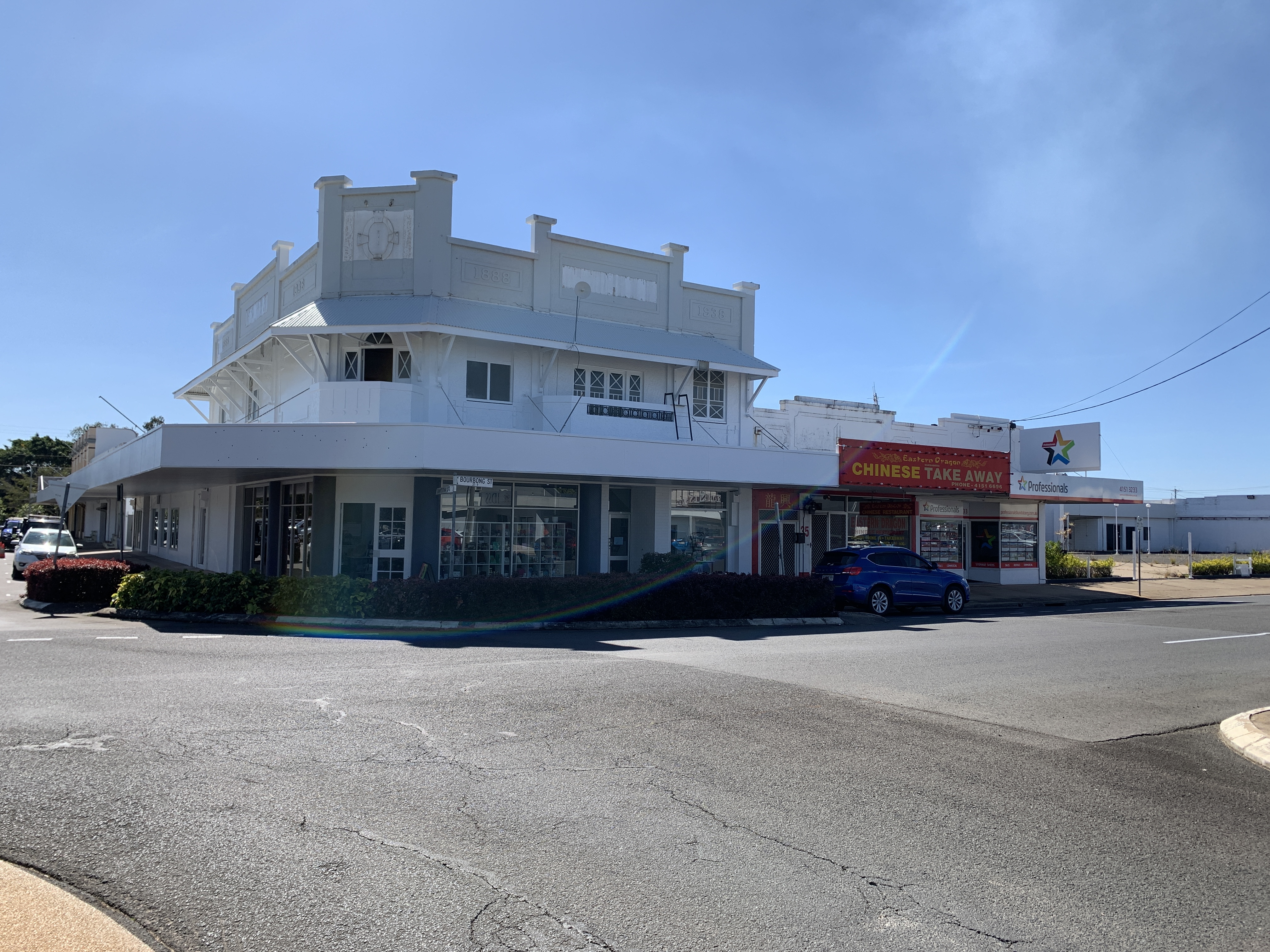
Notes: Chinese and South Sea Islanders mixed one end of Bourbong St. Sly grog, opium. Center for sugar industry. Chinese owned stores. Chew family. Market gardens. Conflict. Pacific Islanders. Kanakatown/Chinatown. Cingalese. Bourbon(g) street. Bundaberg Anti-Chinese League. Que Hee Street. 1870s to 1940s? Bones repatriation. Seechin family still in Bundaberg?
“... stores, boarding houses, gambling dens, liquor supplies, and brothels of the kanakatowns which became a feature of Queensland's sugar towns.” Bundaberg History and People, Janet Nolan, Uni of Queensland Press, p.132.
Bundaberg. From Pioneers to Prosperity, Neville Rackemann, p.120 - Tommy Ping, peanuts. Wille Yik, vegetables.
“Y S Que Hee operated a typical Chinese shop of that era. The Que Hee market garden was located in the Bundaberg suburb of Branyan.” “Ah Why had the Bun Yung and Company Grocery Store. Then came a large two-storey building owned by Chinese merchants. At the rear of the building, with access from Woongarra Street, small, cell-like rooms served as boarding places for Chinese.” p.122.
1878 - Chinese enter Bundaberg Agricultural Show.
"One of the main areas under Chinese market gardens, apart from those mentioned in Chinatown, was North Bundaberg. Several large plots were under peanuts, vegetables, plantains (cooking bananas), watermelons and several varieties of fruit trees. Most of these gardens were watered by Paddy's Creek, a stream rising in the lagoons at North Bundaberg and joining the Burnett River at Paddy's Island, but now all but disappeared. Deep holes known as Chinamen's holes were dug in the bed of the creek, thus ensuring a supply of water during dry periods.” p.123.
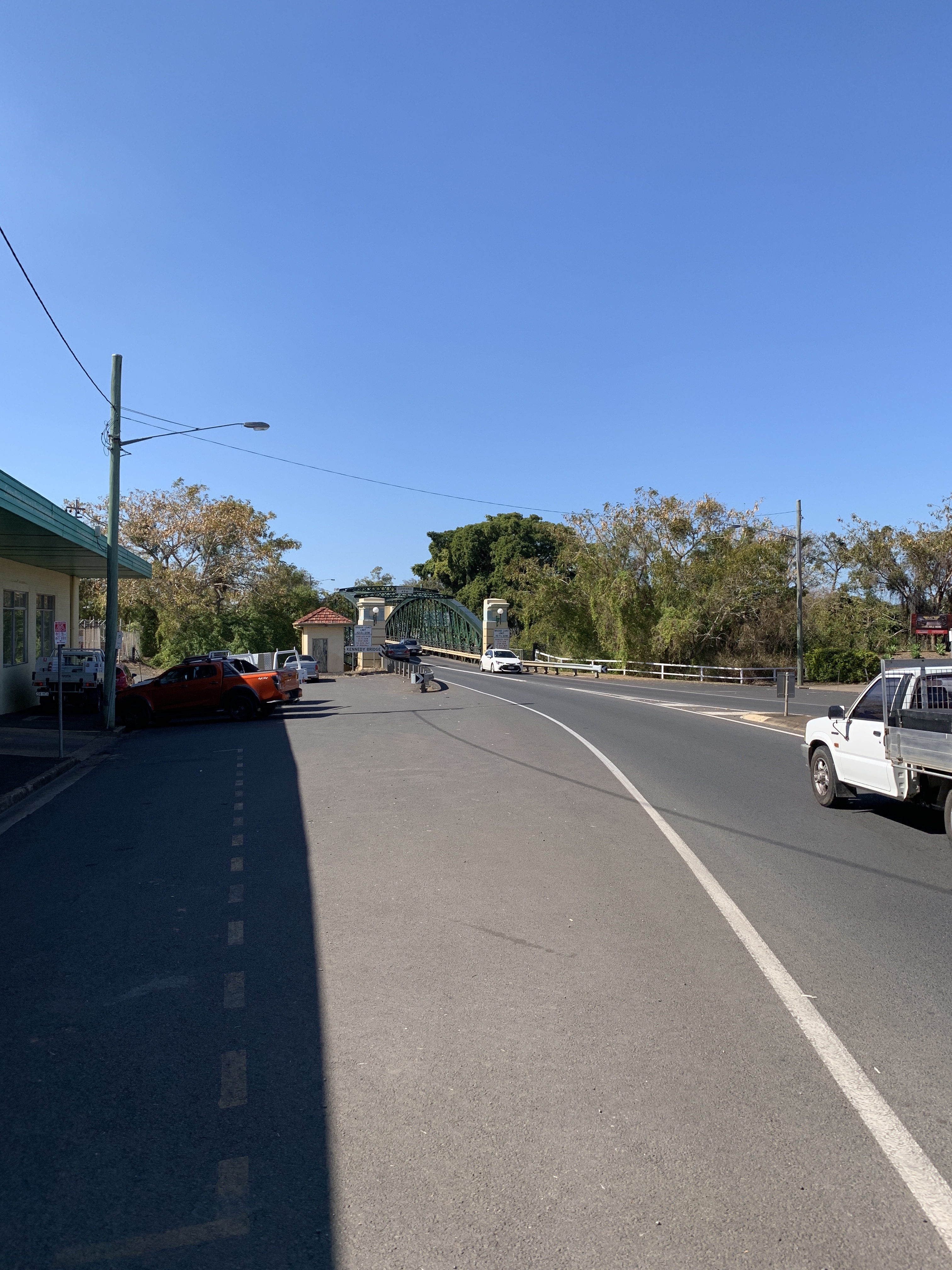
Kenedy Bridge, Bundaberg