Chinese camps
Date Published
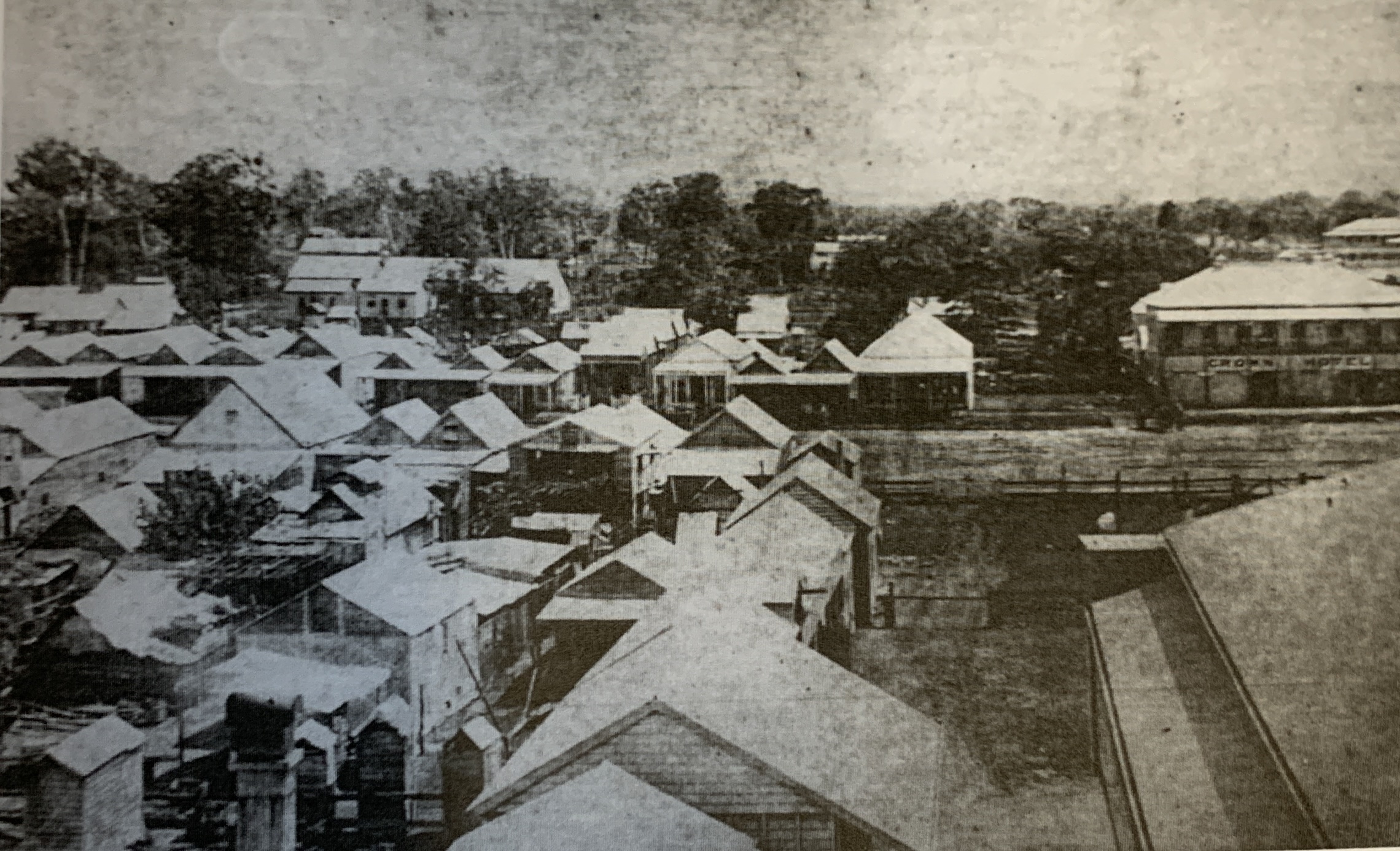
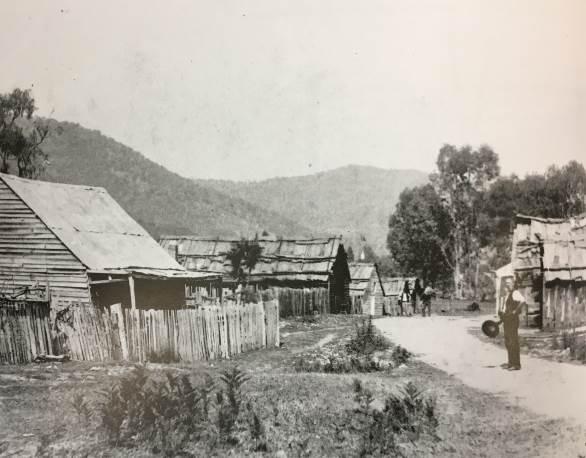
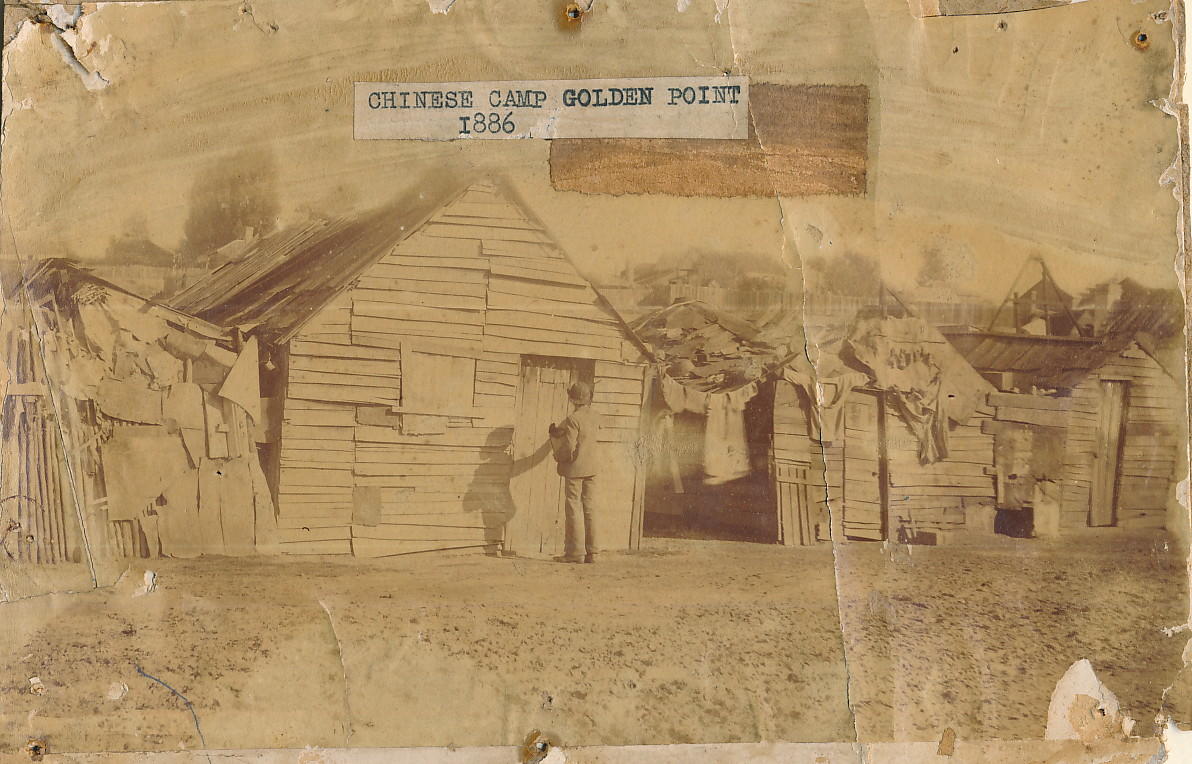
Under both NSW and Victoria law operate areas of residence for Chinese miners were to be designated. These were called “camps” and Chinese camps were the general label for any Chinese majority part of rural towns in the two colonies regardless of their nominal legal origin.
Gradually the designation "camp" has been replaced with "Chinatown".
Report on the Chinese Camps nsw Quong Tart and Martin Brennan, NSW LA V7P, 1883-1884.
Summary of the Commission 1884 - Wagga Wagga Advertiser, 8 January 1884, p.3
Report on the Chinese Camps Extract: The Riverine Grazier, 9 January 1884, p..3.
“Unlike gold diggings common across central Victoria whose character is frequently reanimated through narratives of goldfield life, activity in the camp, with its specifically Chinese character, has no clear narrative from which to draw. Chinese camps and settlements, once common across the goldfields of Victoria, have been physically erased by later industry and land use and by deliberate clearance. Memories of their inhabitants and character have been overwritten in historical memory by the destitution of their final inhabitants."
MacNeill, Richard John. “Interactive Analysis of Lidar Data: Reanimating a Chinese Camp on the Victorian Goldfields.” International Journal of Historical Archaeology (2023), p.2.
MacNeill, R. (2022). Life at the Periphery: Patterns for Making Do on the Fringes of the Goldfields. Doctoral dissertation, La Trobe University, Melbourne.
For a detailed description of the Golden Point Camp at Ballarat see: The Ballarat Star, Thursday 16 June 1898, p.4.
Very often the "Chinese camps" were accused of being a bad influence:
Deniliquin
This lad acknowledged that he was in the habit of frequenting the Chinese camps, and avowed, without hesitation, that he was accustomed to smoke opium, for which he paid sixpence per pipe.
The Sydney Mail and New South Wales Advertiser, Saturday 6 July 1878, p.32.