Bells
Date Published
Temples bells - from China, style, examples, inscriptions, dispersed,
Cast Iron Bells of the Joss Houses
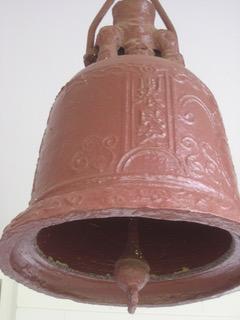
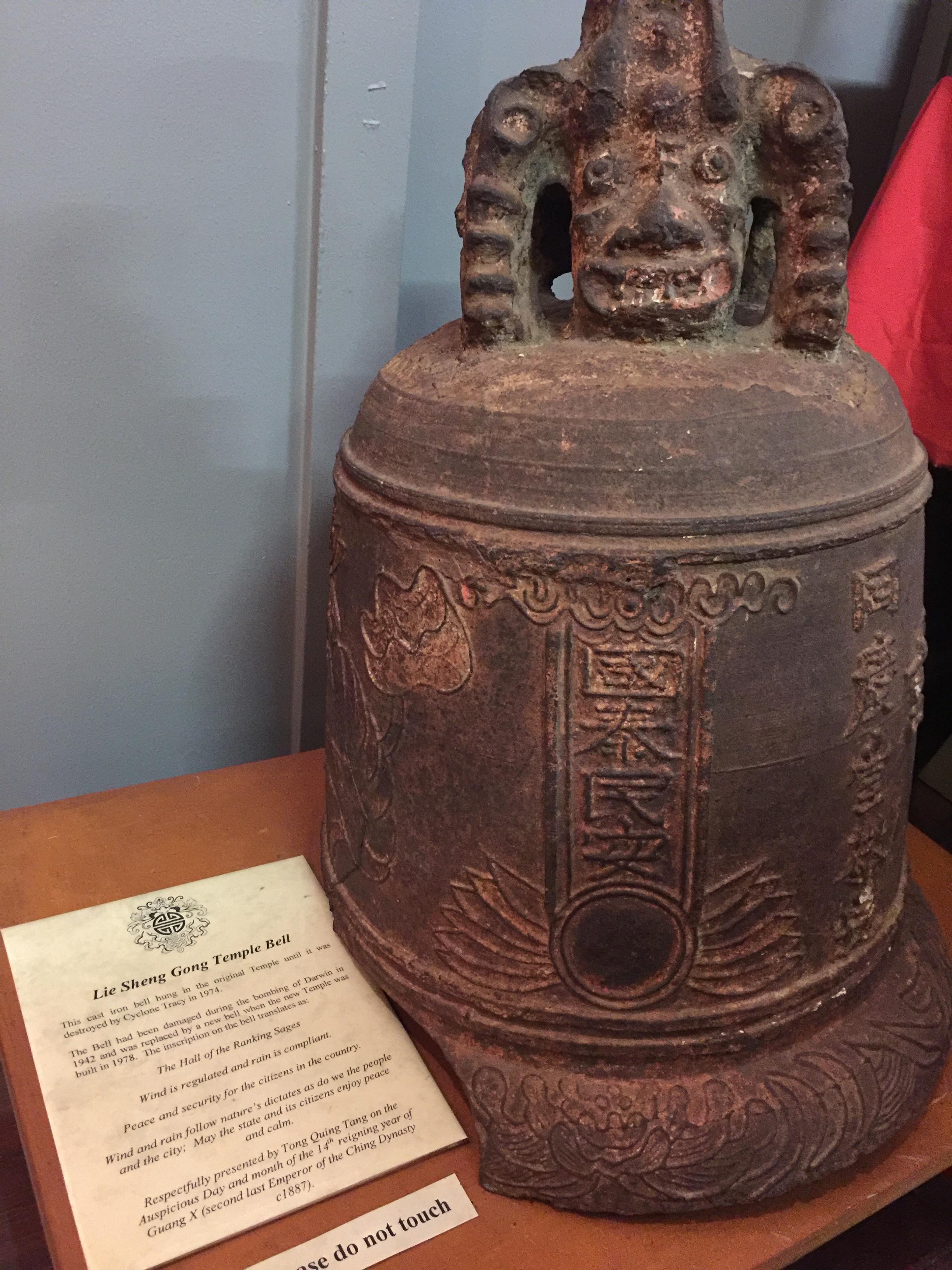
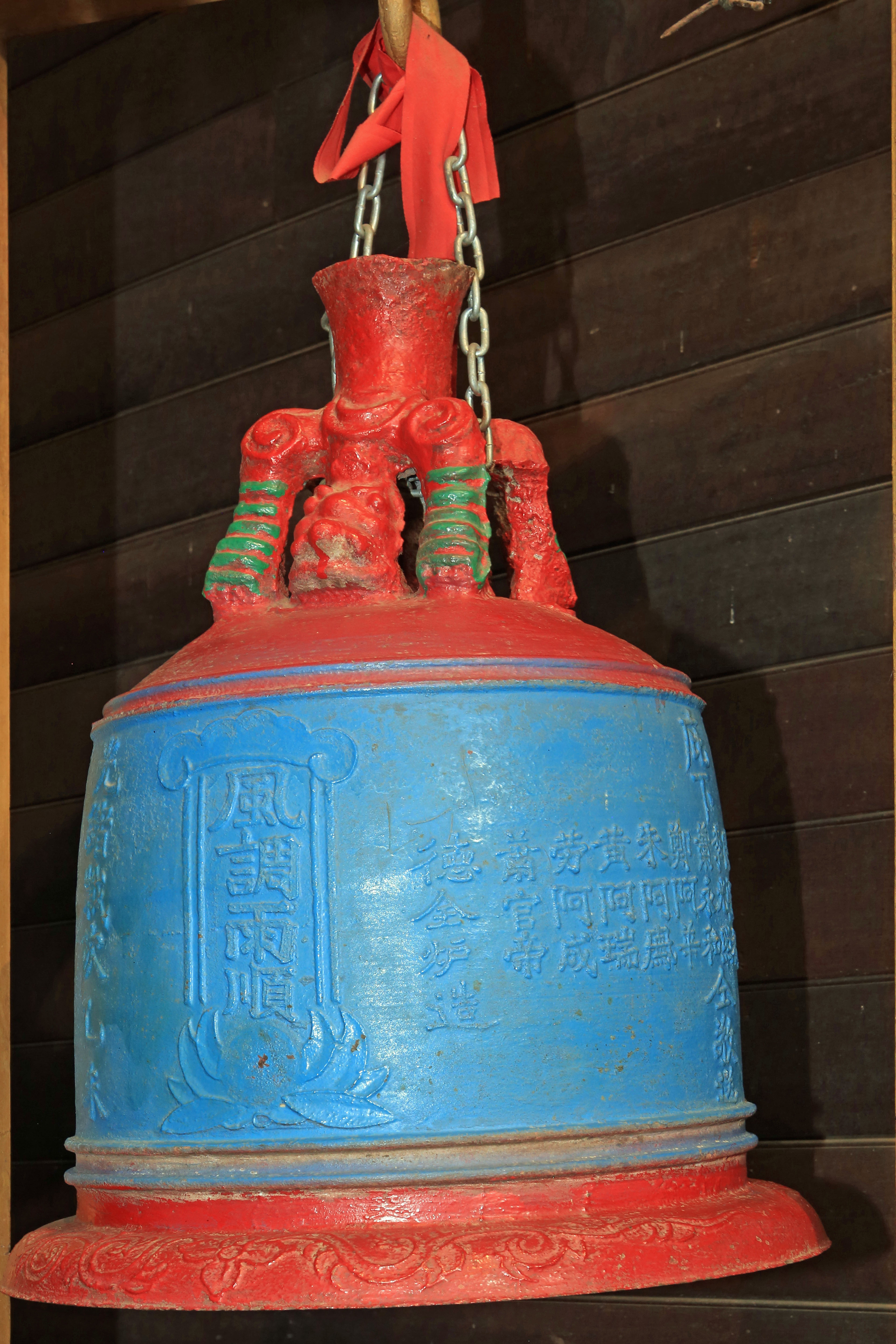
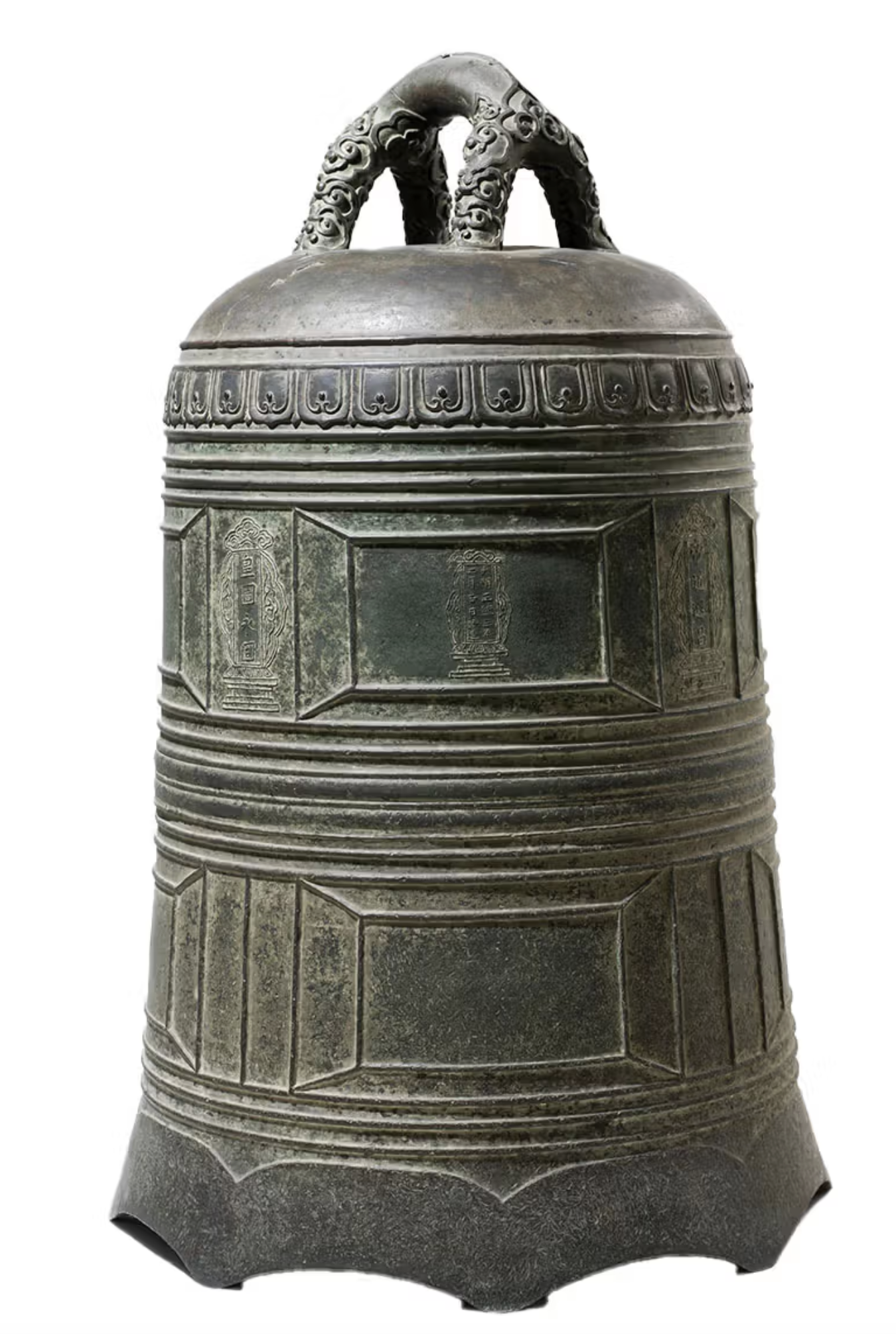
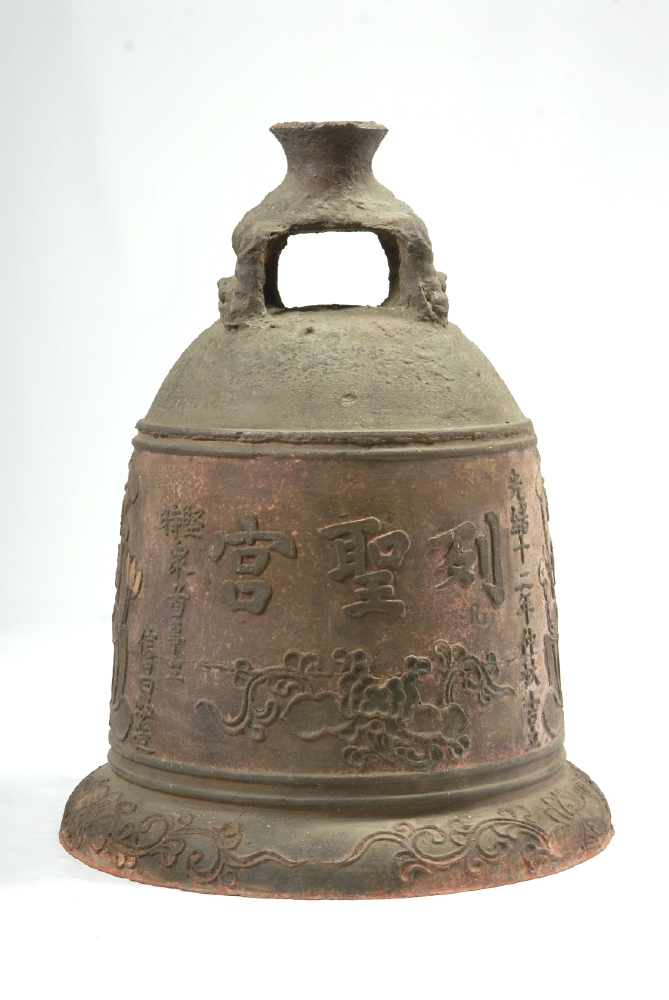
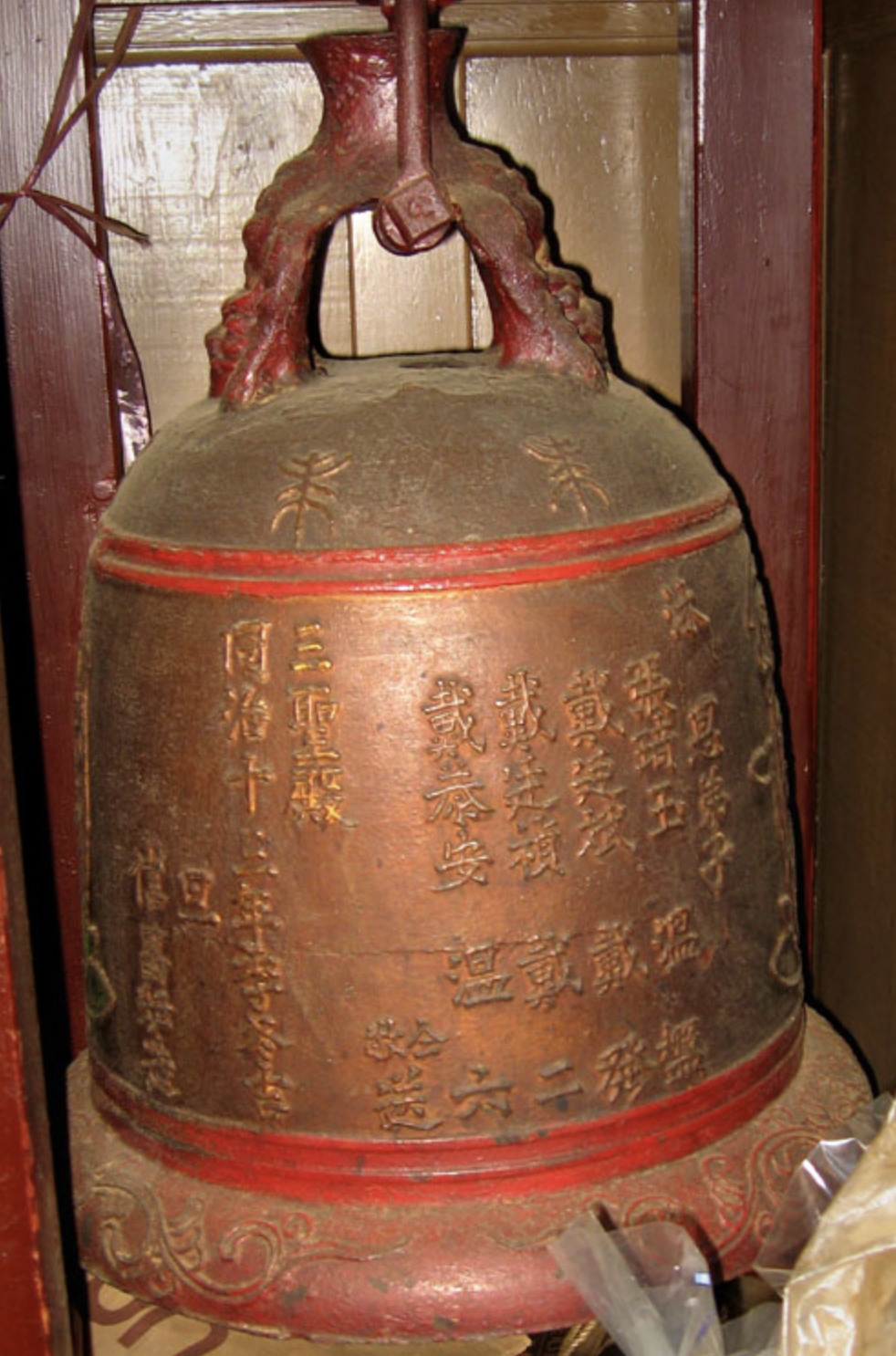
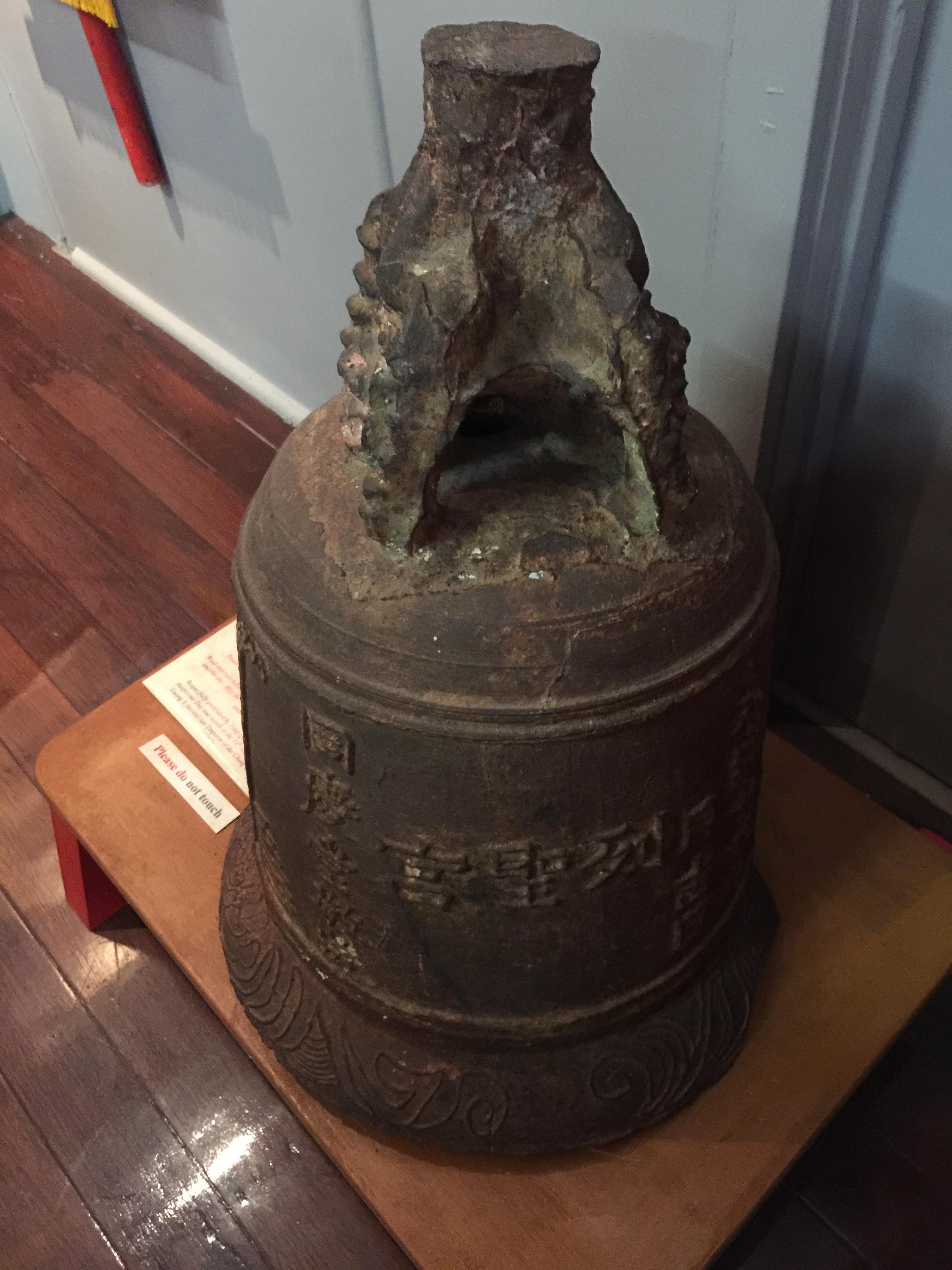
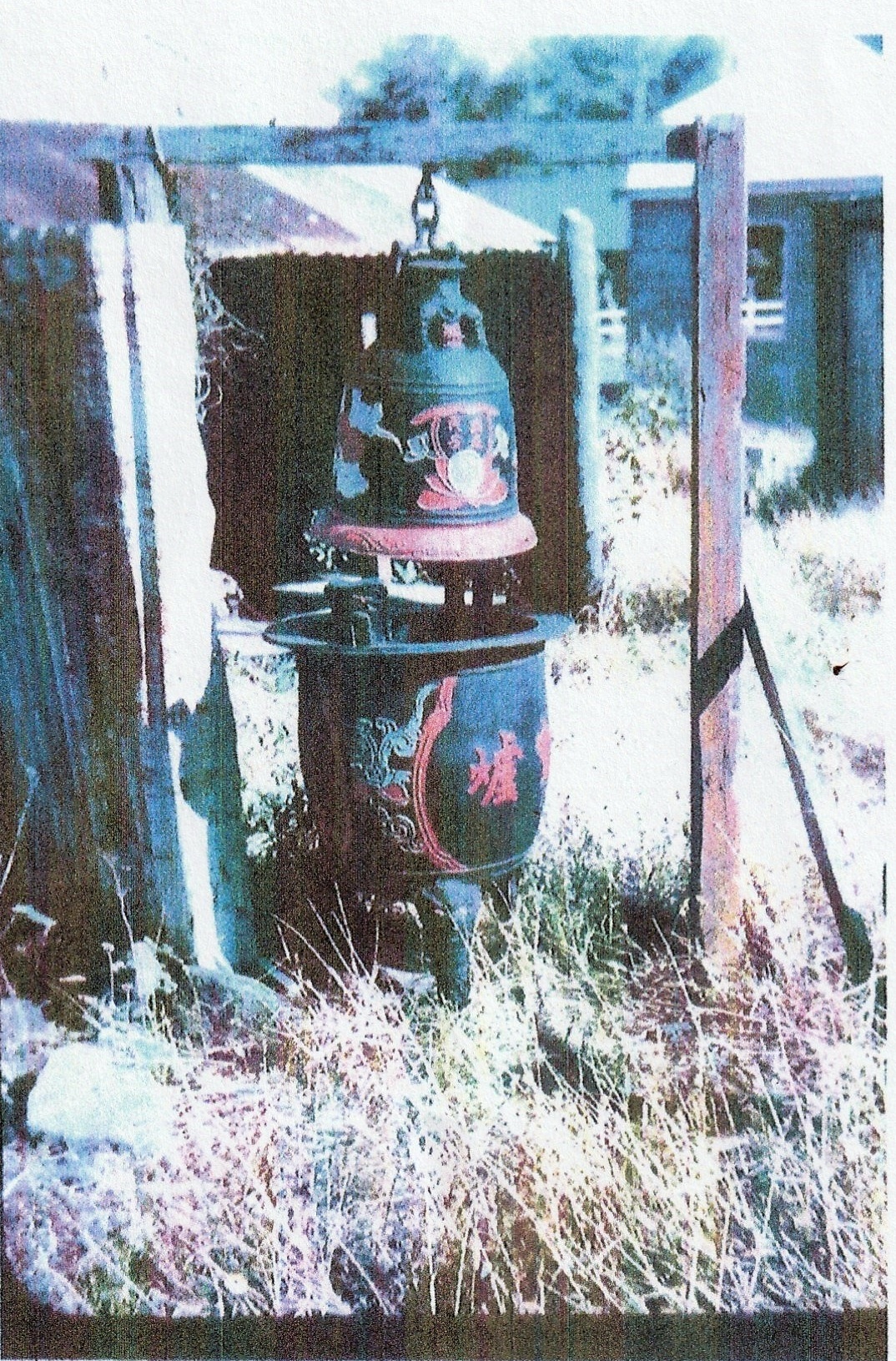
Cast iron bells are among the most fascinating survivals from the many Joss Houses once found across Australia. So far, thirteen have been identified—some in museums, others in private collections, and only three still within existing temples.
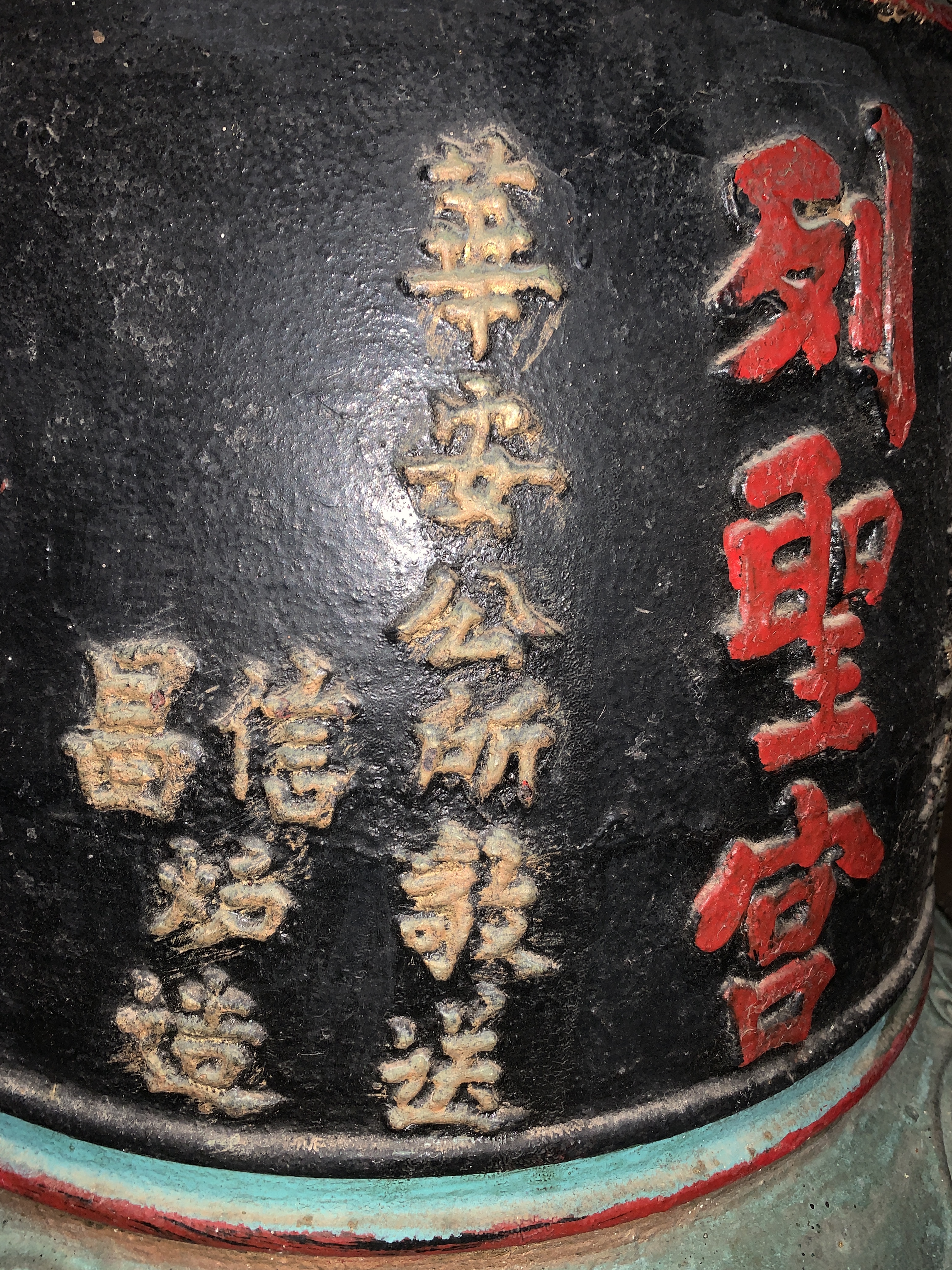
These bells are notable for their size and craftsmanship. Usually commissioned in China, they often bear the names of donors, the foundry’s mark, and inscriptions expressing a sentiment or ideal. Because they were large and made of solid cast iron, many of these bells endured long after the Joss Houses themselves disappeared.
It appears that many of the earliest Joss Houses—particularly those in the Victorian goldfields—did not have bells. The presence of bells seems to characterise the later temples, especially those built in the 1880s, which may explain why most surviving examples are found in Queensland. The reason for this pattern is uncertain, given that temple bells were quite common elsewhere in the Chinese diaspora. Bells from the eighteenth century are known from temples in Singapore and other Southeast Asian centres. Nonetheless, based on what survives in Australia, it seems that the later Queensland temples were the ones to incorporate them.
Favourable winds and timely rain - 風調雨順 - is one of the most traditional four-character blessings in Chinese temple inscriptions. It expresses a prayer for good weather, agricultural prosperity, and harmony between heaven and earth — an essential wish in agrarian societies.
It’s often paired with 國泰民安 (“The nation prospers and the people live in peace”), together forming the ideal of natural and social harmony.