Temples & Joss Houses
Date Published
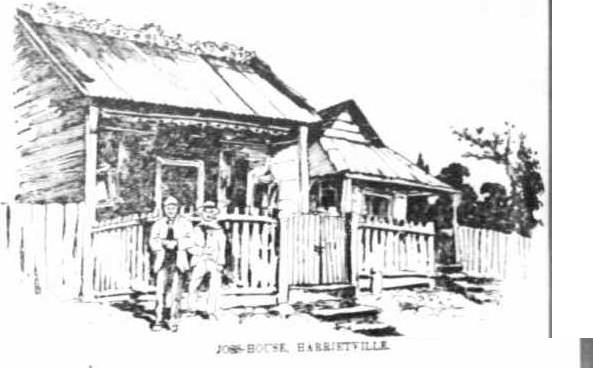
From the 1850s to the present day Chinese temples, previously referred to as Joss Houses, have been part of the Australian landscape.
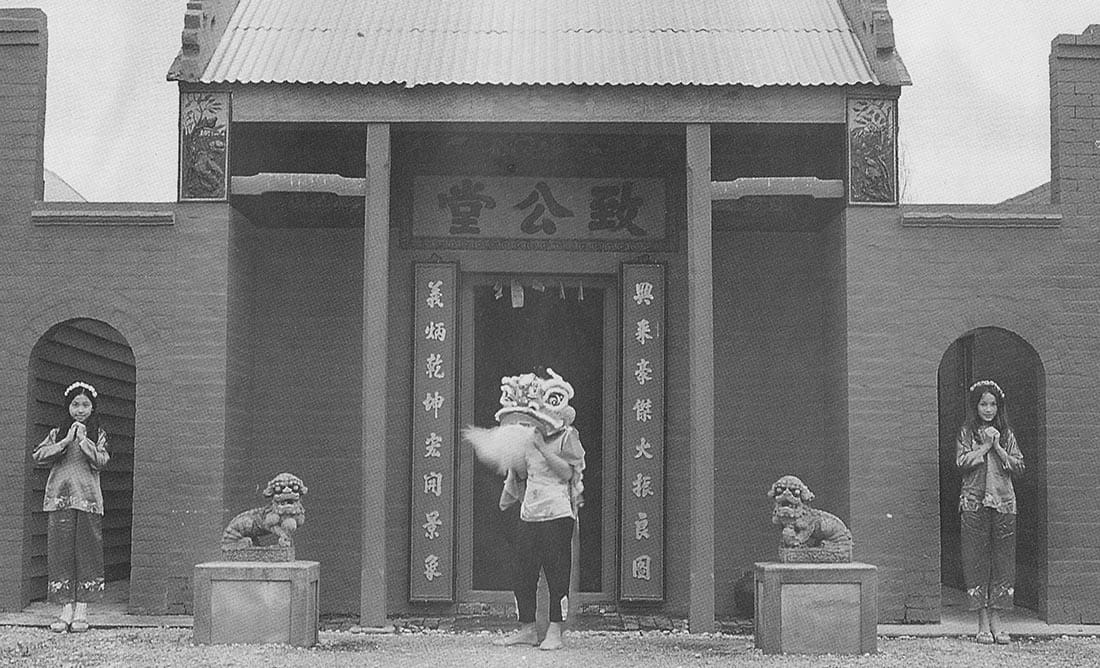
From the earliest arrivals of people from China on the goldfields of Victoria and NSW places of worship were erected. Commonly and for many years known as Joss Houses (from the Portuguese Deus = God) the first Chinese temples were calico tent erections that were soon followed by wooden and brick constructions. Of those built on the goldfields and in various country centres around the eastern colonies throughout the 19th century, most gradually fell into disrepair as their communities aged, moved away or converted to Christianity. Fires were common and very often the temple artifacts were dispersed, sometimes finding their way into local museums (often via local sheds).
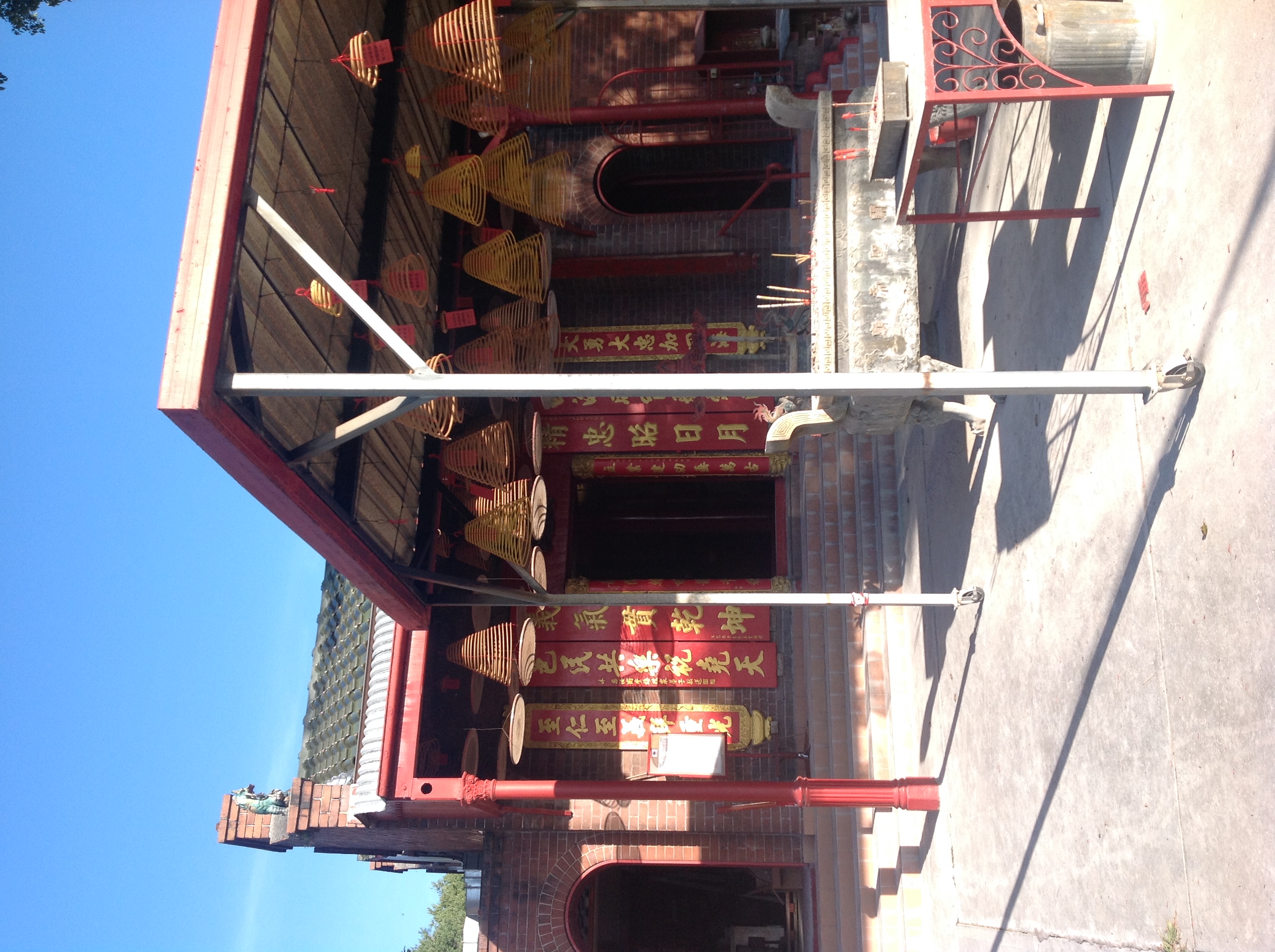
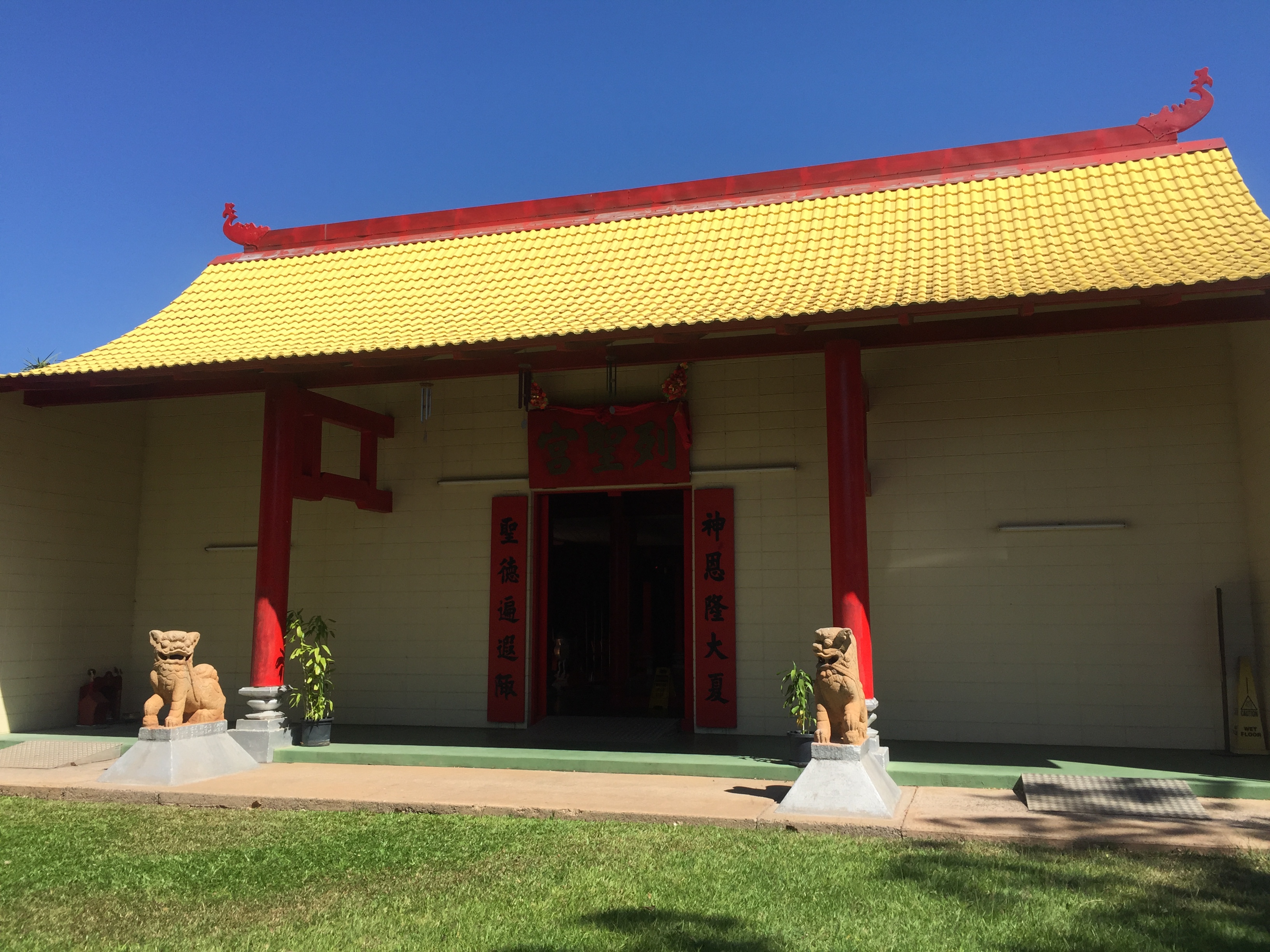
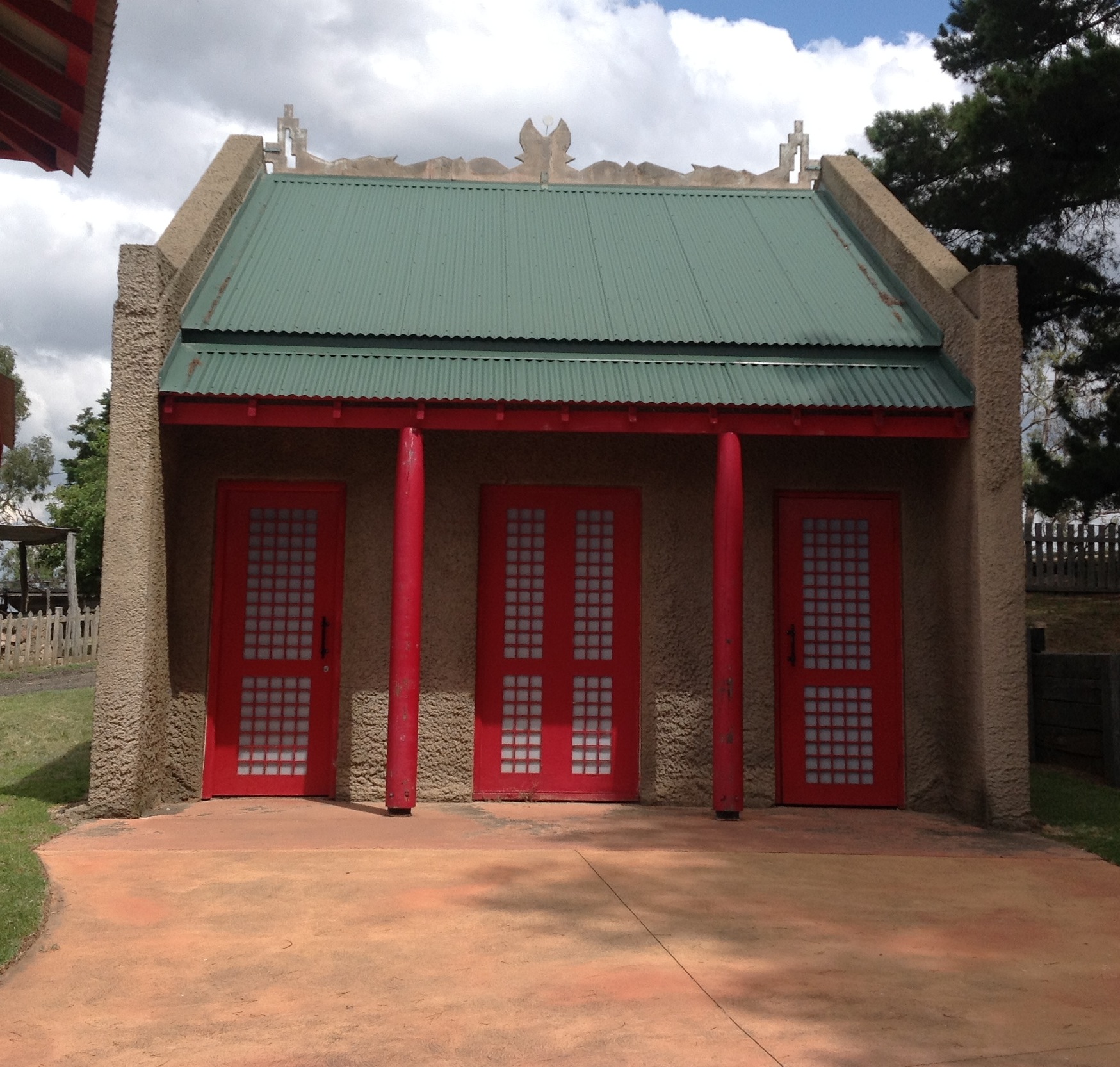
A handful of these oldest Joss Houses have survived, most notably the See Yup Temple of Melbourne and the Holy Triad Temple at Breakfast Creek, Brisbane which continue as working temples. While those of Bendigo and Atherton survive as museums. The older temples were joined by relative newcomers, the Si Yi Temple in Glebe (1904) and the Yiu Ming Temple at Alexandria (1920) or replacements of older ones such as the Lit Sing Gong Temple at Innisfail (1940). More recent Chinese temples include the Wong Tai Zin and Kwan Yin Temple at Summer Hill and the Nantien Temple at Wollongong.
The Joss House was a focus for the community at specific times with wealthier members donating to buy the requisite artifacts from China (mostly commonly from Foshan in the Pearl River Delta). The most spectacular collection of such artifacts being the Queen Victoria Museum & Art Gallery collection in Launceston. A custodian usually lived at the site of the temple and earned his living from fees or tips provided. Unlike Christian Churches the Joss House could and was used for a variety of community purposes, including on occasion gambling and/or opium smoking, much to the shock of some European observers.
"Temple buildings are distinctive. Understandably, those constructed in Australia appear to follow the basic principles governing temple design in China and in Southeast Asia. Rural Australian temples tended to be more modest in their form and in the extent to which ancillary halls and external shrines were included within the temple complex. Access was normally through a front entrance, and ‘heavenly well’ into a main prayer hall. Lip notes that a ‘smaller temple complex consists of a simple entrance hall, a main prayer hall and the monks’ quarters’ (Lip 1986:9). This aptly describes the temples within Queensland at least, but with the possible addition of a ground oven nearby." (Grimwade, 2003:51)
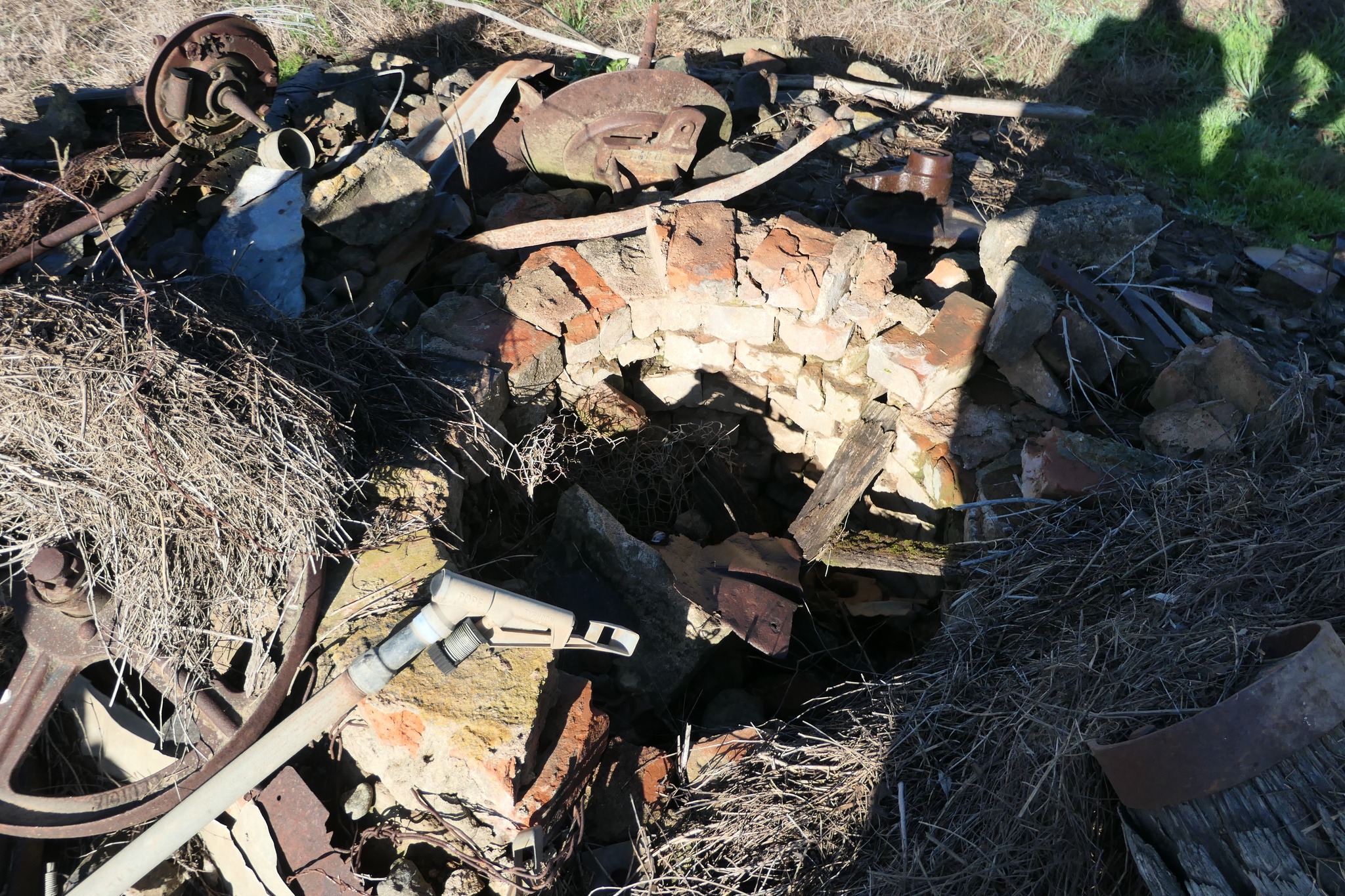
Over time some of the surviving Joss Houses became a local tourist attraction but more often as they decayed they were subject to bush fires or even arson attacks and local plundering. Of the perhaps 110 to 140 possible Joss Houses in Australia only nine survive in one form or another.
For more on Chinese Temples in Australia see:
Gordon Grimwade, Gold, gardens, temples and feasts: Chinese temple, Croydon, Queensland. Australasian Historical Archaeology, 21, 2003, pp.50-57.
Joss House vs Temple – It’s an American thing to imagine "Joss" as some kind of insult. It comes from the Portuguese for God and was common Trade English. Why is a Chinese religious house a temple more than a Joss House? Both are merely English versions for the Chinese miao (廟). It means the same while the one is more specific. Unlike "Chinaman" Joss House was not generally used in an insulting way but was merely descriptive. Of course, with Trove searching you need to use "Joss" anyway.
Advertising for Joss Houses
https://ourchinesepast.org.au/old-newspaper-articles-that-concern-the-emmaville-temple