Links to villages
Date Published
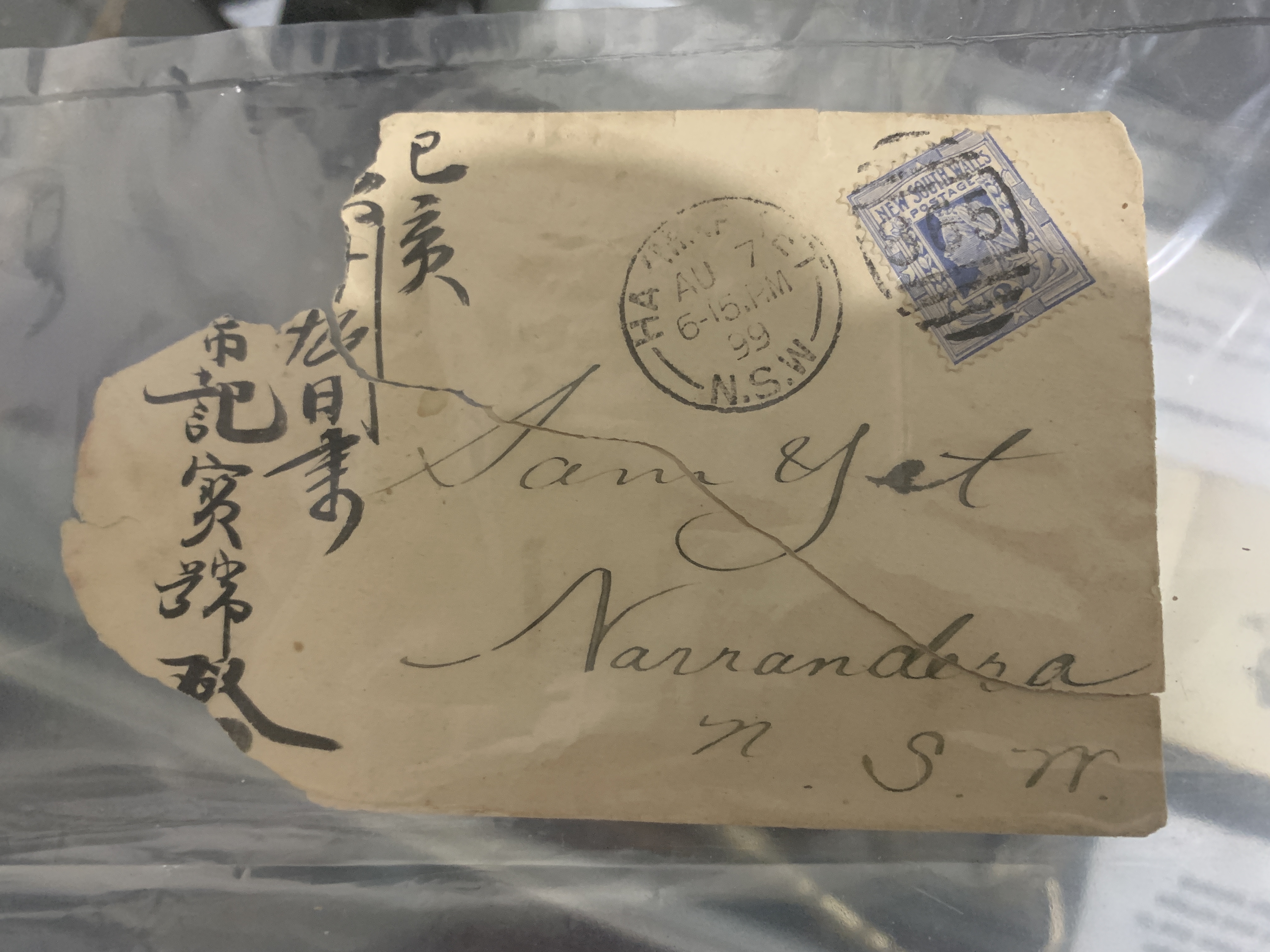
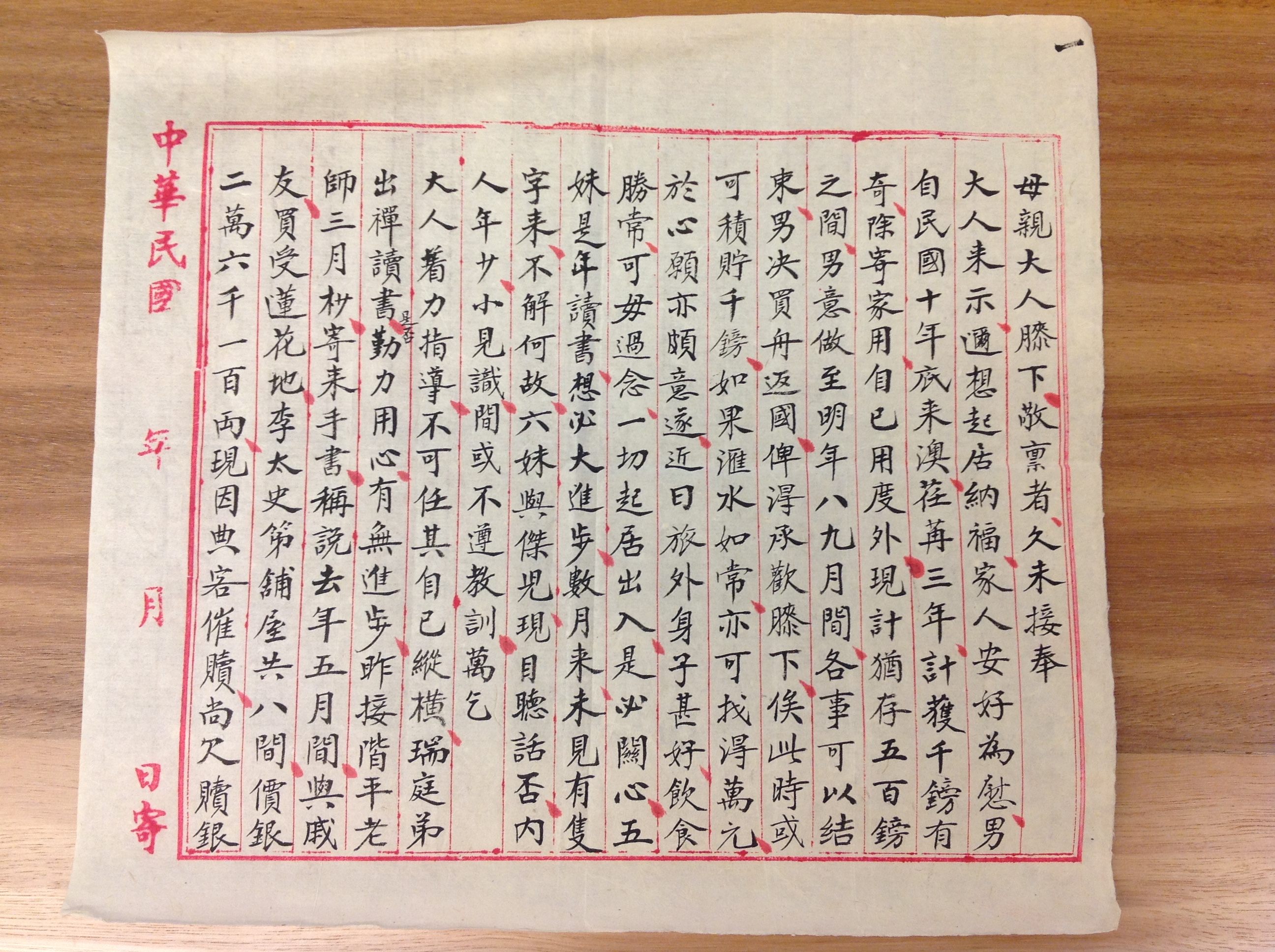
One of the most significant features of the history of Chinese people in Australia—mainly those from the Pearl River Delta—was that they maintained continuous links back to their villages of origin, to their families, and to China itself. This began with the sending of remittances, but also included letters exchanged between family members. Whenever possible, people would regularly visit their home villages. They might return for a few years at a time—perhaps to marry or to ensure that their wife became pregnant on the first trip home, or later to see their children—before returning to Australia to work again. This reflects the typical Huaqiao (overseas Chinese) pattern of circular migration, going back and forth between homeland and host country.
This pattern was even built into Australian administrative practice after Federation, through the Certificate of Exemption from the Dictation Test (CEDT). These certificates effectively granted permanent residence to Chinese people who had lived in Australia before 1901, allowing them to visit their home villages and return if they wished. This policy recognised and accommodated the ongoing links many Chinese maintained with China, and as a result, it helped preserve a sense of community continuity. Assimilation was therefore slower than in the case of the earlier Amoy migrants, who generally did not maintain any enduring links with their homeland.
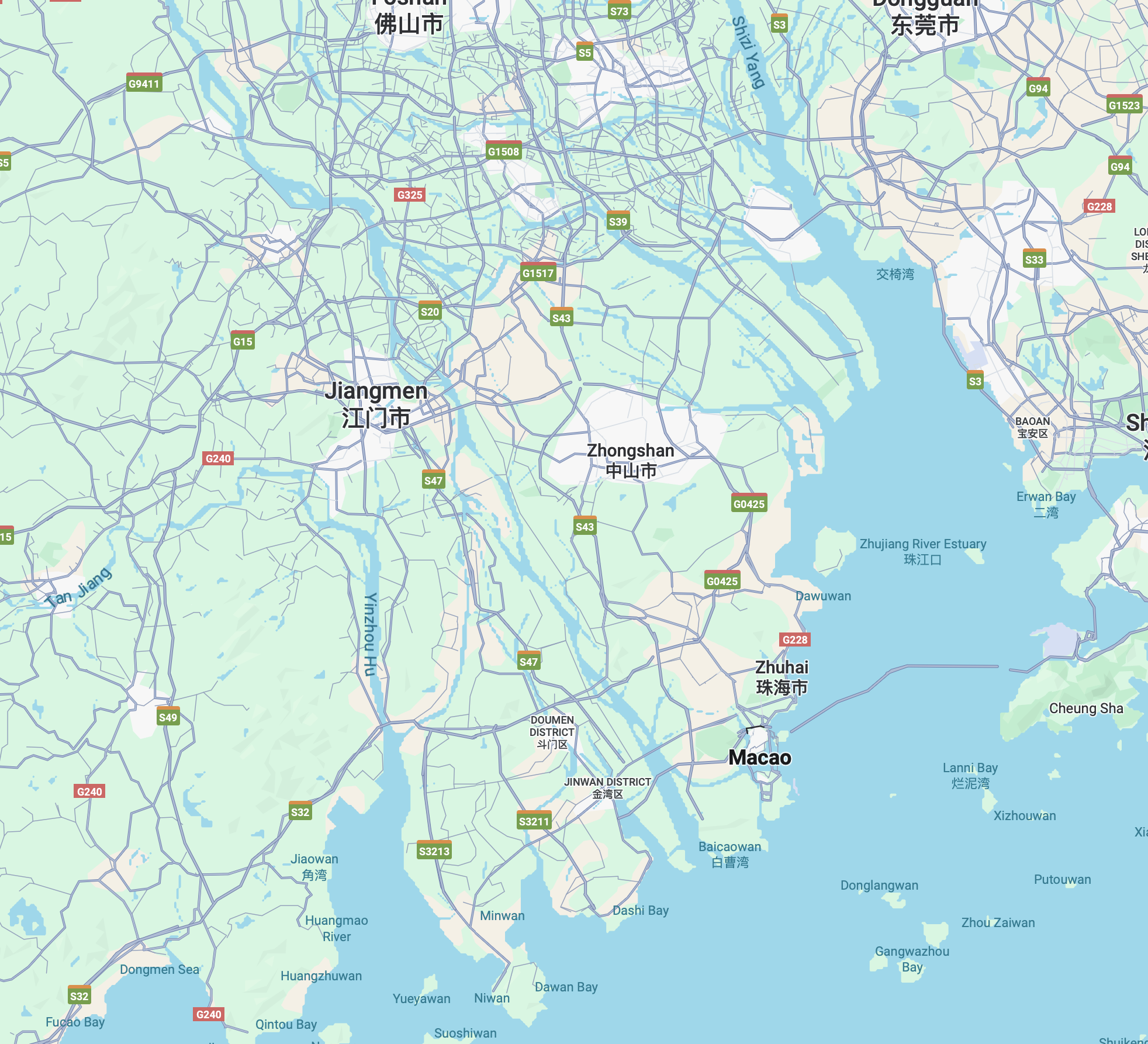
The Cantonese, by contrast, kept their ties active, often using Hong Kong as a safer and more practical intermediary between Australia and their villages. Some families also shifted their focus to the county towns—such as Taishan or Shekki—rather than to the smaller villages themselves. These networks persisted for many generations. Men would often return with a son to work as a market gardener, shopkeeper, or in another Chinese-run business, continuing the family connection.
Australian policy also implicitly recognised these connections by permitting “Chinese occupations”—market gardening, restaurants —to employ Chinese workers, sometimes allowing a new generation to enter Australia under those categories. While the more temporary Certificates of Exemption did not allow travel rights, the pre-1901 Certificates of Exemption from the Dictation Test allowed relatively free movement. Even Australian-born Chinese often used these certificates to maintain links with their fathers’ villages, or to travel to Hong Kong or Shanghai for occupational or business purposes.
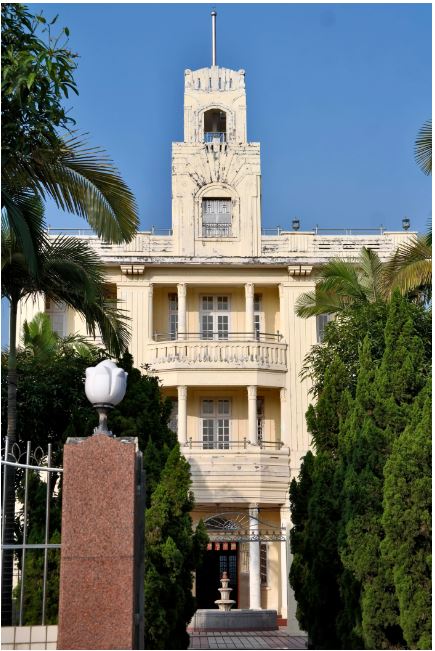
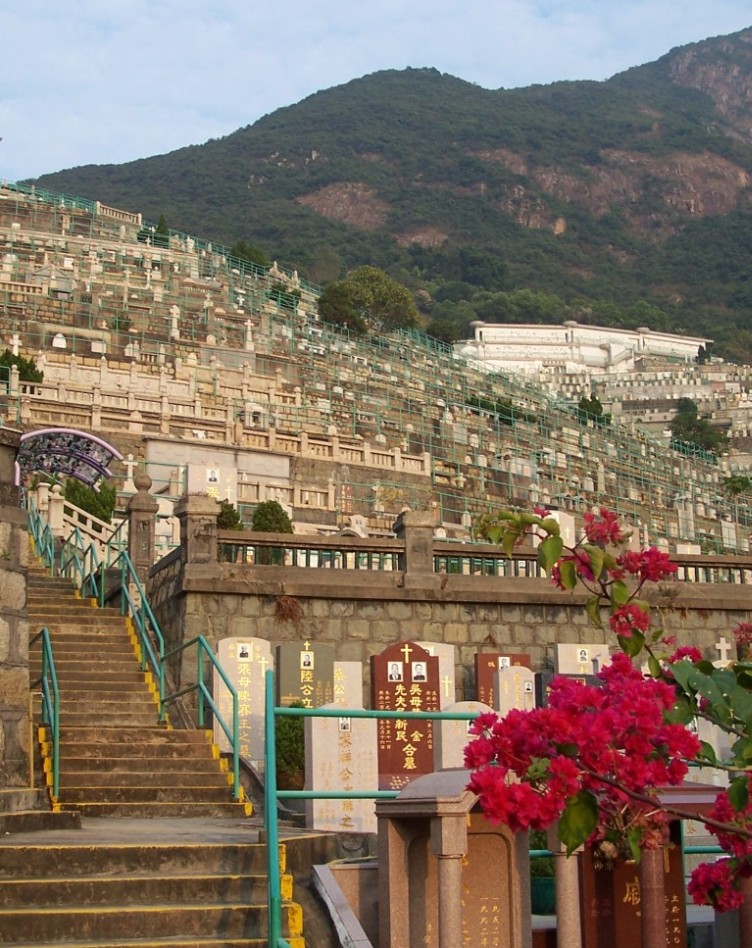
“Of special note among visits to the qiaoxiang was the retirement trip, a final trip undertaken to ensure burial in the qiaoxiang. Such a trip could be organized well in advance, as was Joe Wah Gow’s in 1929. Or it could perhaps be as death was felt to be approaching, as was the case with Phillip Chun Lee in 1934 and Lee Man Duck and Chang Yet after 1949. For some, the final return to the qiaoxiang was also their first. This was the case for one “old gold mountain fellow” in 1932, who, after an absence of thirty years, arrived at his house to be asked by his wife, still hopeful of news of her long-absent and now unrecognized husband, “Which port are you coming from?” " p.109.
From the earliest arrivals people returned: The Age, 28 April 1856, p.3.