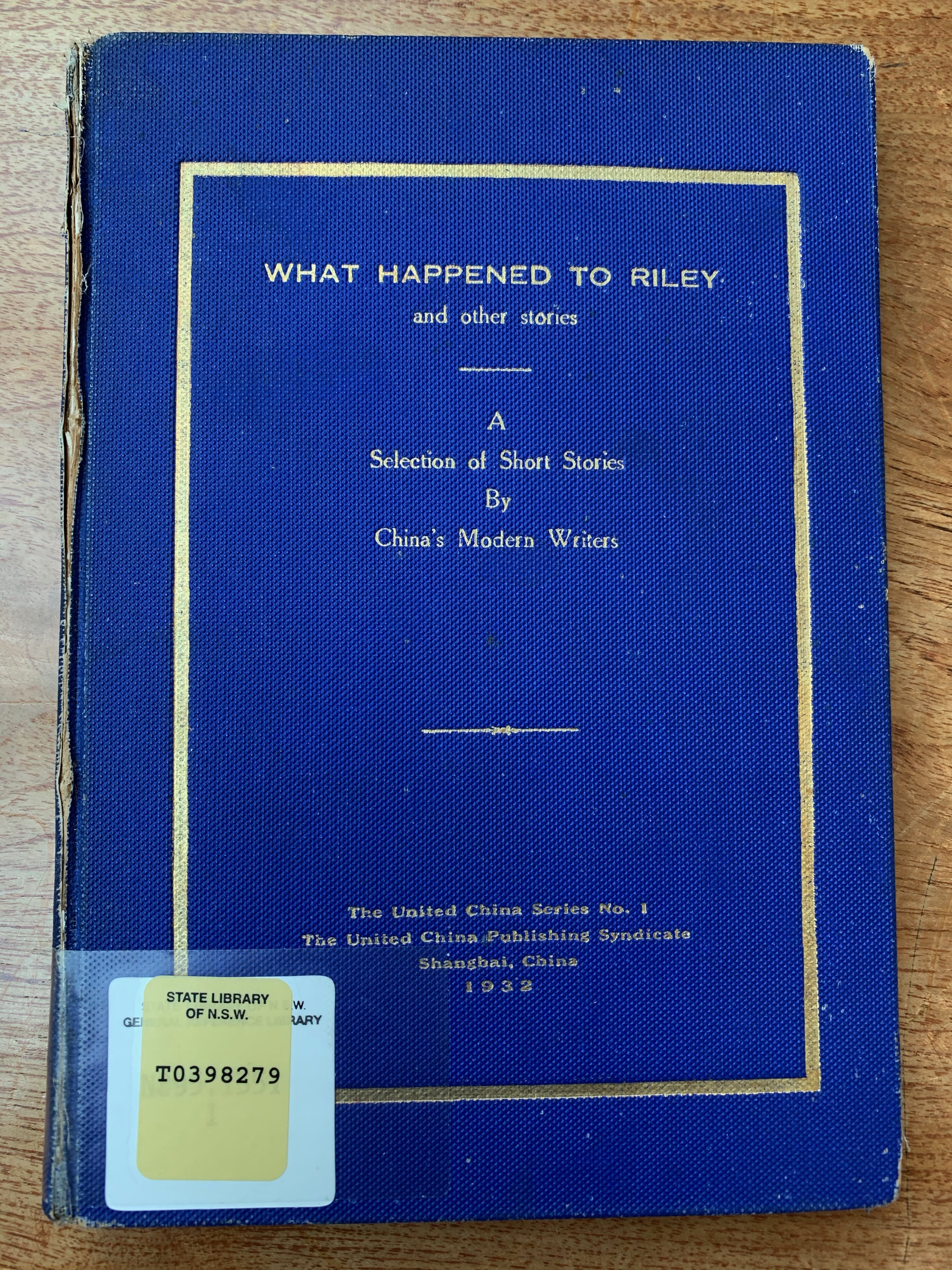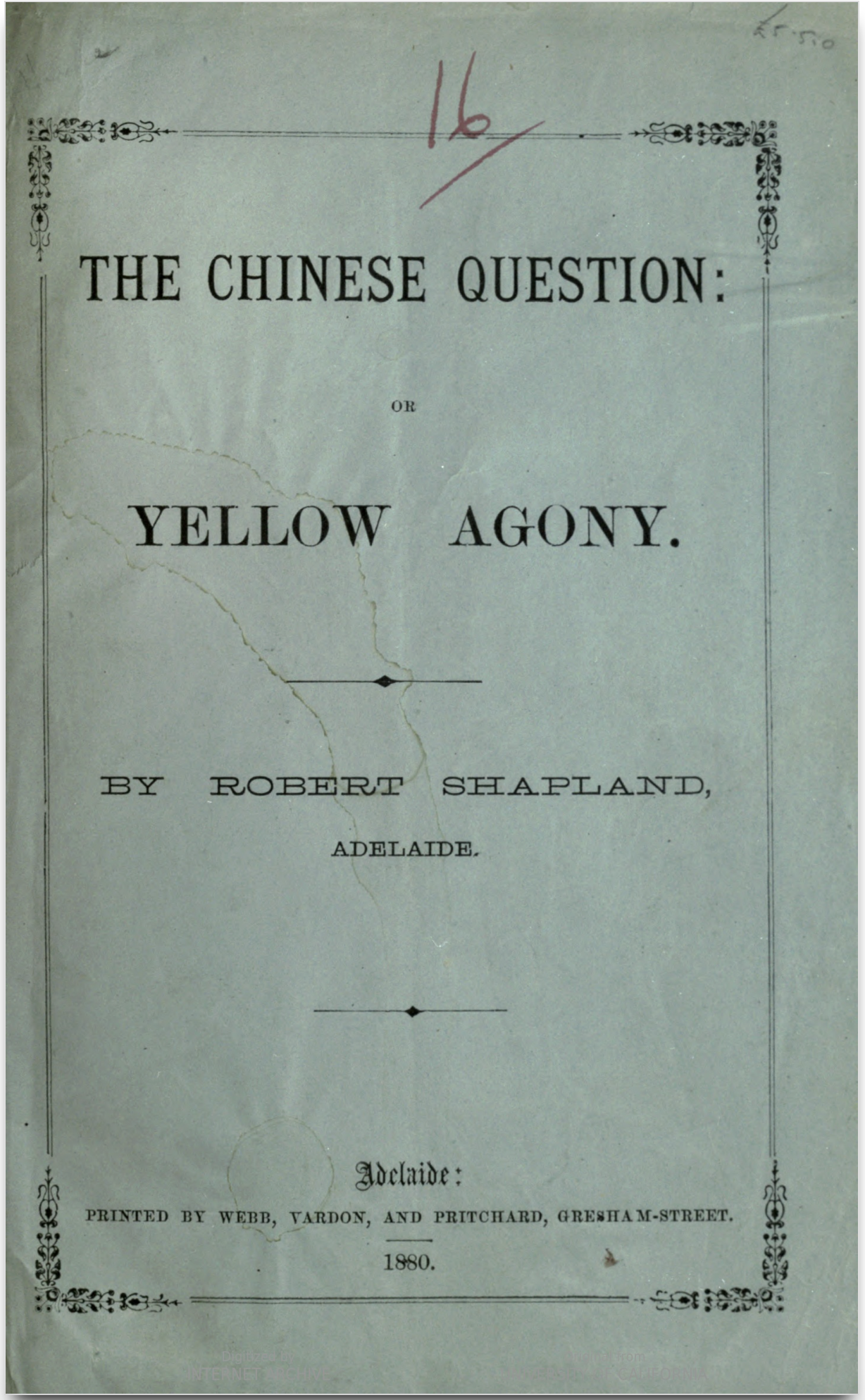
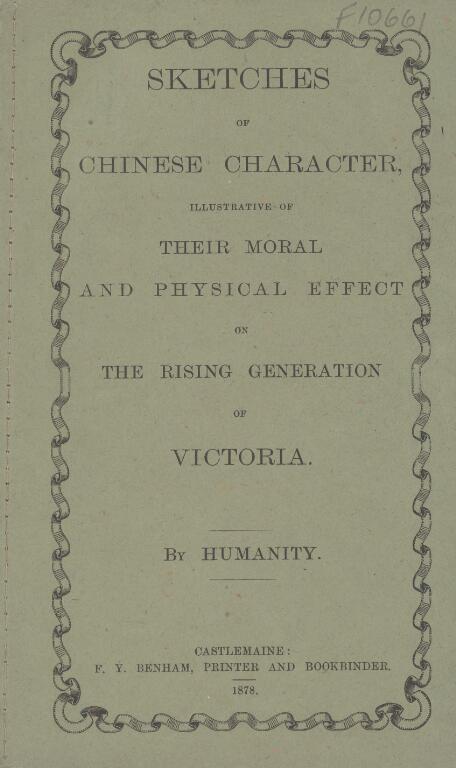
The Chinese Question
Date Published
This was a common phrase in the 19th century within which aspects of the rights of Chinese people in Australia were discussed.
1. Economic and Labour Dimensions
Many colonial politicians and later trade unionists framed the issue in terms of wages and competition.
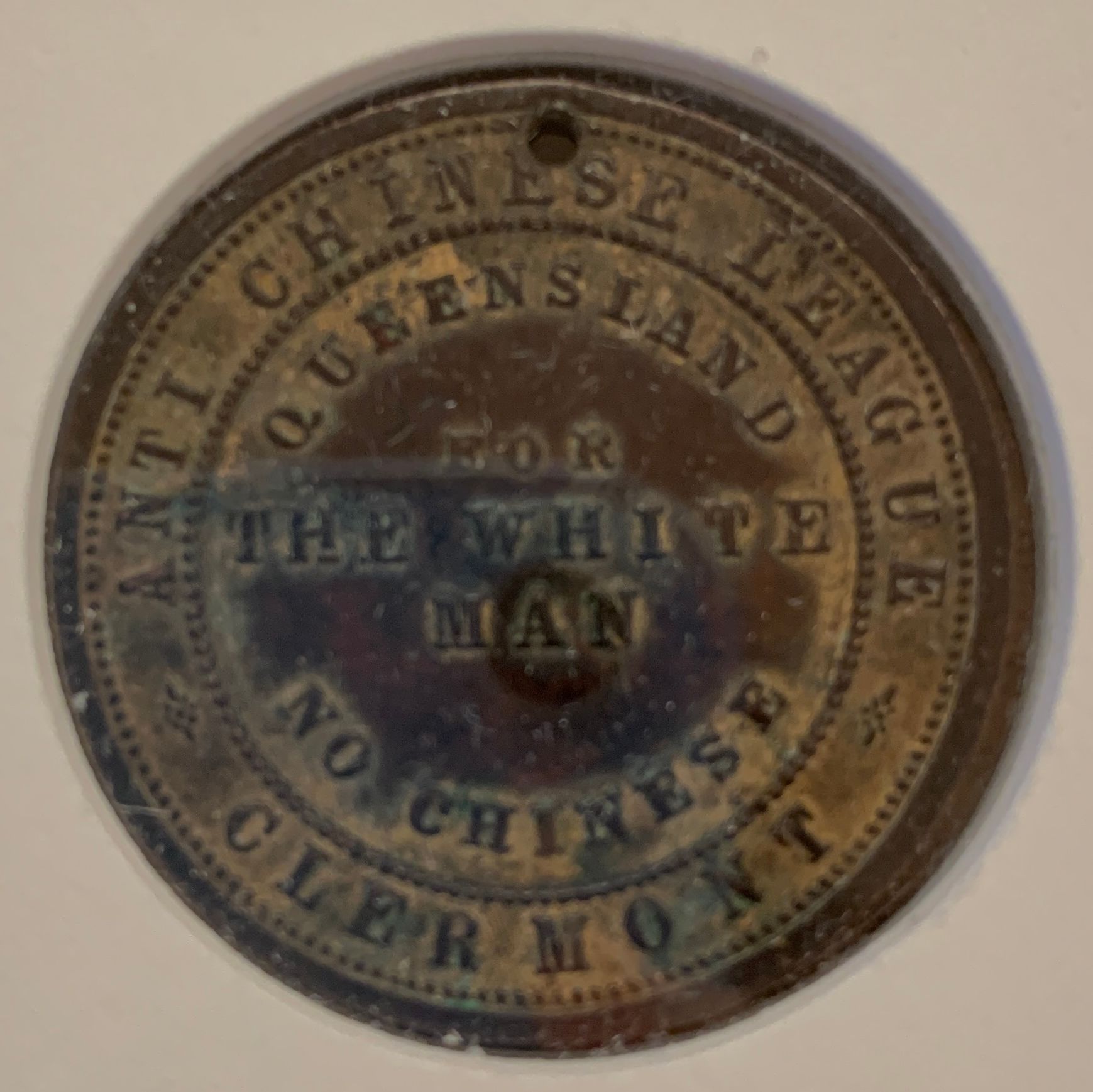
They claimed Chinese labourers worked longer hours for less pay, undermining the “fair wage” ideal of white workers. The Sydney Morning Herald and Argus often carried editorials in the 1870s–90s warning of a “cheap Asiatic labour threat.” Yet at the same time, colonial governments and employers had eagerly imported Chinese workers. This contradiction — fear of cheap labour but dependence on it — runs through the debate.
2. Racial and Civilisational Rhetoric
Beyond economics, the “civilisation” argument carried enormous weight. The Chinese were portrayed as industrious but unassimilable, moral yet alien — both “too hardworking” and “too servile.” Anti-Chinese legislation and press agitation were justified with claims about hygiene, gambling, and opium, cloaked in the language of protecting British civilisation.
But some writers, including missionaries and liberal politicians, inverted this argument: they noted that the Chinese, as British subjects in Hong Kong or as treaty partners under the Anglo–Chinese Treaties of 1860, were entitled to protection and reciprocity.
3. Political and Imperial Context
The Chinese question was also a British question. Colonial politicians had to balance domestic racial hostility with Britain’s imperial obligations to China and Hong Kong. Repeatedly in the 1880s, London disallowed or modified colonial exclusion laws that risked offending the Qing and then Japanese governments. Debates over Chinese entry thus became a stage for asserting colonial autonomy — a rehearsal for later Federation nationalism.
4. Chinese-Language and Merchant Responses
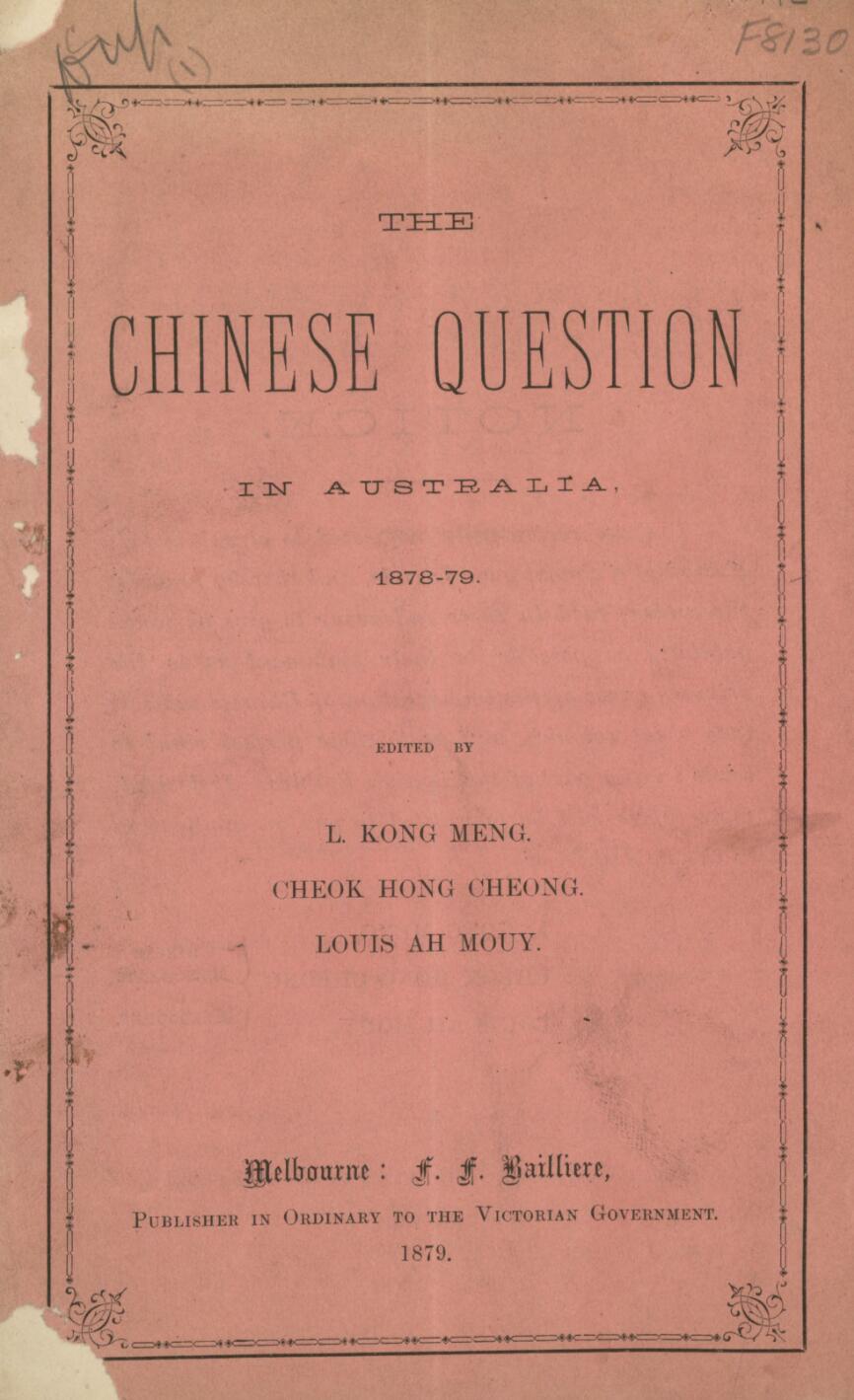
The 1888 pamphlet “The Chinese Question in Australia”, issued by a group of Melbourne merchants (Lowe Kong Meng, Cheok Hong Cheong, and Louis Ah Mouy), argued that Chinese settlers were loyal British subjects, taxpayers, and contributors to the colonies’ prosperity. They appealed explicitly to imperial justice and Christian equality — an early and articulate instance of diasporic political writing in English from within the Chinese-Australian community.
5. Shifting Meanings through Federation
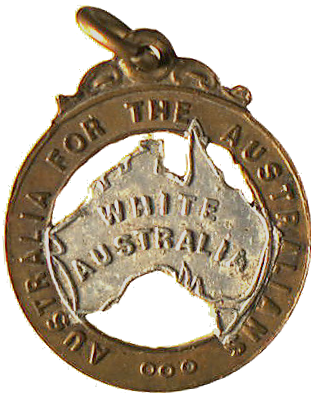
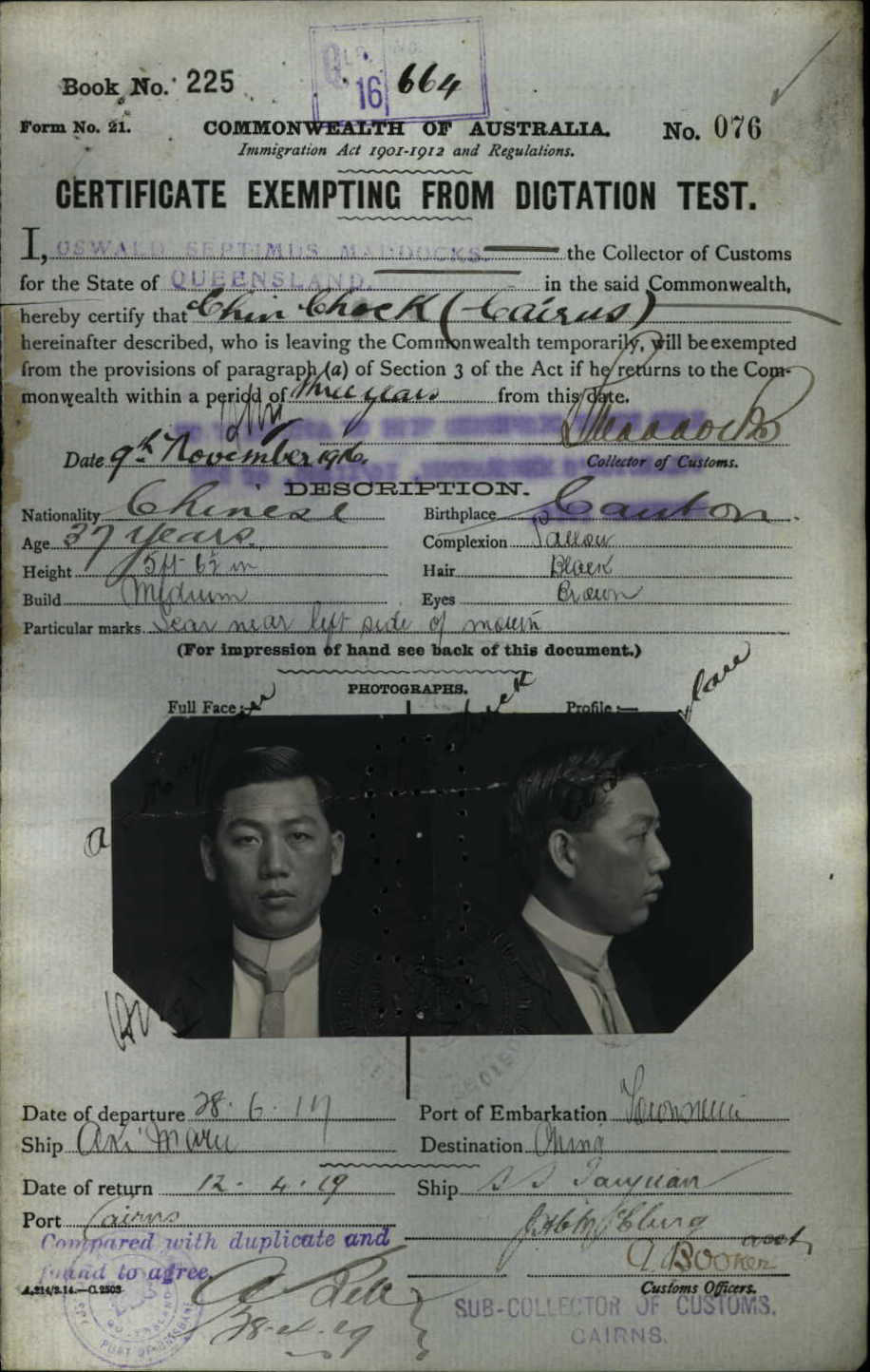
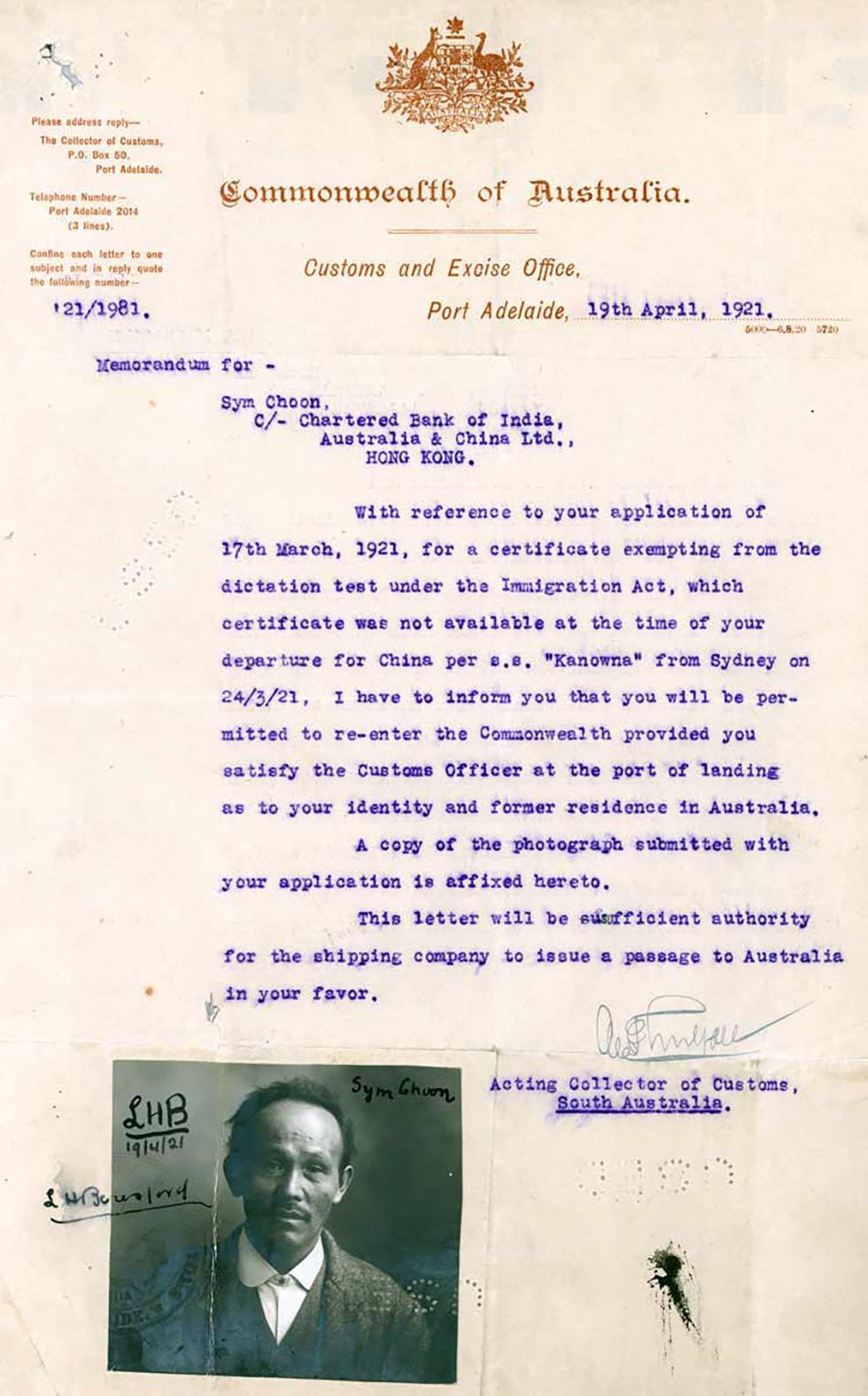
By the 1890s, “the Chinese question” merged into “the Asiatic question” and helped justify the White Australia Policy. Yet even then, a minority — including merchants, missionaries — continued to argue that Chinese people had earned rights through long residence, civic contribution, and adherence to law.
See also: