Thomas Bak Hap's defence
Date Published
: discrimination / racism, violence (anti-Chinese)
: Northeast Tasmania
: Weldborough
: 1883
Thomas Bak Hap defends the Chinese community of Thomas’ Plains (Weldborough), 1883
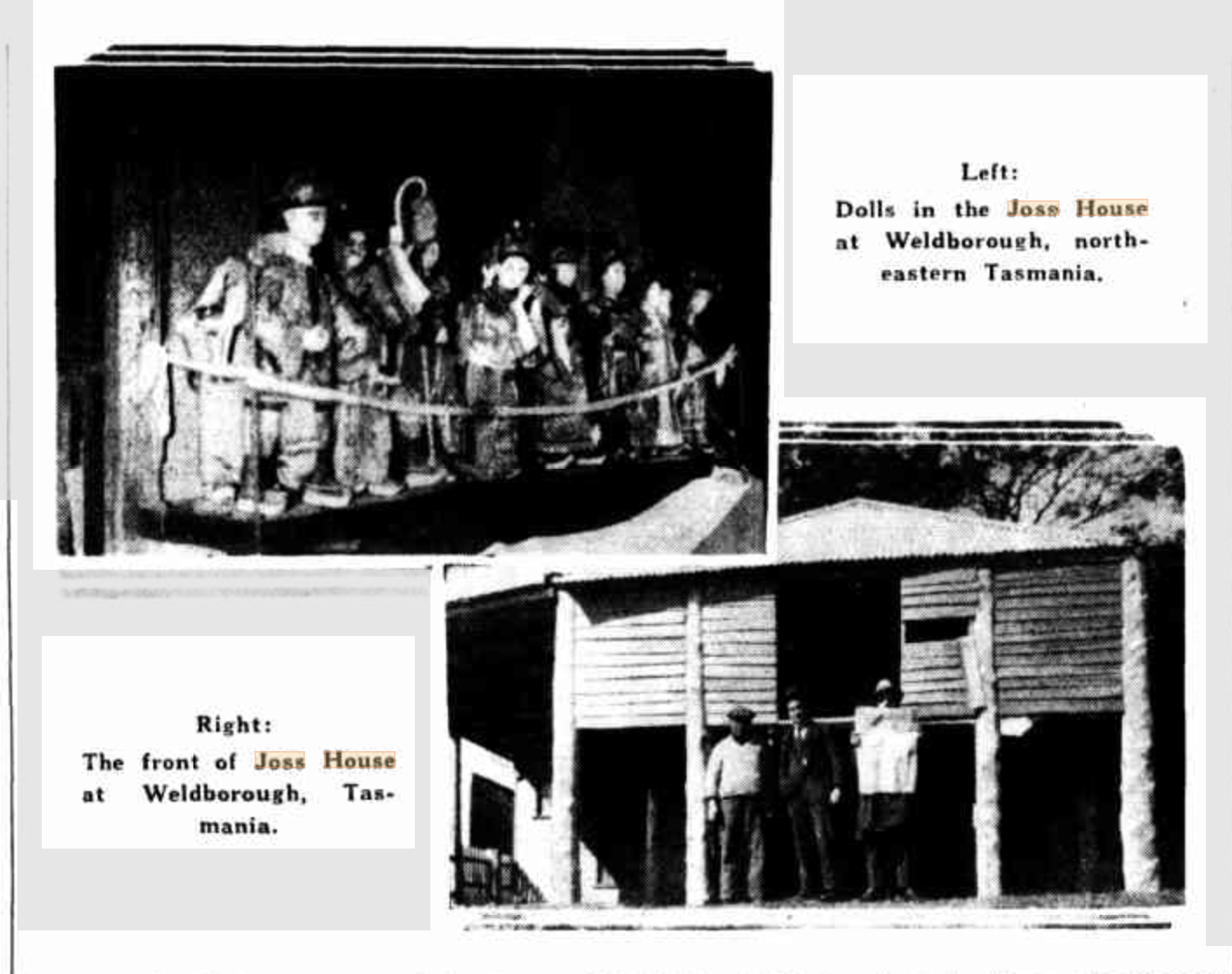
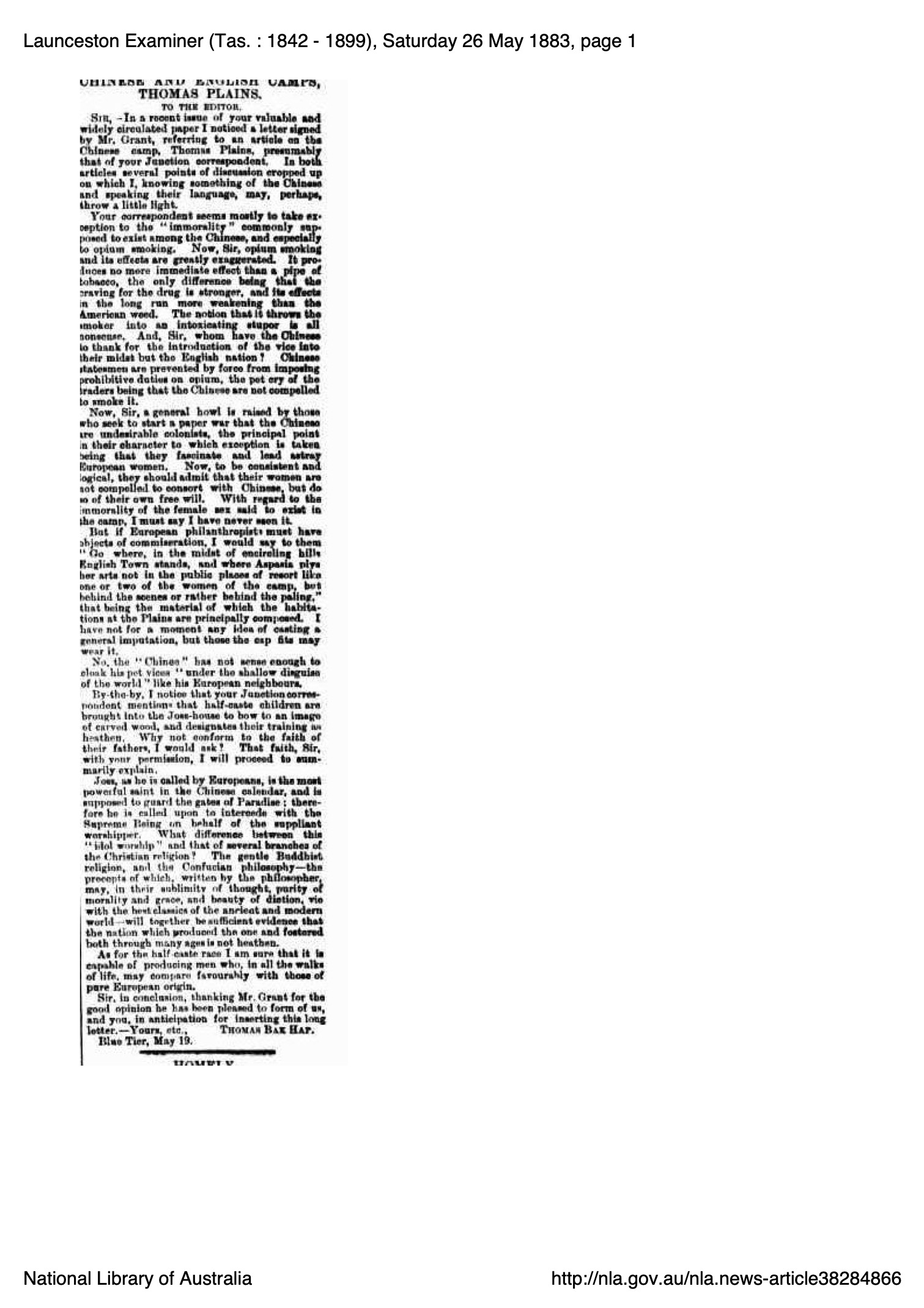
CHINESE AND ENGLISH CAMPS, THOMAS PLAINS. TO THE EDITOR. Sir, -In a recent issue of your valuable and widely circulated paper I noticed a letter signed by Mr. Grant, referring to an article on the Chinese camp, Thomas Plains, presumably that of your Junction correspondent. In both articles several points of discussion cropped up on which I, knowing something of the Chinese and speaking their language, may, perhaps, throw a little light. Your correspondent seems mostly to take ex- ception to the "immorality" commonly sup- posed to exist among the Chinese, and especially to opium smoking. Now, Sir, opium smoking and its effects are greatly exaggerated. It pro- duces no more immediate effect than a pipe of tobacco, the only difference being that the craving for the drug is stronger, and its effects in the long run more weakening than the American weed. The notion that it throws the smoker into an intoxicating stupor is all nonsense. And, Sir, whom have the Chinese to thank for the introduction of the vice into their midst but the English nation ? Chinese statesmen are prevented by force from imposing prohibitive duties on opium, the pet cry of the traders being that the Chinese are not compelled to smoke it. Now, Sir, a general howl is raised by those who seek to start a paper war that the Chinese are undesirable colonists, the principal point in their charanter to which exception is taken being that they fascinate and lead astray European women. Now, to be consistent and logical, they should admit that their women are not compelled to consort with Chinese, but do so of their own free will. With regard to the immorality of the female sex said to exist in the camp, I must say I have never seen it. But if European philanthropists must have objects of commiseration, I would say to them "Go where, in the midst of encircling hills English Town stands, and where Aspasia plys her arts not in the public places of resort like one or two of the women of the camp, but behind the scenes or rather behind the paling," that being the material of which the habita- tions at the Plains are principally composed. I have not for a moment any idea of casting a general imputation, but those the cap fits may wear it. No, the "Chinee" has not sense enough to clonk his pet vices "under the shallow disguise of the world " like his European neighbours. By-the-by, I notice that your Junction corres- pondent mentions that half-caste children are brought into the Joss-house to bow to an image of carved wood, and designates their training as heathen. Why not conform to the faith of their fathers, I would ask? That faith, Sir, with your permission, I will proceed to sum= marily explain. Joss, as he is called by Europeans, is the most powerful saint in the Chinese calendar, and is supposed to guard the gates of Paradise: there- fore he is called upon to intercede with the Supreme Being on behalf of the suppliant worshipper. What difference between this "idol worship" and that of several branches of the Christian religion? The gentle Buddhist religion, anl the Confucian philosoplhy-the precepts of which, written by the philosopher, may, in their sublimity of thought, purity of morality and grace, and beauty of diction, vie with the best classics of the ancient and modern world--will together be sufficient evidence that the nation which produced the one and fostered both through many ages is not heathen. As for the half-caste race I am sure that it is capable of producing men who, in all the walks of life, may compare favourably with those of pure European origin. Sir, in conclusion, thanking Mr. Grant for the good opinion he has been pleased to form of us, and you, in anticipation for inserting this long. letter.-Yours, etc., Thomas Bak Hap. Blue Tier, May 19.
Launceston Examiner, 26 May 1883, p.1
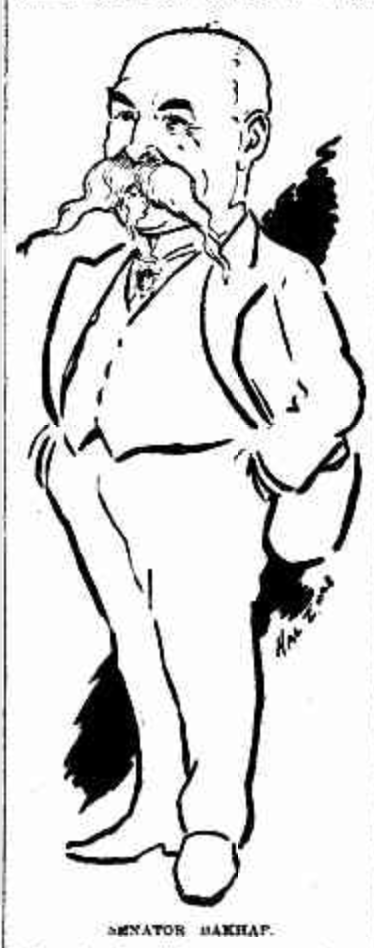
Senator Thomas Bakhap