Anti-Chinese thinking
Date Published
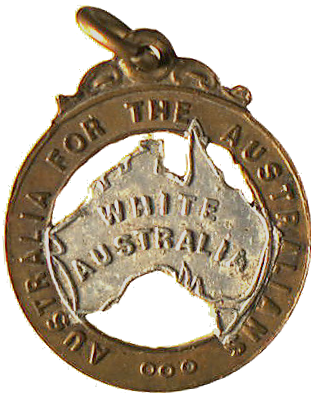
Negative attitude to things Chinese
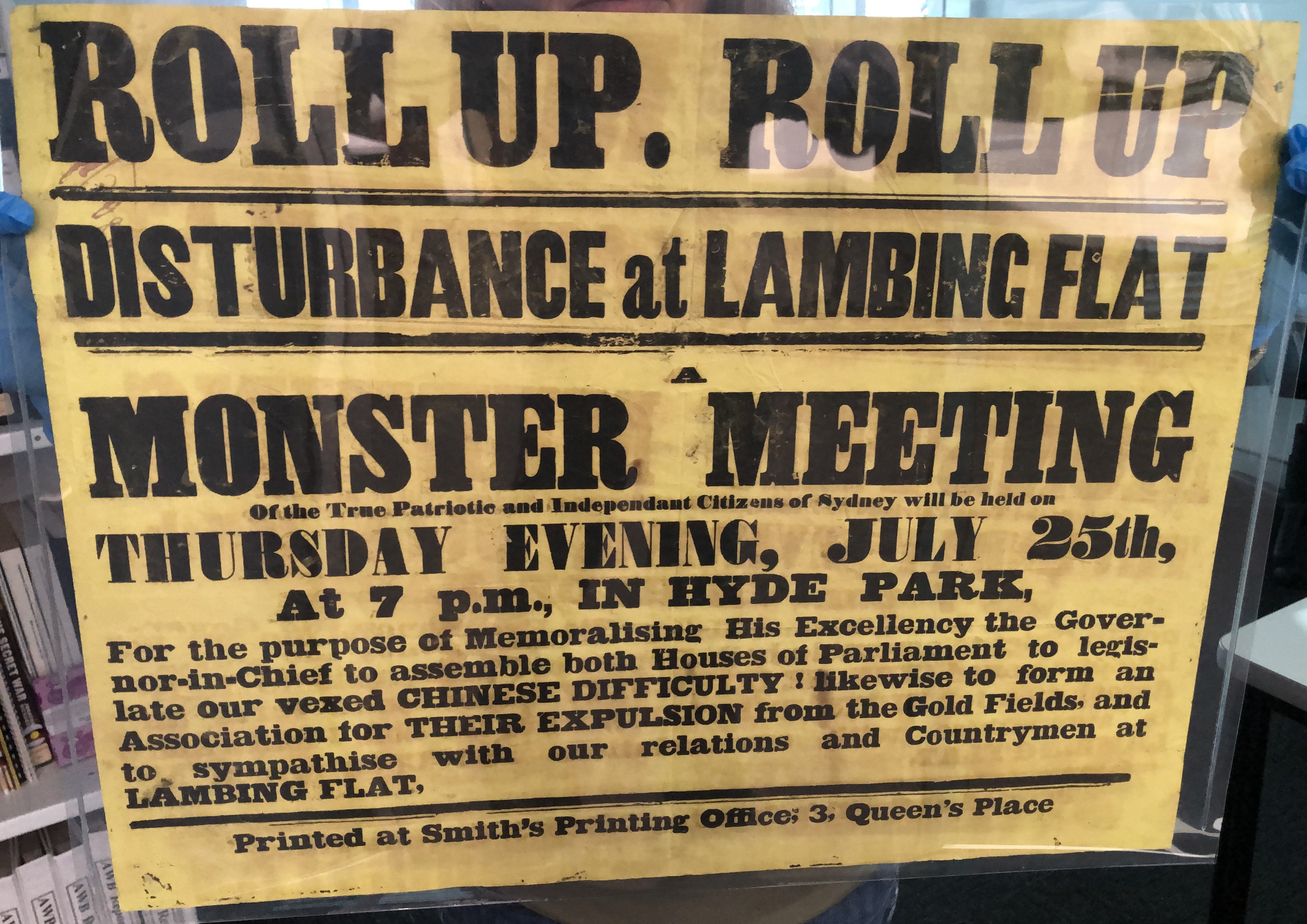
It was not always the case that Chinese people and their culture were looked down upon or rejected by those of European heritage living in the Australian colonies. In fact, the first arrivals, even on the goldfields, were treated as curiosities (see Bathurst arrivals, 1855). However, aside from competition for gold, the issue of labour competition in general was always an issue (see Van Diemen's Land carpenters, 1836) and the specific importation of workers through the Treaty Port of Amoy when convict transportation was still a hot political issue placed "Chinese" workers at the fore front of this debate very early on. (See Loy-Wilson).
The arrival of many more people from the Pearl River Delta during the gold rush exacerbated this issue with competition for gold taking on a racial tone very early. This period coincided with the two Opium Wars with the defeat of the Qing Empire both facilitating movement (specified in the treaties and made practical by the British occupation of HK) as well as enhancing the sense of Chinese culture and therefore Chinese people as inferior and not worthy of equal treatment even under British law. This last was very much a contested issue but nevertheless many discriminatory race-based laws were passed not to mention increasing practical discriminations.
Even within this context many people intermarried and became established members of the community. The Amoy men in particular, who did not maintain continuing links with their places of origin, simply merged with the general population with one or two generations. The desire for the majority of those from the Pearl River Delta to maintain links with their places of origin (family, remittances, business, retirement, sponsorship of new generations) as well as their greater numbers meant that they maintained a more separate visibility within the colonies and well into the Commonwealth period.
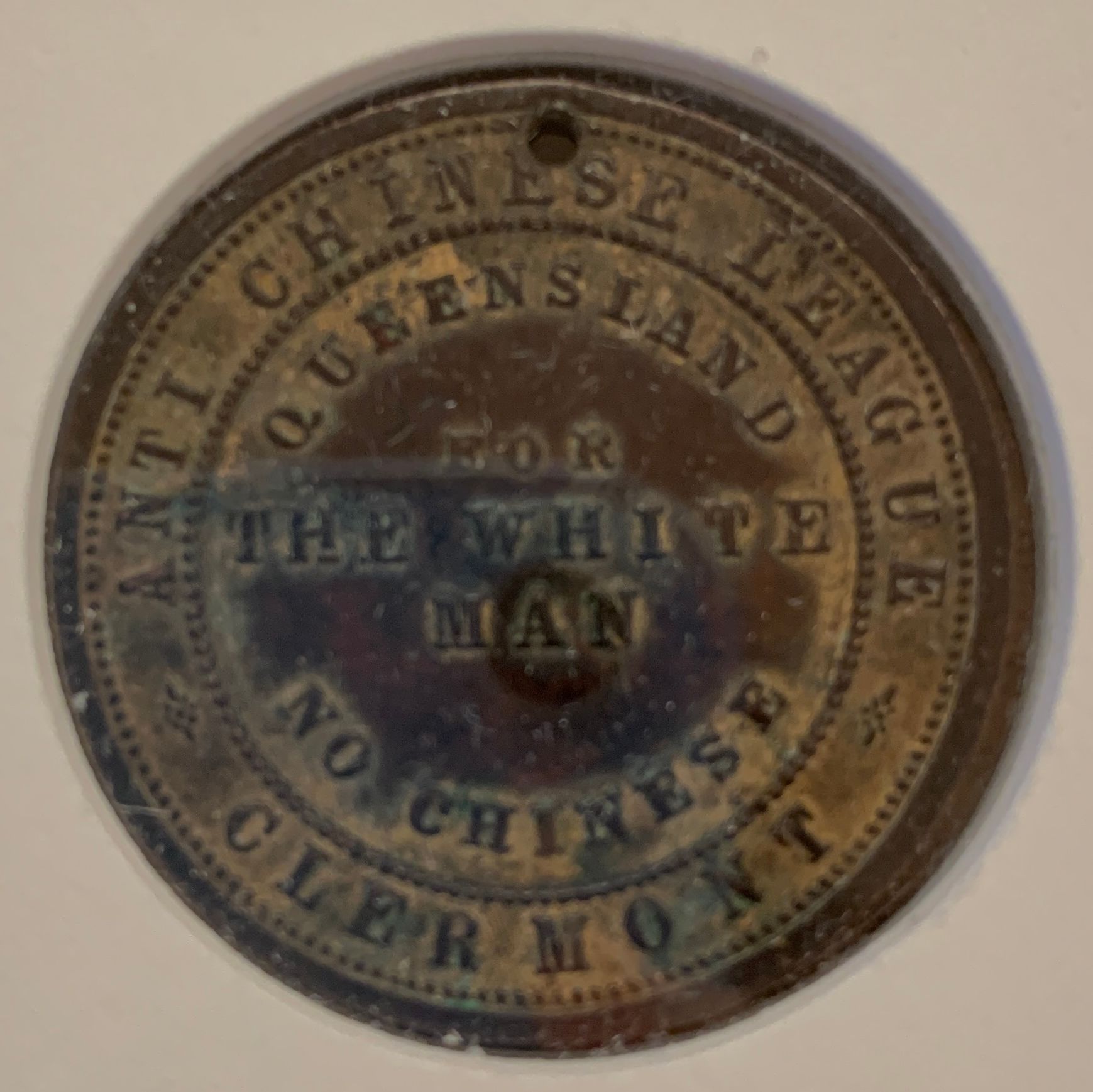
This was a visibility that a pervasive race-based conceptualisation (the word racism was not even coined yet to identify it) and a growing sense of "whiteness" helped to maintain and enhance. By the end of the 1870s a growing working class movement also began to perceive the "Chinese" as a threat to their desire to increase wages. A threat the middle class also began to highlight for their own purposes, though with more mixed results. This led to a series of renewed discriminatory laws from the 1880s that cumulated in the White Australia policy and the Commonwealths Dictation Test in 1901, all aimed at non-white people in general but impacting or/and inspired by Chinese people in particular.
The link to a poor opinion of Chinese culture due to its failure to resist European colonialism only began to change in the 1930s and 1940s, paradoxically when China began also to fail to resist Japanese imperialism. Sympathy, coupled with a growing fear of Japan led at first the Trade Union movement and later the Australian middle class to slowly replace its class based racism with a class based individualism that gradually under mined the White Australia policy.
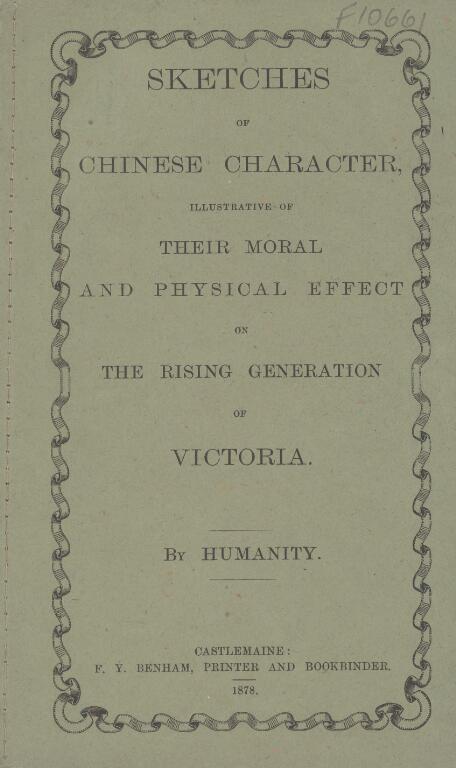
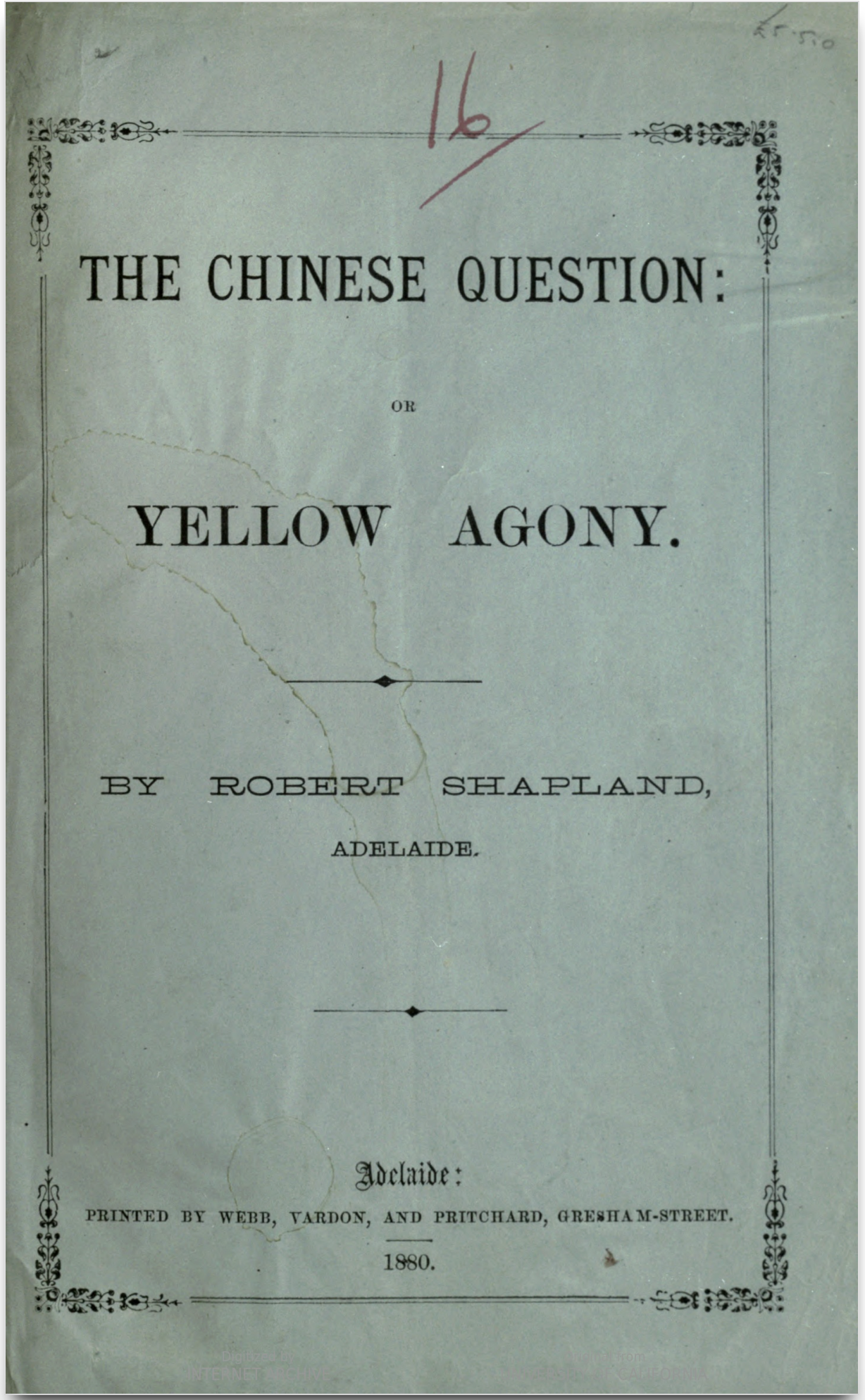
Other features of this thinking included a general patronising use of terms such as Celestial or Chinaman that served to ignore individual distinctions and maintain a generalised othering of Chinese people. Examples - “walloping the Joss” - pakakpu, etc - Impact?
https://trove.nla.gov.au/newspaper/article/63621111/5788972
https://trove.nla.gov.au/newspaper/article/63622011
https://trove.nla.gov.au/newspaper/article/63621028/5788908