Education
Date Published
Role of education and schools.
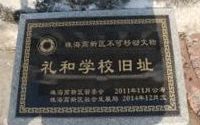
Education has always occupied a central place in Chinese society and culture, and the same value was carried into the overseas Chinese communities. Its influence on Chinese Australians can be seen both in the colonies and in the home villages to which migrants maintained close ties. One major aspect was philanthropy: overseas Chinese frequently donated funds to establish or improve schools in their native villages. These contributions not only raised already high levels of literacy but also made it possible for girls to attend school—something previously rare except among the wealthy. The result was a marked increase in female education, alongside expanded opportunities for boys.
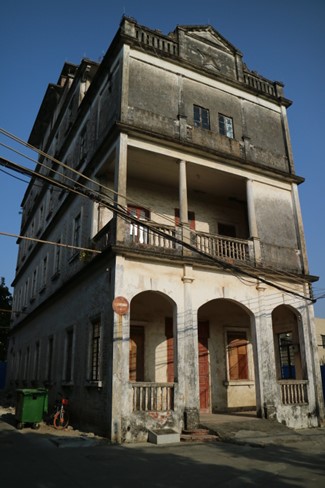
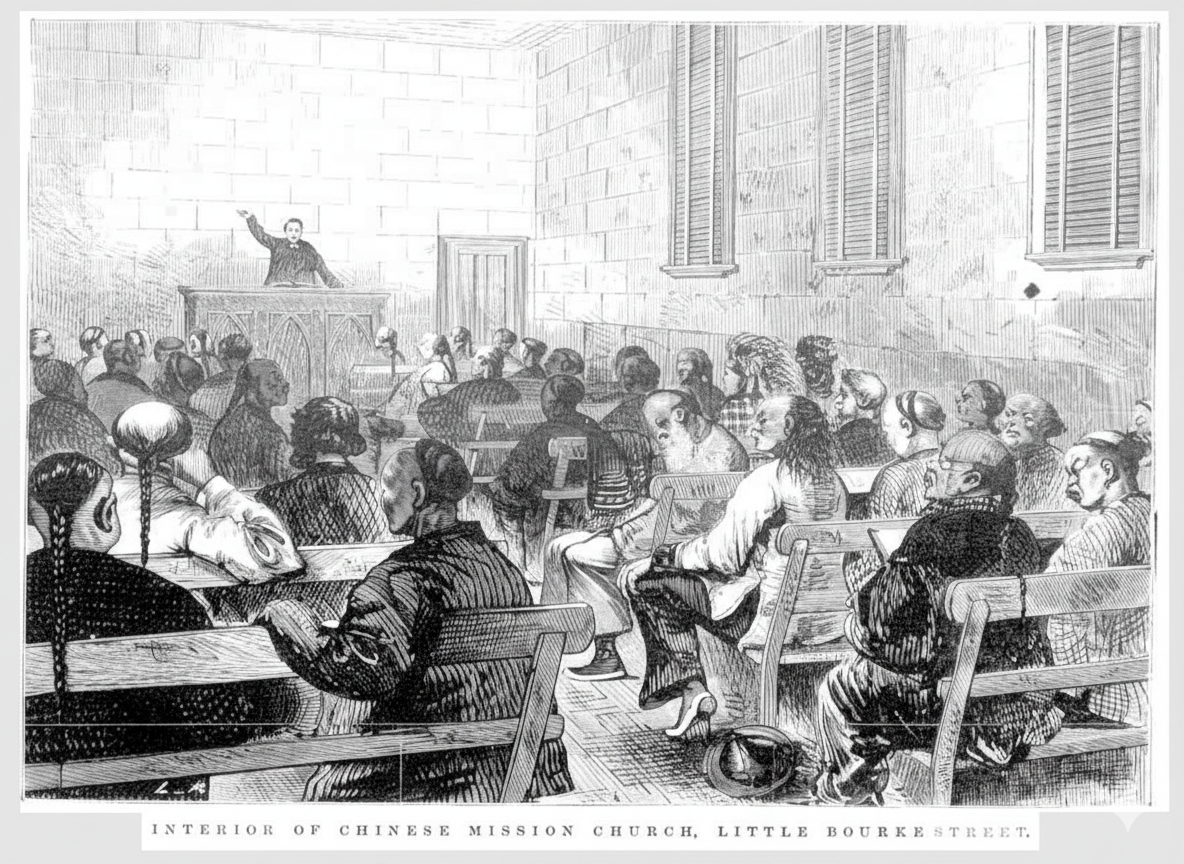
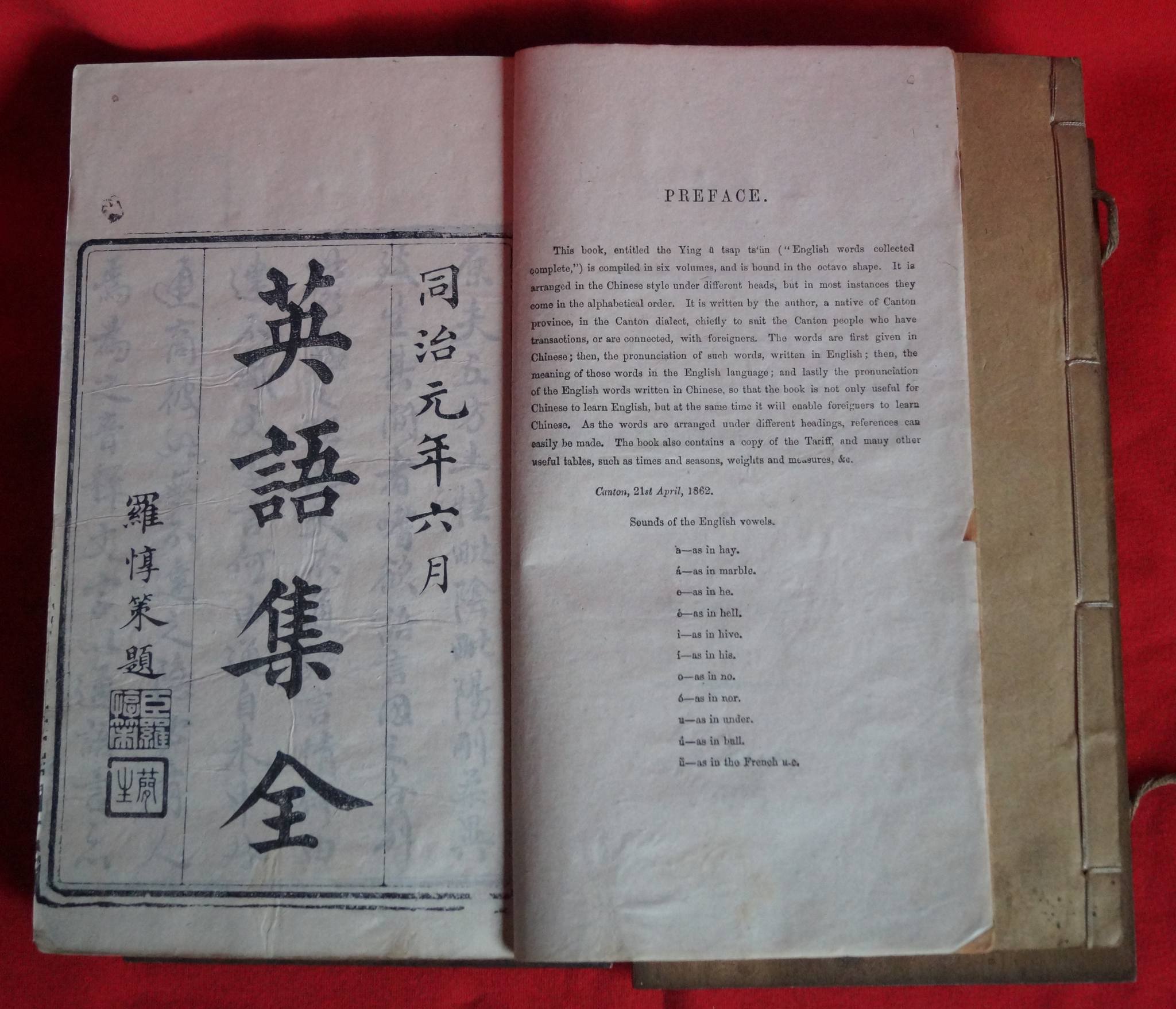
In Australia, education took on additional meanings. Learning English became essential for participation in the wider community and was often linked to Christian mission activity. Churches and missions frequently offered English classes as a means of both language instruction and religious conversion. For many migrants and their descendants, English education symbolised modernity and progress, values increasingly embraced in southern China itself after the abolition of the imperial examinations in 1905. By the 1920s, large school buildings stood in many Pearl River Delta villages, testament to the importance placed on education by families connected to the diaspora.
Yet education also brought its contradictions. As schooling widened horizons and fostered aspirations beyond manual labour, some sons of overseas Chinese families grew reluctant to follow their fathers into the hard physical work of market gardening or laundering. In the 1920s, this dislocation was sometimes linked to social problems such as gambling and opium use. For those brought to Australia, the contrast could be jarring: educated young men who had imagined more refined futures often found themselves thrust into the same labour their fathers had endured. This tension between aspiration and reality formed one of the more paradoxical legacies of education within the broader story of the Chinese diaspora.