Christianity
Date Published
Many Chinese people converted to Christianity after a period in Australia and with a major impact on many levels including business and politics.
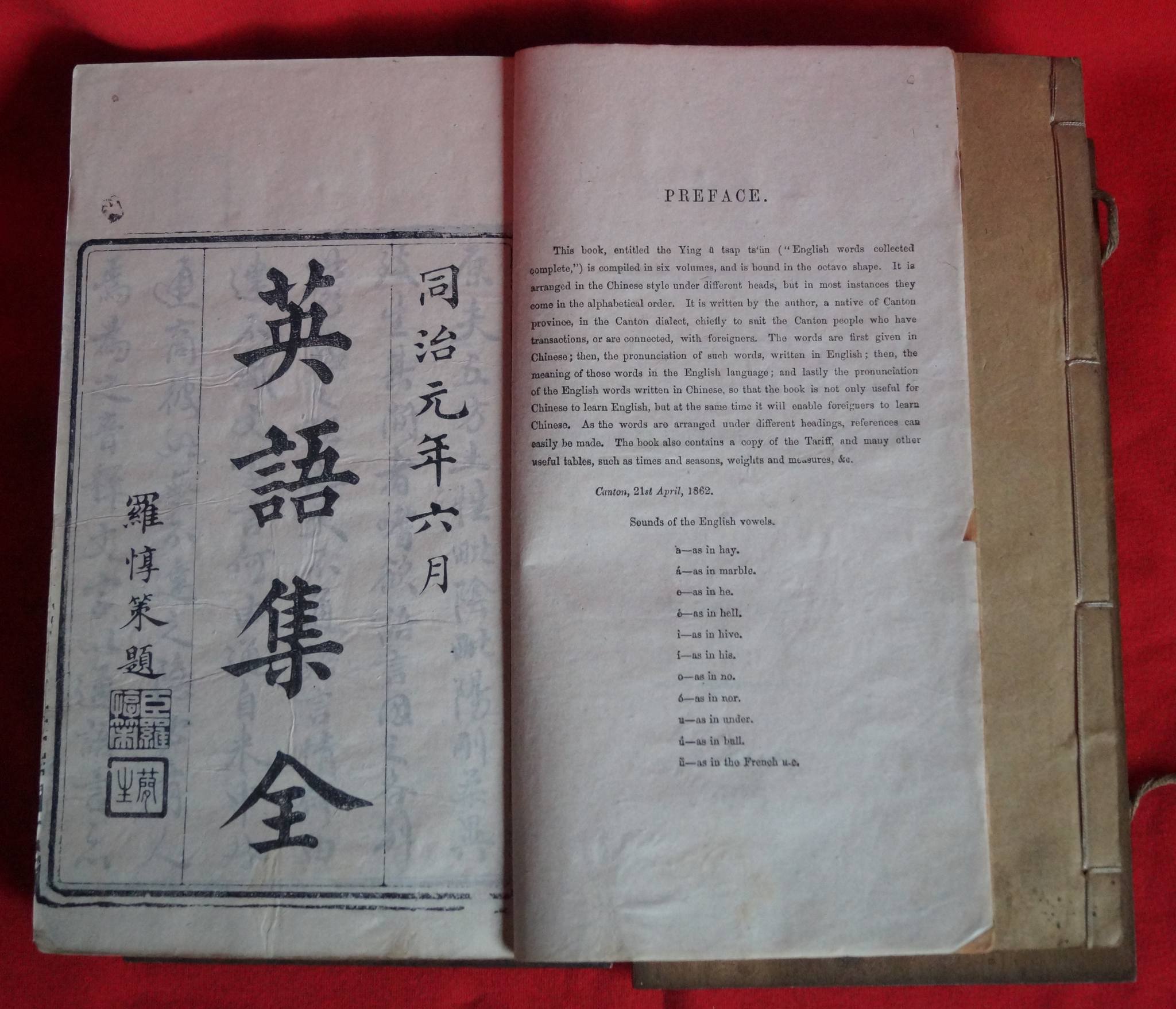
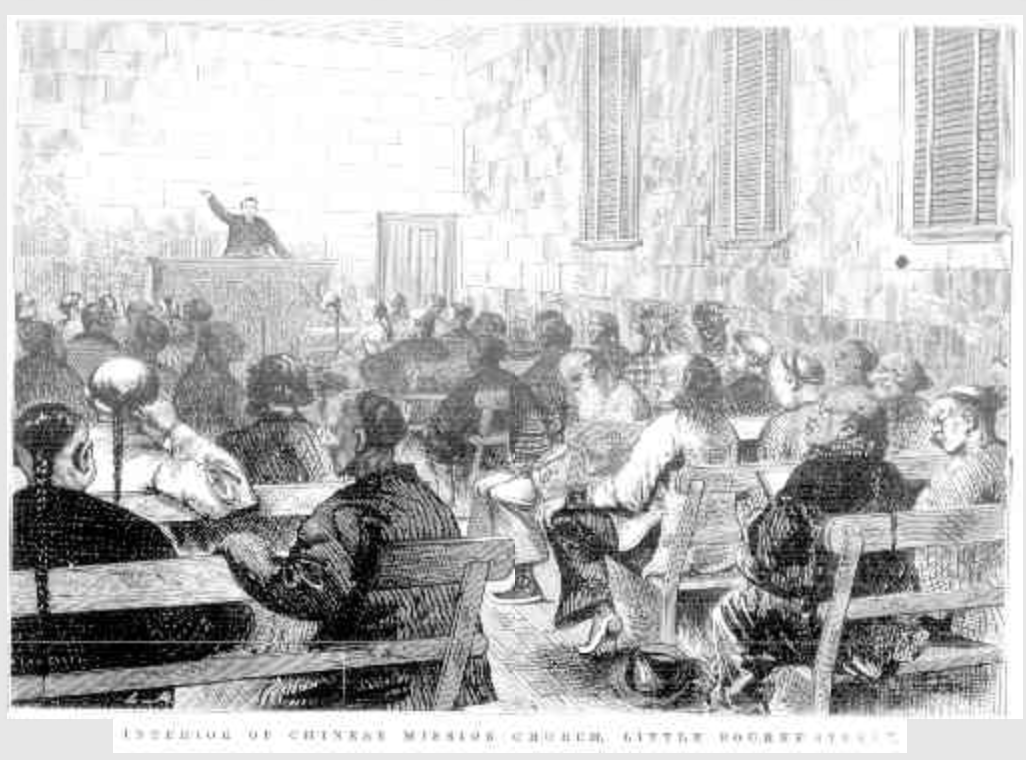
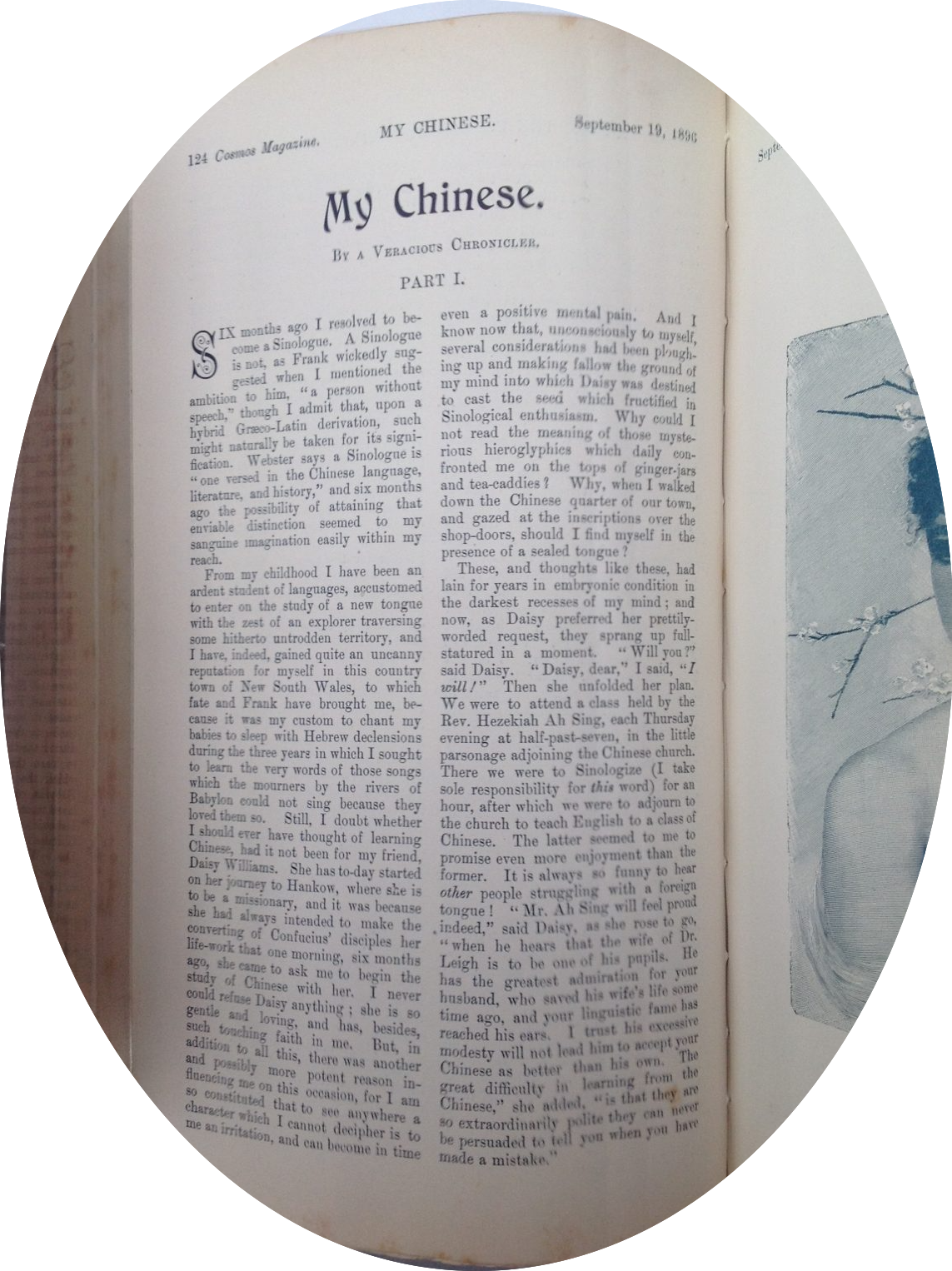
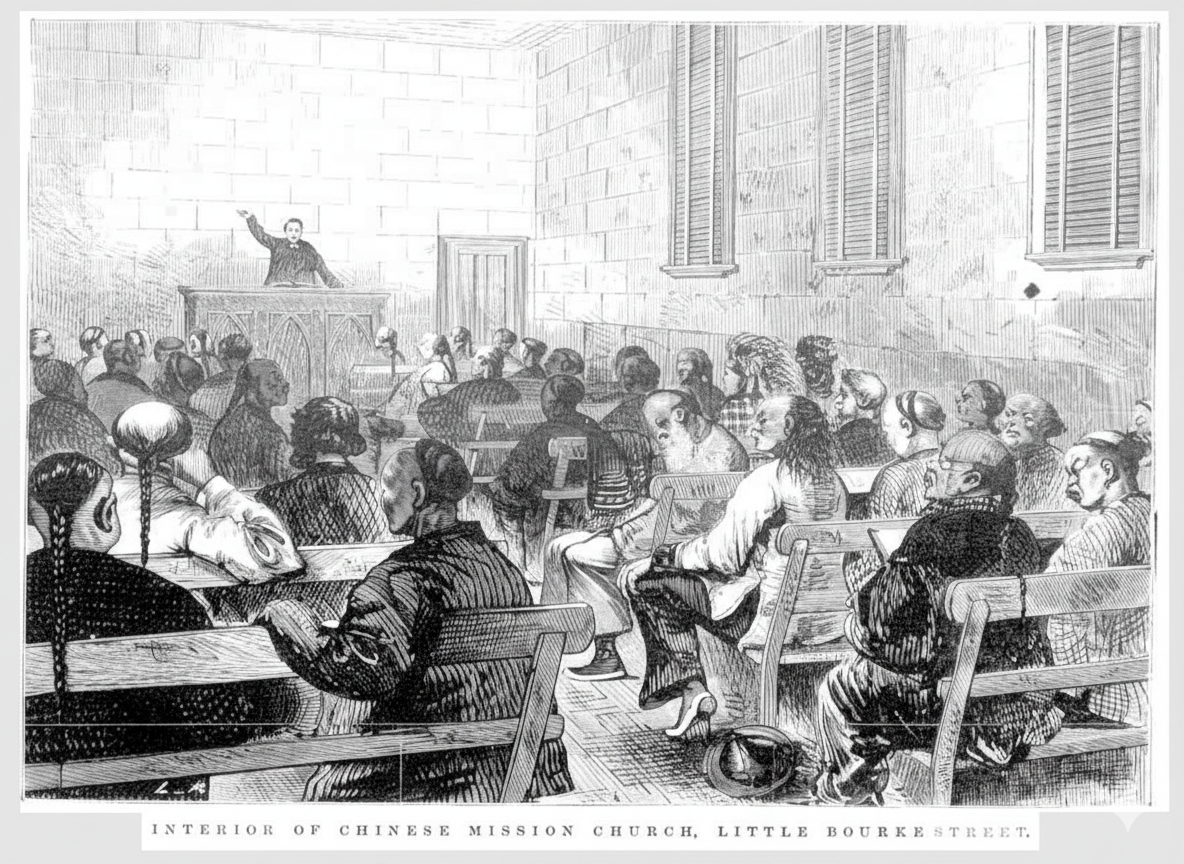
Christianity played a prominent role in Chinese-Australian history. From the mid-nineteenth century, Christian missions and churches often provided English classes to Chinese men. Conversion to Christianity was, for many Chinese migrants, a conscious step towards modernity — a way of aligning themselves with what they perceived as the progressive and civilised aspects of the Western world.
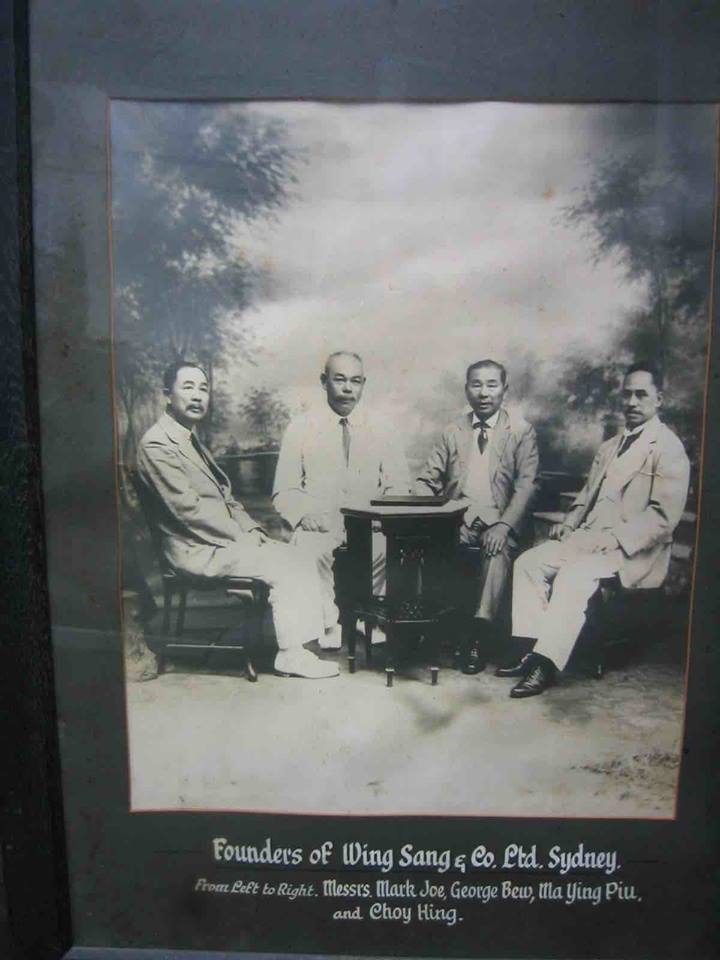
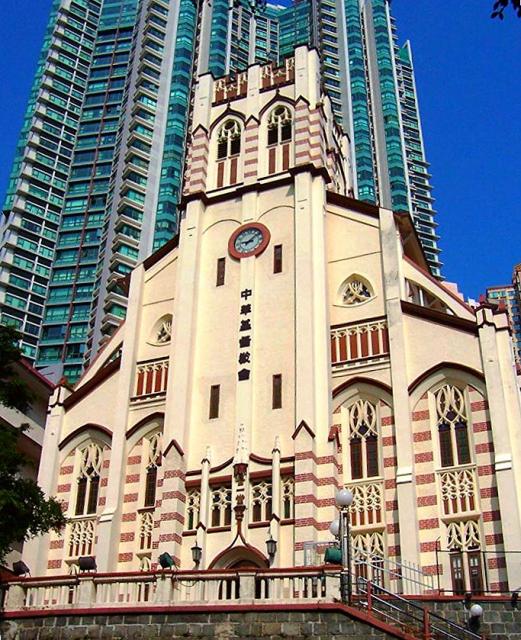
This impulse was particularly evident among the emerging Chinese business elite of the early twentieth century. The founders of the major department store groups — Wing On, Sincere, and others such as the Kwok and Ma families — encouraged staff to convert and actively sponsored churches and schools in their hometowns, especially in Shekki (modern Zhongshan), the capital of Zhongshan County in the Pearl River Delta.
Reports from as early as the 1860s describe the return of remains to China marked explicitly as “Christian burials.” Many Chinese converts became agents of the missions themselves. Figures like Reverend Wai — first active in Victoria and later a leading presence in Sydney.
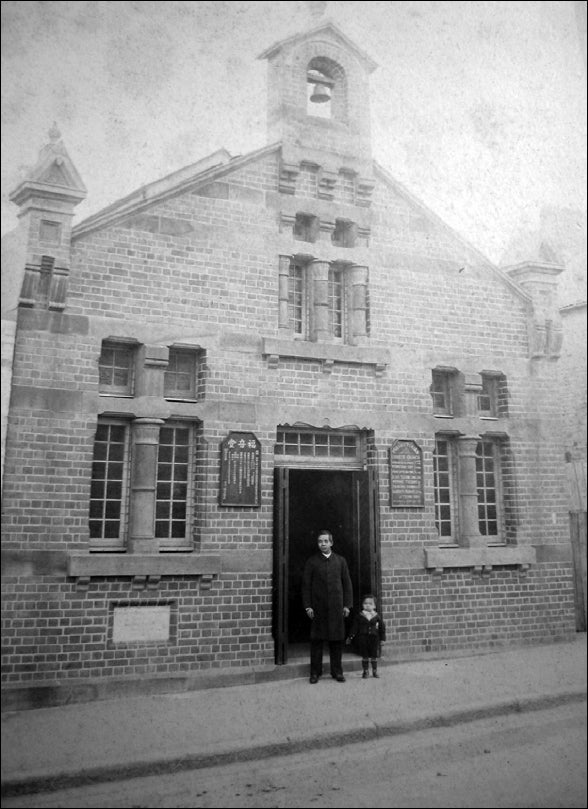
Two Christian Missions in Perth, 1903
https://trove.nla.gov.au/newspaper/article/257700513
"It was Chinese Christian employers, including Louey Pang, who broke the old relationship between Chinese employers and workers after 1904. They devoted themselves to building an alliance between cabinetmakers and their employers. Chinese workers were invited to join new civil associations alongside Christian missionaries, solicitors, freemasons, merchants, journalists and social reformers."
Mei-fen Kuo, Reframing Chinese Labour Rights: Chinese Unionists, Pro-Labour Societies and the Nationalist Movement in Melbourne, 1900–10, Labour History , No. 113 (November 2017), p.142.