
Big Four Department Stores
Date Published
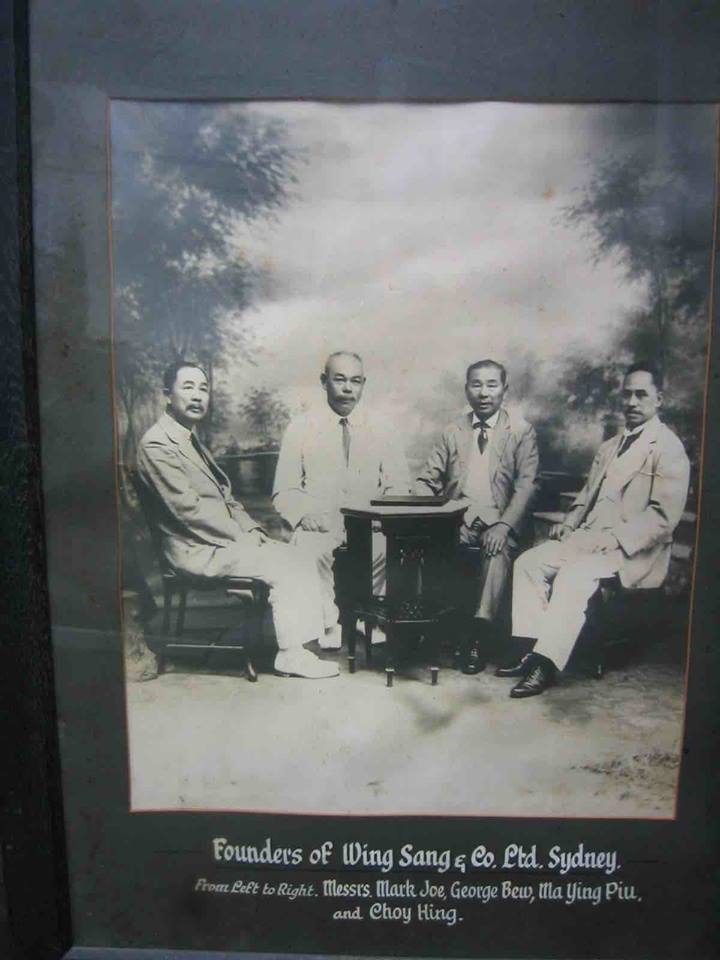
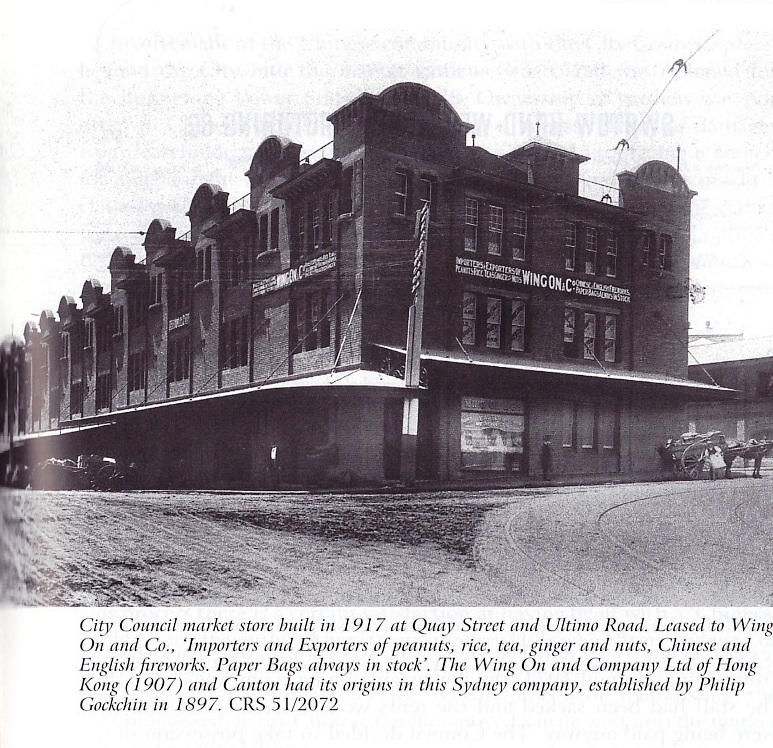
Nanjing Road, Shanghai was once famous for its Big Four Department Stores. All four companies were founded by Chinese Australian originating in Zhongshan and who developed their first businesses in Sydney.
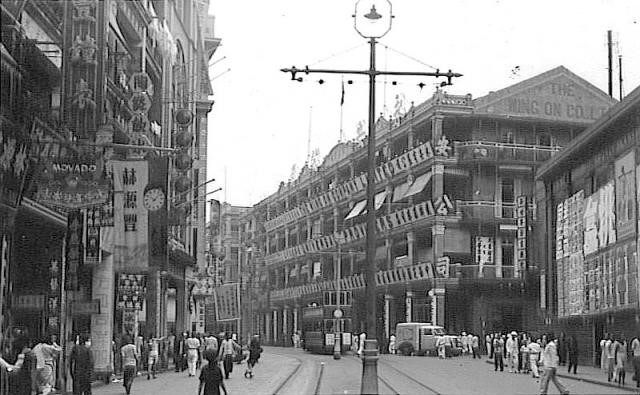
Shanghai today is a city of towering modern buildings but one that has also preserved much of its grand architecture of the first half of the 20th century, much of it in the Art Deco style. After The Bund itself perhaps the best known strip of such Art Deco buildings runs along Nanjing Road East – formerly Bubbling Well Rd. It is along this pedestrian street where the so-called ‘Big Four’ Department Stores are to be found. These were Wing On, Sincere & Co, Da Sun and Sun & Sun. Capital earned in Sydney from the bannana trade with Fijo, Sydney shops and remittance handling was invested at forst in Hong Kong and then Shanghai.
The Big Four Department Stores of Nanjing Rd Shanghai are well known in Chinese Australian history and these department stores in many ways represent only the tip of the interlinking family business empires that included not only stores in Hong Kong, Sydney and the Zhongshan County capital Shekki but family mansions, and in Shanghai in particular textiles factories, and even accommodation built for their workers – often recruited from the home villages of southern China.
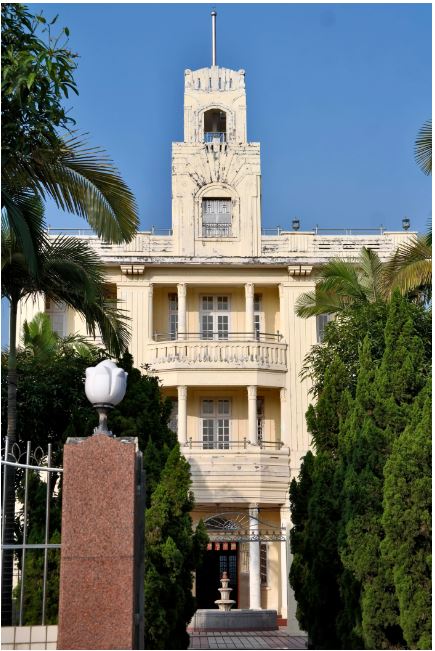
Also, to be found further along this same road are the twin mansions of the Kwok Brothers now occupied by the Shanghai Foreign Affairs Department. These are just two of the many homes the wealthy families of the various department store owners built in Shanghai of the 1930s. This was because Shanghai in this period was not only a wealthy international city and a source of much of their wealth however. Shanghai was also a place – like Hong Kong - where the often Australian-born members of these families could thrive. They were English speaking, often to the detriment of their Chinese language skills, brought up in a modern environment and yet subject to the racism and discrimination of an Australia determined to be ‘white’. The International ‘Concessions’ of the European dominated Shanghai therefore were a place of refugee where they could ‘fit in’ to a greater degree.
Shanghai had grown into a modern metropolis in the first half of the 20th century as a ‘Treaty Port’ that involved not only European colonialists but from the beginning the Cantonese and other language speakers of the Pearl River Delta who had early learned the techniques of dealing and trading with the colonialists. This resulted in a large migration of people from the south to Shanghai. So much so that a major district of Shanghai around Shannxi Rd North was known for its Cantonese predominance. In fact, the predominance was more than simply Cantonese, with the people of the Country of Zhongshan and its district of Long Du and thus Long Du speakers also predominating. All the Big Four founders were from Zhongshan County and many of their fellows followed them to work in Shanghai.
Not all involved in these businesses were wealthy and the founding and of running department stores in Shanghai involved more people than just those with the capital. This of course meant workers and many of those employed by the Big Four were recruited from the same southern area of China – Pearl River Delta – as the founders originated from. One of the Big Four, the Wing On company built specially designed workers housing for its employees in a city section called Wing On Li. Here thousands of small apartments were built along narrow laneways to provide housing for the families of the workers of Wing On & Co. In the 1950s this area of Shanghai was still known for the predominance of its Cantonese speakers.
See also:
Yen Ching-hwang, “Wing On and the Kwok Brothers: a case study of pre-war Chinese entrepreneurs” in Kerrie L. MacPherson, Asian Department Stores, Curzon, 1998, pp.34-47.
For an excellent oral history revealing some of this Shanghai life of Chinese Australians see South Flows the Pearl by Mavis Gock Yen (Eds, Siaoman Yen & Richard Horsburgh).
%2C%20Wing%20On%20Co%20Ltd%2C%20Hong%20Kong.jpg?2025-07-10T07:48:26.362Z)
.jpg?2025-10-05T22:57:41.483Z)