Gaol, Normanton
Date Published
: gaol, Poll Tax, legal restictions, discrimination / racism, heritage
: Gulf Country (Qld & NT)
: Normanton
: 1880 to 1945
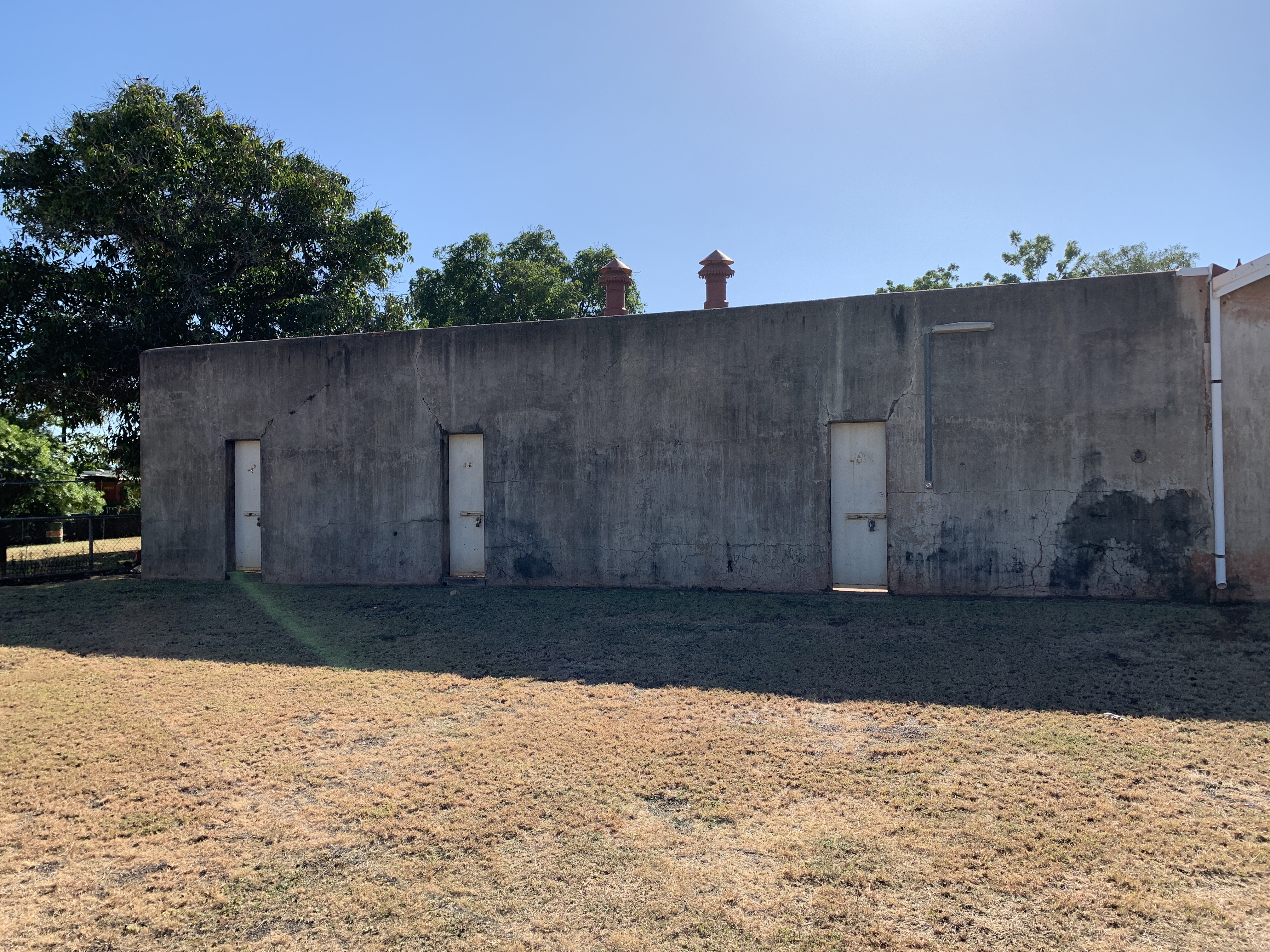
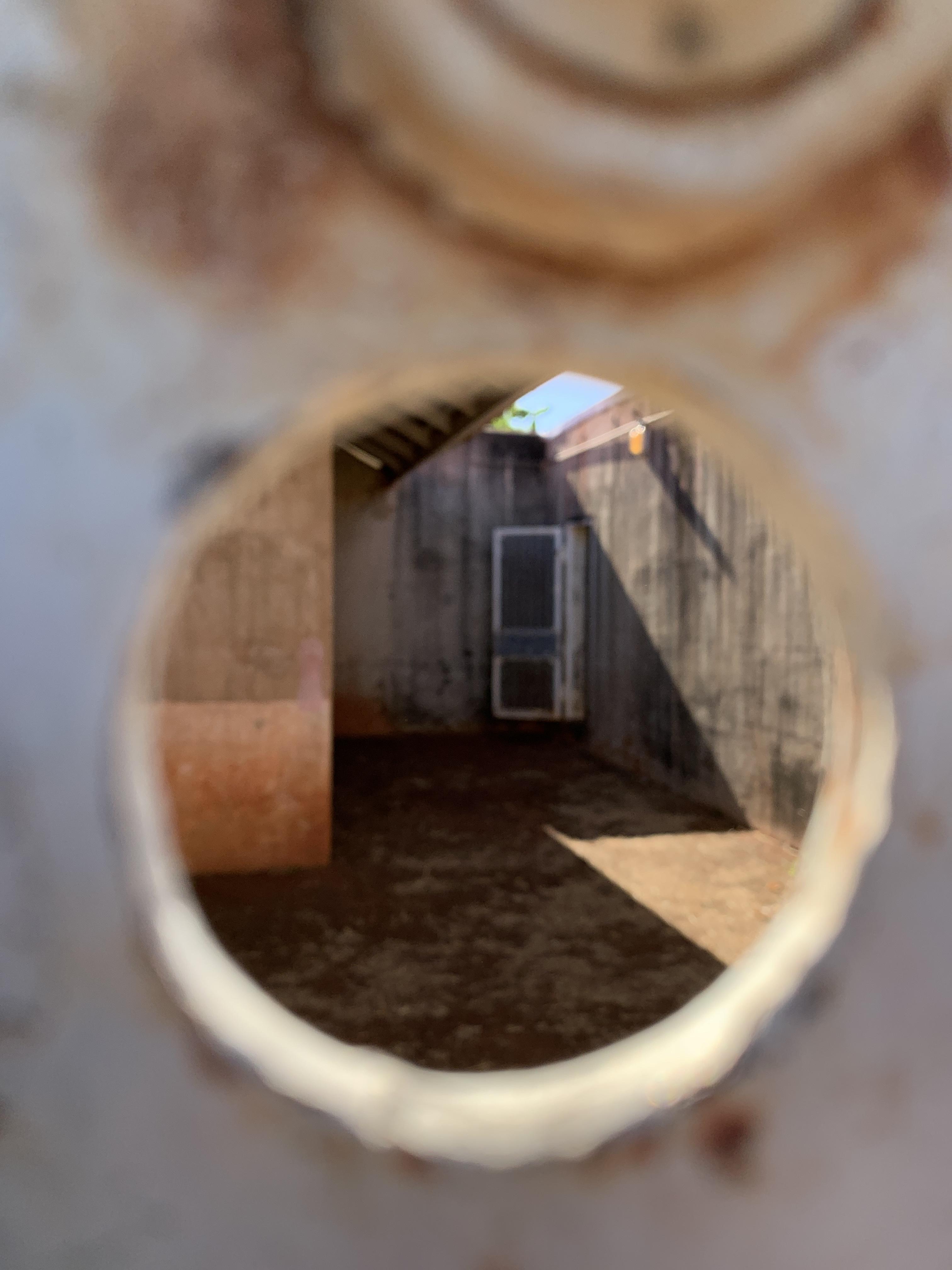
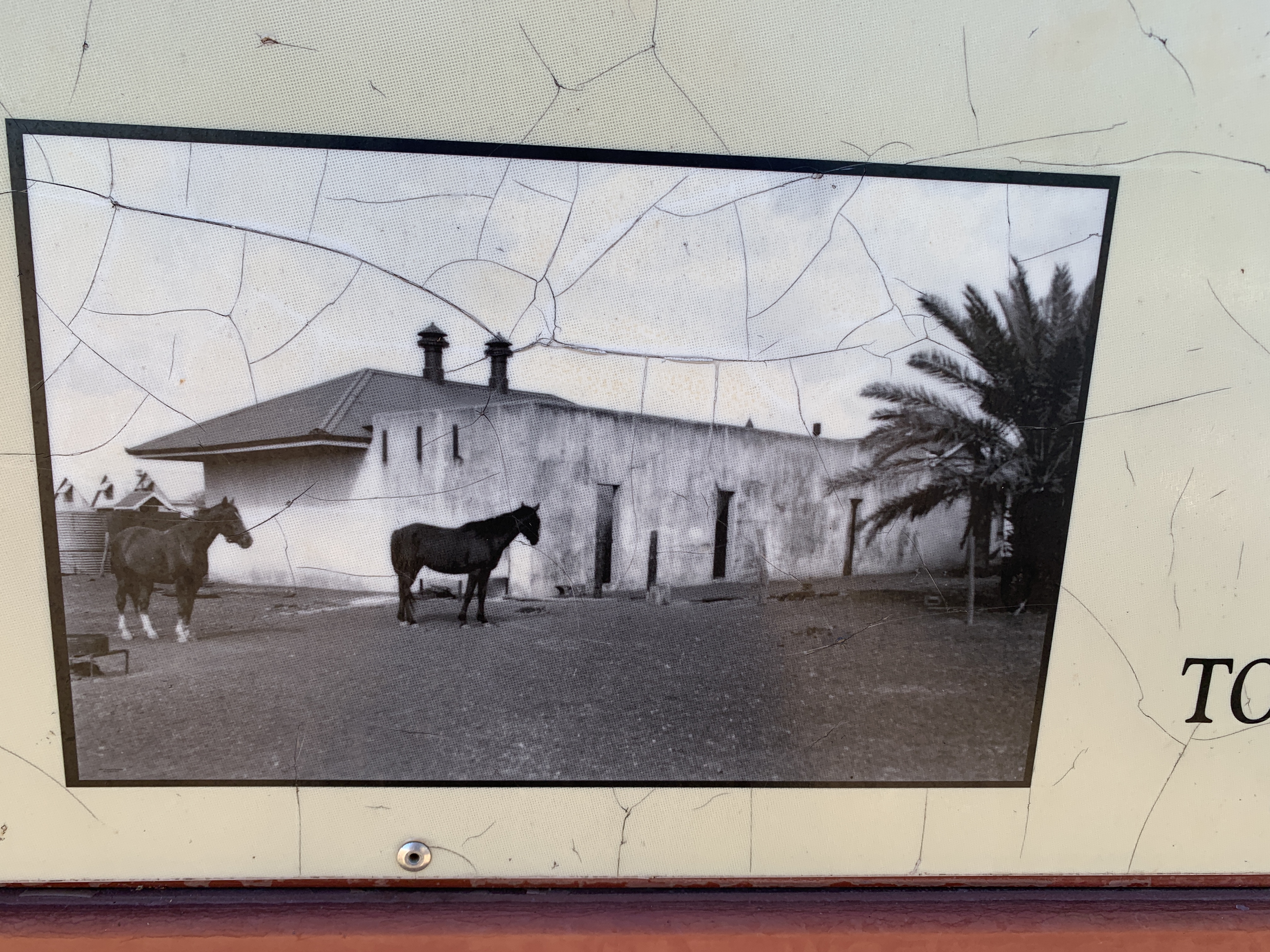
Normanton gaol where many Chinese men who attempted to cross into Queensland were kept.
Normanton gaol
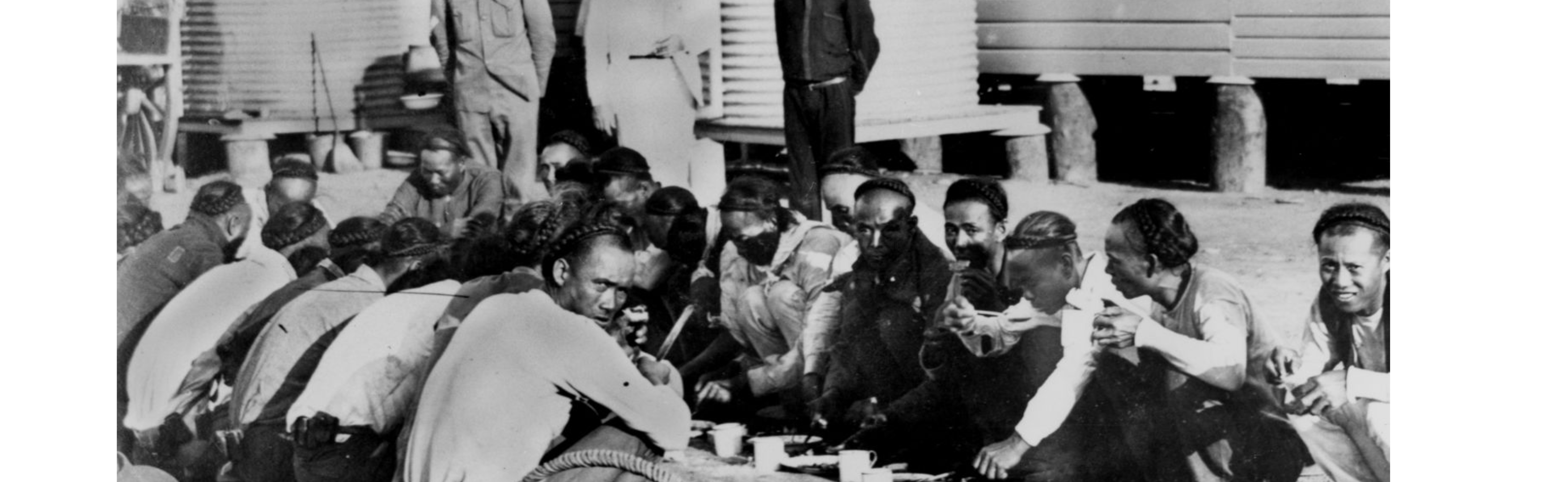
Under South Australia the Northern Territory had a relatively large Chinese population. However after 1888 Queensland had enacted a poll tax similar to those in other colonies. This meant that Chinese people could not cross into Queensland with paying the tax. Many however attempted to walk across the border and those arrested near Burketown were take to Normanton Goal at first.
"... large numbers of Chinese men and others from a wide variety of backgrounds also came to the Gulf Country after colonisation." "[they] came to northern Australia following the discovery of gold around the Palmer River in northeast Queensland and at Pine Creek in the Northern Territory in the 1870s. By the late nineteenth century, it is estimated that Chinese people outnumbered those of European ancestry north of the tropic of Capricorn."
Chinese migration into Queensland’s Gulf Country probably peaked in the early 1890s, just before the institution of the Chinese Immigration Restriction Act 1891 (Qld). This law aimed to prevent the arrival of Chinese through the introduction of a £10 poll tax—an amount equivalent to six months’ wages for an average worker at the time. For a Chinese person to legally emigrate from the Northern Territory to Queensland in this period, it would have cost this tax in addition to the cost of a steamer from Darwin to Townsville, which was £5 in 1898—a prohibitive expense.
To avoid this cost, many Chinese attempted to walk overland to Queensland, mostly following the coastal track through the southern Gulf Country that Leichhardt pioneered in the 1840s. This route, some 1780 kilometres from Darwin to Burketown, is estimated to have taken about three months to traverse. Many of those who attempted it were arrested as soon as they arrived in Queensland, either by police at Turn Off Lagoon (some 60 kilometres from the Northern Territory– Queensland border) or Happy Creek (near Camooweal, for those who sought a more southerly route)."
"However, others managed to evade arrest and remain in the Gulf Country at this time, and for a long time thereafter, coming to live on the fringes of Burketown at Woods Lake and Hookeys Lagoon, as well as on stations and around mines. While living separately from other Australians, many of these men became close to Aboriginal people, conceiving children with Aboriginal wives..."
Richard J. Martin, The Gulf Country : The Story of People and Place in Outback Queensland, Sydney: Allen & Unwin, 2019, pp.107-108.
Normanton gaol
Normanton gaol