Brocks Creek Chinatown
Date Published
: Camps, Chinatown
: Northern Territory
: Brocks Creek
: c.1880 to c.1900
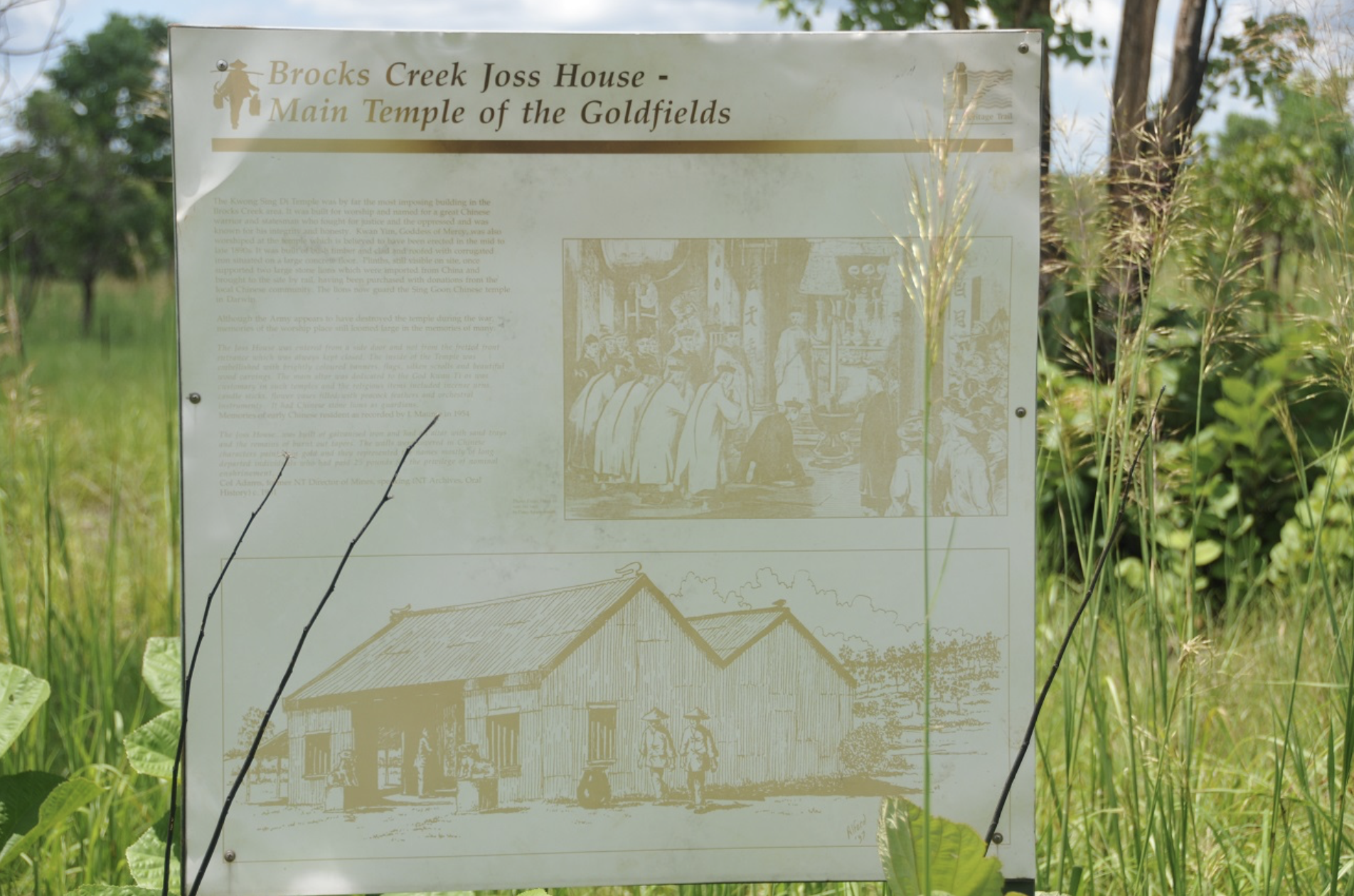
Brocks Creek Joss House heritage sign
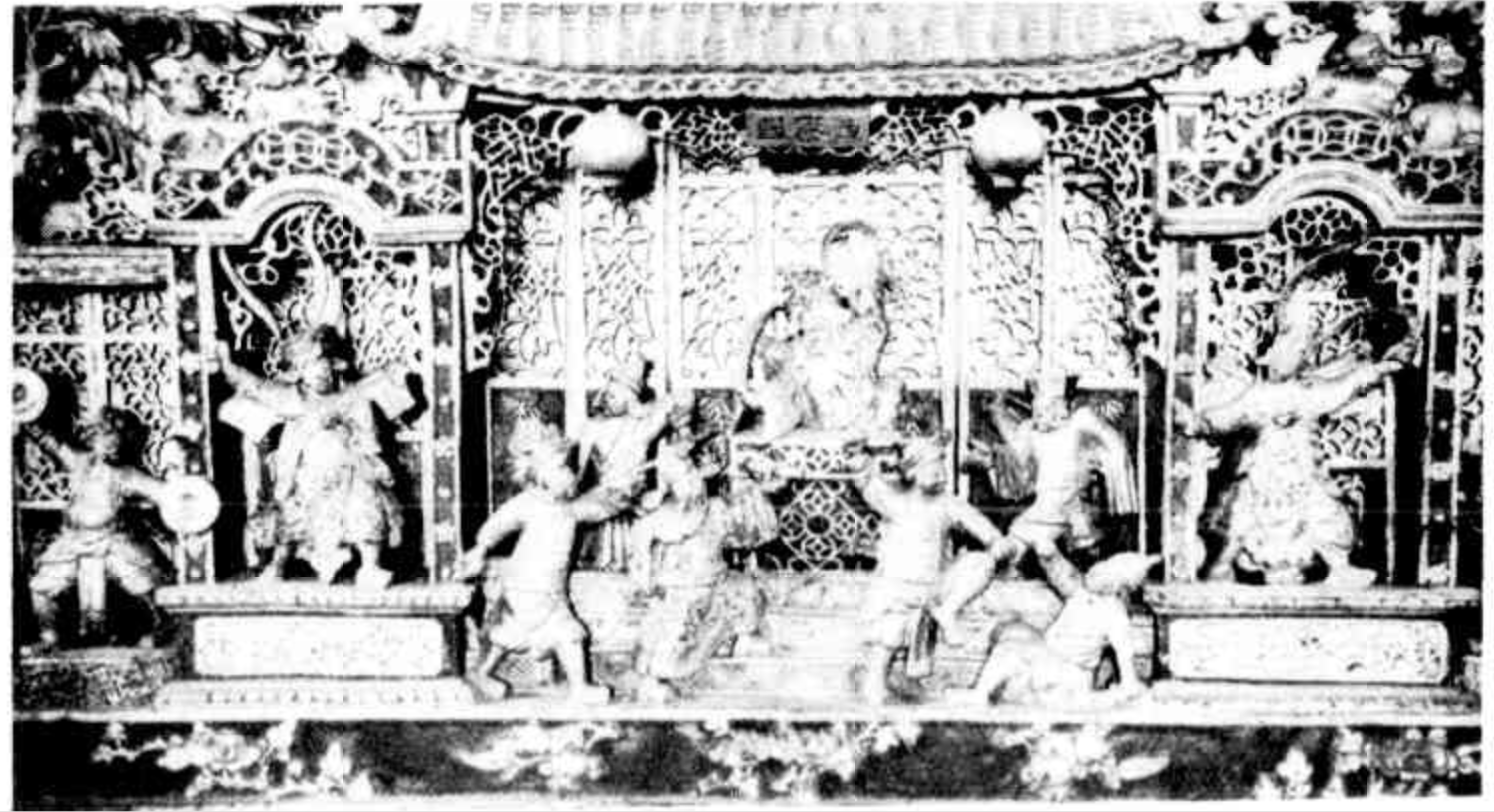
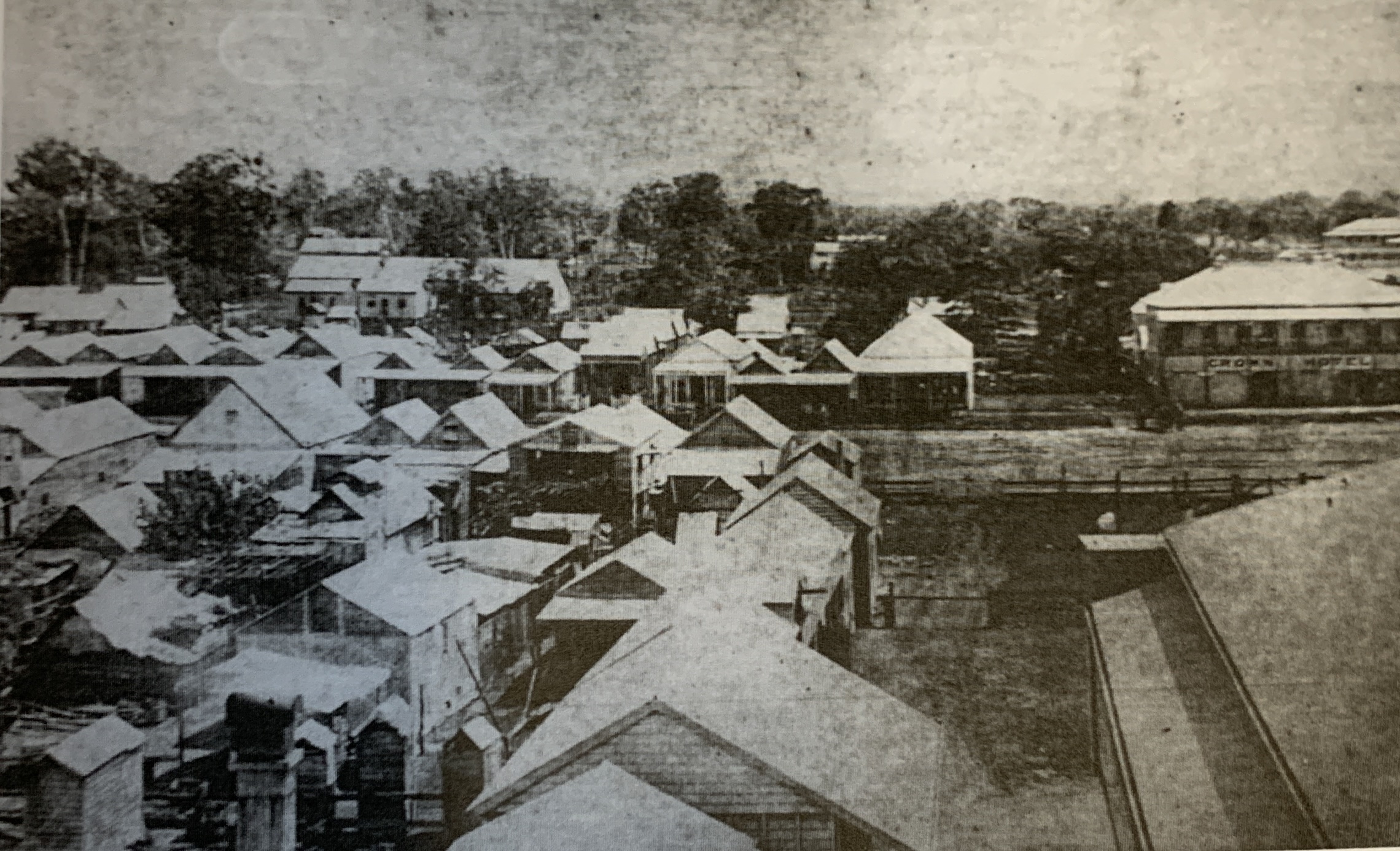
Brock's Creek Chinatown was the largest settlement of Chinese in the Northern Territory reaching its peak in 1886 at a population of approximately 400. It is associated with the most important mining area in the Top End. Between 1894-1897 the Chinese Temple was constructed to worship Kwan Sing Di, a great warrior, statesman and fighter for justice and the oppressed and also Kwan Yim the Goddess of Mercy. The community was a prosperous one, as evidenced by the range of commerical businesses operating during the 1880s and 1890s which serviced the many miners in the township. Written evidence also indicates the prosperity of the township in relation to the decoration and size of the Temple and the commissioning of two stone lions which stood outside the Temple and which are now located outside the Chinese Temple in Darwin. The sites are of high historic and cultural value as they contain fabric of the former Chinese structures together with extensive artefact scatters which contain surprisingly intact examples of ceramic jars and bottles. The site has acquired social and cultural significance as the location of the largest in situ Chinese population in the Northern Territory during the 1880s and the 1890s and as a major centre of commerce and worship for the former Chinese community in the area.
Source: Heritage Council, NT http://www.ntlis.nt.gov.au/heritageregister/f?p=103:303::::NO:P303_PLACE_ID:23#
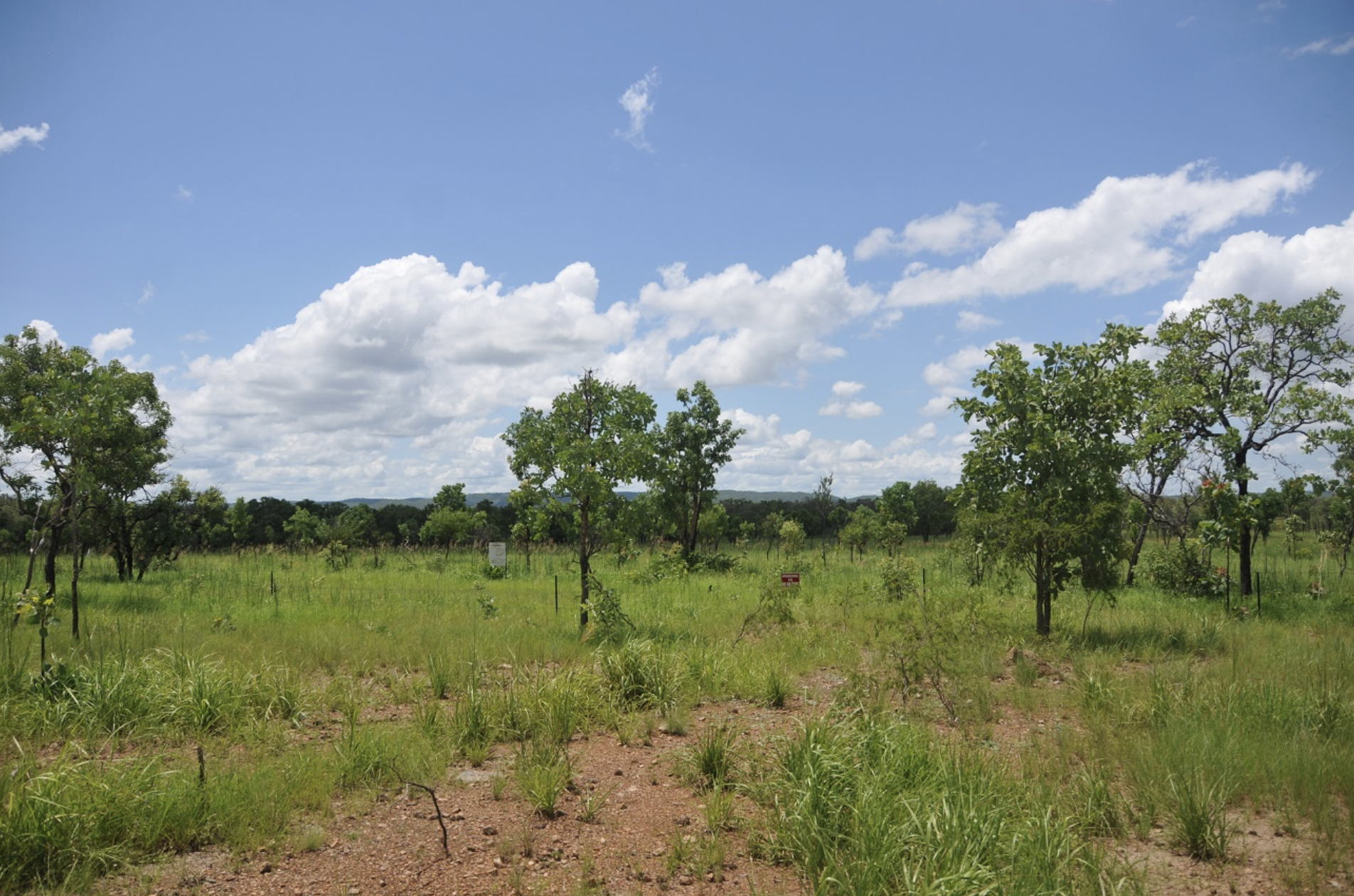
This site is characterised by a large number of structural remains and diverse artefact assemblage. Brocks Creek Chinatown contains terraced rock and earth floors, rock hearths, other raised hearths, temple foundations, iron and concrete fireplace, ships tanks and associated artefacts including tins, wire, nails, corrugated galvanised iron, glass, machinery fragments, Chinese porcelain and stoneware. The site also contains a large Chinese oven, about 2m high, constructed of stone mortared with termite nest material and lined on the inside with clay.
Source: Heritage Council, NT http://www.ntlis.nt.gov.au/heritageregister/f?p=103:303::::NO:P303_PLACE_ID:23#