Qing China
Date Published
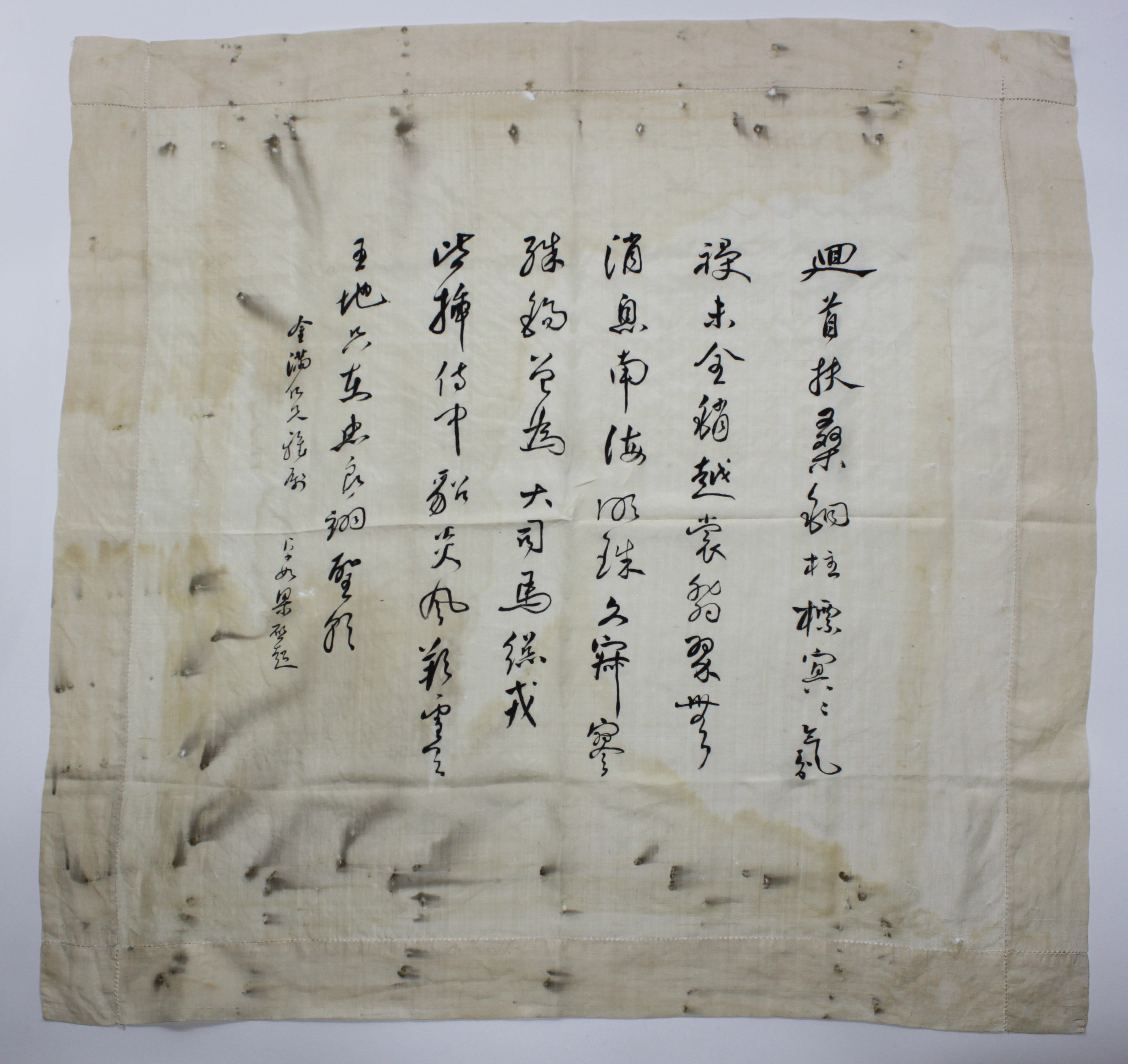
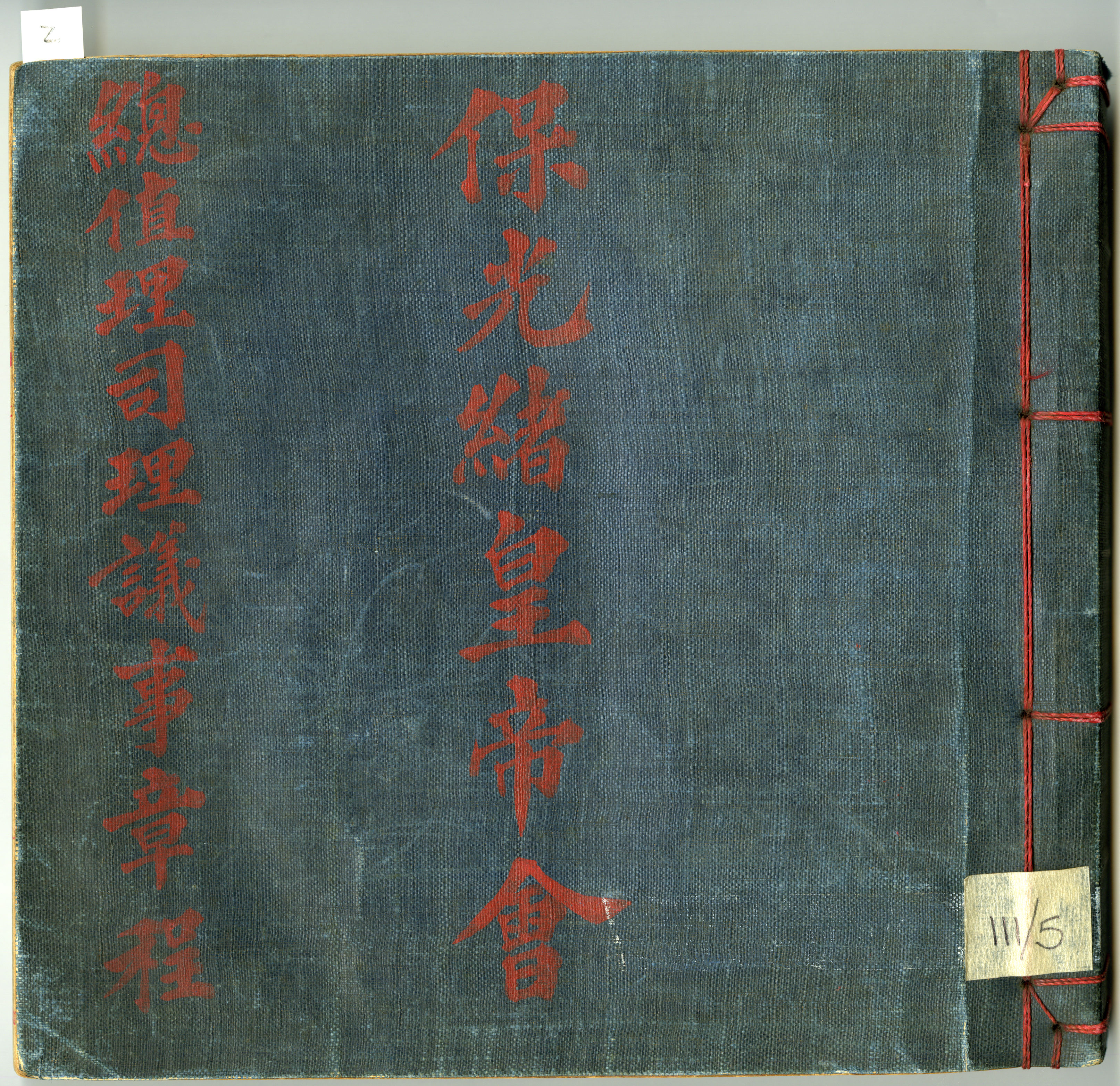
Until 1911 the Manchu ruled China under a dynasty known as the Qing.
For most Chinese people coming to Australia in the 19th century the land they came from was referred to as the land of the Tang - a previous Chinese dynasty with a unifying cultural rather than political meaning. Today the term Han serves the same purpose. The state or government they would have recognised as the foreign, that is non-Chinese Manchu and this was often referred to as "Da Qing Guo" or Land of the Great Qing - as the then ruling Manchu dynasty called itself.
This meant that most people identified themselves as of a particular family, village or district and only then as subjects of the Qing. As the 19th century progressed the perception of the Qing as both weak and foreign grew and political reform movements arose that either wished to make the Qing into a constitutional monarchy on the British model (the British Empire being then perceived as strong) or a republican movement that sought to overthrow that Manchu and establish a Chinese dominated government. This last included racist and nationalist elements that saw many Manchu people killed in the aftermath of the 1911 revolution.
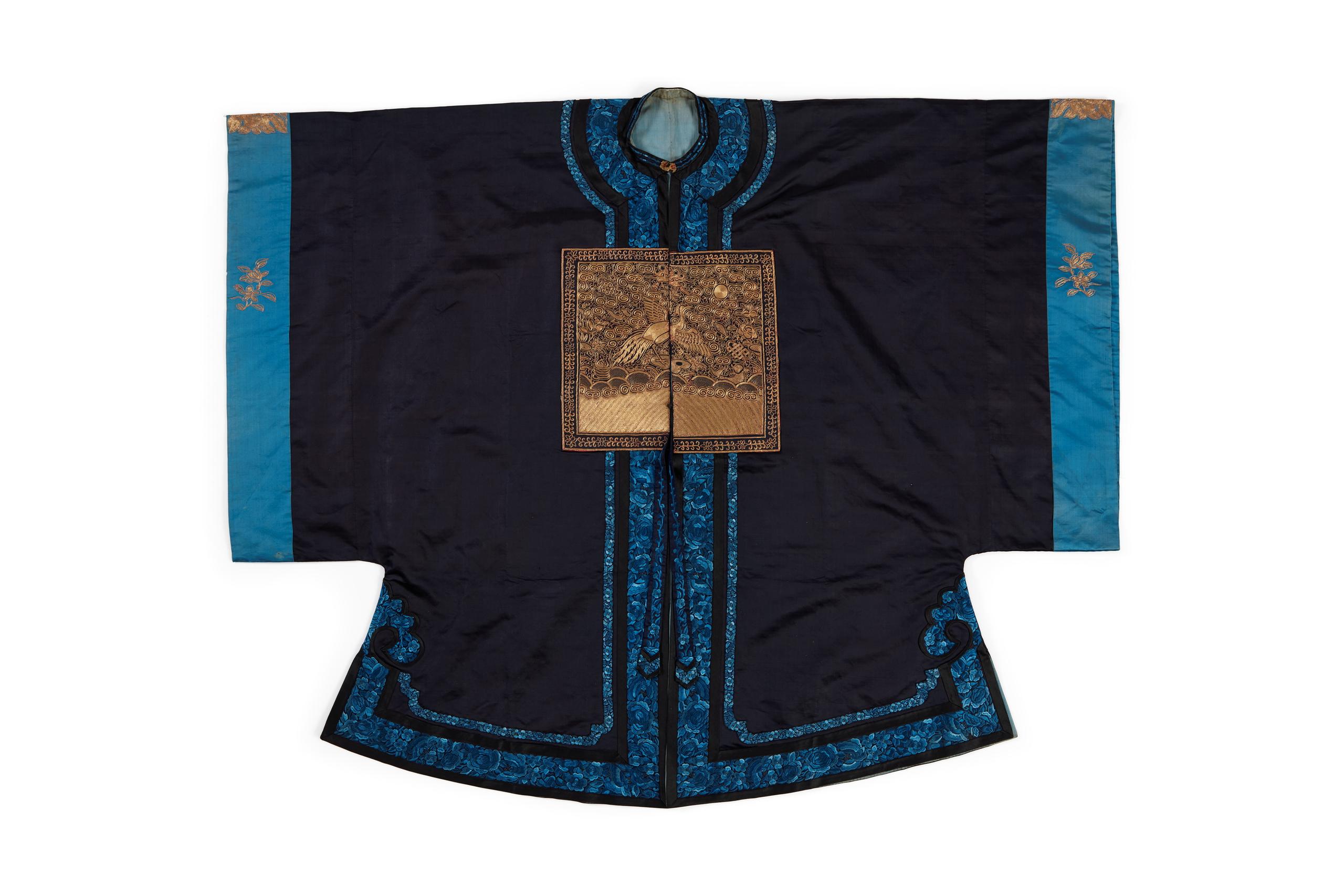
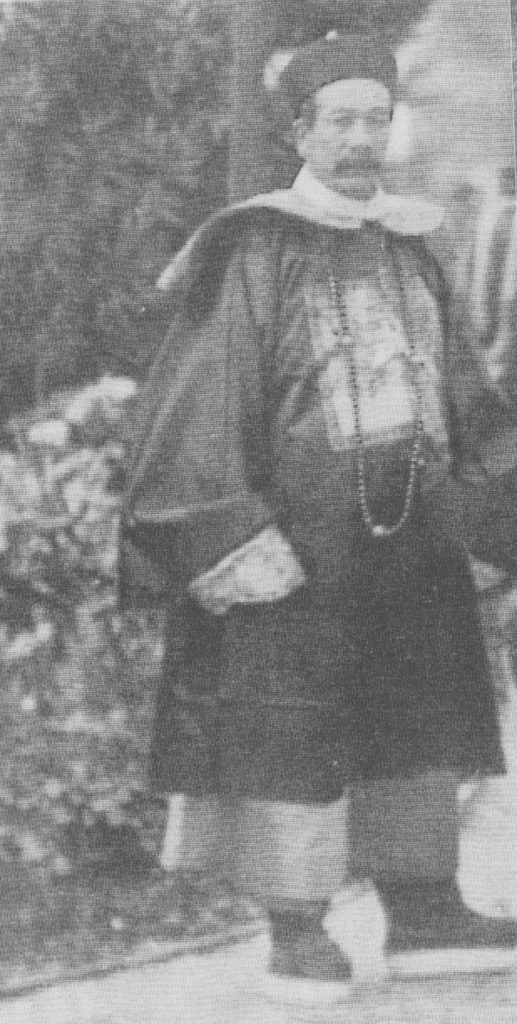
While the Qing ruled however they did participate in the growing Chinese diaspora. Imperial Commissioners were sent out, including to Australia as were consuls, at first to London and then to Australia itself. In fact the first Qing consul to Australia also became the first Republic of China consul. Another aspect of Qing interaction with the overseas Chinese was the selling of Mandarin Honours. This was seen as a money making exercise by the Qing and as an enhancement of their prestige by the merchants who purchased these official ranks. Such merchants can often be seen wearing their Mandarin robes In photographs of the turn of the 20th century.