Languages and dialects
Date Published
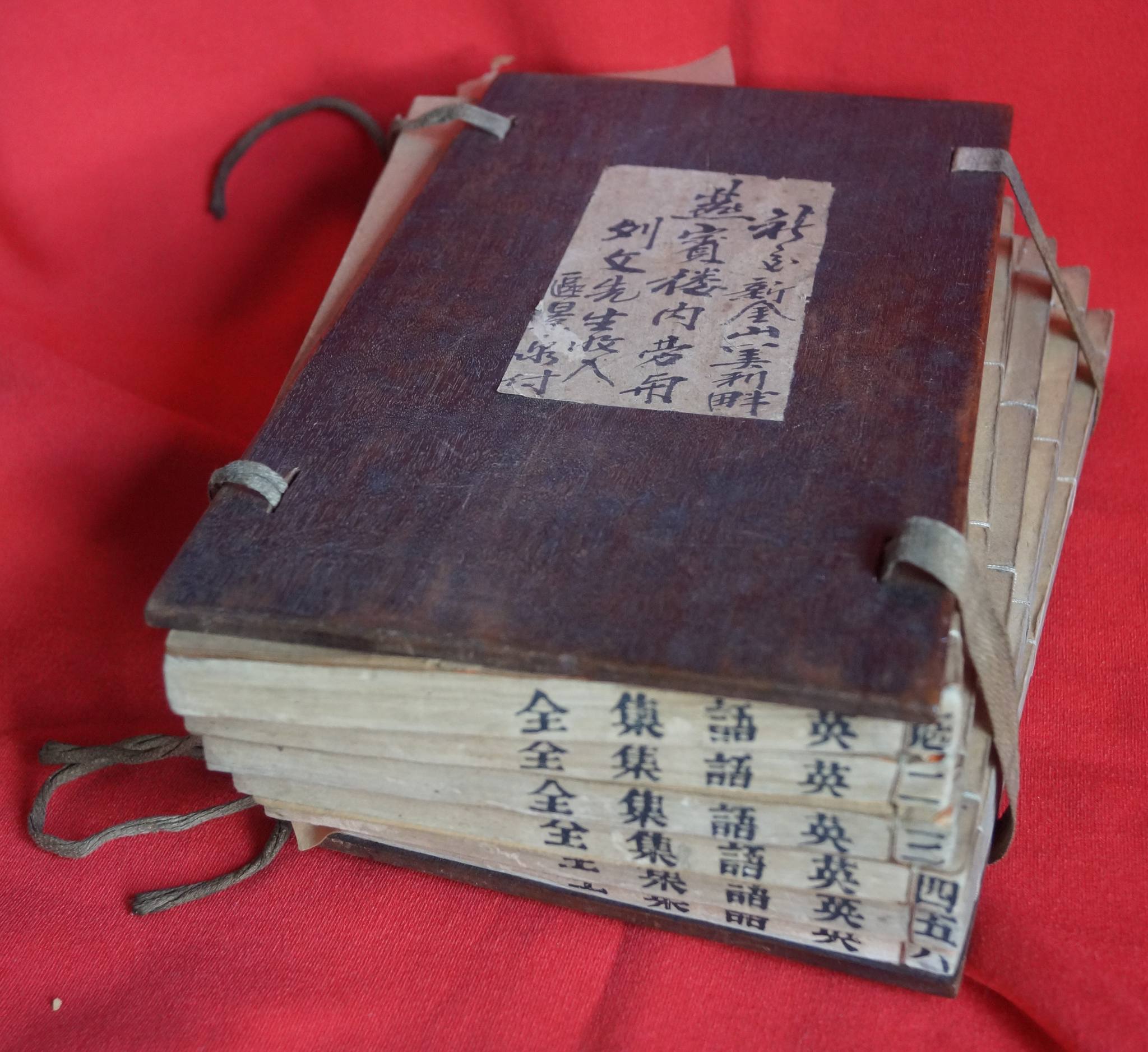
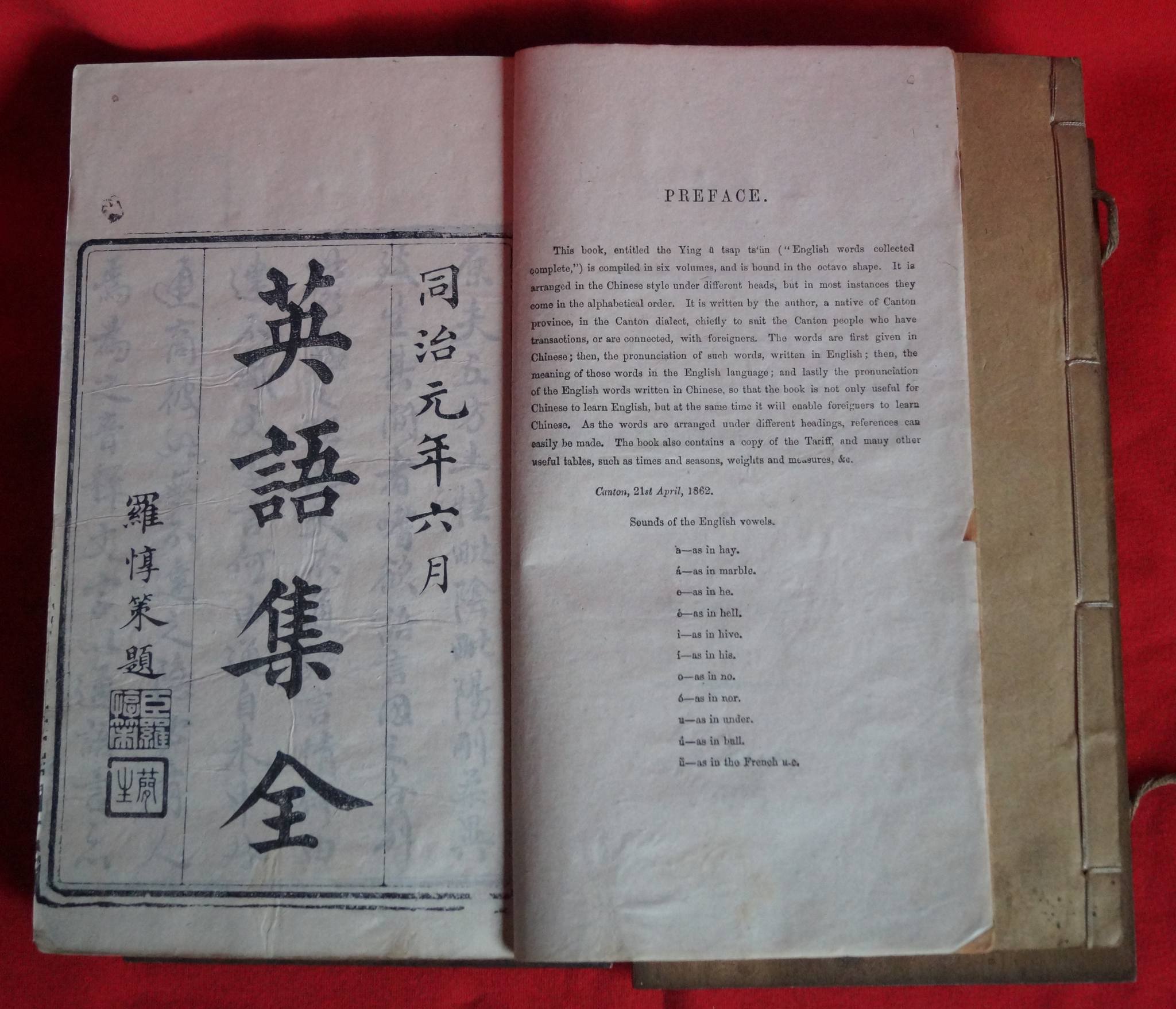
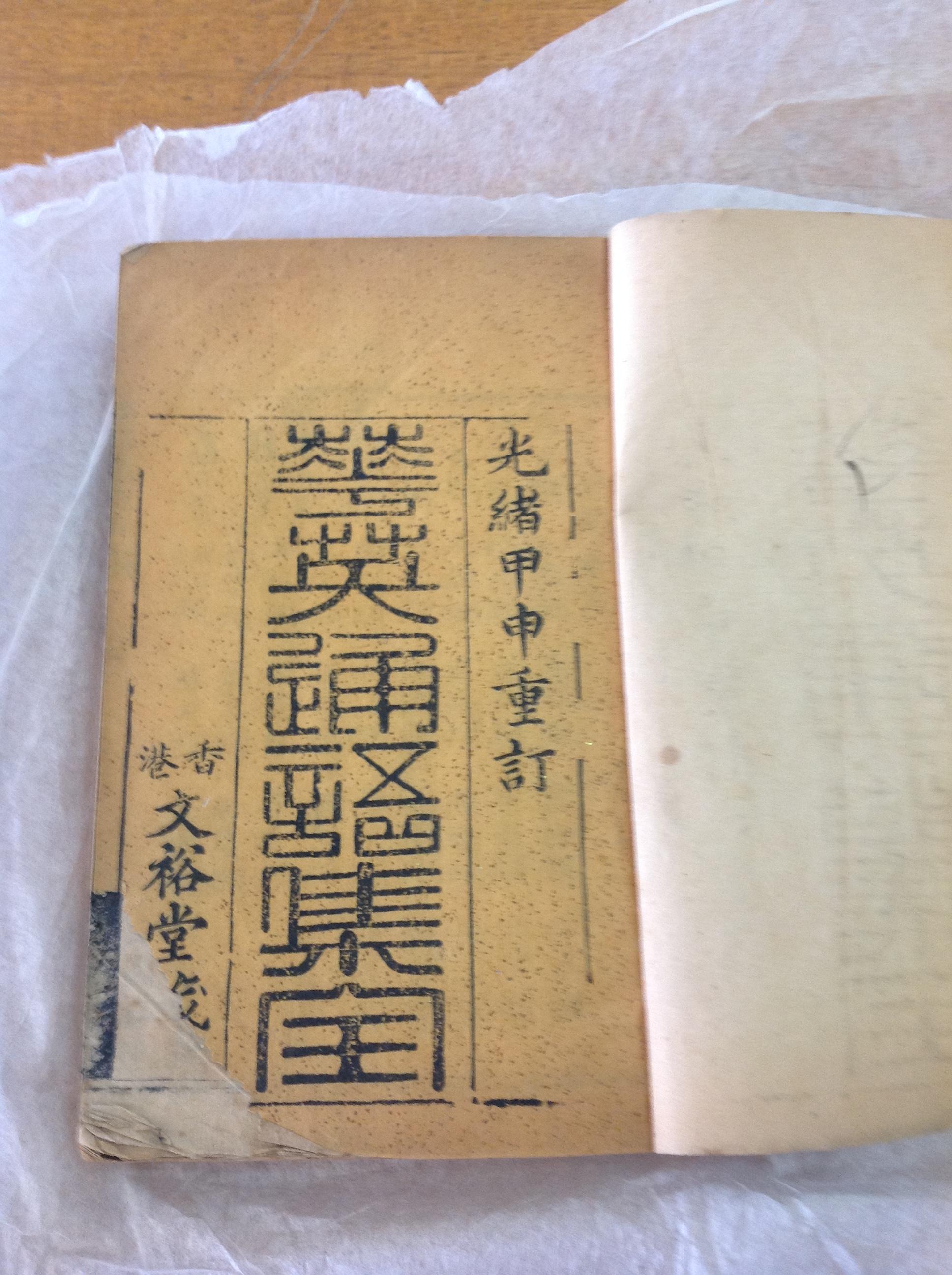
Many languages and dialects were common - districts, interpreters, self-identification.
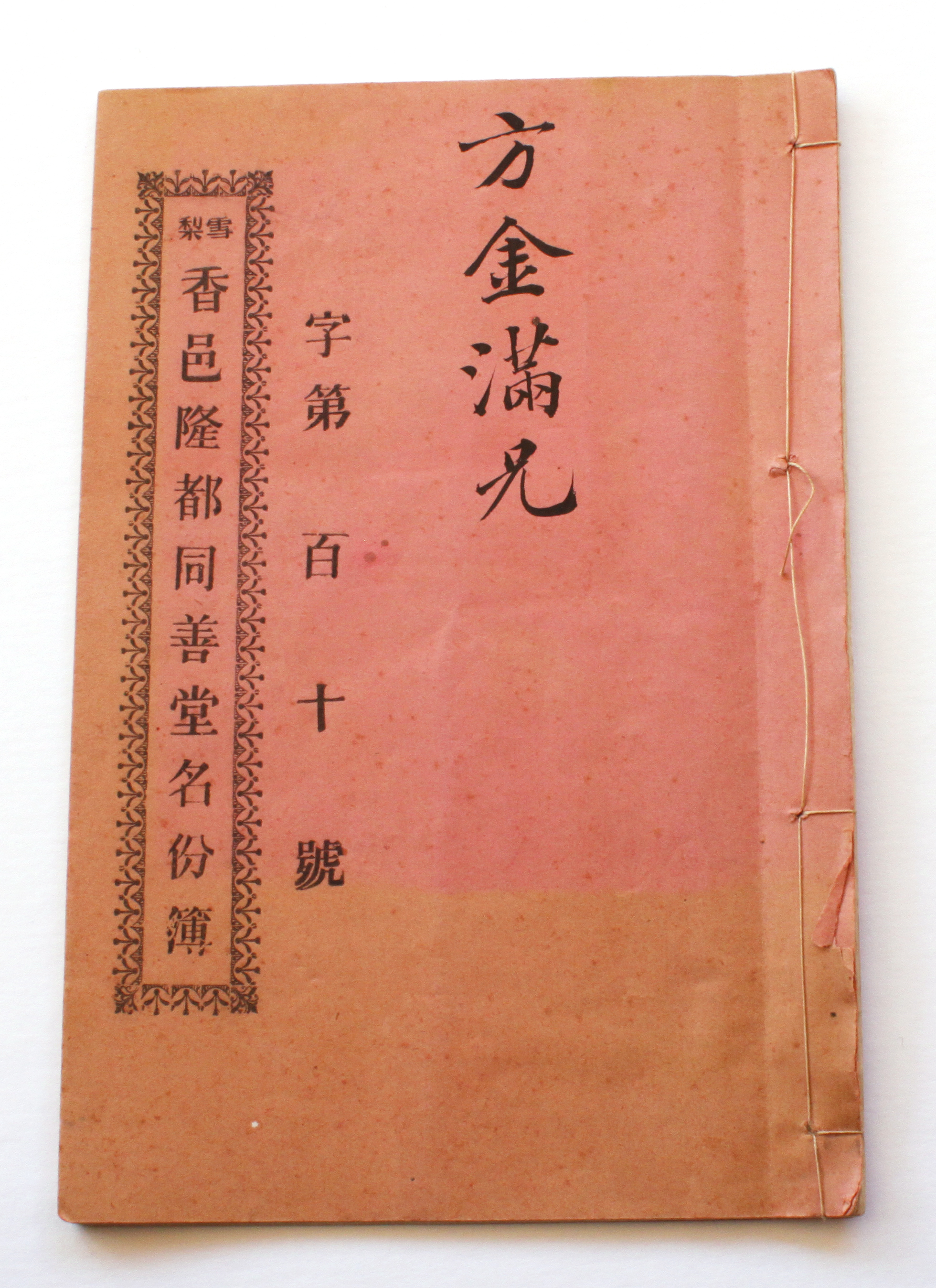
Perhaps one of the most significant differences between the Chinese community and the majority population was, of course, their languages. Europeans tended to regard all Chinese people as speaking a single language—“Chinese”—a misconception that persists to some degree even today. In reality, China comprises a number of languages rather than merely dialects. In the Pearl River Delta region, most were Cantonese-related but with many distinct forms, including the separate Taishan (or Taishanese) language. Even within small areas, such as Longdu in Zhongshan County, people spoke a unique local tongue. These linguistic distinctions shaped not only individual identity but also social and commercial organisation: they determined which societies one joined, which stores one patronised, and, most importantly, the channels through which remittances were sent back to home villages.
This linguistic diversity also created a practical need for interpreters, especially in the colonial court system, where communication could otherwise prove impossible. Language was thus central both to internal cohesion and to interaction with the wider Australian community. English, in time, became a bridging language—not only between Chinese and Europeans but also among different Chinese groups themselves. The sharpest linguistic divide was between the Amoy men and those from the Pearl River Delta, yet even within the Delta, differences were often profound, sometimes leading to rivalry and conflict, but also compelling careful negotiation of identity and cooperation.
Stephen Li's dictionary: https://www.taishandict.com