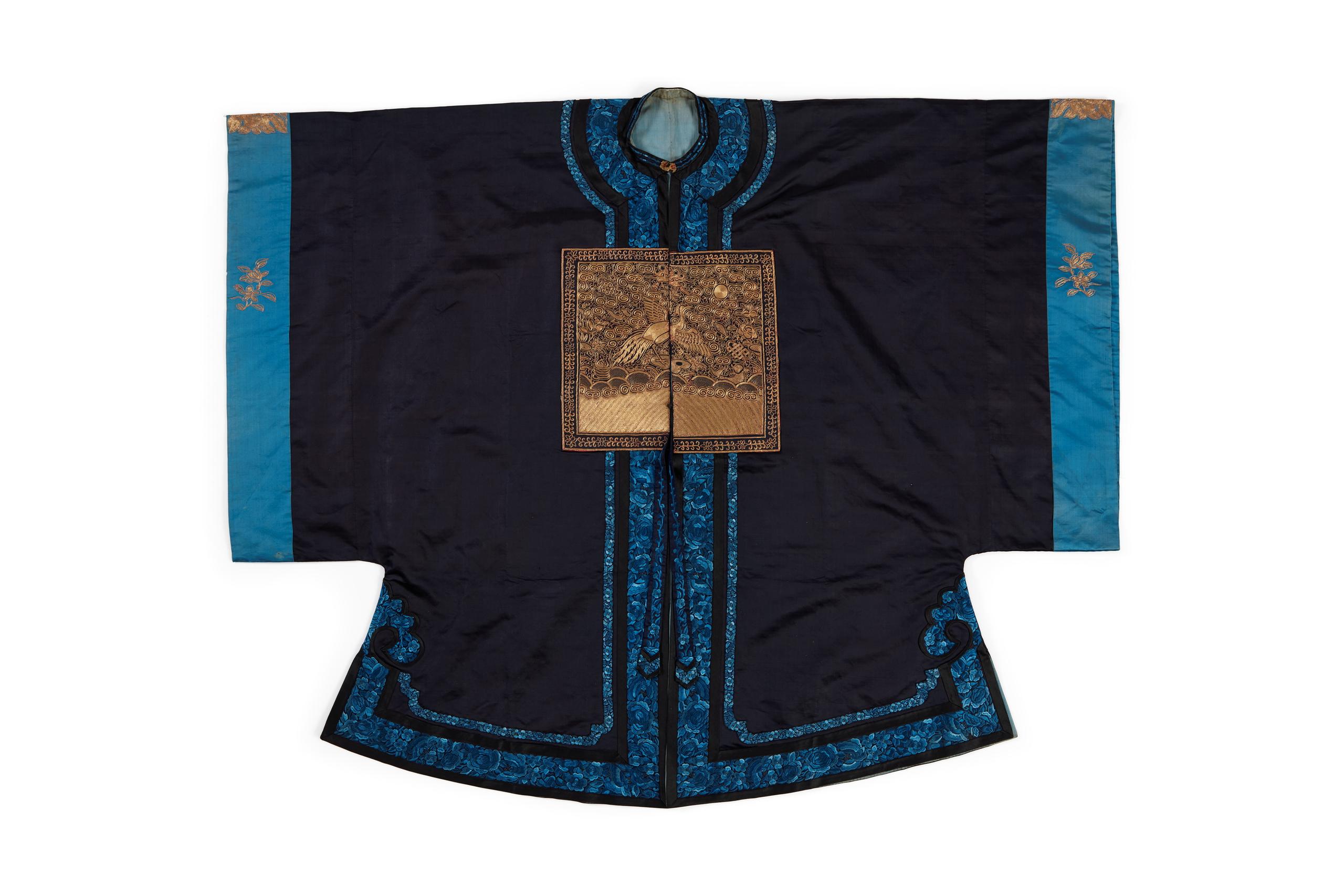
Official honours / Mandarin status
Date Published
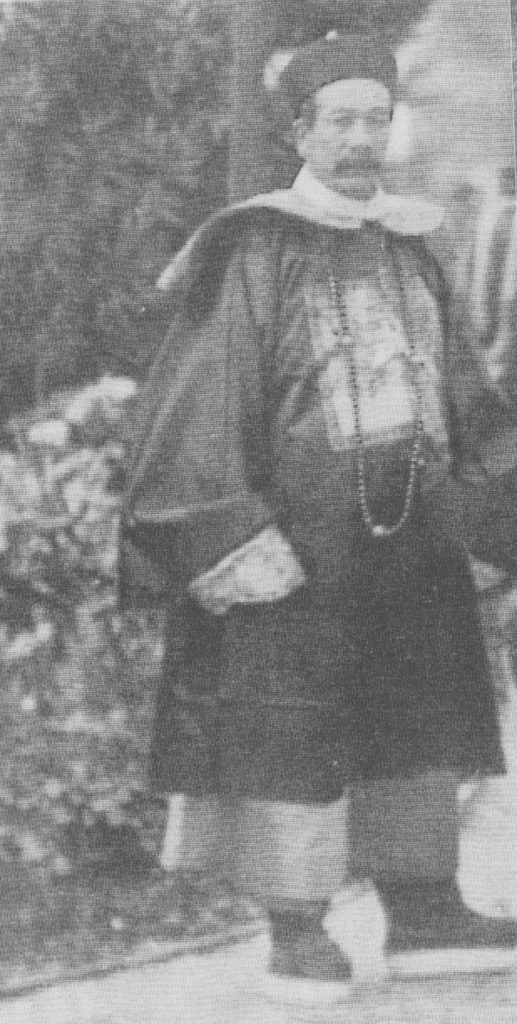
For merchants of the Chinese diaspora " ... by late Qing, purchasing rank was ‘the done thing’, the great highway to upgrading social status, as well as to creating a connection with officialdom that might advance personal affairs."
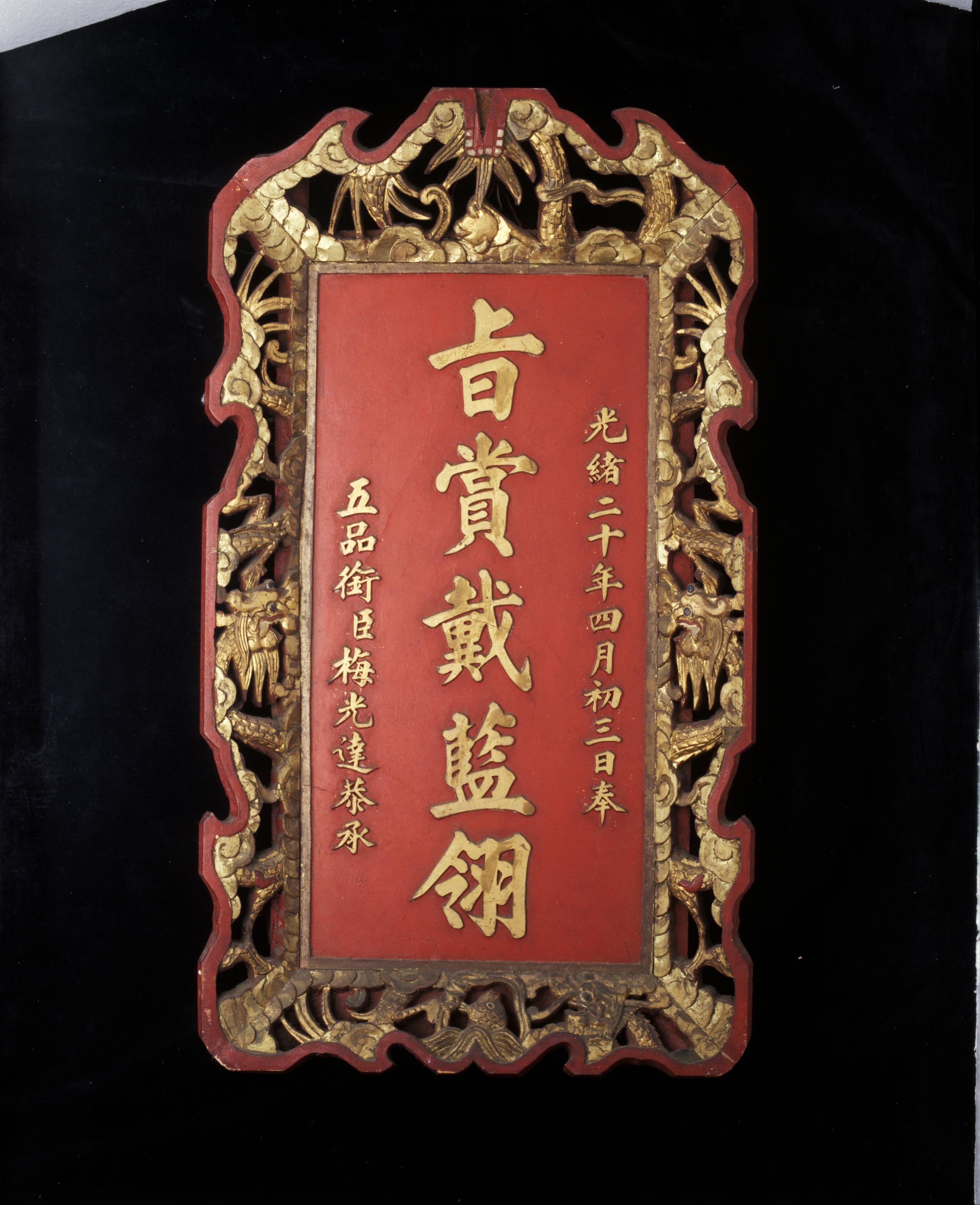
Chinese wooden plaque owned by Quong Tart, 1895
Quong Tart was by no means the only Chinese Australian merchant to obtain this rank in the Imperial hierarchy and in fact by the end of the 19th century it was not only extremely common but was almost a necessity for those who would do business with the Qing Empire. This was because the Qing government had by the late 19th century become aware of the wealth many Chinese people overseas had acquired and it sought to gather some of this for itself. The prestige of the Imperial officials and the necessity to pay something for this honour made for a perfect arrangement that saw Chinese merchants such as Quong Tart and Philip Lee Chun awarded an offical rank along with Mandarin jackets and other symbols of this status.
Like the exaggerated SLNSW note on the Braidwood gold medal the actual practical value of these official ranks is usually overstated. They conveyed prestige that would have had carried some weight locally for those travelling back to their villages of origin. But such “officials” would have had no say in the governing of the empire.
For an excellent account of the sale of offical ranks see, James W. Hayes, Purchase of Degrees, Rank, and Appointment in Late Qing China: Some Impressions from Contemporary Sources, Journal of the Royal Asiatic Society Hong Kong Branch Vol. 53, 2013, pp.1-58.
%2C%20Wing%20On%20Co%20Ltd%2C%20Hong%20Kong.jpg?2025-07-10T07:48:26.362Z)