Palmer River gold rush
Date Published
The Palmer River Gold Rush: a major but neglected goldrush that had a great impact on Queensland and NSW.
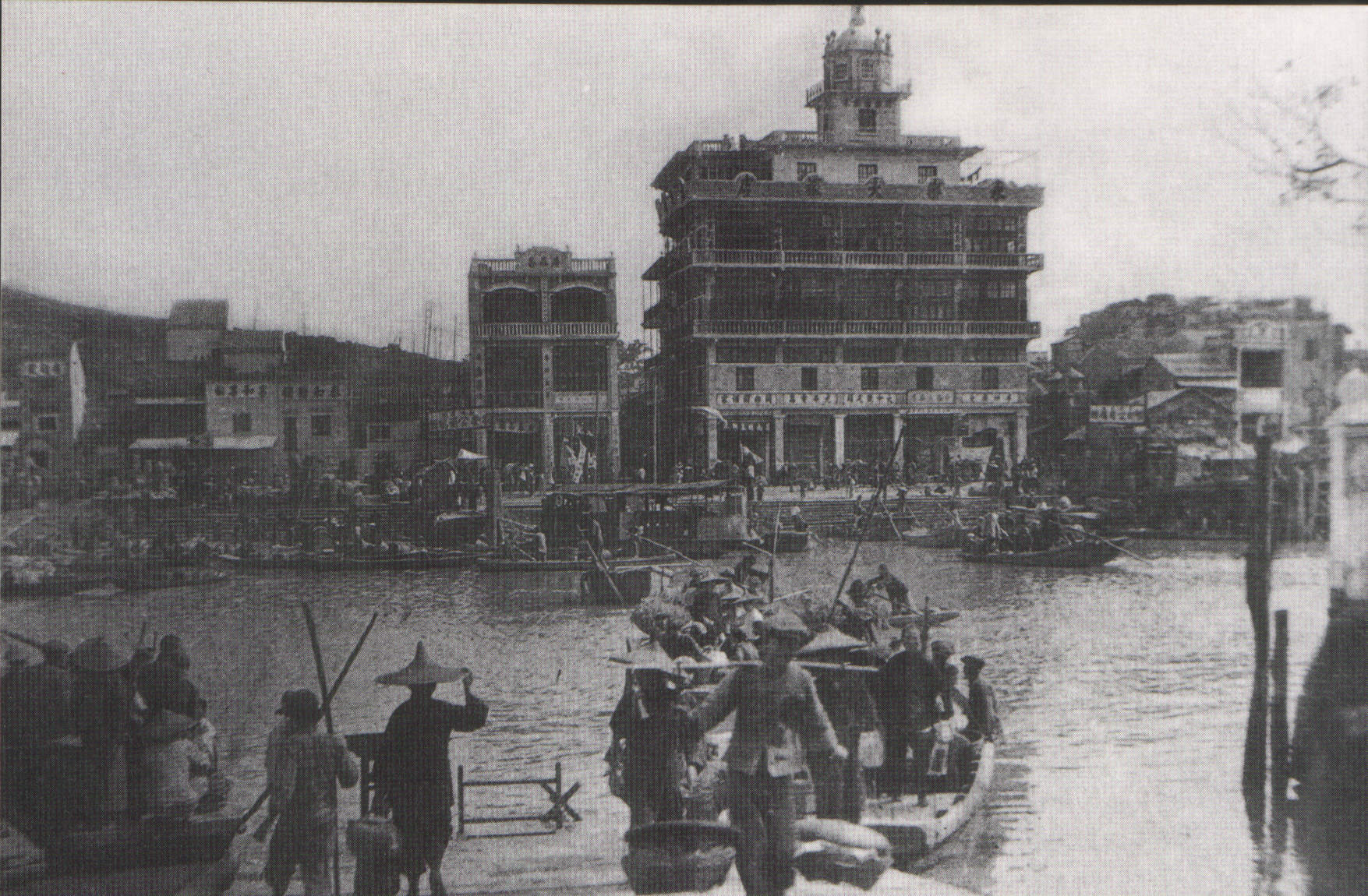
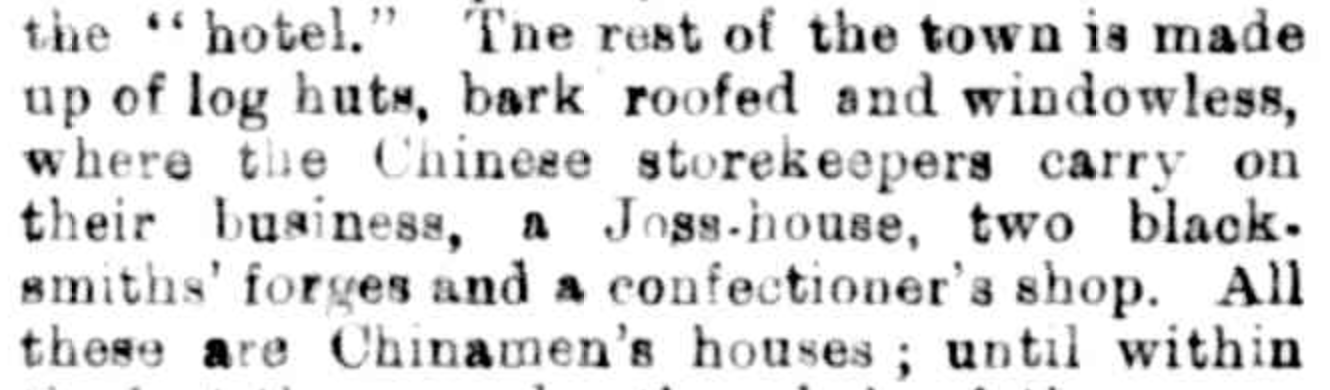
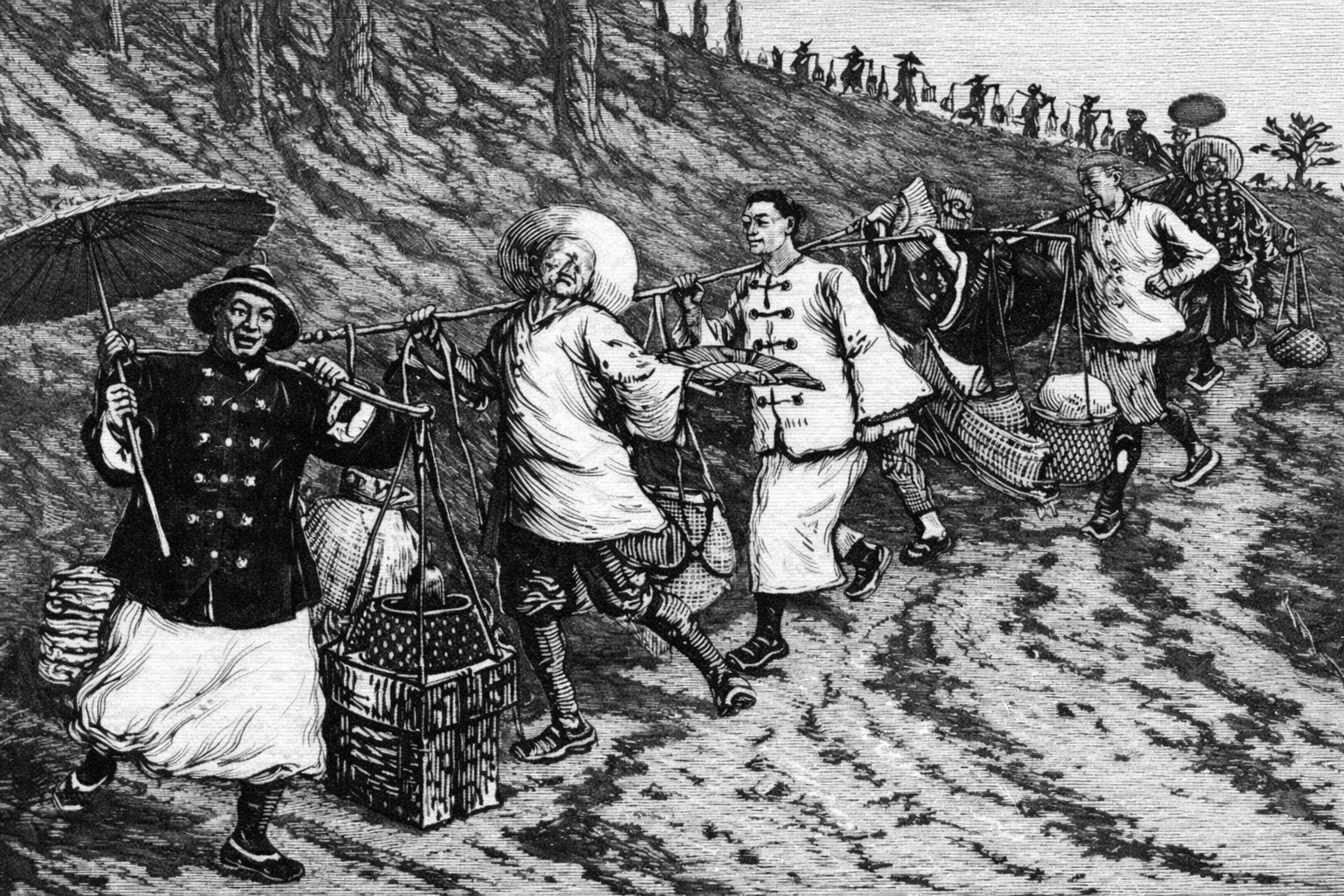
The Palmer River Gold Rush of the 1870s, in the far north of Queensland, remains one of the most neglected of Australia’s gold rushes. Yet it was also among the most remarkable—particularly for its overwhelming Chinese presence. Tens of thousands of miners, many from Zhongshan in Guangdong province, arrived on ships chartered by Chinese merchants and landed at the struggling frontier port of Cooktown. From there, they undertook a journey of over one hundred kilometres through rugged terrain to reach the Palmer River diggings.
Although the gold rush itself was short-lived, its impact was far-reaching. When the Palmer’s gold began to decline, many miners moved south into other Queensland settlements or drifted into New South Wales, reshaping Chinese settlement patterns across eastern Australia during the 1870s and 1880s. The rush also generated vivid—often fantastical—stories, including racist myths of Aboriginal “cannibalism” and lurid campfire tales about “Chinese meat,” reflecting the anxieties and prejudices of the colonial frontier.
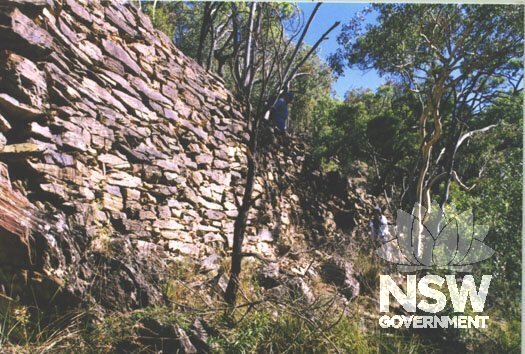
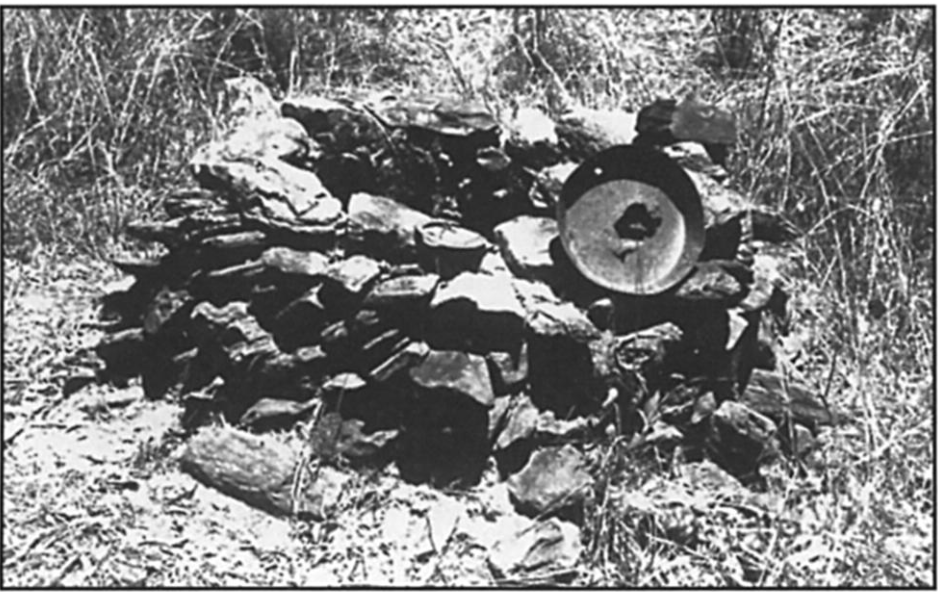
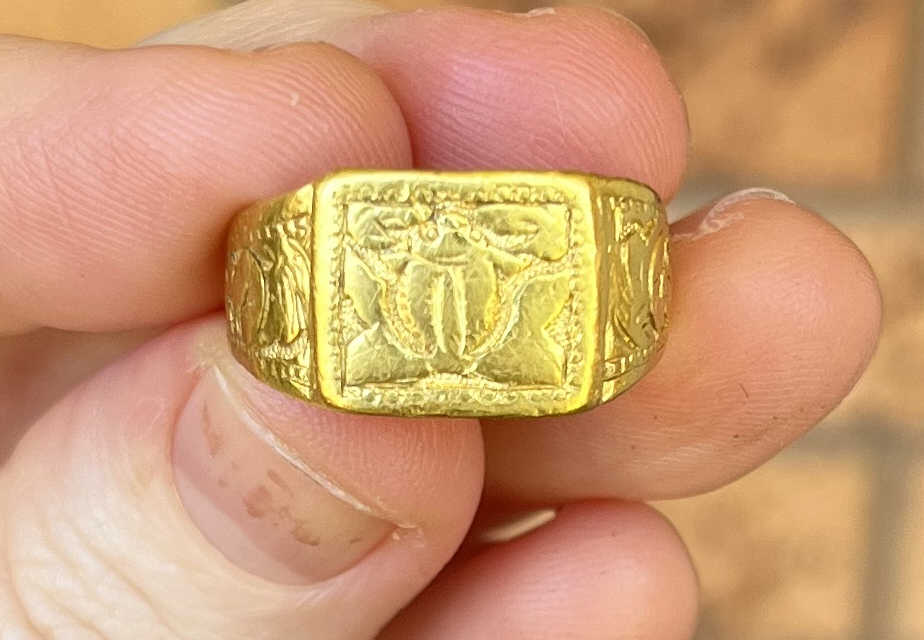
The Palmer field was turbulent in other ways too. Reports of “Chinese bushrangers” prompted petitions from Chinese merchants to the Queensland government, pleading for protection against bandit attacks. At its height, the Chinese population transformed northern towns: Cairns, for a time, was estimated to be nearly fifty percent Chinese. Today, the former boomtown of Maytown lies abandoned, its archaeological remains— shopfronts, and scattered artefacts—offering a silent record of a once-vibrant community that included many of Chinese heritage.
See also:
The Age, 24 September 1878, p.3.
Noreen Kirkman, Chinese Miners on the Palmer (Presented to a meeting of the Society 28 August 1986).