Gold mining
Date Published
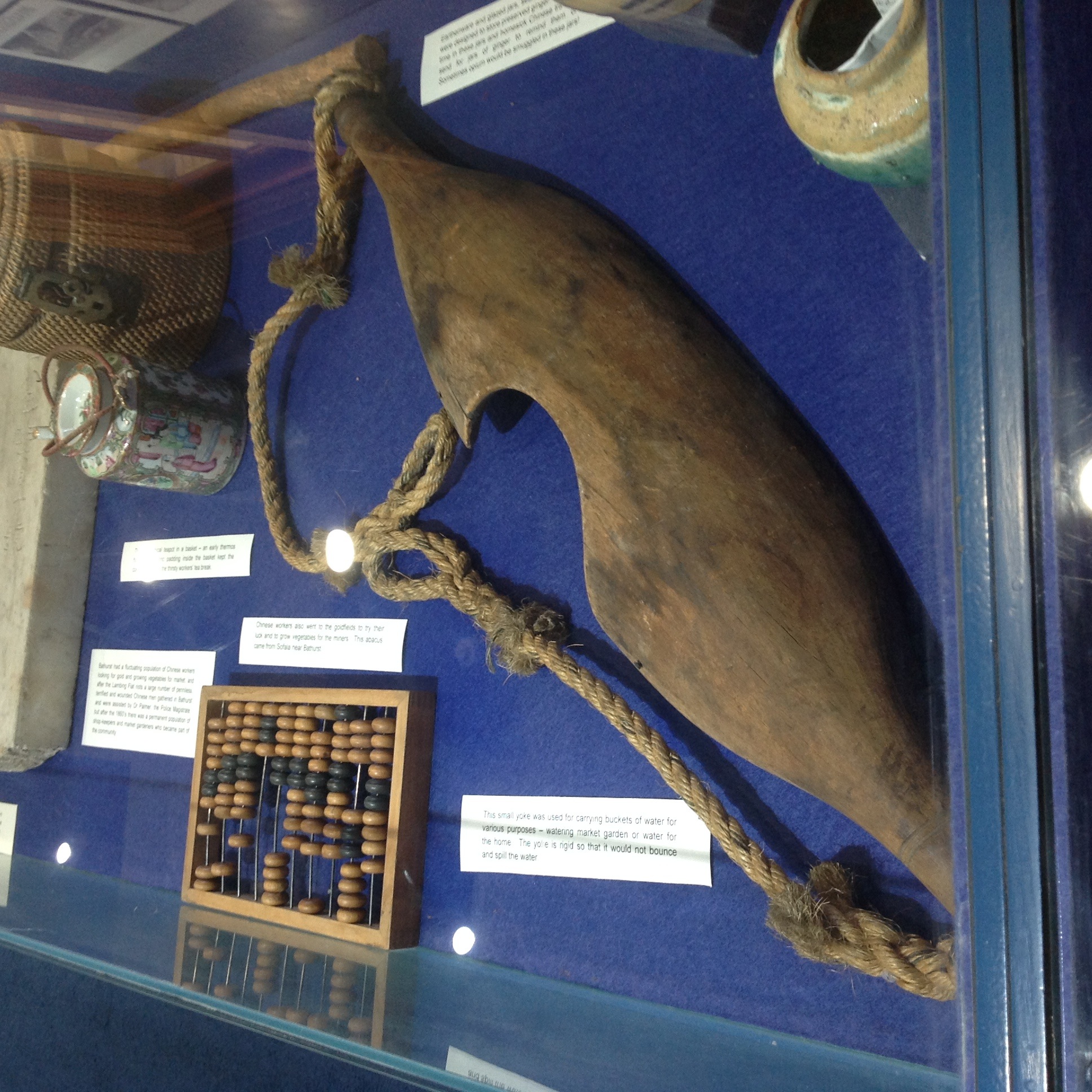
Gold mining is perhaps the most dominant feature of Chinese–Australian history, and it remains the aspect most widely recognised in the broader story of Australia’s past. This prominence, however, has also produced a number of enduring stereotypes, often overshadowing many other parts of the Chinese–Australian experience.
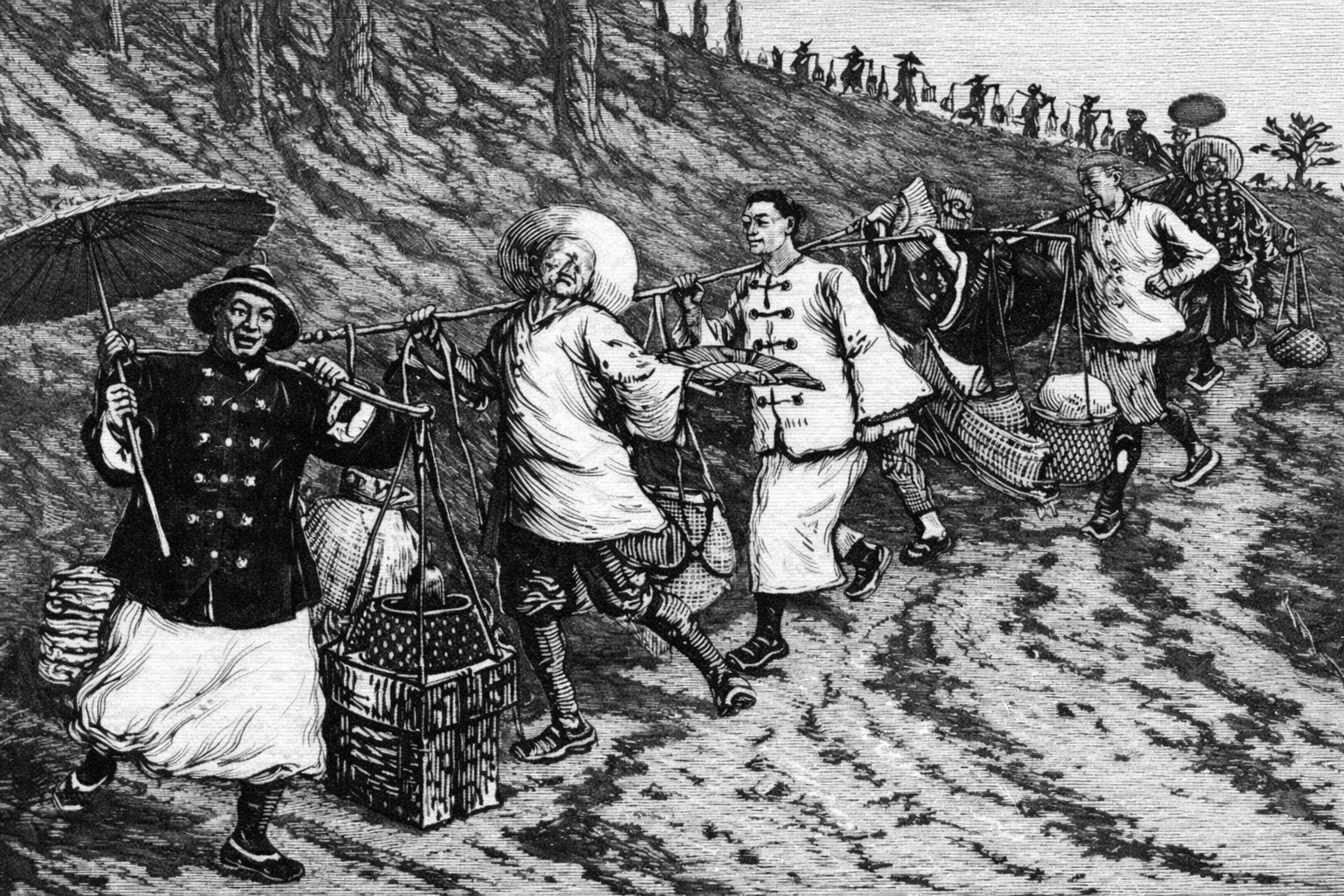
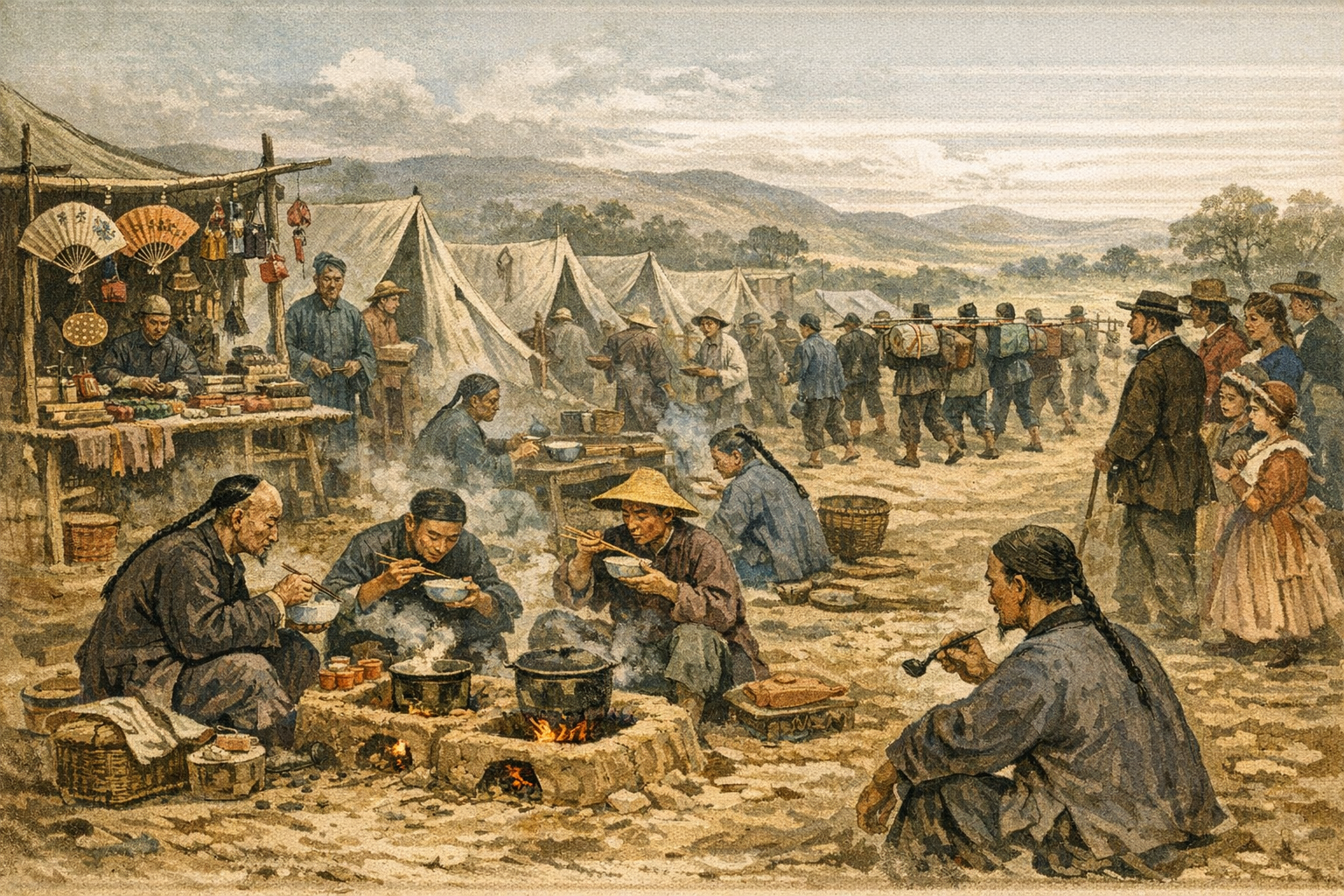
Tens of thousands of Chinese men arrived from the Pearl River Delta to work on the goldfields of Victoria and New South Wales. They were almost all men, generally younger, and tended to concentrate in particular areas. This concentration sometimes gave rise to the impression that their numbers were larger than they actually were, particularly in the 1850s and 1860s.
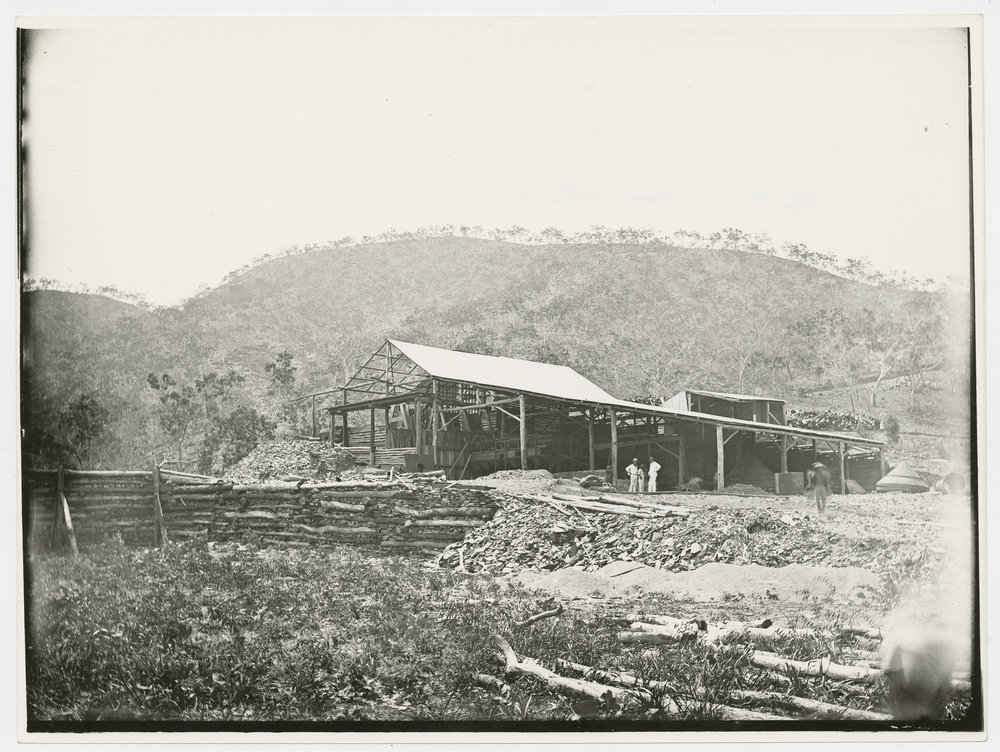
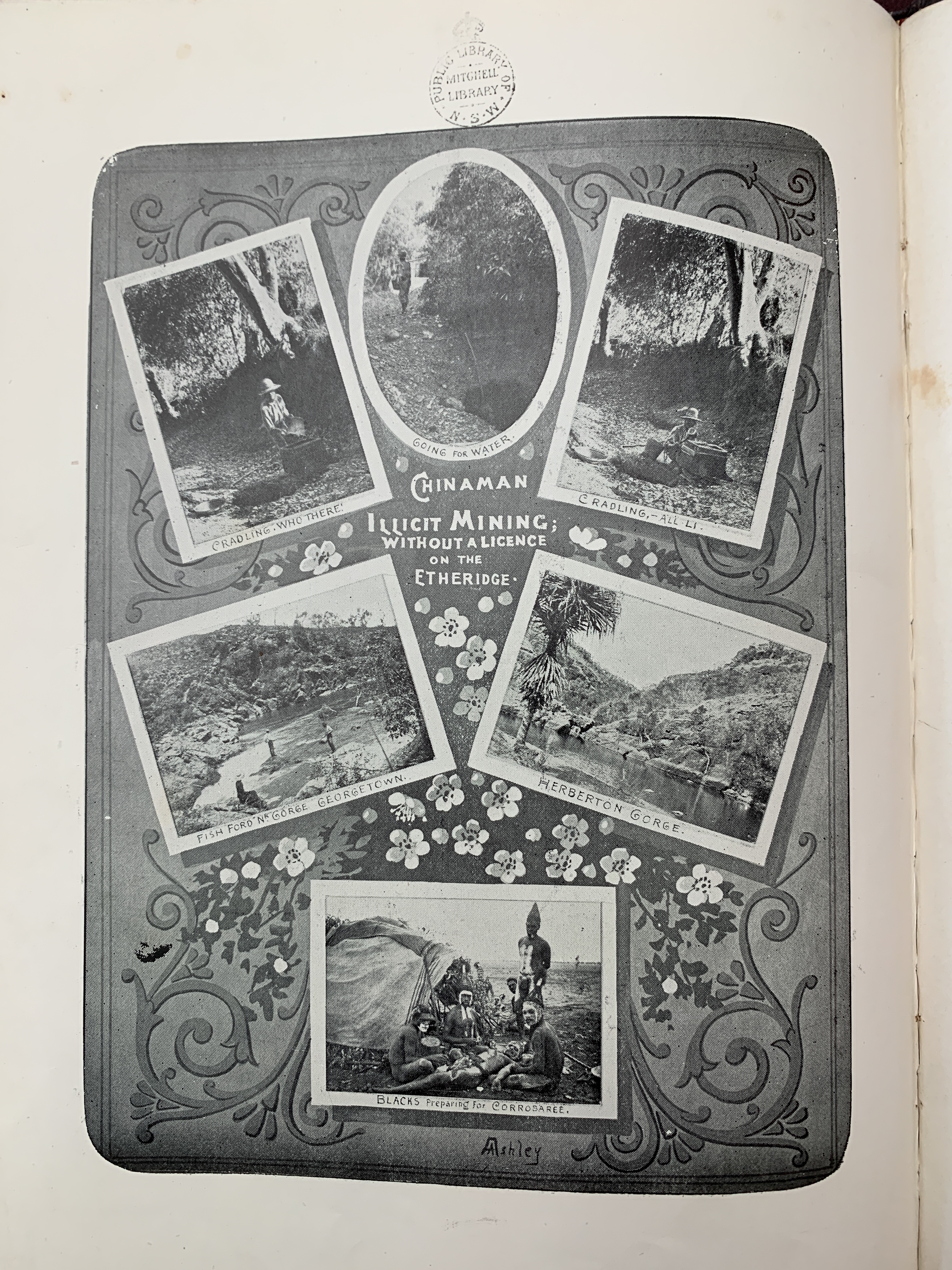
One aspect often overlooked is the Palmer River goldfield in Queensland during the 1870s. Although it was relatively short-lived and does not figure prominently in most goldfield narratives, it attracted a large number of Chinese miners—possibly as many as 20,000 within a short period. When the field declined, most of these men dispersed throughout Queensland and into New South Wales, taking up other occupations. By the 1880s, many former miners had become market gardeners or taken on other forms of rural work Such as scrub cutting
Many of the miners from the 1850s and 1860s eventually returned to China. While some remained in Australia and established communities, a significant proportion went home, and later waves of arrivals in the 1870s and 1880s came not for gold but for other kinds of work.
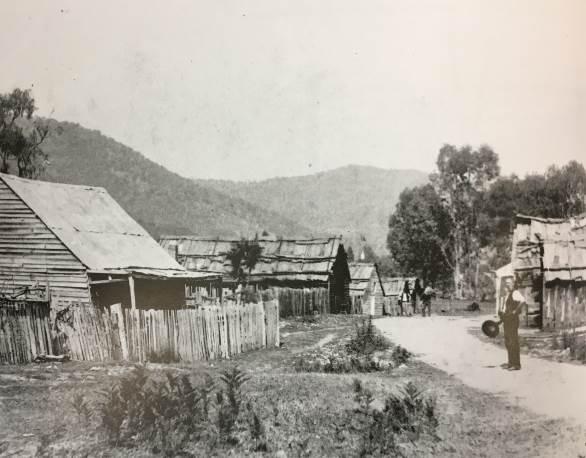
There are also myths about Chinese mining methods, such as the idea that they dug round mining holes, but in reality, Chinese miners generally used the same technologies and techniques as others. They were nominally segregated into what were called “Chinese camps,” though these were not always exclusively Chinese nor completely separate from other mining areas. The degree of segregation varied from place to place, and in some parts of Queensland—where the goldfields were more scattered—there were indeed quite distinct Chinese camps and communities.
One of the major stereotypes surrounding Chinese gold miners is the belief that they only worked over the tailings of abandoned mines, carefully sifting through what others had left behind. This, however, is an exaggeration. While Chinese miners did often rework tailings, they also established their own mines and dug new claims just as other miners did.
A distinctive feature of Chinese mining groups was their organisation. Many miners arrived under the credit-ticket system, in which their passages from China were paid for by village associations or sponsors. As a result, they often owed money and were grouped into organised gangs that could be directed to specific work. This collective organisation made them more efficient at tasks such as reworking tailings or concentrating labour on particular sites, in contrast to the more individualistic methods favoured by European miners.
This efficiency contributed to the stereotype of the Chinese as exceptionally hard-working, though it was largely a product of economic necessity. As Dundas Crawford observed, once the miners had paid off their debts, they tended to adopt the same practices as other miners and worked independently for their own benefit.
Arrival in Sydney 1858 - off to Tambaroora goldfield
https://trove.nla.gov.au/newspaper/article/13006282
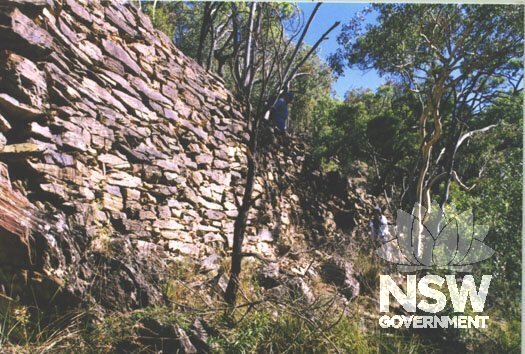
"The European and Chinese sites are, therefore, for the most part theoretically indistinguishable, though there are several characteristics that may help in the process of cultural identification."
"... the main ethnically based distinction of any clarity concerned the elongated mounds of water worn stone piled up after working the face and floor of the diggings, referred to as tailing mounds, and classified as Type D. These mounds were not simply piles of stone, but a part of the technology used on the field itself. They were often arranged as tail races which would in turn hold rock sluices or sluice boxes, as dams and as barrow ways. At the time I distinguished two principal types of tailing mounds, unstructured mounds referred to as Type Dl, and neatly packed vertical mounds (Type D2). I suggested that the latter were generally characteristic of Chinese mining sites (McGowan 1996:34-35). The existence of this ethnically determined characteristic has been confirmed time and time again by fieldwork ...."
Barry McGowan, The archaeology of Chinese alluvial mining in Australia, Australasian Historical Archaeology, Vol. 21, 2003, pp. 11-17.
Readings in North Qld Mining - https://nqheritage.jcu.edu.au/64/7/Readings_in_North_Qld_Mining_History_Vol_1.pdf
https://trove.nla.gov.au/newspaper/article/75580511
Hamilton, John P. (2016). Adjudication on the gold fields in New South Wales and Victoria in the 19th century. Macquarie University. Thesis. https://doi.org/10.25949/19435085.v1
Hop Wah - https://trove.nla.gov.au/newspaper/article/95338315