Making Australia White
Date Published
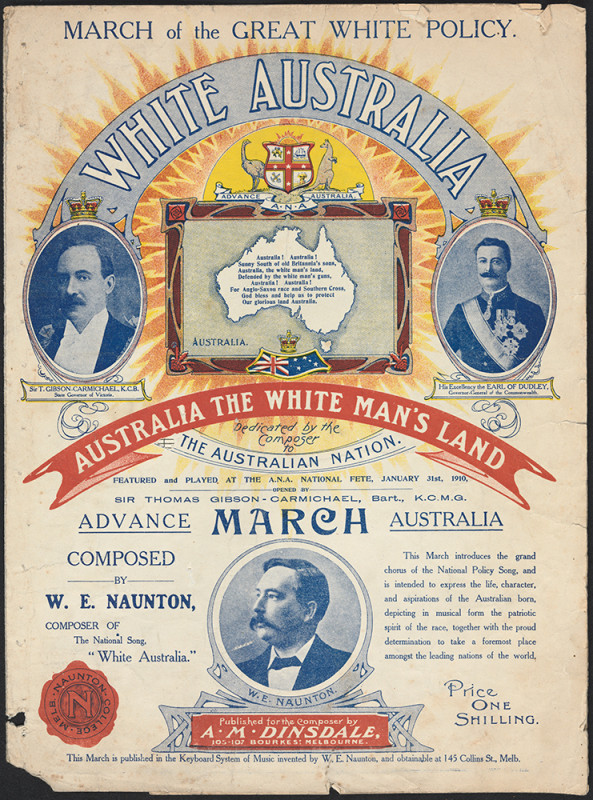
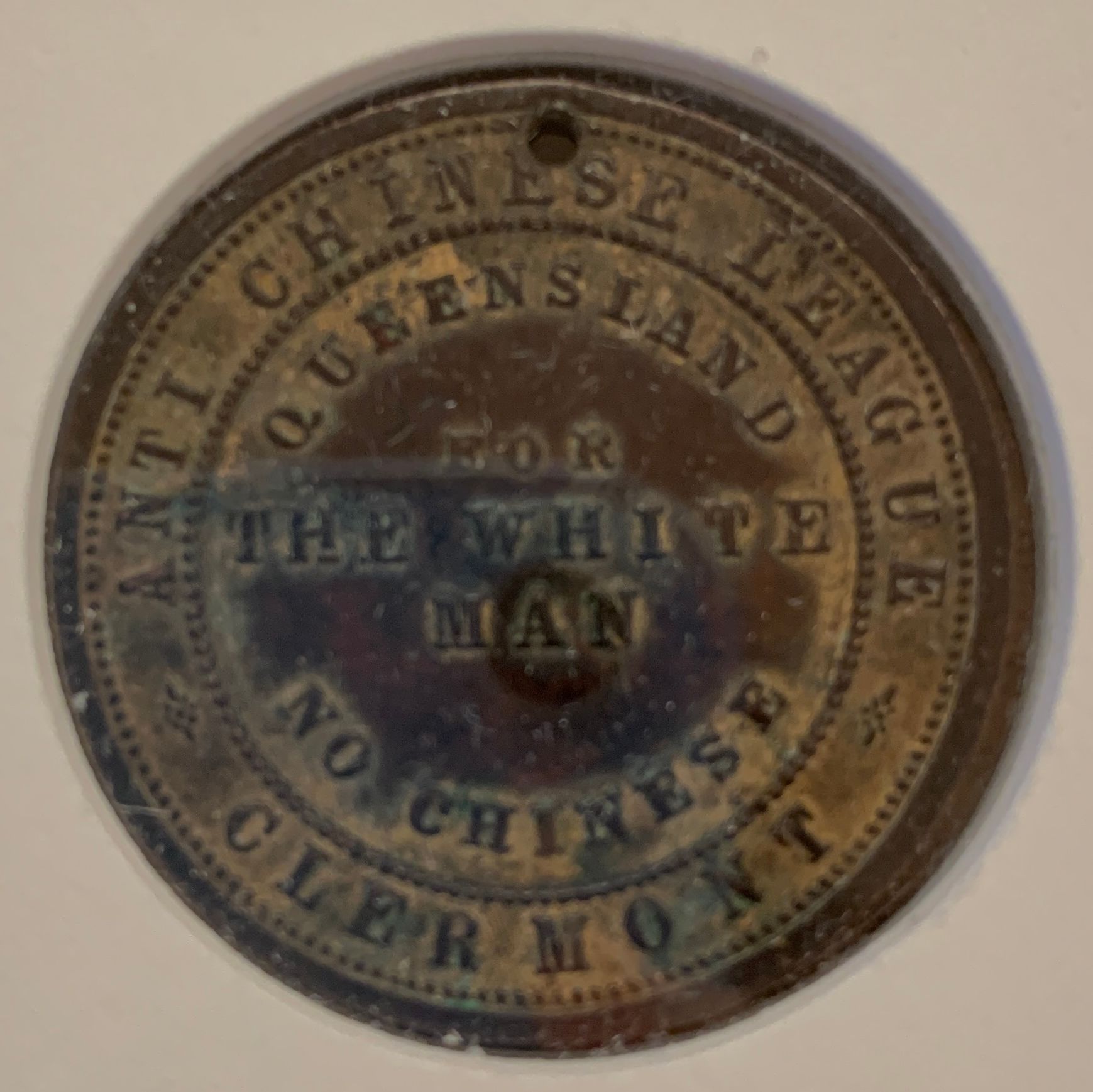
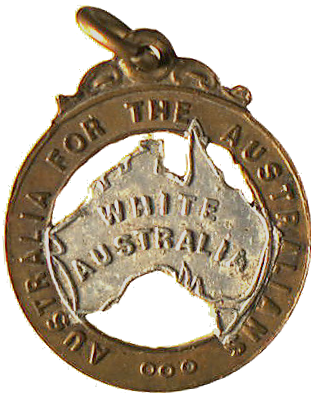
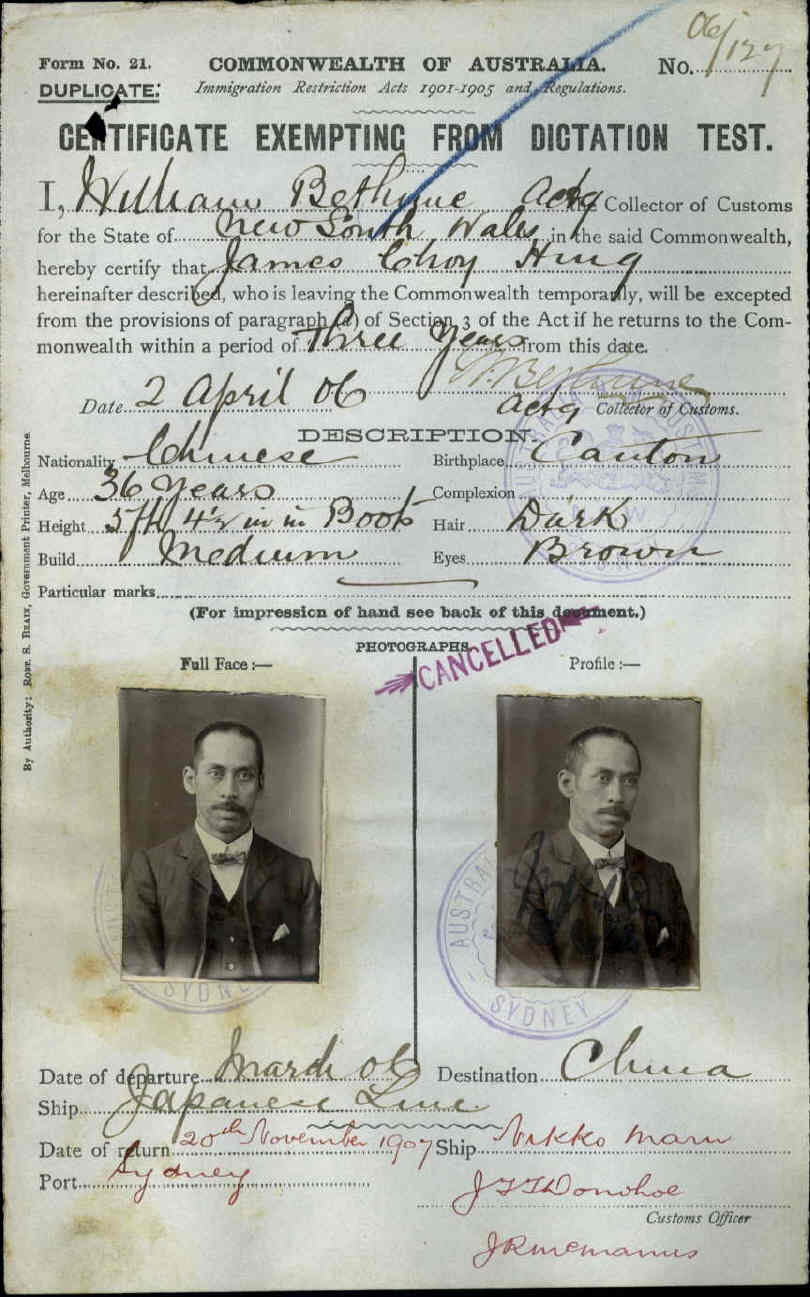
The White Australia Policy was more than an immigration restriction. It was an effort to think Australia white that encompassed the whitewashing of Australian history.
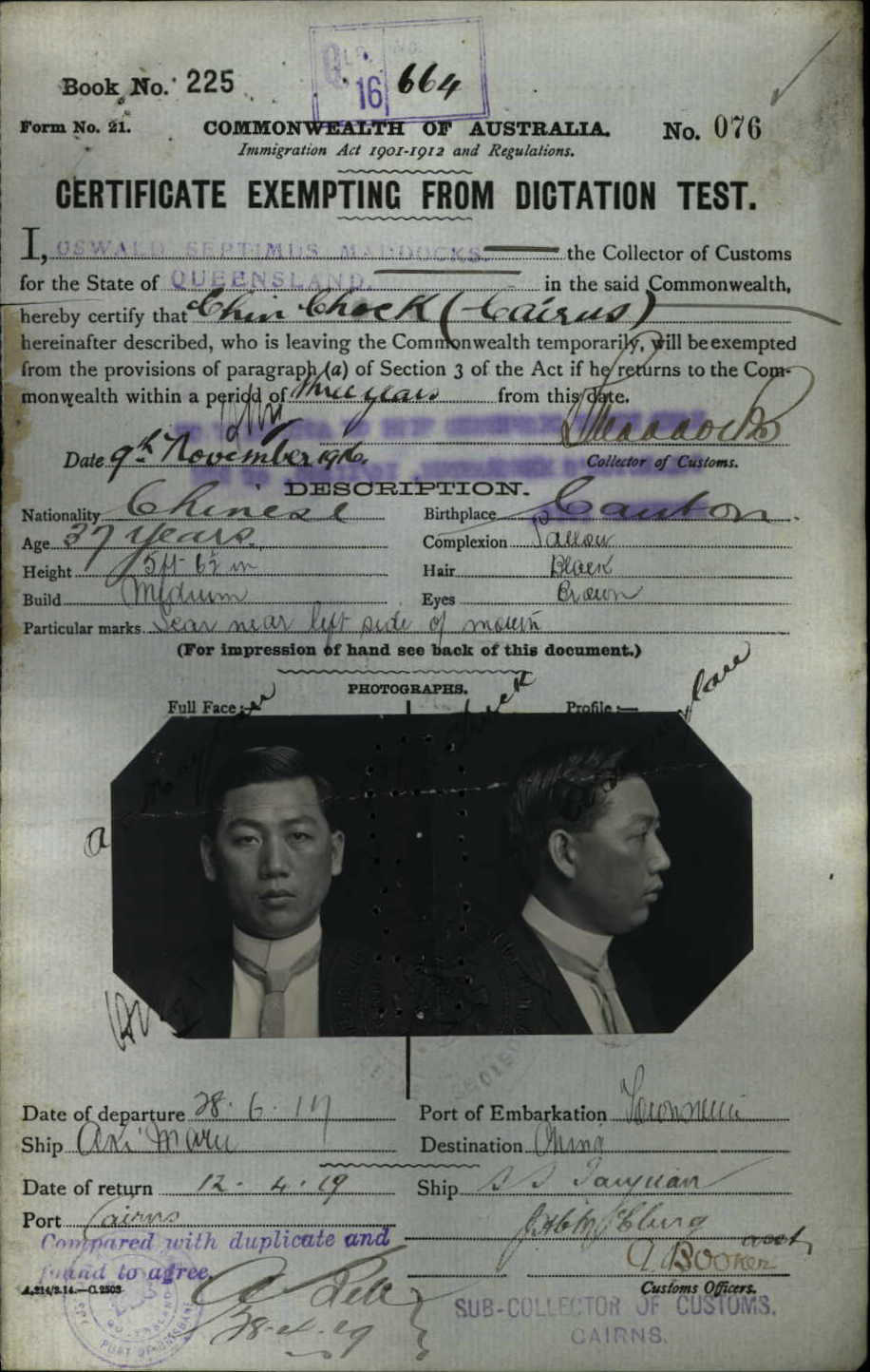
It needs to be remembered that the so-called White Australia Policy was more than just a set of discriminatory laws and immigration restrictions. It was, in fact, a way of thinking—an ideology that not only sought to reduce the number of non-white people in Australia (primarily those of Chinese background), but also to define Australia itself as a white nation.
This way of thinking had deep cultural effects. Many of the realities of Australia’s diverse population, and the widespread presence of people of Chinese background in the late nineteenth and early twentieth centuries, were gradually forgotten—effectively whitewashed from public memory. By the 1920s and 1930s, many Australians genuinely believed their country to be entirely white, and were often surprised to learn that there had been a long and significant history of non-white communities—particularly Chinese—in Australia.
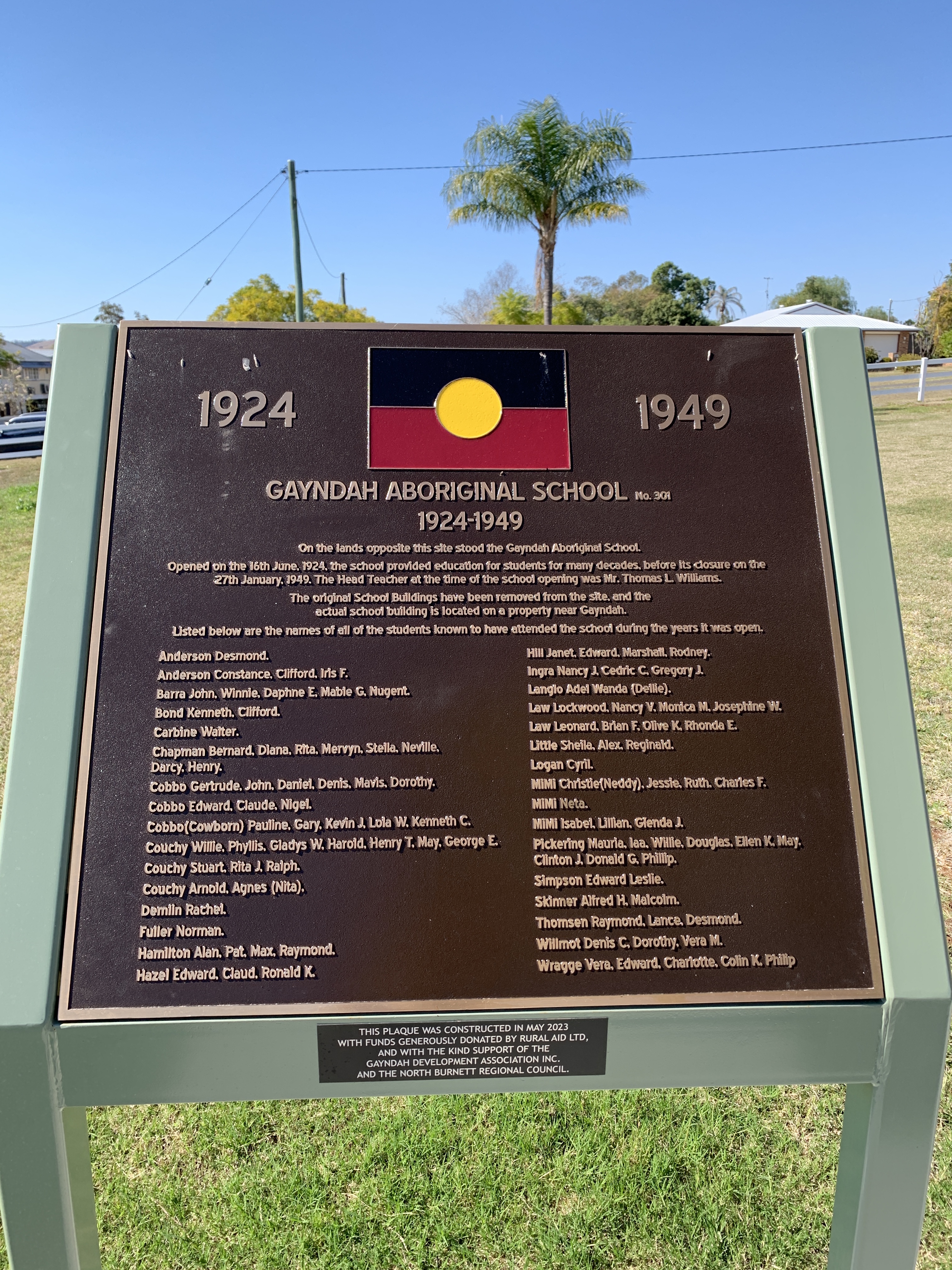
In many rural areas, this historical amnesia remains. Towns that once had substantial Chinese populations now have little awareness of the role Chinese people played in their development—whether in running family stores, cutting scrub, farming, or operating market gardens. This persistence of forgetting represents one of the major psychological legacies of the White Australia Policy. It extends well beyond the legislation itself, shaping how Australians have continued to imagine their own national identity.
"Chinese in Queensland. BRISBANE, Wednesday.-Last year 135 Chinese arrived in the colony and 819 departed. The principal arrivals were : Brisbane 90, Townsville ll, Cooktown 14, Thursday Island 19. The principal departures : Brisbane 171, Rockhampton 101, Townsville 199, Cairns. 83, Cooktown 236."
Australian Town and Country Journal, 28 Febuary 1889, p.12.
"In years gone by Chinese New Year meant a good blow out for many whites, and the number of invitations that used to be issued was numerous. They used to give a banquet to the whites at night time then, but the larrikin element, who are always ready and willing to fight for a white Australia, made the pace so warm that the night business had to be dispensed with. Then the whites were ashamed to be seen partaking of the hospitality of the Chows in day time, and the custom has eventually almost died out."