Chinese Aboriginal connections
Date Published
The interaction between Chinese people and Indigenous Australians ranges from exploitation to fellowship in relation to white discrimination and includes intermarriage and in some cases the development of a seperate community that is neither Chinese nor Indigenous.
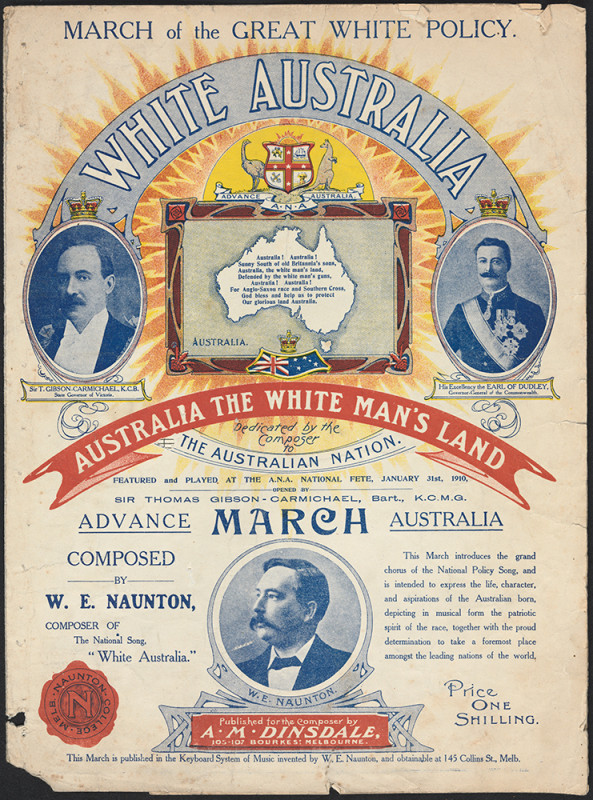
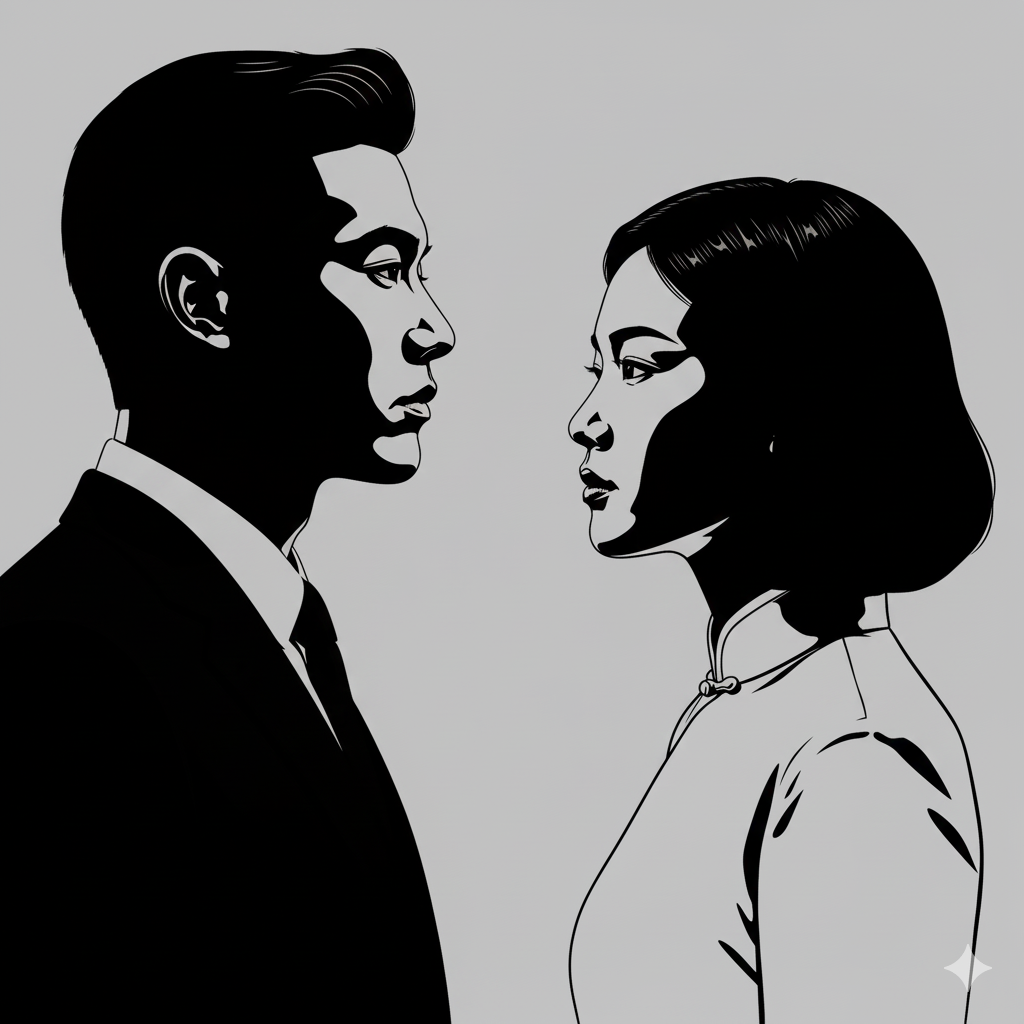
On the edge of an emerging nation, First Nations people and Chinese immigrants shared the brutality of European colonialism that was underpinned by white supremacy. This combined with mutual deep respect for cultural beliefs and practices forged romantic unions and family traditions over many generations.
Peter Yu, in Our Story: Aboriginal Chinese People in Australia, p.8
What little evidence we have suggests that both Aboriginal men and women preferred to work for Chinese, rather than Australian, employers, because they were treated more fairly and with greater respect. There were reports that the Chinese actually shared meals with their workers rather than putting scraps of food out in the yard or over by the wood.
Henry Reynolds in Our Story: Aboriginal Chinese People in Australia, p.14
“Aboriginal people were not allowed to live in “Chinatown” due to restrictive legislation which prohibited them from cohabitating or fraternizing with a Chinese person. The further west and north-west that the community was, and the more isolated it was from authorities, the more likely it was that the community included Aboriginal women and children. They formed the basis of Chinese families in most of those districts, which is demonstrated in towns such as Boulia, Camooweal and Burketown in the far western and Gulf region of Queensland. In addition the only western remote “Chinatown” community of Cloncurry reflected a very different type of ethnic diversity including Chinese men, Aboriginal women, White women, and their families as well as Japanese and Punjabi men (‘Afghans’) all living in the “Chinatown” area on Coppermine Creek on the outskirts of town."
"Aboriginal women were highly regulated and had no control over their bodies, location, employment, daily lives or decision making. Women found to be living unlawfully in de facto marriages with a Chinese man were summarily removed, with the patriarchal Law extending across north Queensland. Both women and children were removed to missions and Government stations from as far west as in the Burketown region, for the crime of being without “employment and living in the Chinese Quarters.” Indigenous women, it seems, were viewed as being unable to look after themselves and required “rescuing” from Chinese men. It also implies that ordinary family life was considered impossible between a Chinese man and an Aboriginal woman. Yet for many Chinese settlers across north-west Queensland and in the Torres Straits, Indigenous women provided the only potential sexual partners available and mutually beneficial intimate relations occurred."
Sandi Robb, North Queensland's Chinese family landscape: 1860-1920. PhD Thesis, James Cook University, p.99 & p.226.
See also: Zhou Xiaoping (Ed) Our Story: Aboriginal Chinese People in Australian, Museum of Chinese Australian History, 2025.
The Aborigines Protection and Restriction of the Sale of Opium Act 1897
Look up:
Guy Ramsay, “The Family and Cultural Identity in Aborigines and Torres Strait Islanders of Chinese Ancestry : A Rural- Urban
divide”Journal of Family Studies, Vol. 6, No 2, (October 2000): 199-213
Guy, Ramsay, “Myth Moment and the Challenge of Identities: Stories from Australians of Indigenous and Chinese Ancestry”, Journal of Intercultural Studies, Vol, 22, No. 3, (2001)
Guy Ramsay, “Cherbourgs’s Chinatown: Creating an identity of Place on Australian Aboriginal settlement”, Journal of Historical Geography, 29,1 (2003): 109-122
Guy, Ramsay, Chapter 3, “The Chinese Diaspora in Torres Strait Cross Cultural Connections and Contentions on Thursday Island”, in Shnukal, Anna ; Nagata, Yuriko and Ramsay, Guy (Eds) Navigating Boundaries : The Asian Diaspora in Torres Strait, (Canberra, Australia, 2004): 53-74.