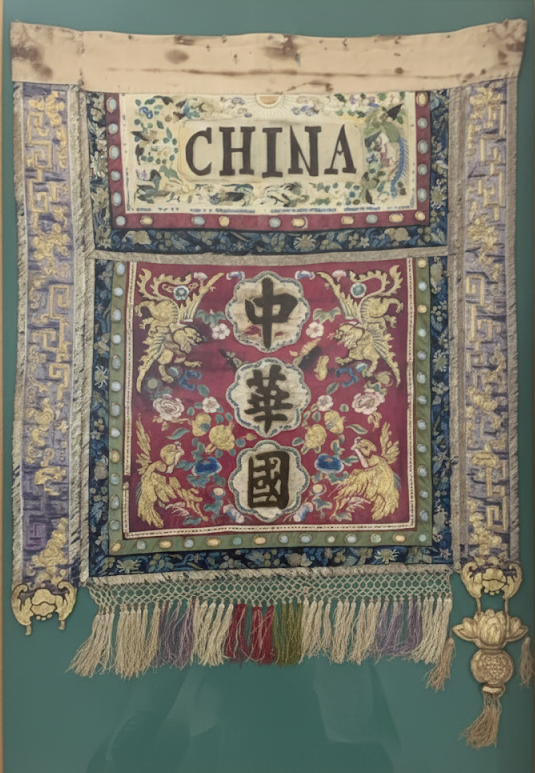
Chinoiserie
Date Published
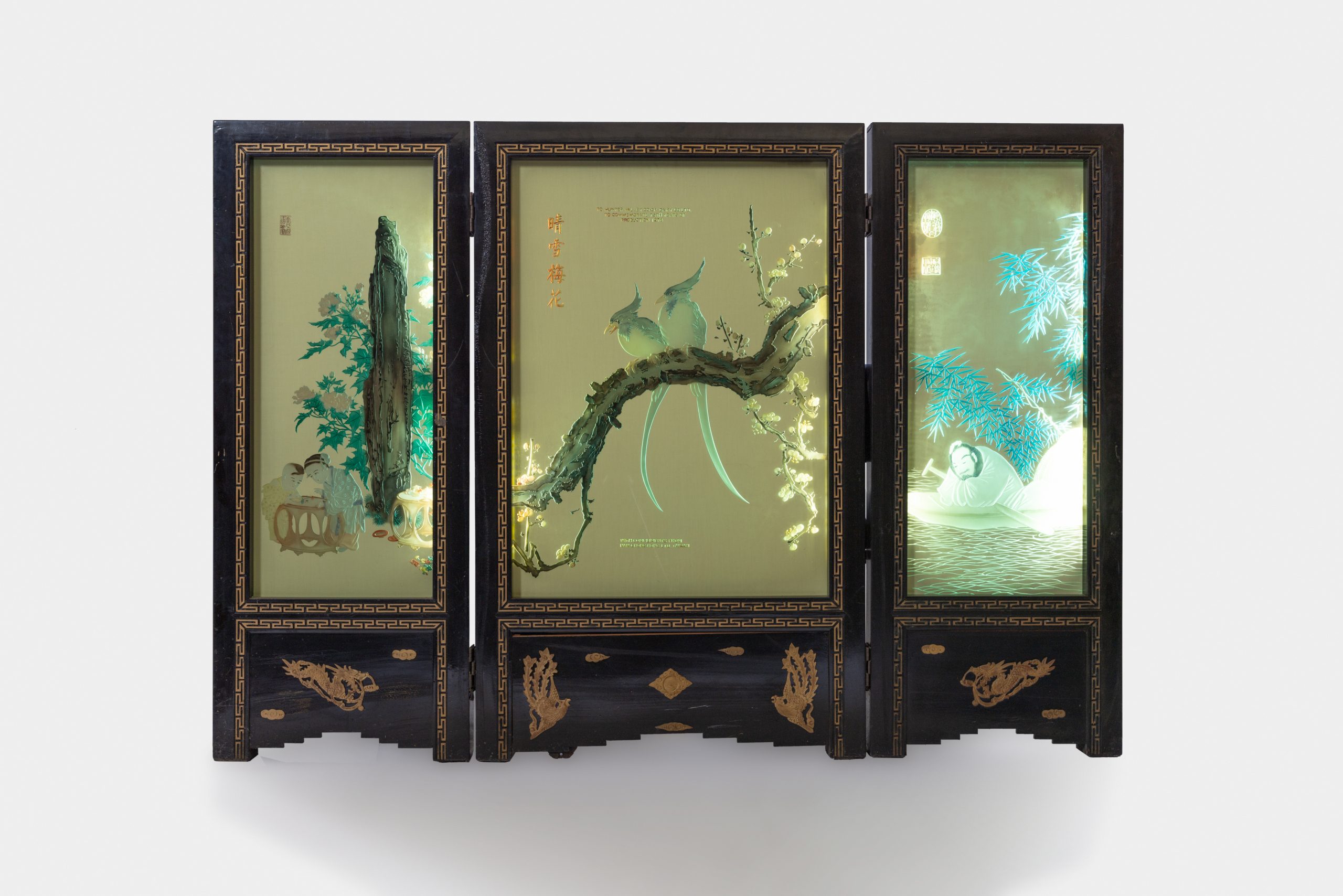
Europeans also had links to China, missionaries, tourists, artists as well all often with a strong sense of the exotic in regard to Chinese made items often referred to as Chinoiserie.
Many of the museum collections around therefore Australia contain items labeled "Chinese" that are often group together with those that are "Chinese Australian". While naturally much overlap exists there is a broad distinction between the two. Items that are "Chinese Australian” relate to the history of Chinese people in Australia and may in fact not be Chinese items in any sense but except being used or owned by Chinese Australians. Items that are "Chinese" are often purchased in or imported from China by tourists, traders or missionaries and have no direct connection with Chinese Australian history as such.
The need for this distinction arises when descendants and museum curators no longer understand the provenance of an item and begin to assume that as it is obviously "Chinese" it must therefore relate to Chinese Australians. This can be overt or merely a matter of broad keywords searches which means that entering "Chinese" or "China" into a search engine brings up a mix of items. The range of such items includes clothing, paintings and various art objects. Very often these objects are northern Chinese in origin and have even less to do with Chinese Australian heritage. Japanese items, including coins, can also often be mistaken for Chinese.
The appeal of things Chinese that the term Chinoiserie encompasses has led to a number of Chinese style items such as the Dragon headstone in Wagga Cemetery. Its origin is a mystery and its northern style indicates its lack of connection with local Wagga Chinese Australians. Nevertheless it is often assumed their must be a connection with the local Chinese community.
An interesting example of the many overlaps is a bone handled sword on display at the Beechworth Museum that is labeled “Chinese”. In fact the sword is Japanese in origin but this does not mean it was not purchased by and used by Chinese Australians for use in the Beechworth processions.
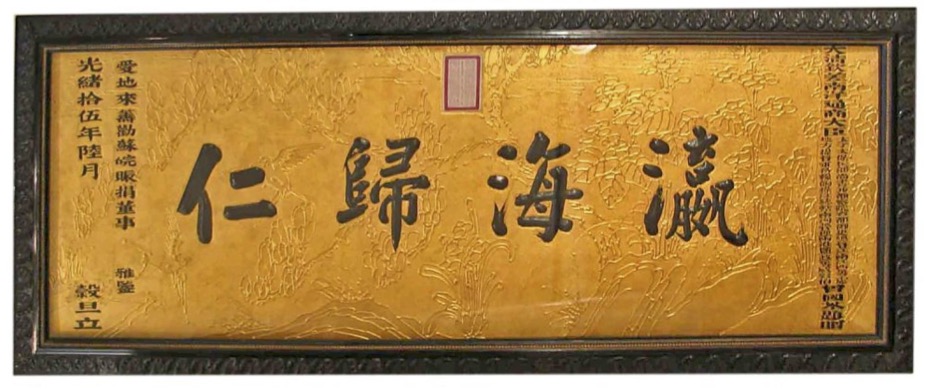
The Imperial Tablet given to the City of Adelaide is displayed in the Immigrant Museum despite its origins in Protestant Missionary activity with no direct connection to Chinese people as immigrants.