Chinese writing in Australia
Date Published
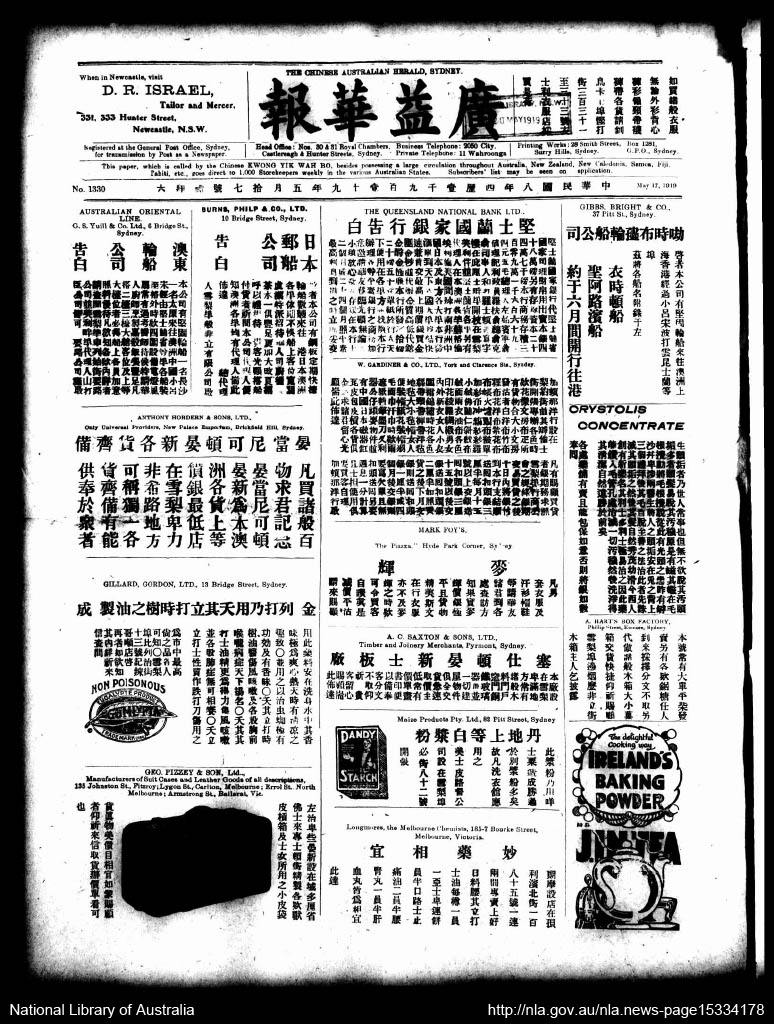
Chinese Writing in Early Australia
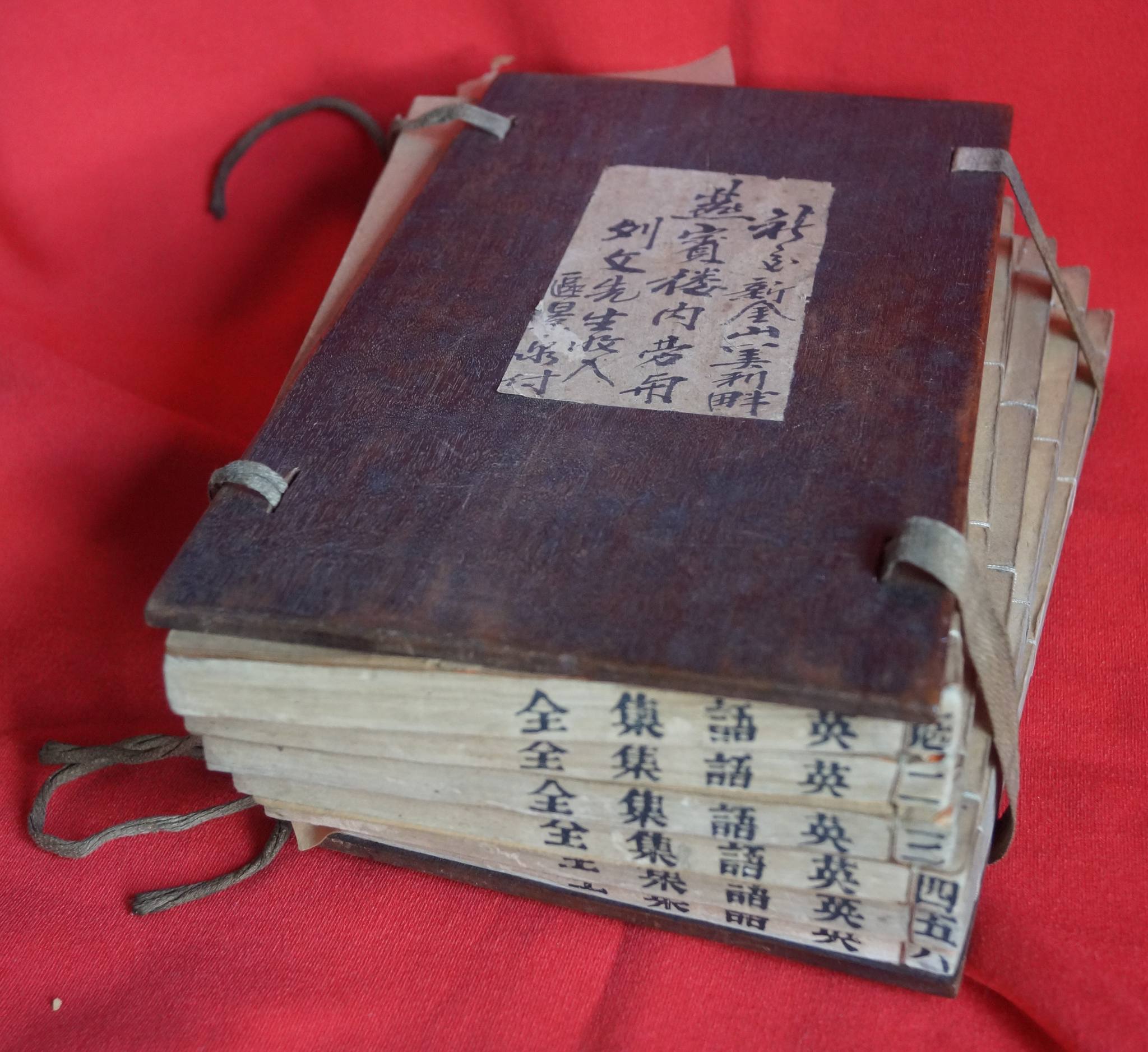
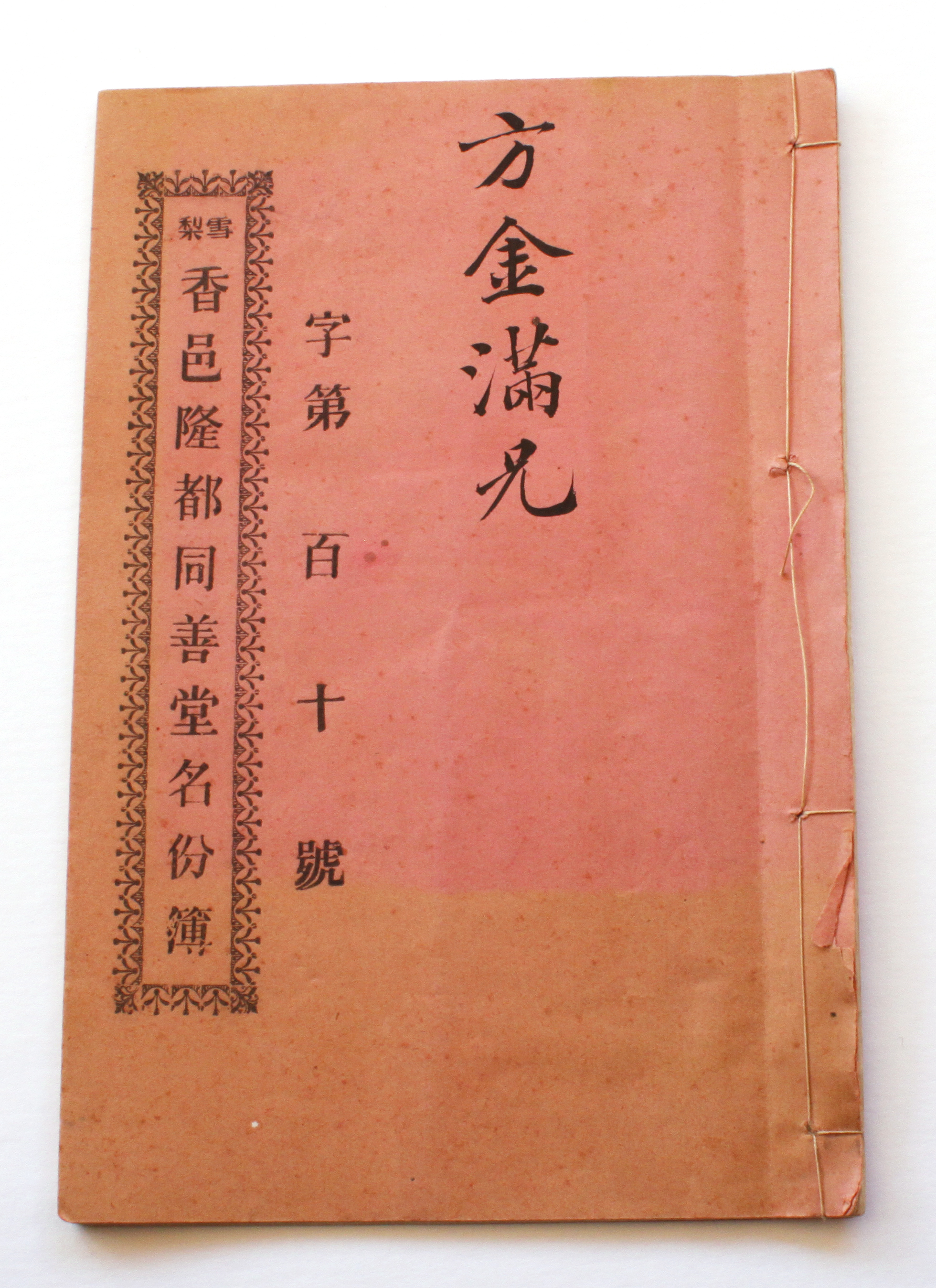
Chinese characters have been used in Australia since the earliest arrival of Chinese people — and probably to a far greater extent than most Australians realise.
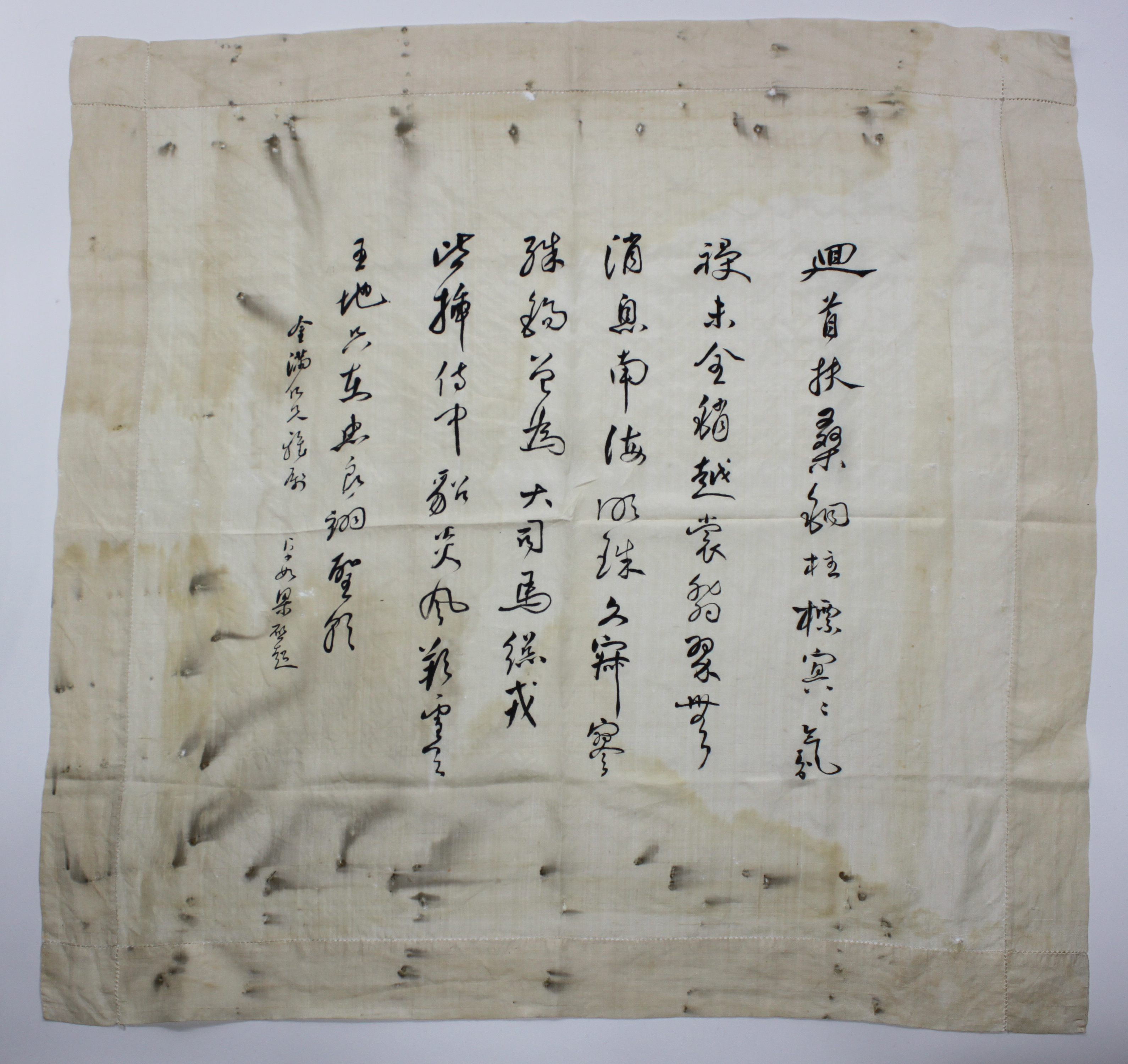
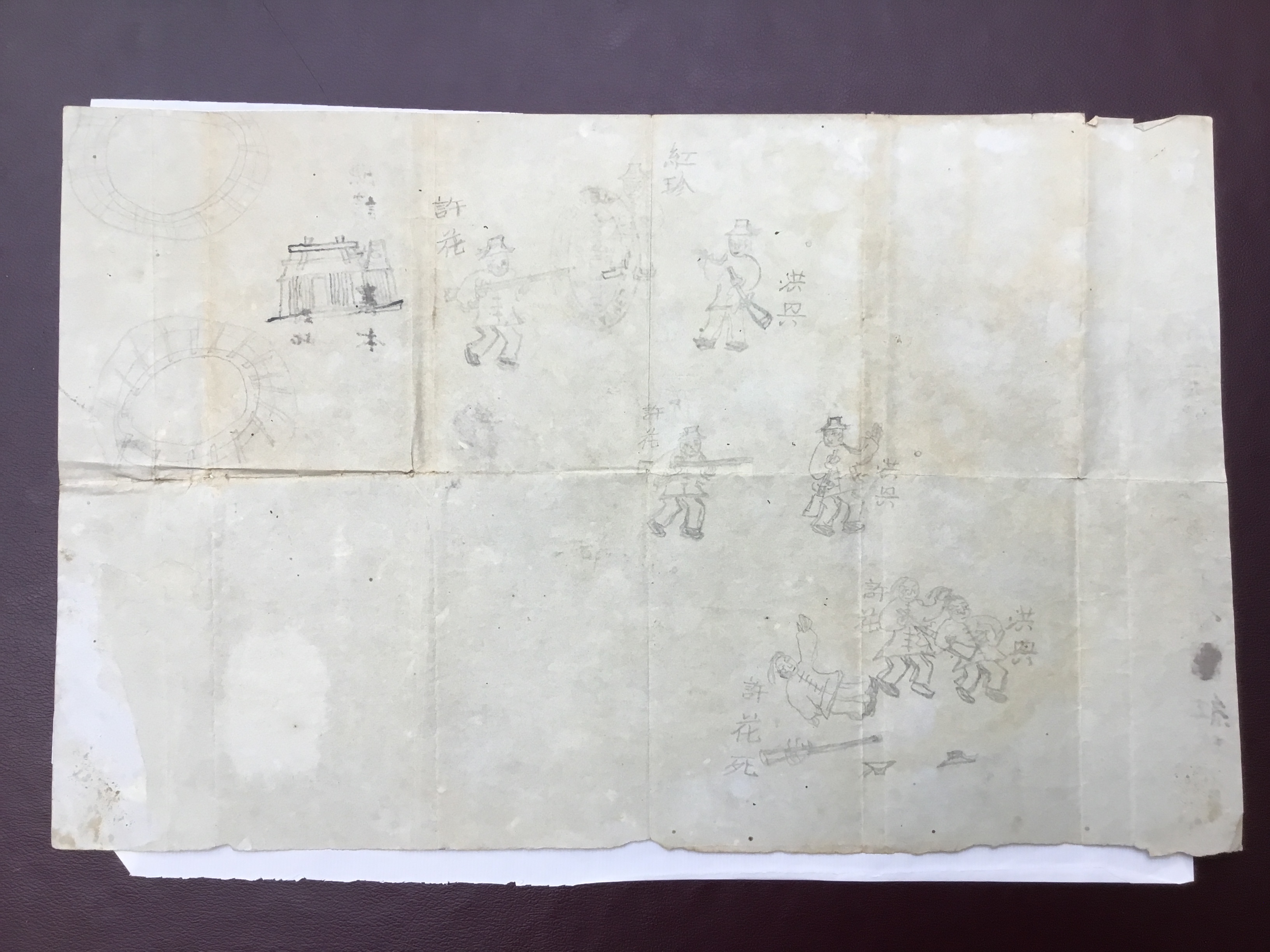
At first, they appeared as signatures on documents such as naturalisation application and marriage certificates. One of the earliest examples is Ang’s defence, which included both his drawing and accompanying Chinese text — possibly the first recorded instance of Chinese writing produced in Australia.
Soon afterwards, Chinese script began appearing throughout the towns of New South Wales and Victoria, especially during the 1850s and 1860s. Posters, notices, and shop signs bearing Chinese characters became familiar sights. Newspapers of the time, often writing in a patronising tone, described them as “Chinese hieroglyphs.” Headstones of course are the most recognisable and long lasting examples of Chinese character.
Chinese writing was not limited to public signage. It appeared in contracts and legal documents, especially charter-party agreements for ships carrying migrants from Hong Kong to the goldfields. Some of these contracts were bilingual, written in both Chinese and English. When disputes arose — for instance, Chinese passengers suing captains for breach of contract — the courts struggled to interpret the Chinese text.
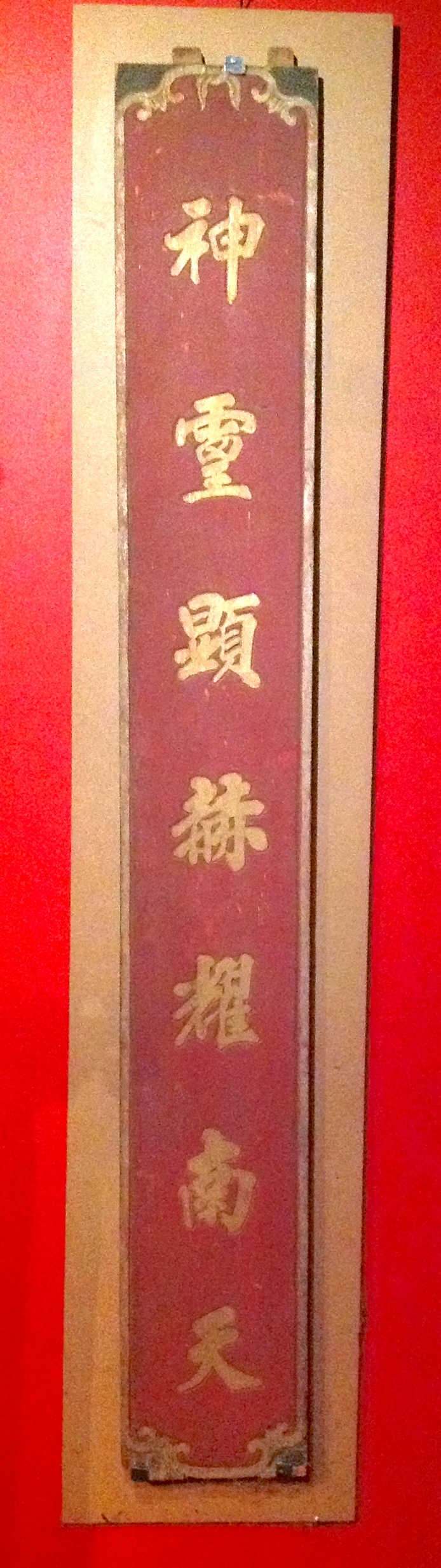
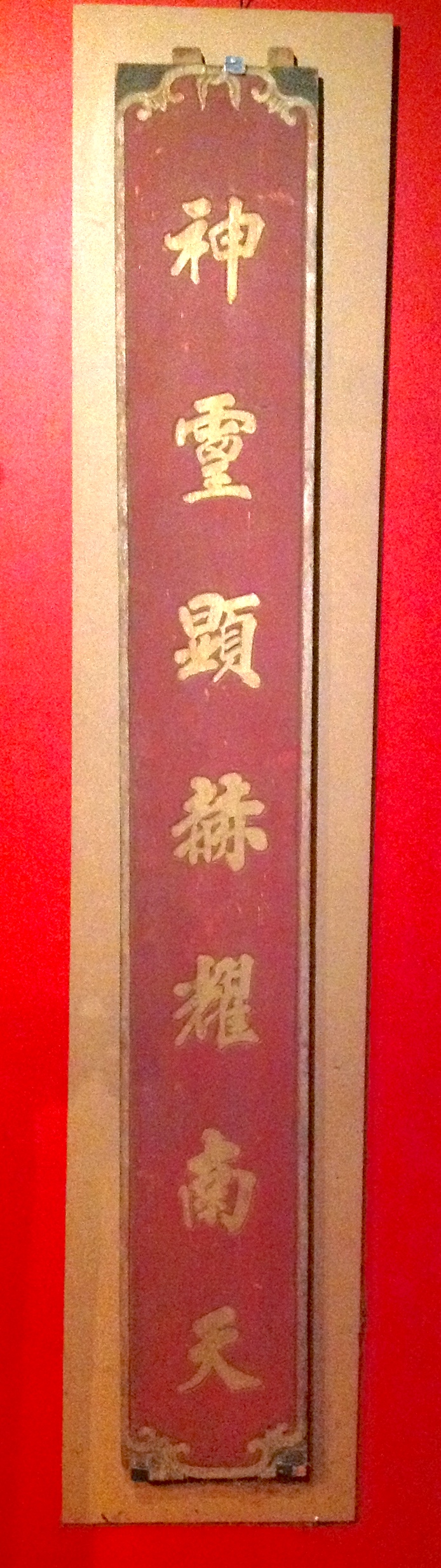
Chinese script was also found in theatre and business documents. Opera troupes had their own written contracts, one of which was reported in the newspapers. There were even political or religious posters, including an anti-Christian broadside denouncing missionary efforts on the goldfields. Temple Boards are another example of surviving use of Chinese characters.
By the 1890s, Chinese-language newspapers appeared in Australia, marking a new phase of written expression. From then on, Chinese writing became far more visible and abundant. Yet even before that, letters would have circulated between the Australian colonies and home villages in China — though few have survived, most dating only from the early twentieth century.
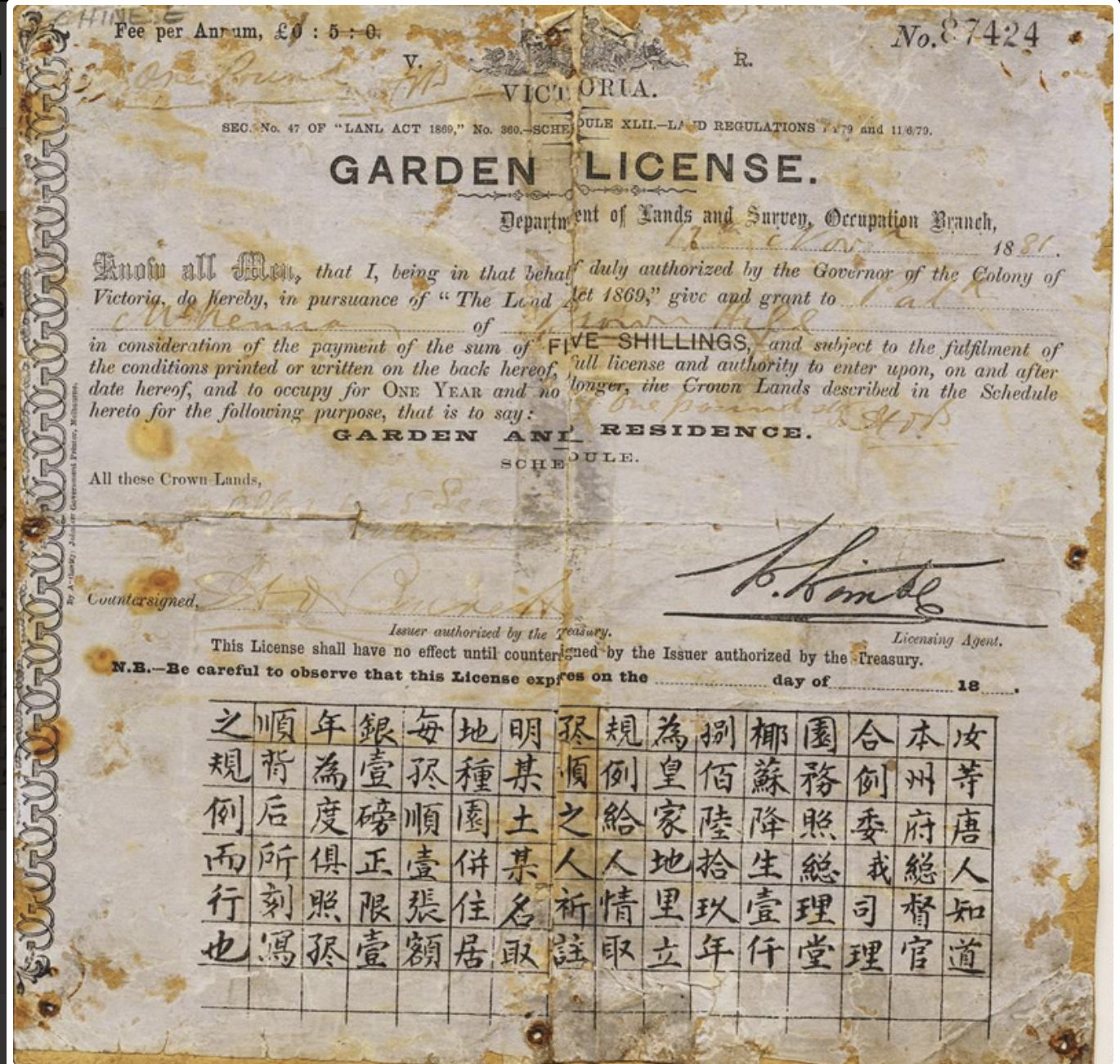
Governments, too, occasionally used Chinese in communication, issuing bilingual notices and licences such as gardener’s permits — some of which survive in the archives today.