Non stereotypical occupations
Date Published
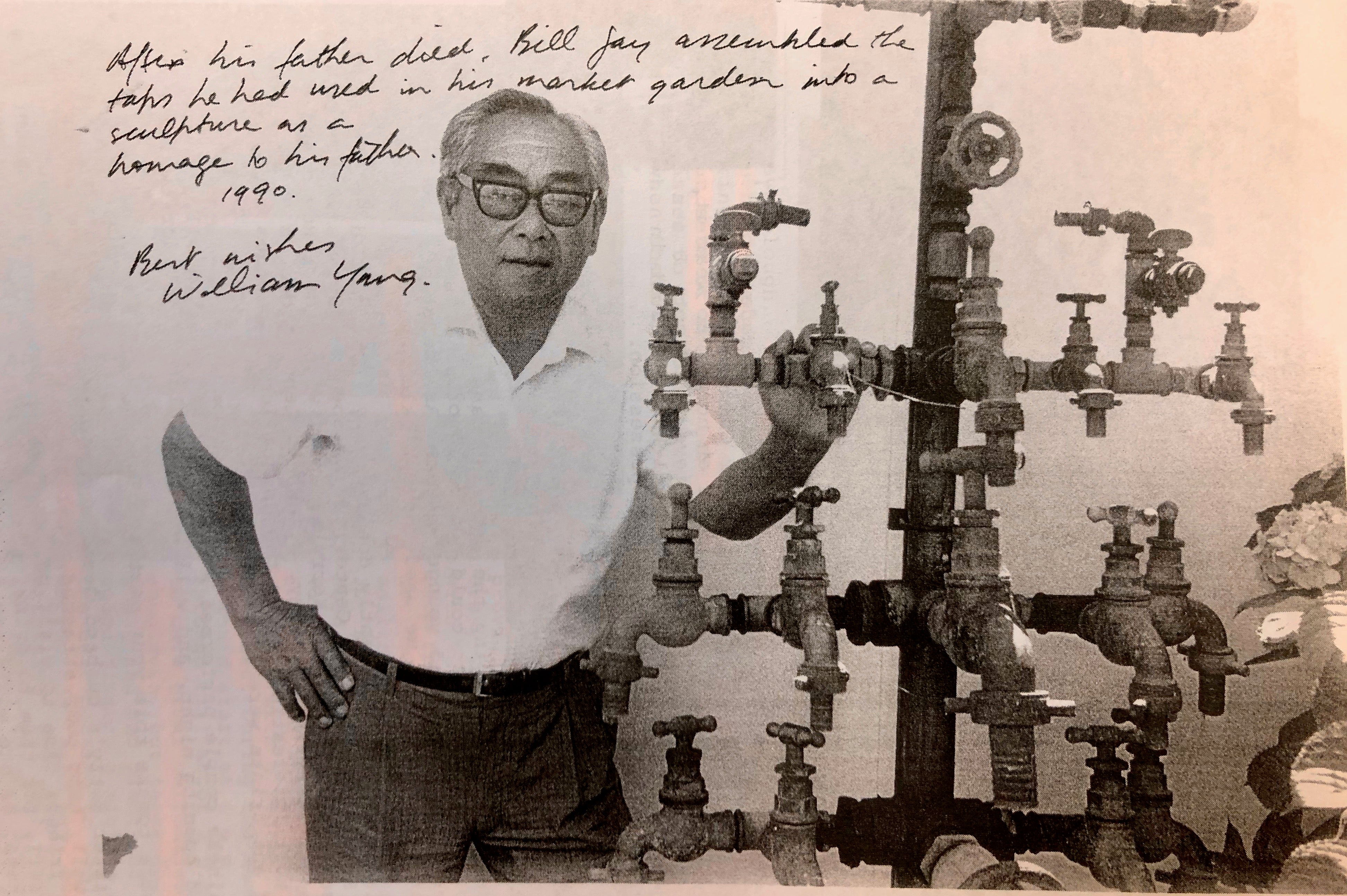
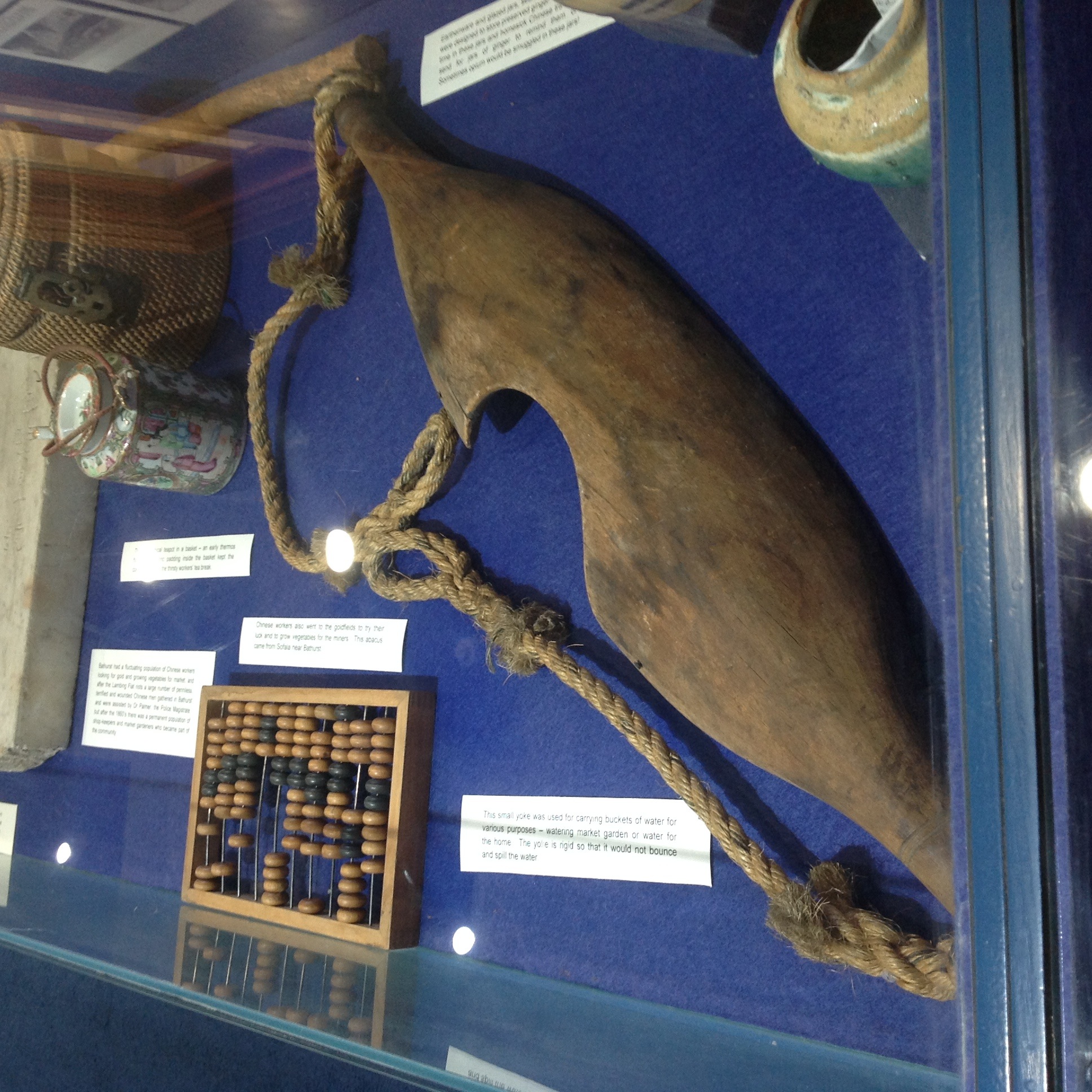
Chinese in Australia are usually imagined as gold miners or market gardeners. But their occupations ranged far wider to include not only many large businesses but farming, fishing, scrub cutting, as well as hat making, barbers, artists, shipbuilding and even a dugong hunter.
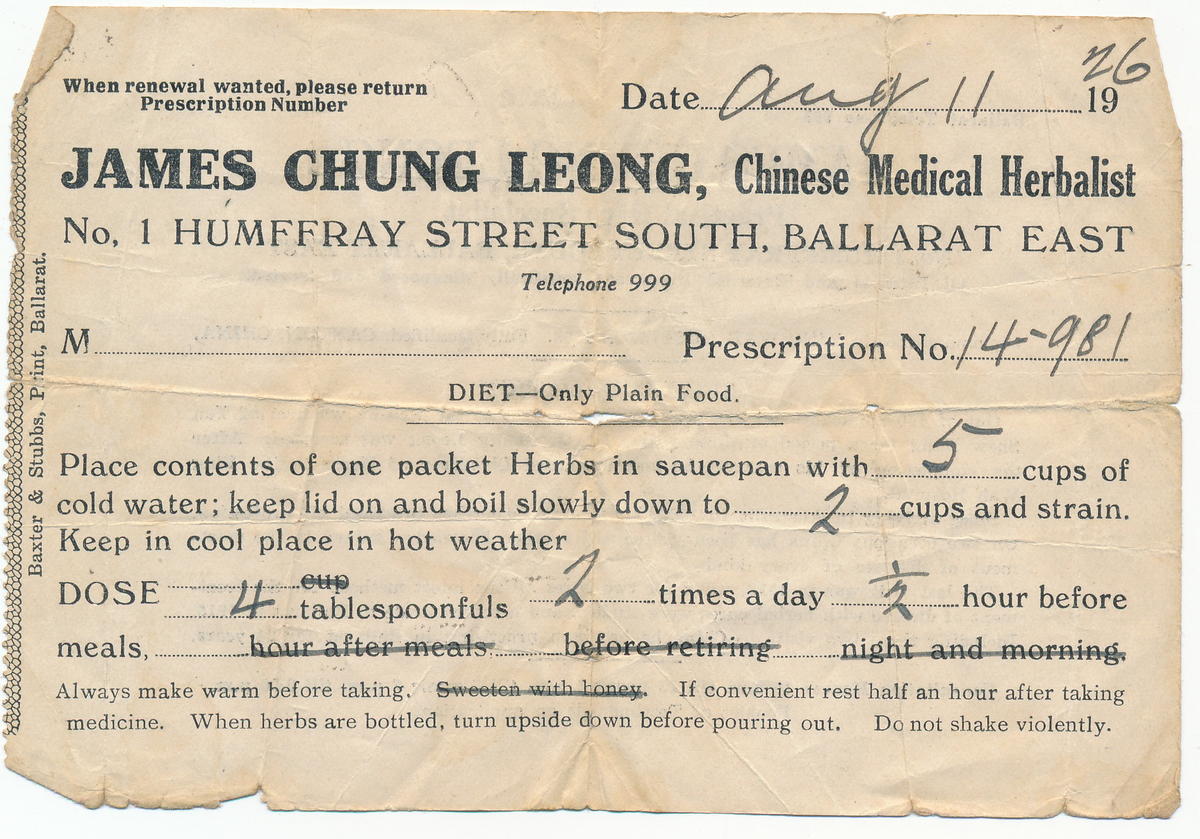
When people think of Chinese Australians, they think primarily of gold miners and then perhaps market gardeners and cabinet makers. If pressed hawkers, shopkeepers and herbalists may be added to the list. While these were all occupations performed by Chinese people and some were ones they dominated for a time, nevertheless there are a large range of occupations that people undertook that lie outside these stereotypes.
From the earliest period Chinese men worked as shearers as well as shepherds, performed in Chinese operas as well as dug gold, ran fishing operations, even hunted dugong, practised photography, made hats and were barbers. There is mention of Chinese shearers in the Burnett region of southern Queensland (then NSW) as early as 1855, although this is disputed. (The Sydney Morning Herald, 13 March 1855, p.3.)
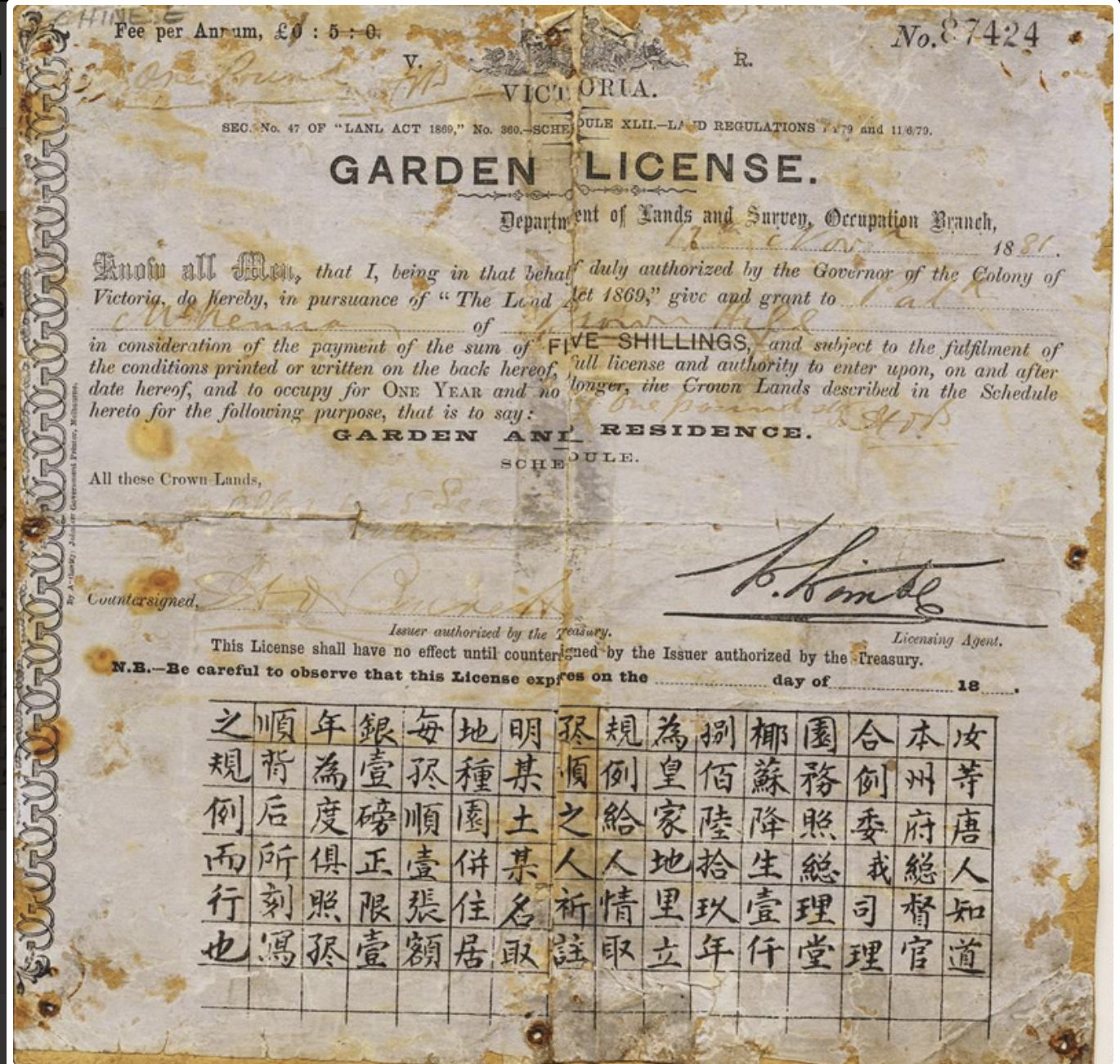
While market gardening was significant, other agricultural endeavours were also common including growing corn, hops, tobacco and fruit. Sun Loy Kee for example, was not only a Wilcannia store keeper but also a horse breeder with his own registered brand. Large scale land clearing that enable others to also pursue agriculture was commonly performed by all Chinese gangs: "They were also employed to clear the scrub land. Most of the Lindenow flats were cleared of ti-tree by Chinese labor. They also were employed in agriculture and fruit growing." (Bairnsdale Advertiser and Tambo and Omeo Chronicle, 22 June 1943, p.1.)
Shipbuilding was undertaken in Cooktown: "When we think of the history of ship building in Australia, Chinese junks probably don’t spring to mind. Yet for a period from the 1870s to the early 1900s a fleet of junks operated in northern Queensland. At least some, if not all of the estimated ten to fifteen known junks, were made locally, in places such as Cooktown." (Stephen Gapps, Australian-Chinese junks and sampans, 27 Feb 2014.)
Even that famed pioneering endeavour the exploration party included Chinese men on occasion such as from Burketown to Port Drawin - "Mr. Cox's party were seven in number, of whom five were Europeans and two Chinese." (The Brisbane Courier, 16 September 1874, p.3.)
As modernity progressed so too did Chinese Australians and "In a little town in the north, eight Chinese have 'formed' themselves into, a company for the purpose of running a picture show. They are great people for picture shows, as can be seen in Bathurst any night.” (National Advocate, 25 April 1917, p.3.)
Not all occupations were about earning money and that favourite Australian sport, horse racing was often participated in by the Chinese community. In fact, Chinese often featured in local events such as that in Tumut in 1896: "One of the features of the meeting was a Chinese Race, for Chinamen's horses ridden by the owners." (Wagga Wagga Express, 6 February 1896, p.2.)
It is not that the image of 19th century Chinese men in Australia as gold miners and market gardens is inaccurate, but that the dominance of these stereotypes pushes aside alternative images. Stereotypes, including stereotypical images, are not wrong because they don't exist, they are wrong because they substitute for nuance, individuality and all that makes up historical reality. The cafe proprietors (see No. 11), doctors (No. 66), opera performers (No. 16), veterans (No. 43), Christian missionaries (No. 2), newspapermen, temple custodians (No. 10), and home builders (No. 21), as well as the politically active (No. 44), the authors (No. 11 & No. 22) and strikers are made more difficult to see. Or if seen at all they are too often perceived as exotic “exceptions” to the norm, rather than as the fundamental elements of the norm they in fact are.