Pig Ovens
Date Published
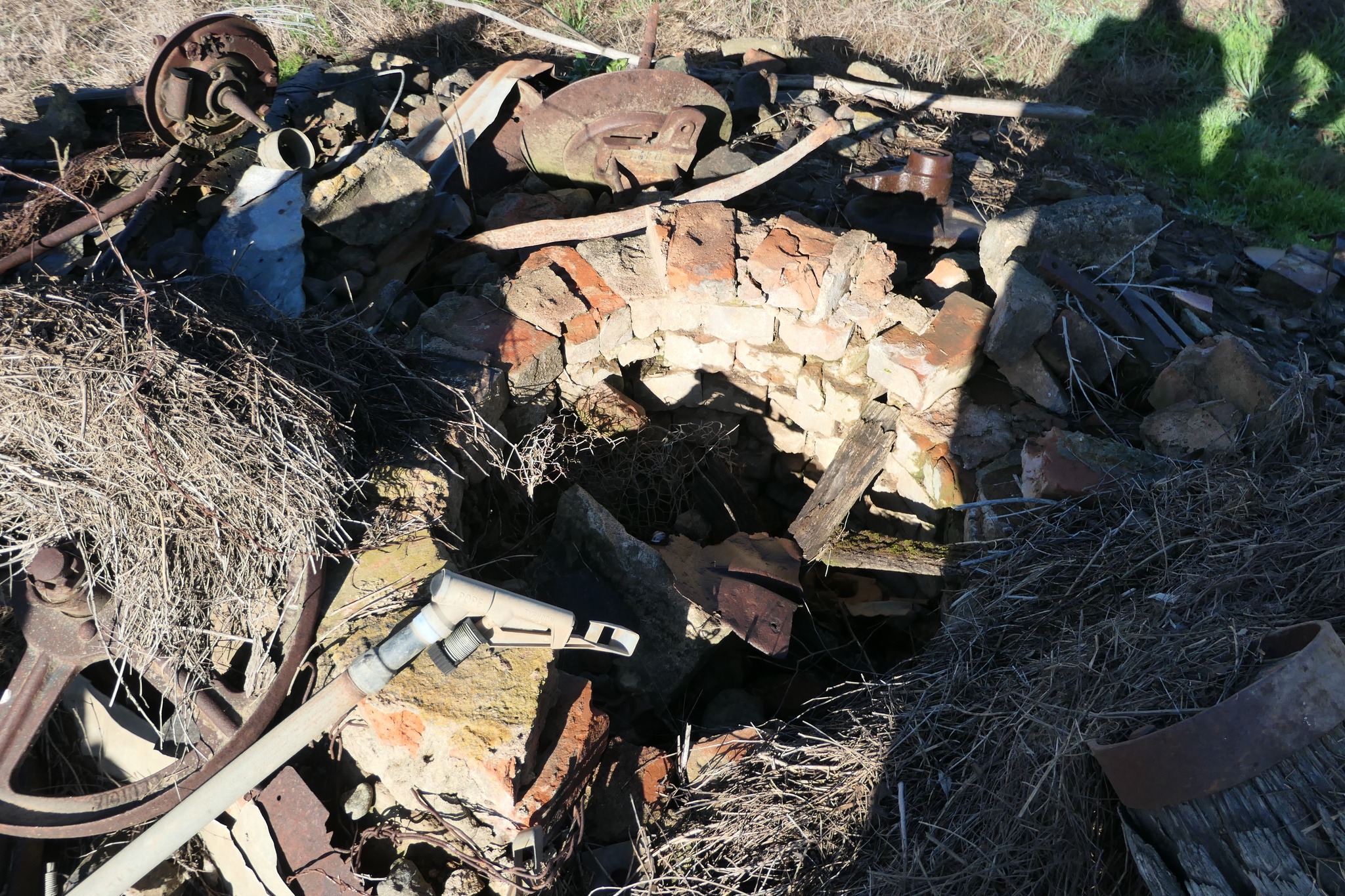
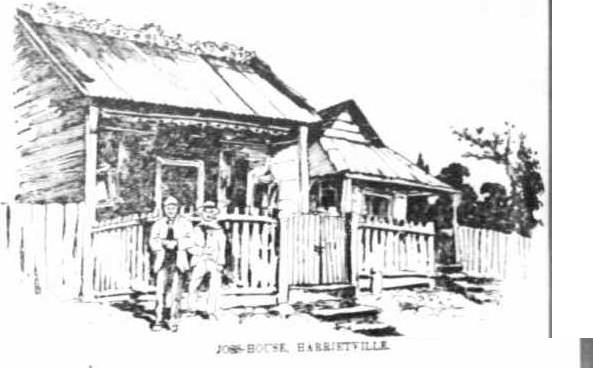
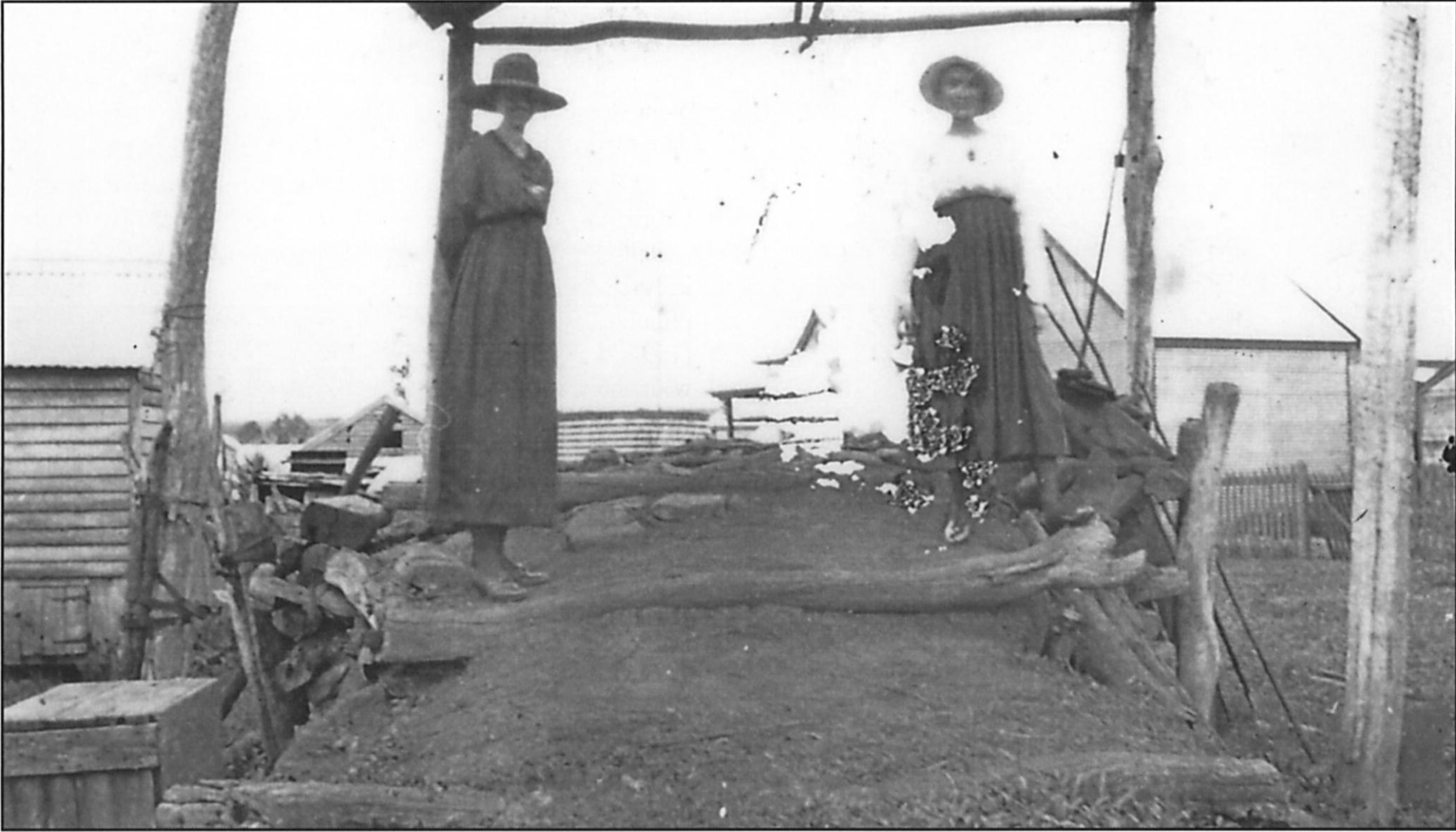
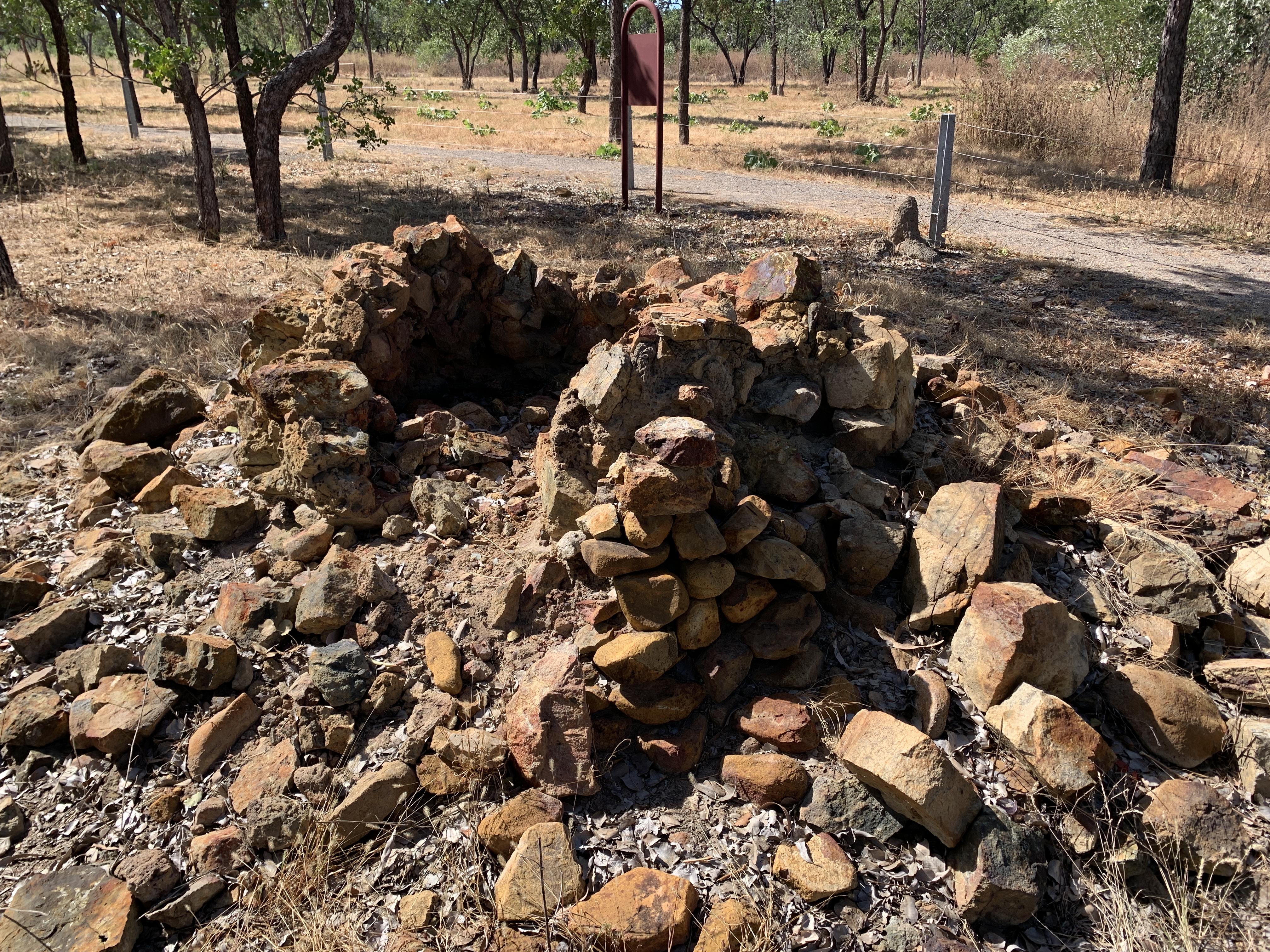
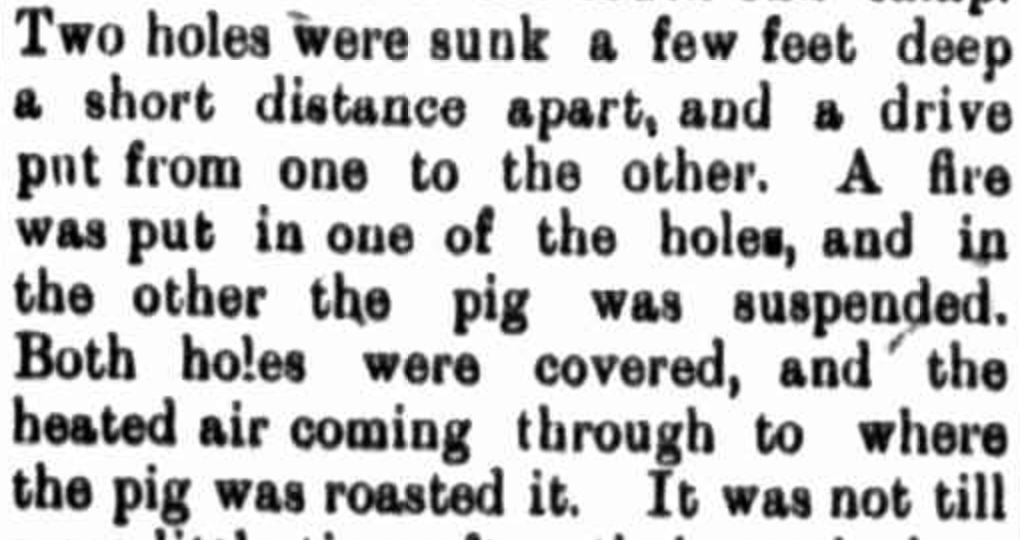
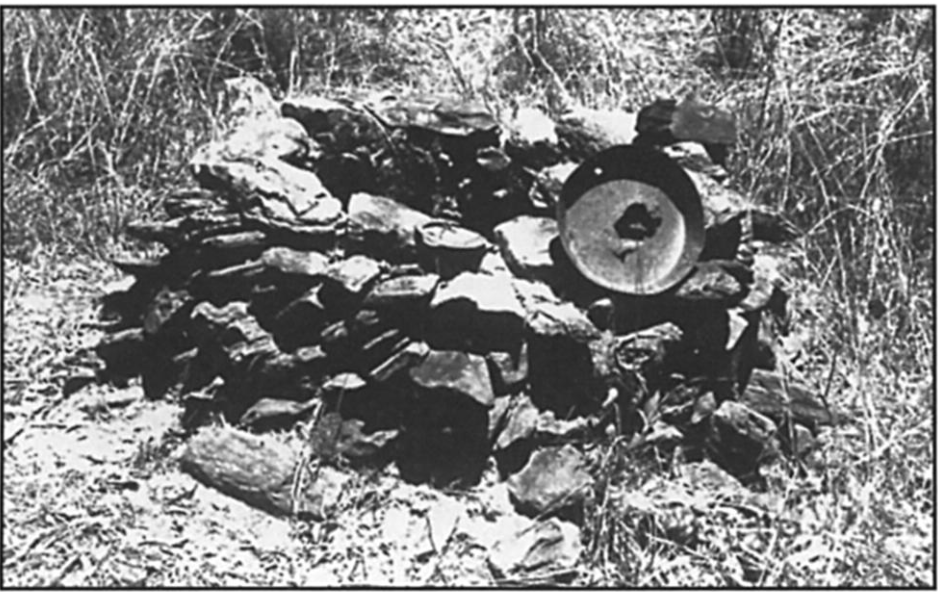
Associated with Joss Houses, burials and festivals was the consumption of whole pig often roasted in mud or stone constructions known as Pig Ovens.
"On mining fields in widely separated parts of Australia, there stand a number of stone and earth ovens built by Chinese miners in the late nineteenth and early twentieth centuries"
Peter Bell, “Chinese ovens on mining settlement sites in Australia”, in Histories of the Chinese in Australasia and the South Pacific, Melbourne, Museum of Chinese Australian History, 1995, p.213.
"Pig ovens must then be seen not as communal ovens to feed large parties of miners or labourers, but as a central element on special occasions, particularly with imported traditions of funeral rites and observances around remembering the dead and tending to their graves."
"It can be demonstrated from the historical record as well as by archaeological discoveries that pig ovens were in widespread use across Australia by Chinese from the mid-nineteenth to the mid-twentieth centuries."
Juanita Kwok, A reassessment of Chinese pig ovens in Australia, Journal of Australasian Mining History, Vol. 21, October 2023, p.98 & p.110.
According to Gordon Grimwade there maybe be 85 identified pig ovens (email: 12/12/23).
Morphology
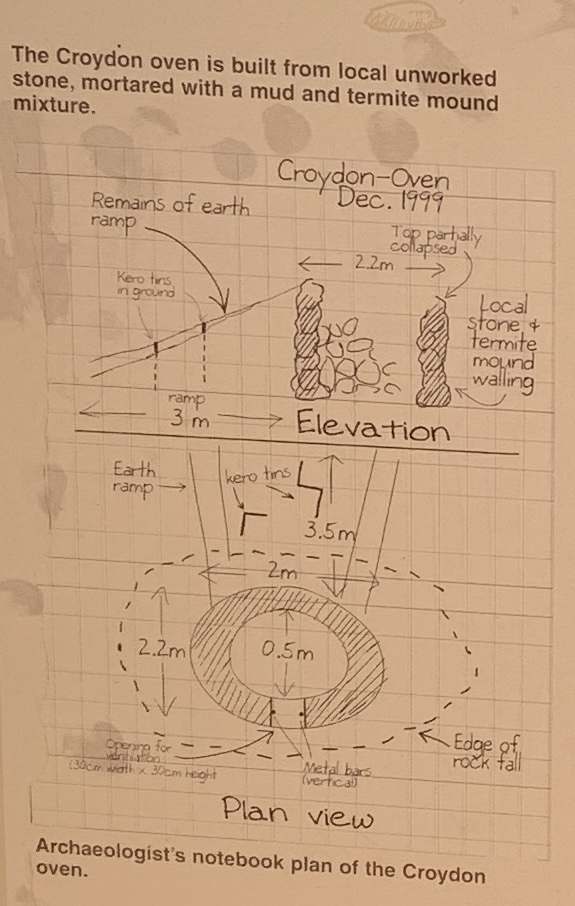
"While there are several variations in respect of the form of the nineteenth-century ovens on the Palmer River, Queensland; Pine Creek, Northern Territory; and northeast Tasmania they generally follow similar principles: they are built of rock, are circular, have small vent holes in the base and an access opening at the top." (Grimwade, 2008:22)
Roasting
"The pig was rubbed with salt, sugar and soy sauce and, sometimes, garlic the night before cooking. It was then wired, or otherwise supported, to ensure the rib cavity remained open during roasting. Next day kindling wood was placed in the front vent opening and larger fuel through the oven top. When the fire was well established a cover of corrugated iron was pulled over the top of the oven. Wet sacks were also applied to help contain the fire. Once the oven had heated to an even temperature the pig was hung from a pole into the oven. The cover was reinstalled and the carcass left for about 45 minutes. After that time it was checked, randomly pierced with a nail and the thicker parts cut with a sharp knife. That helped expedite even cooking. The rib steak was regarded as the prime cut in such a cooking process (Peter Poy Joe 2000 pers. comm.)." (Grimwade, 2003:55-56)
See:
Peter Bell, “Chinese ovens on mining settlement sites in Australia”, in Macgregor, P., Histories of the Chinese in Australasia and the South Pacific, Melbourne, Museum of Chinese Australian History, 1995, pp.213-229.
Malen Bjornskov, Rock, motar and traditions: an archaeological study of Chinese 'ovens' in the Northern Territory. In Clayton Fredericksen and Ian Walters (eds), Altered states: material culture transformations in the Arafura Region, Northern Territory University Press, 2001, pp.121-147.
Gordon Grimwade, Crispy roast pork: using Chinese Australasian pig ovens, Australasian Historical Archaeology , 2008, Vol. 26, 2008, pp. 21-28.
Gordon Grimwade, Gold, gardens, temples and feasts: Chinese temple, Croydon, Queensland. Australasian Historical Archaeology 21, 2003, pp.50-57.
Juanita Kwok, A reassessment of Chinese pig ovens in Australia, Journal of Australasian Mining History, Vol. 21, October 2023, pp.95-113.
Other possible Pig Ovens
Sandi Robb reported a pig oven in Townsville at the back of a shop. Thesis?
Cairns, Etheridge, Innisfail, Port Douglas and Thornborough - Gordon Grimwade