Racism / discrimination
Date Published
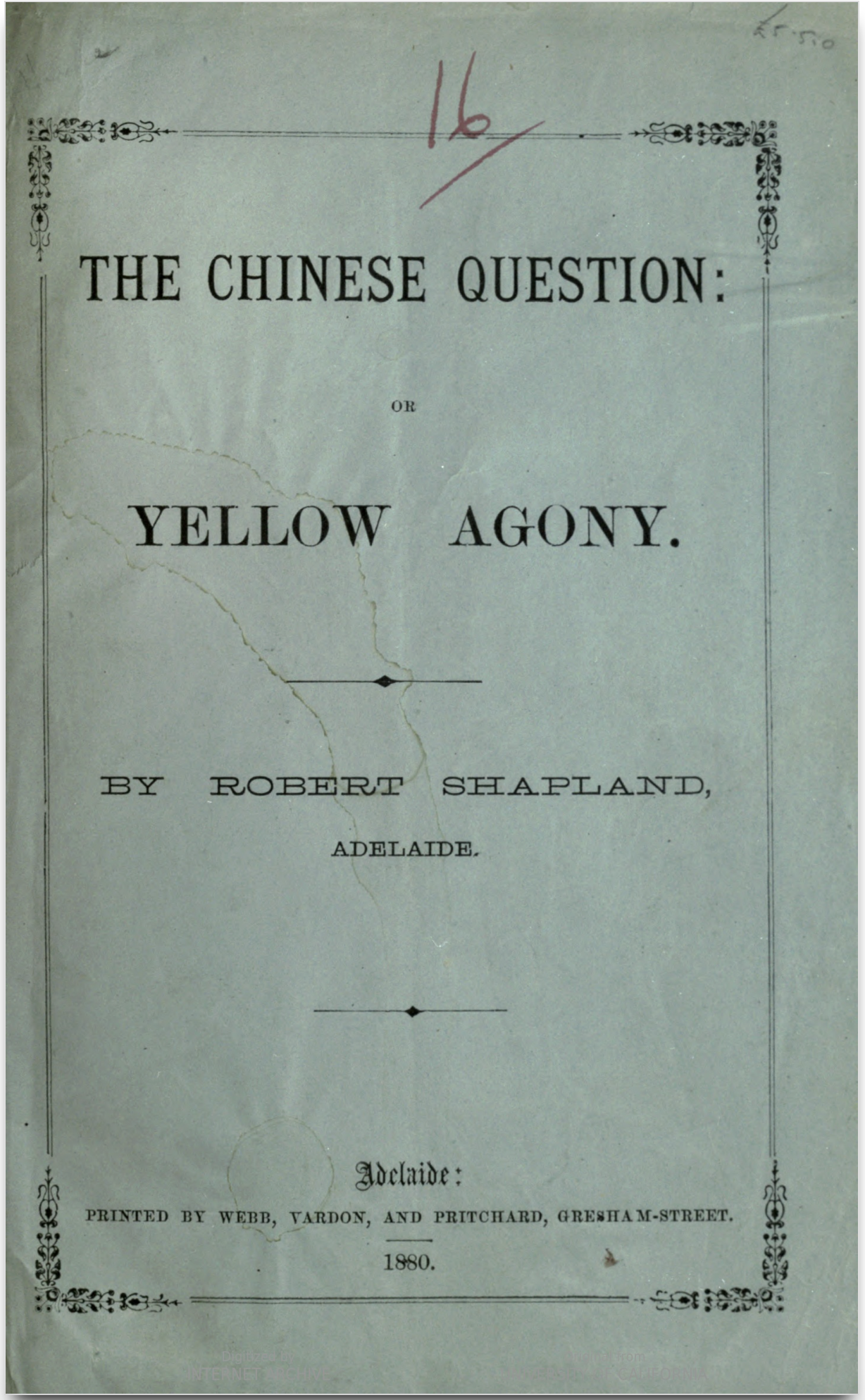
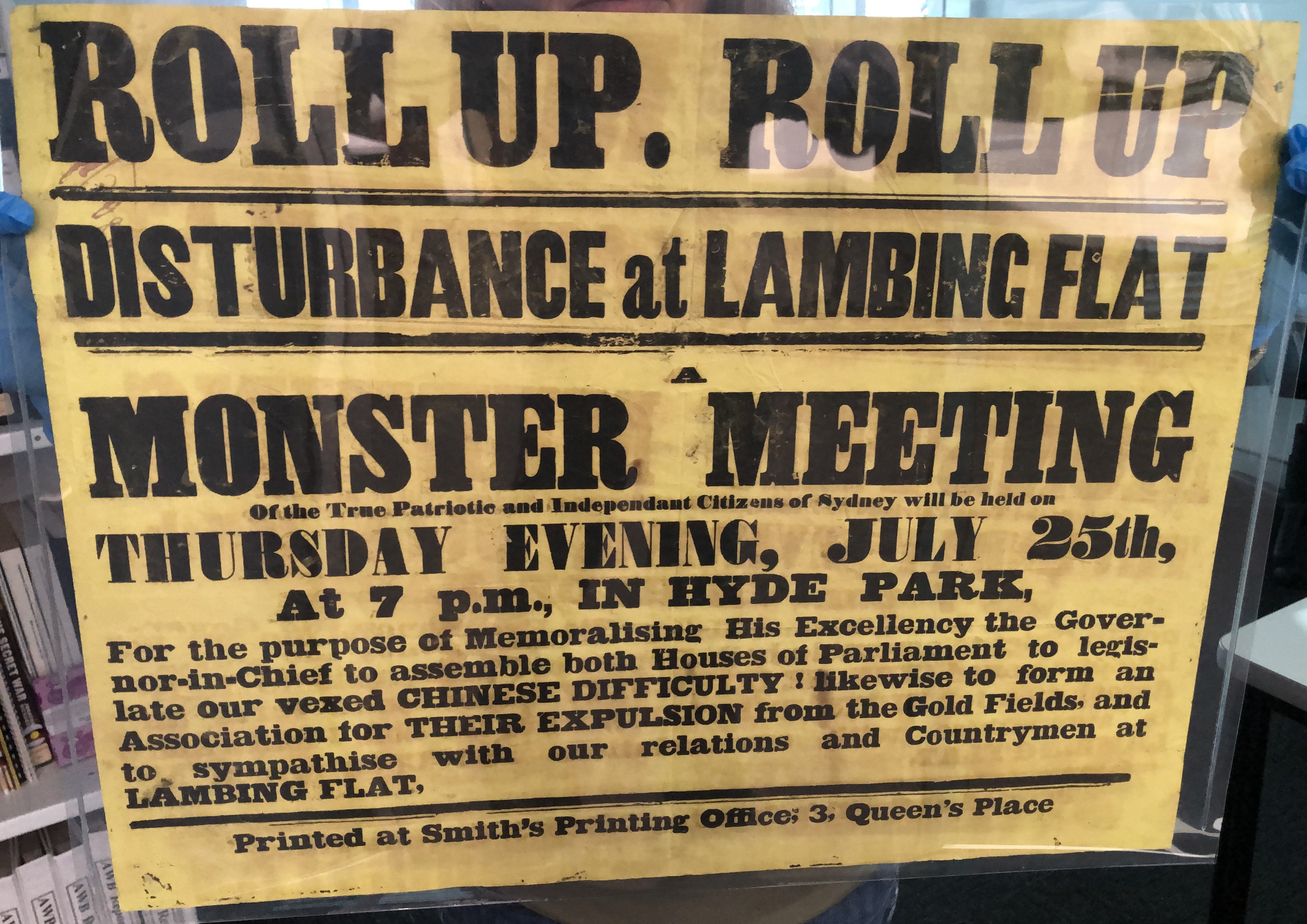
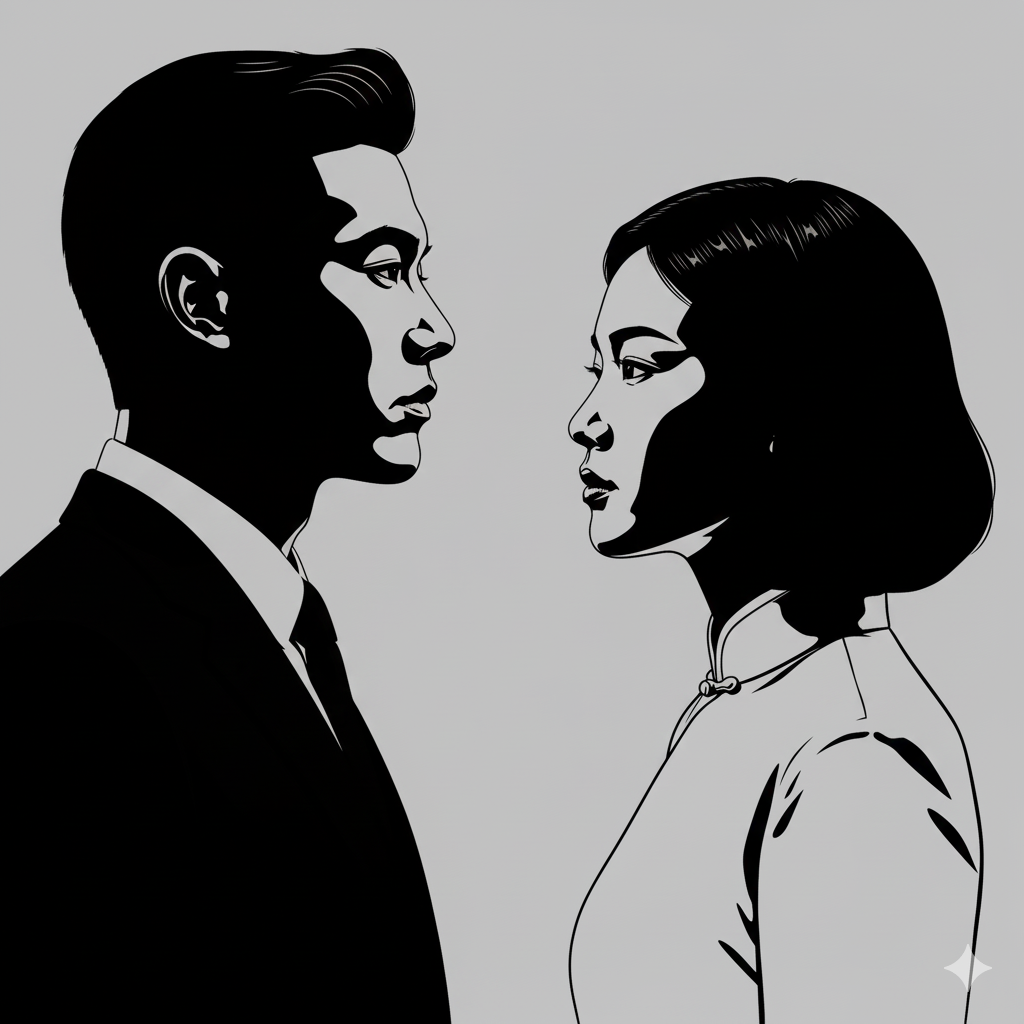
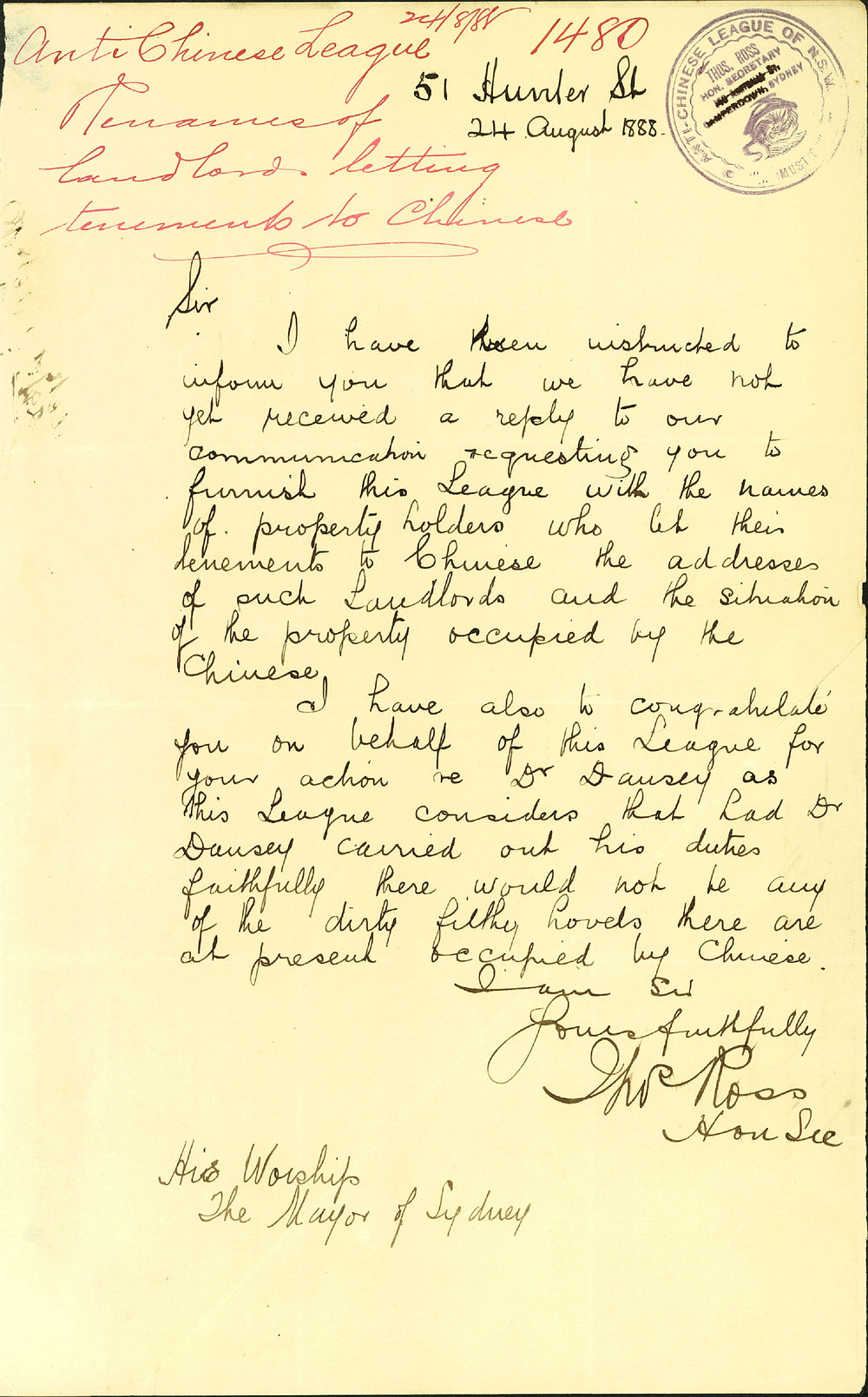
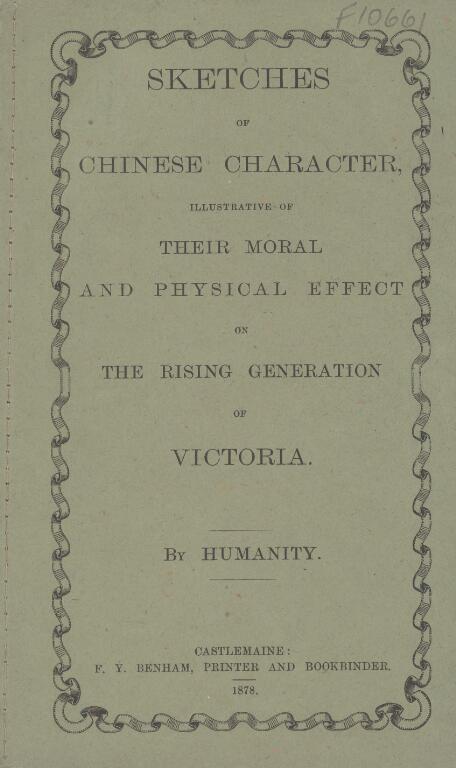
Racism and discrimination have taken many forms throughout Chinese–Australian history, and were, for long periods, an everyday reality. The modern term racism only emerged in the early twentieth century, when societies began to reflect more consciously on the nature and consequences of prejudice. Well before then, Chinese people in Australia had lived with its effects.
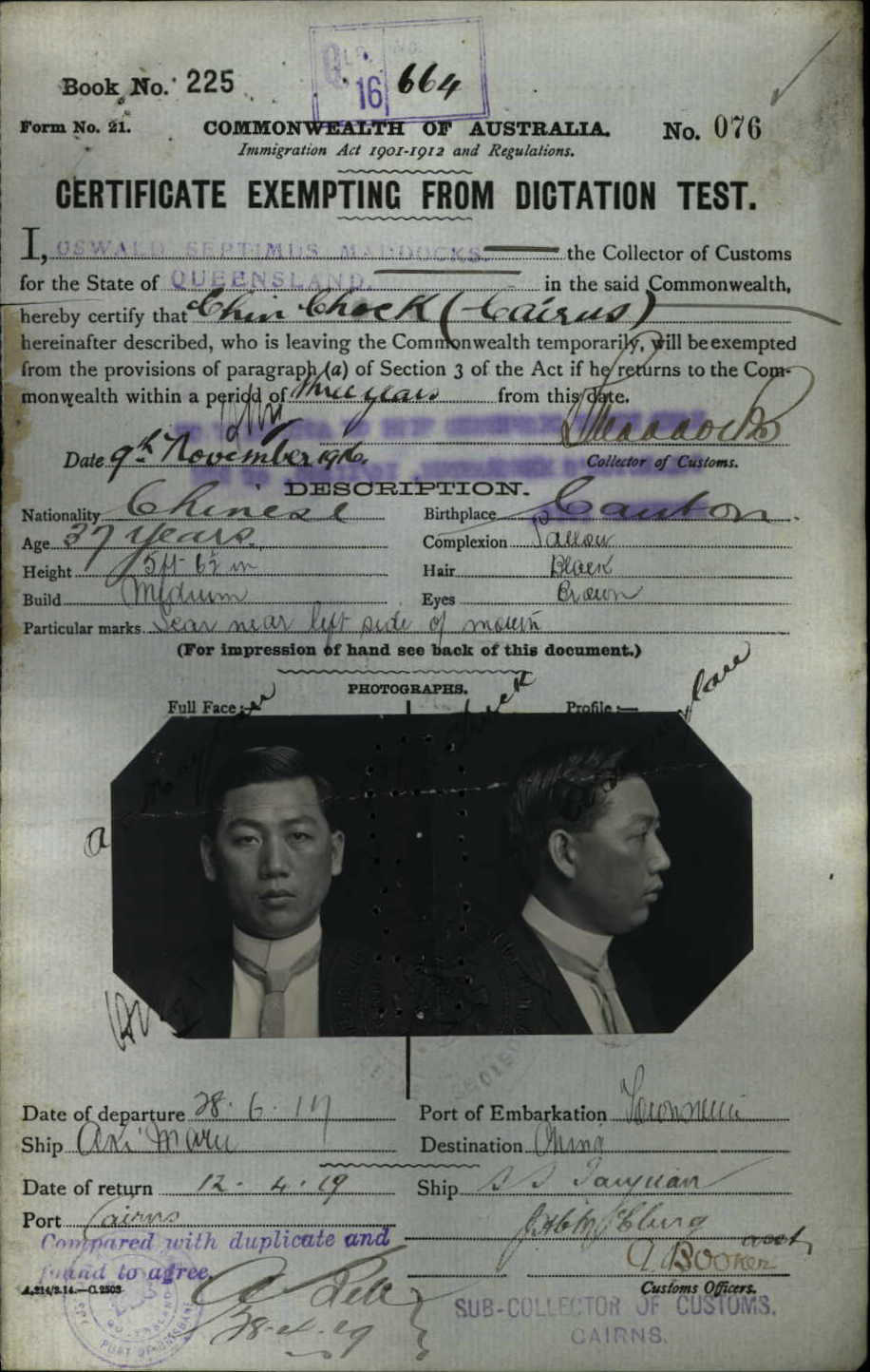
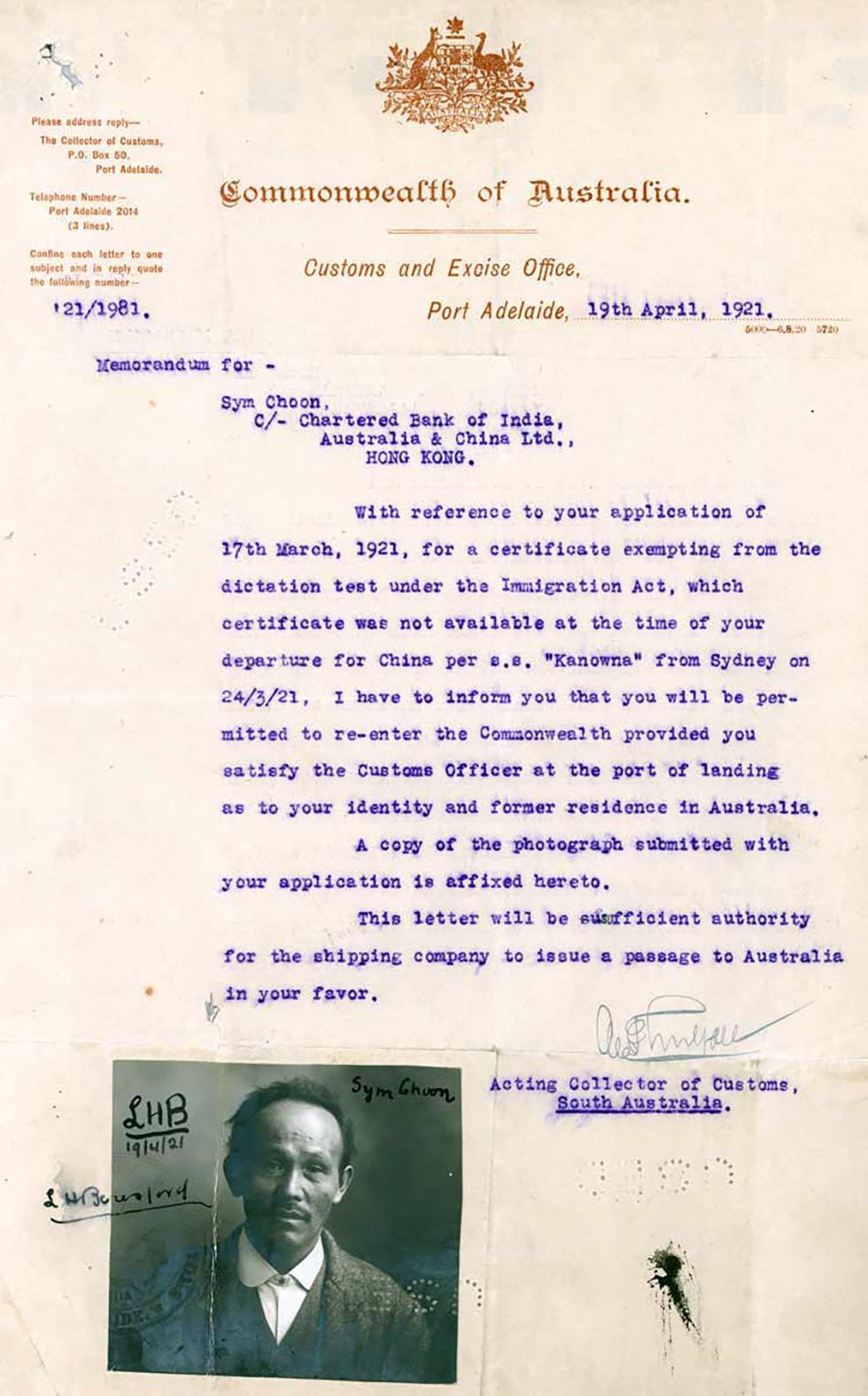
For Chinese–Australians in the nineteenth and early twentieth centuries, discrimination operated both formally and informally. In law, it meant restrictions on naturalisation, immigration, movement and residency. In daily life, it meant enduring constant casual racism: being referred to as “Chinamen” or “Celestials,” being treated as a homogenous type rather than as individuals, and being subject to stereotypes about appearance, behaviour, morality, or supposed cultural traits.
But the dynamics were not simply one-sided. Chinese migrants themselves also held assumptions and prejudices shaped by their own cultural frameworks. Newspapers, letters home, and community writings reveal that many saw themselves as culturally distinct from, and sometimes superior to, the surrounding European population. Their aspirations and loyalties were grounded heavily in the villages and districts from which they came, and this could translate into dismissive attitudes toward the “barbarian” or “foreign” society in which they temporarily lived.
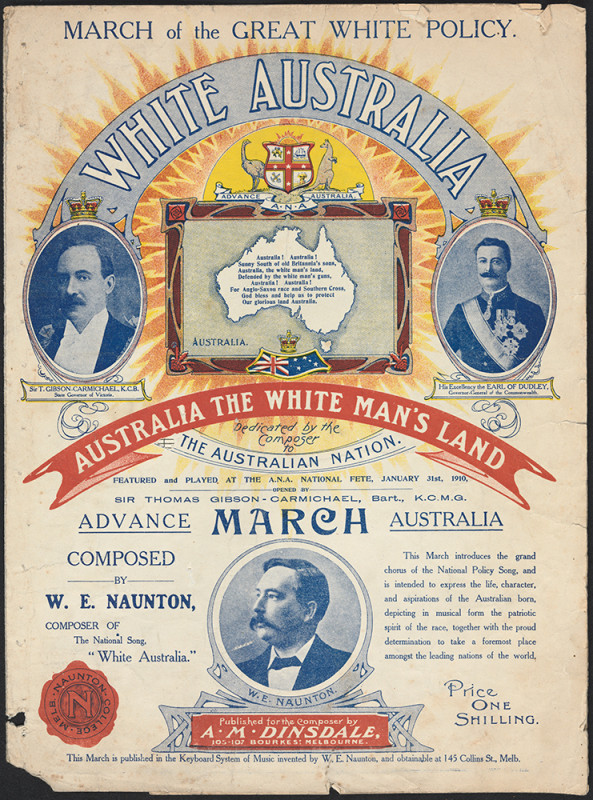
As the twentieth century progressed and public awareness of racism increased, overt hostility slowly diminished. Yet during the long decades of the White Australia period, simply being Chinese meant being marked as different, exotic, or foreign. This affected Chinese Australians in many ways, particularly those born in Australia who had limited connection with China or Chinese culture but were nevertheless seen as outsiders.
There were, however, notable exceptions. In some rural and regional communities, Chinese families were treated largely as individuals rather than as representatives of a racial category. Local familiarity sometimes softened the sharper edges of racial prejudice. But this acceptance came at a cost: isolation from larger Chinese communities often meant that many Australian-born Chinese grew up with only a faint sense of their cultural heritage.
Overall, racism—formal and informal, overt and subtle—formed a persistent backdrop to Chinese-Australian life. Its shape changed over time, but its presence shaped identities, relationships, and the experiences of generations.