Chinaman's Dam Reserve, Young
Date Published
: Mining (gold fields), violence (anti-Chinese)
: Central Tablelands (NSW)
: Young
: 1996
The garden was developed in recognition of the contribution of the Chinese community to the settlement of Young in the 1860s and the ongoing contribution of the Chinese people to Australia as a nation.
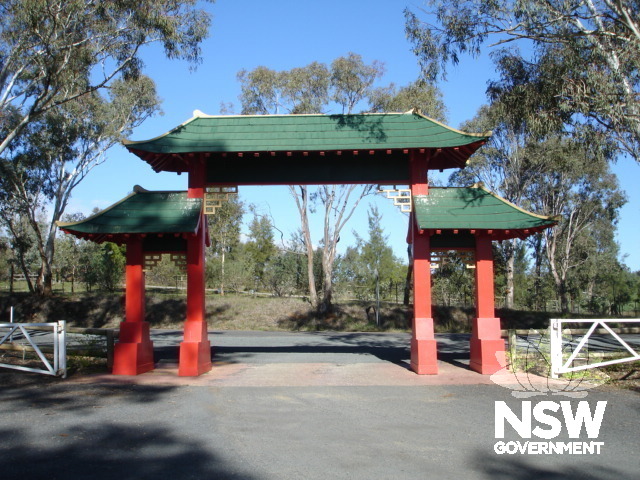
Chinese gateway dam reserve
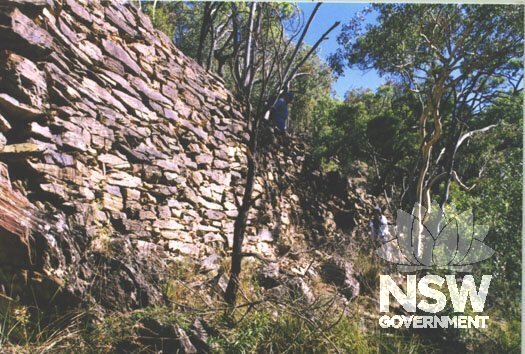
"The discovery of gold on Australian fields in the mid 1800’s attracted great interest from miners from all points of the globe including Europe, America and China. When gold was discovered at Lambing Flat (Young) in 1860, the area was swamped by miners arriving here to seek their fortune. Among those miners were two German brothers, Hermann and Johann Tiedemann, The Tiedemann brothers and others built Chinaman’s Dam in the 1860s when they started the Victoria Hill sluicing claim.
In the time of the gold rush water was a very valuable resource used for washing dirt from the gold. To overcome this dams like Chinaman’s Dam were built by miners at the end of and along the creeks leading down to the flats and water races (channels to carry water from the claims to the diggings) were cut along the hillsides. At some time in the 1870s Tiedemann brothers sold the area, including the dam, to a group of Chinese who worked the site, however the sale was never documented and records show that the area has always been Crown Land. The area has been known as Chinaman’s Dam by Young residents since at least the late 1880s.
The site was declared as a reserve under the control of Burrangong Shire Council in 1963. The dam was subsequently enlarged by Council. In 1992 the Young Rotary Club began the development of a Chinese Garden at the Chinaman’s Dam site ‘in recognition of the contribution of the Chinese community to the settlement of Young in the 1860s and the ongoing contribution of the Chinese people to Australia as a Nation’. Phase 1 of this project involved the establishment of a new entrance and car park. Traditional Chinese gates were sourced from Taronga Park Zoo where they had been part of the Bicentennial panda display. Earthworks were also undertaken to create a passive lake in the area that was to become the Chinese garden. Phase 2 saw the initial establishment of the gardens with stone quarried from near Boorowa being worked on site by a local stonemason. The project was handed over to Young Shire Council on 11 December 1996."
Source: NSW Environment and Heritage
That the association of this dam with Chinese people only dates from the late 19th century, but that it is often associated with the gold rush period is typical of many sites around Australia. It is fortunate that the non-European origin of this dam is well documented.
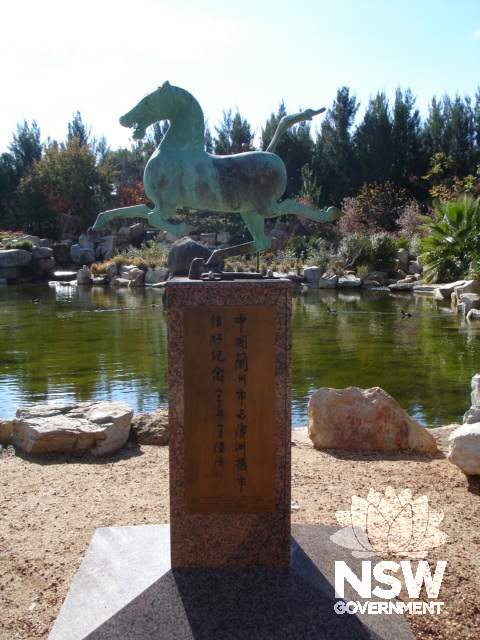
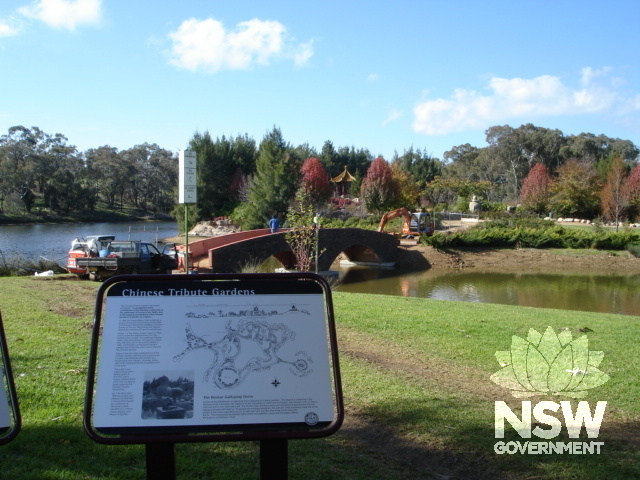
Chinese Tribute Gardens