Tobacco Farming
Date Published
Growing tobacco was once widespread among Chinese people in NSW and QLD.
Chinese participation in the tobacco industry in colonial New South Wales and Victoria forms part of the wider pattern of Chinese engagement in labour-intensive, small-plot agriculture that required persistence, technical skill, and flexible leasing arrangements.
1. Extent and Distribution
From the 1860s through the early 1900s, Chinese cultivators were heavily involved in tobacco growing in regions such as: northeastern Victoria — notably around Beechworth, Bright, Myrtleford, and Wahgunyah, and southern New South Wales — especially Albury, Tumut, and the Murrumbidgee valley.
These were often the same districts that had hosted gold rush settlements. When mining declined, Chinese miners repurposed river flats and fertile valleys into tobacco and vegetable farms.
By the 1870s and 1880s, Chinese leaseholders reportedly dominated tobacco production in parts of Ovens Valley and the Upper Murray.
2. Methods and Labour Practices
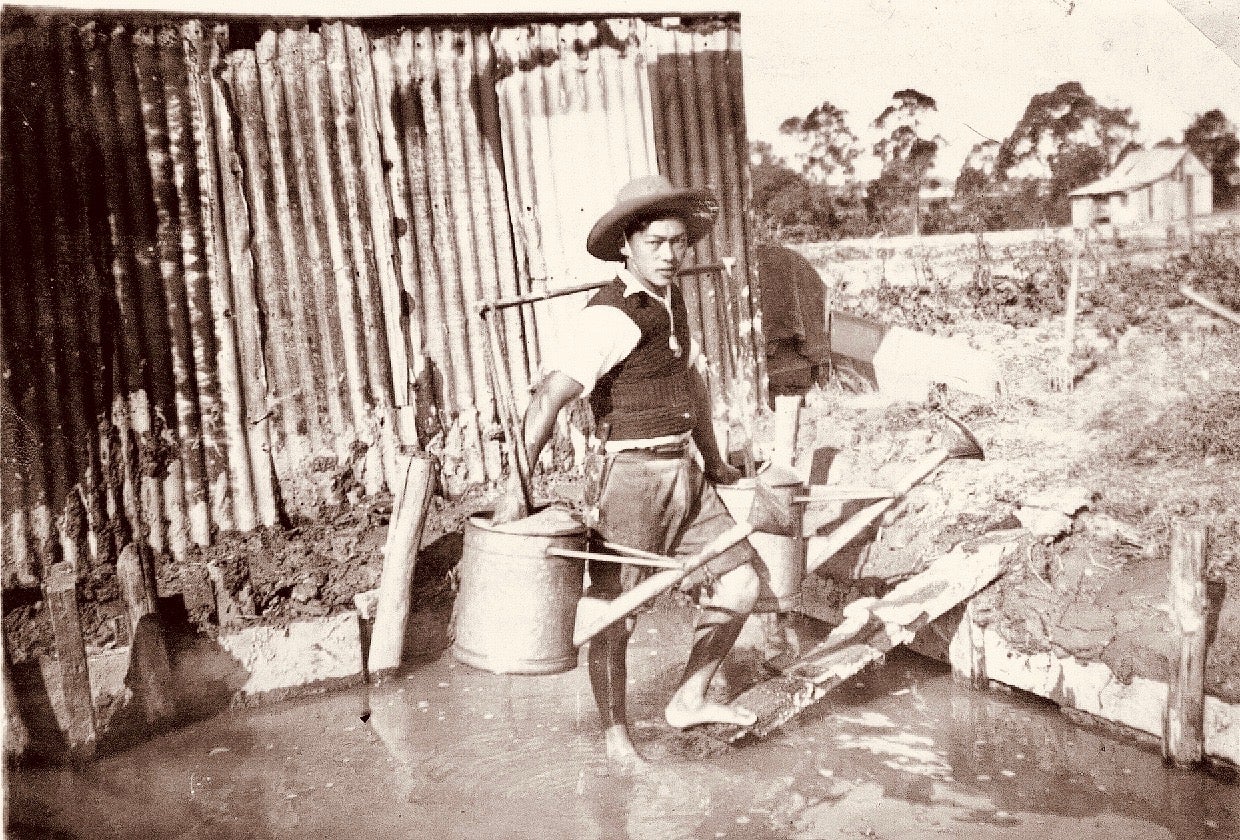
Tobacco cultivation was labour-intensive — demanding careful seed-raising, transplanting, regular hoeing, and the delicate process of drying and curing. Chinese farmers frequently worked as: independent leaseholders, paying rent to European landowners; contract growers, cultivating the crop for a fixed return; or cooperative groups, pooling labour for different stages of the crop cycle.
Their willingness to endure the demanding curing process (often in makeshift kilns or sheds) gave them a reputation for diligence, though it also provoked resentment among local European farmers who found the crop unprofitable under European wage expectations.
3. Economic and Policy Context
Colonial governments encouraged local tobacco production to reduce dependence on expensive American imports (particularly from Virginia and Kentucky). Several Royal Commissions and select committees during the 1880s–1890s debated protective duties and quality controls. However, complaints about “inferior colonial tobacco” and taxation disputes (especially excise duties) made the industry unstable.
When tariff protection increased under Federation, the Chinese share of the industry declined as larger capitalised firms mechanised production and absorbed small growers.
4. Social Perceptions and Racial Debate
Like market gardening, Chinese success in tobacco drew both admiration and hostility.
Local papers alternated between praising Chinese “industry and neatness” and accusing them of undercutting white farmers. Inquiries into the “Chinese Question in the Ovens District” occasionally cited tobacco growing as evidence that Chinese men could successfully “settle” — yet simultaneously argued they should not.
5. Historical Neglect and Research Potential
Despite its significance, this topic has been little studied compared with gold mining or market gardening. The tobacco files in the Victorian Parliamentary Papers, Customs and Excise records, and local newspapers (e.g. Beechworth Ovens and Murray Advertiser) hold valuable data on leases, yields, and disputes. There are also scattered references in: local histories of the Ovens Valley and Tumut districts.
THE DISTRICT ABOUND KILLARNEY
Killarney was reached at dusk, everyone being loud in their praises of the magnificent country passed through. Next morning, accompanied by Mr Macansh and others, a visit was paid to tho tobacco fields around the township, which are exclusively in the hands of Chinese As far as could be seen down the valley of the Condamine were long and high sheds used for the drying and storing of the tobacco leaf. All these sheds were erected by Mr Macansh, the Chinese building their own dwellings. They have their own store and Joss house, and number in all over 200, only a few of whom are females. They plant the tobacco plants about 3ft by 3ft, and do almost all the work with hoes. Amongst the workers was a white lad, said to be getting 7s per week. Yet the farmers are more favourably situated than the Chinese for growing tobacco, as in many cases the land is their own, and they have families, who could easily assist them in the lighter. The terms on which the Chinese hold their land are: The sheds are built for them and the land ploughed and harrowed twice in the year; they do all the rest. They pay at the rate of £4 per acre per annum, sink their own wells, draw their own water, &c , and then make it pay handsomely. Mr Macansh has about 300 acres let to Chinamen for growing tobacco. There are white men growing tobacco but this work is almost exclusively done by their paid Chinamen. I may say that the land leased to those Chinamen is second to none in the colony. "