Districts of origin / qiaoxiang
Date Published
Districts of origin / qiaoxiang
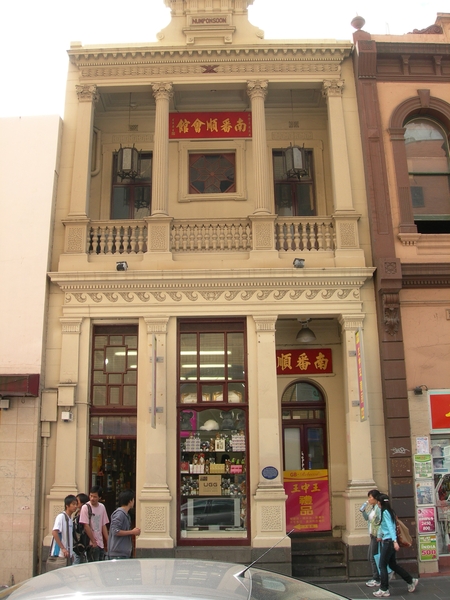
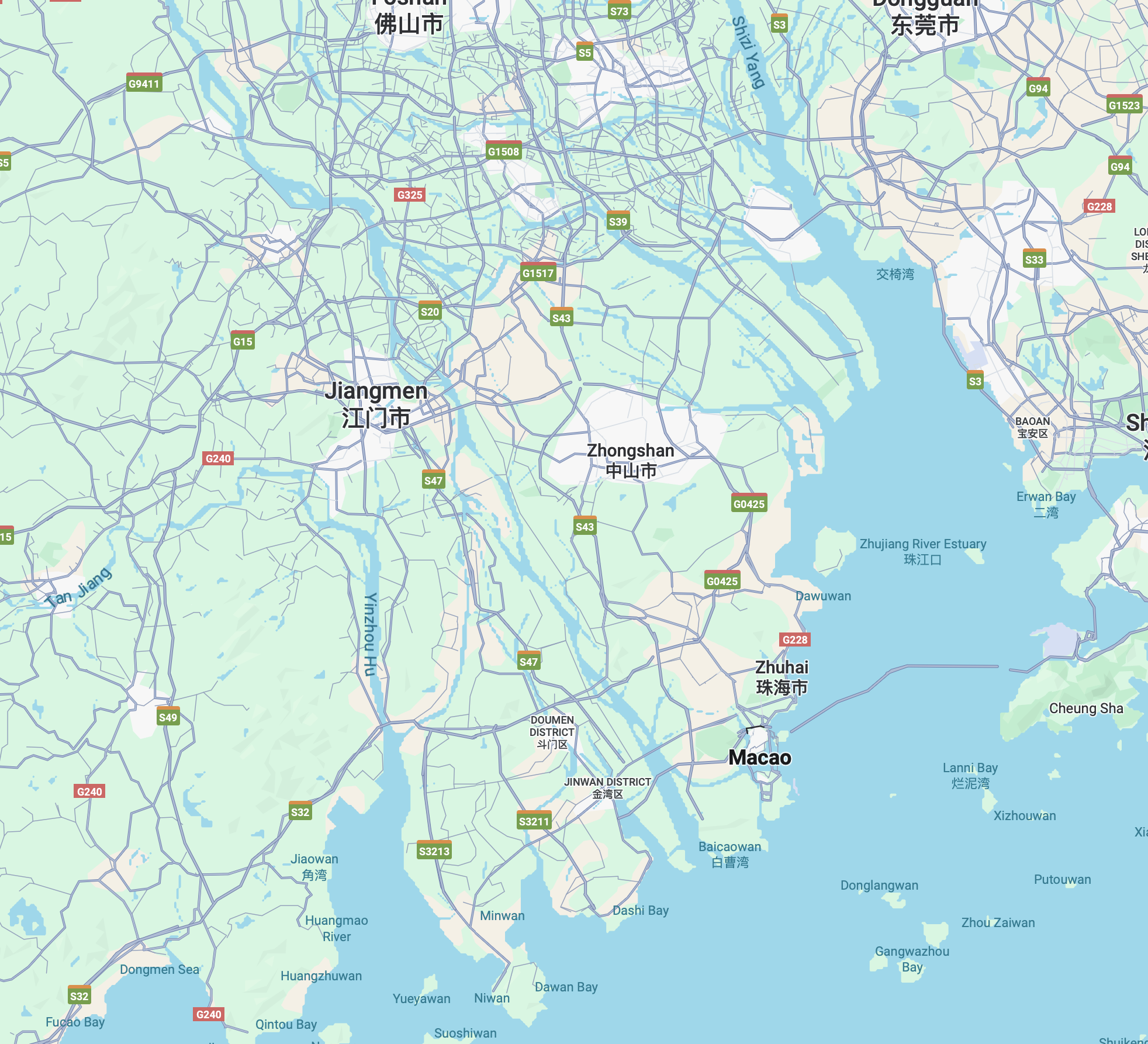
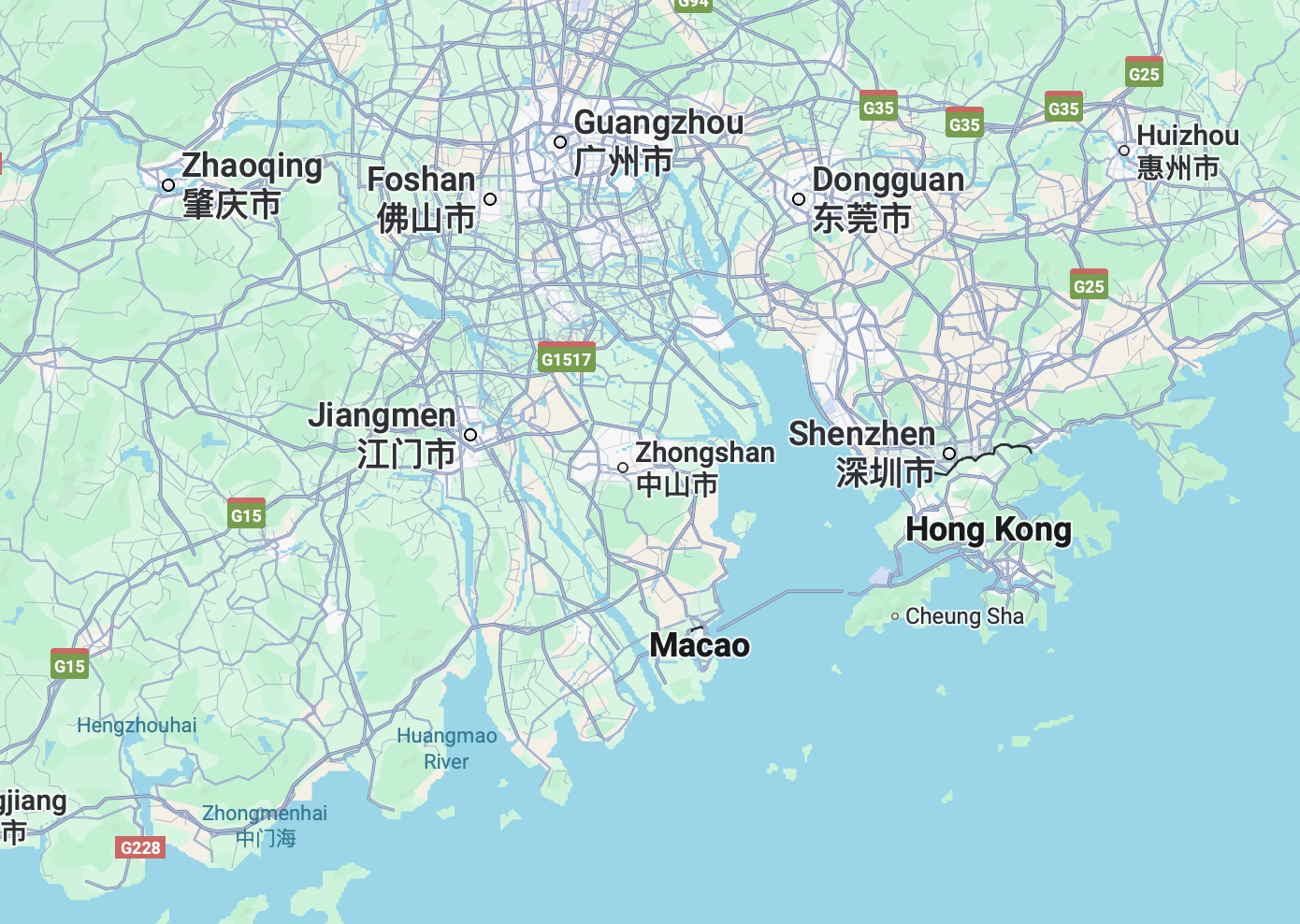
Much of provincial China was historically divided into counties or districts composed of groups of villages. While some migrants organised themselves along village lines when numbers allowed, in Australia most structured their associations around the larger district level. Among the Cantonese-speaking settlers, the principal districts represented were those of the Pearl River Delta: the Four Districts (Siyi) centred on Taishan, along with Zhongshan and Dongguan to the north. All were within relatively easy reach of Hong Kong or the provincial capital of Canton (Guangzhou), facilitating communication and travel.
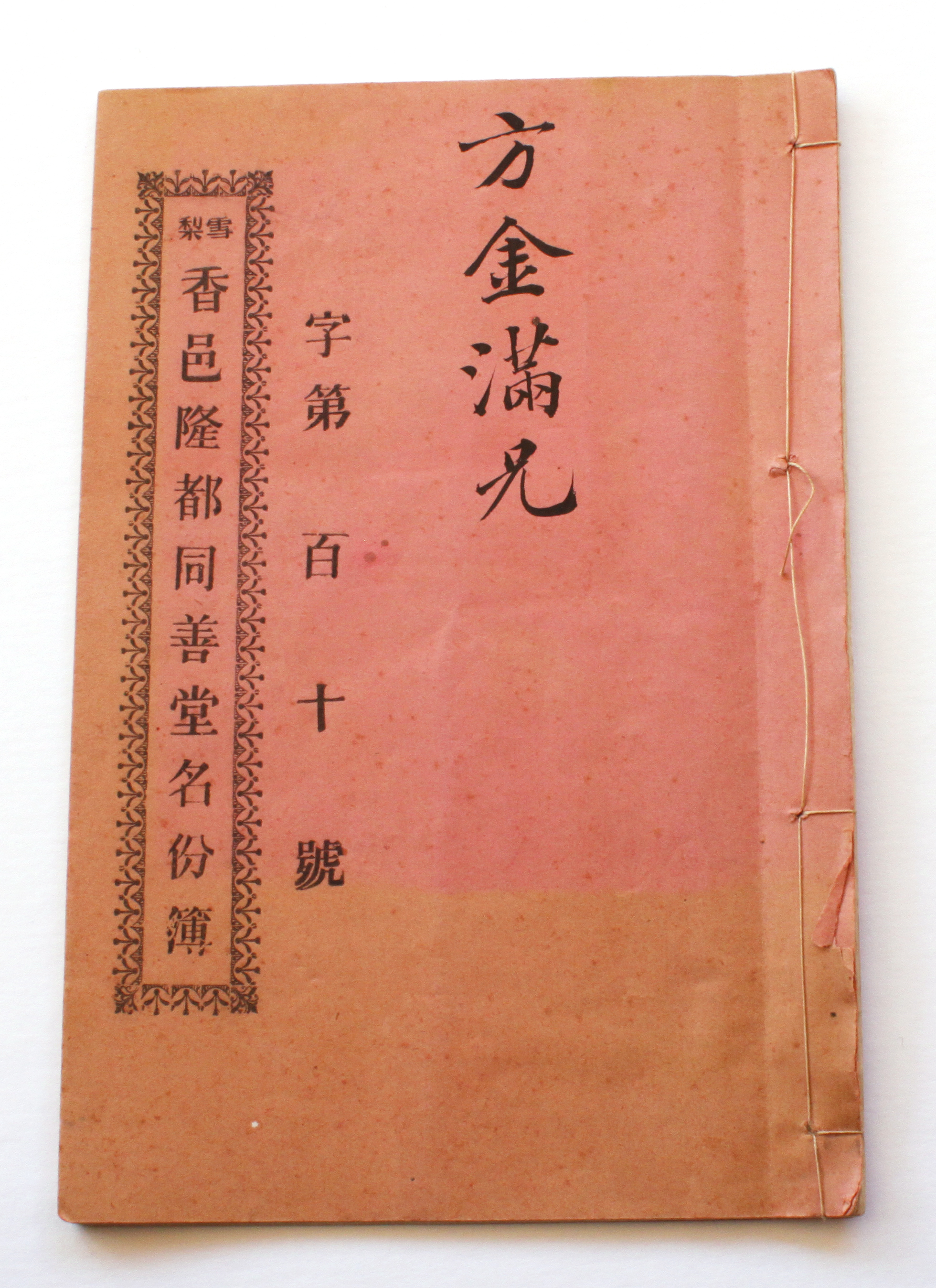
On this foundation, Chinese migrants established district-based mutual aid societies in Australia—organisations closely modelled on those that had long existed both within China and throughout its wider diaspora. Such societies assisted members who fell into difficulty, coordinated the repatriation of the sick or deceased, handled remittances, and offered collective representation in dealings with local authorities and immigration offices.
These associations were more than expressions of local identity; they were also social hierarchies in which wealthy merchants typically assumed leadership roles, acting as patriarchal figures within their communities. Not until well into the twentieth century did Chinese Australians begin to organise on a broader, ethnic basis—an evolution in which the merchants again played a leading role through the establishment of Chinese Chambers of Commerce. Even these early Chambers often reserved committee seats for representatives of the various district societies, a reflection of how enduring regional identities remained. The concept of qiaoxiang—the home district or native place—continued to shape Chinese communal life abroad, binding generations of migrants in Australia to their ancestral villages and reinforcing patterns of mutual assistance that had defined the Chinese diaspora for centuries.