Bones Return
Date Published
Return of bones to the villages of origin were common.
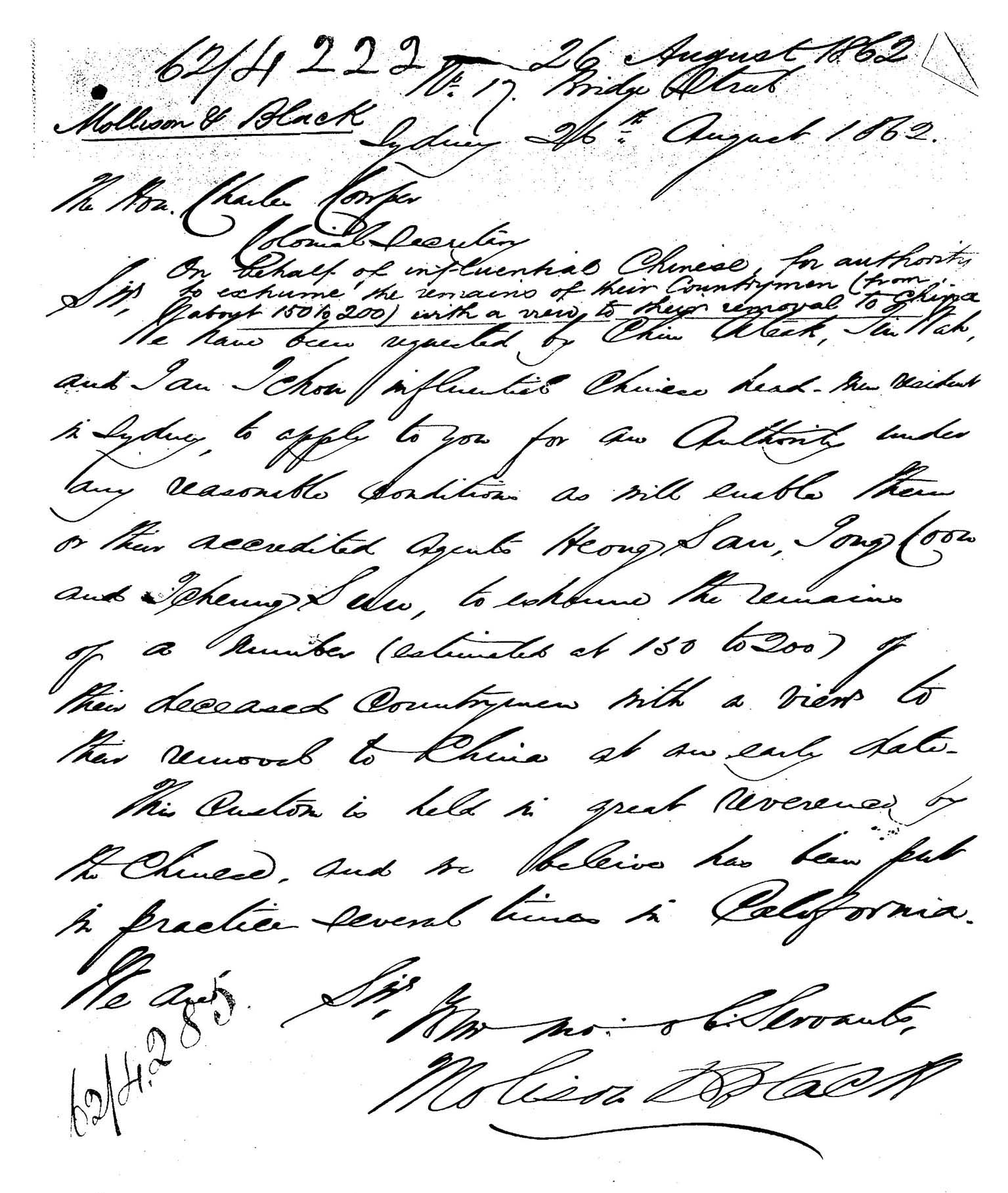
While most who travelled overseas visited or retired to their home villages some never returned. For those who died in the destinations however, this was not necessarily the end of the wish to return. Death can come at any time and this prospect led to village and district-based organising to ensure that return could still occur. The transhipment of bones that took place from at least the 1860s until the mid-20th century is one of the most consistent behaviour patterns of those who arrived in Australia from southern China. It is one that demonstrates both attachment to the village of origin or qiaoxiang (僑鄉) as well as changes to this attachment overtime. The desire to ensure that bones of the deceased returned to their qiaoxiang was the origin of many of the regional associations and continued to be a prime function for many of these well into the 20th century.
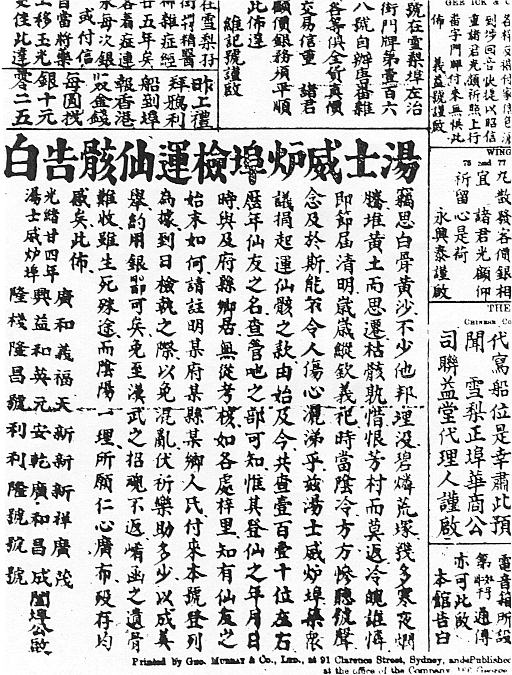
The significance and organisation of bones return is illustrated in advertisements that appeared regularly the Chinese language newspapers. In these ads the “spiritual” aspect of the process is emphasised with concern about Chinese graves that could not be identified creating terrible conditions for the ghosts who remained apart from their ancestral soil. The ads request information about the identity of the dead so that their bones can be returned to their villages and lists stores in Sydney and Queensland as contact points for passing on the information.
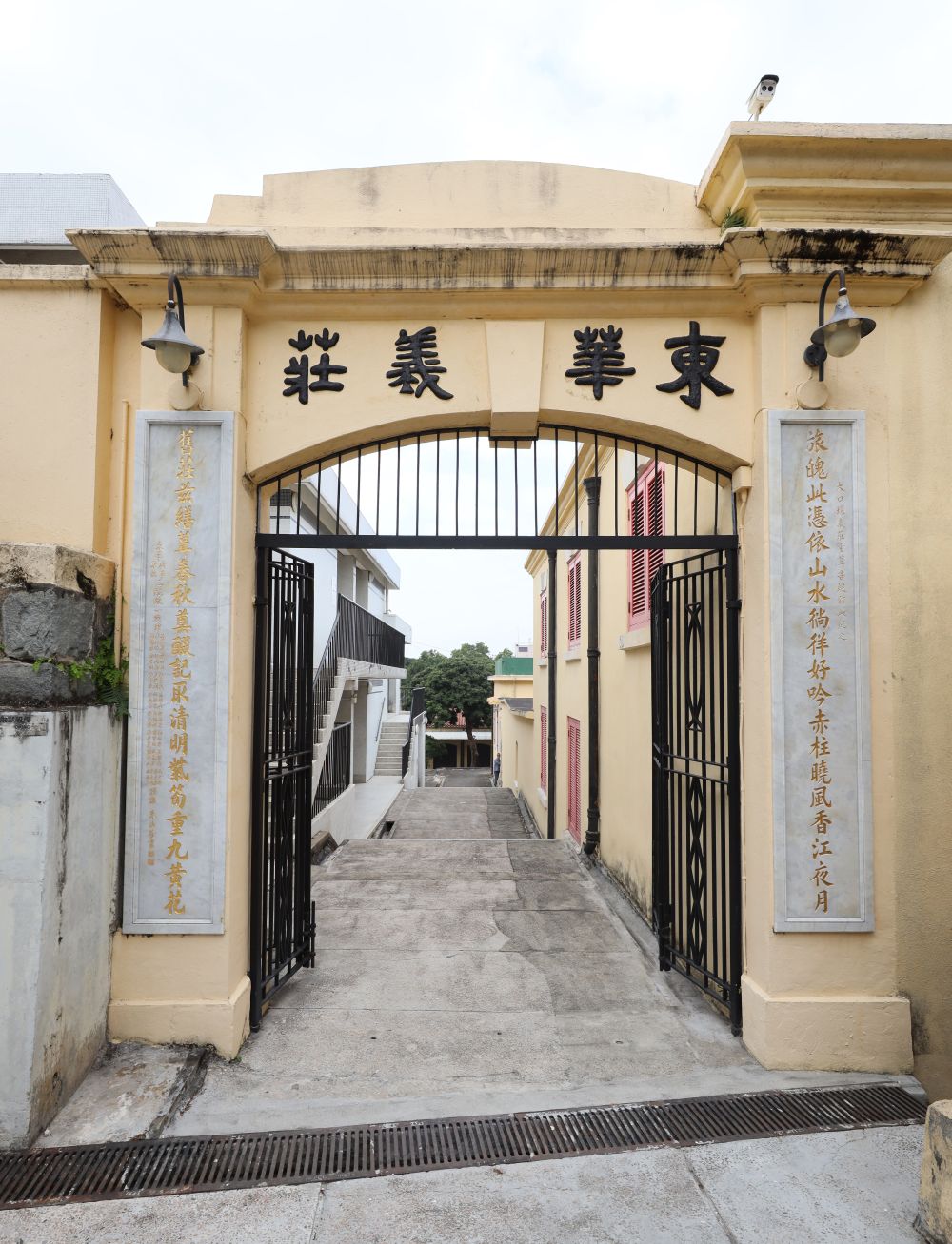
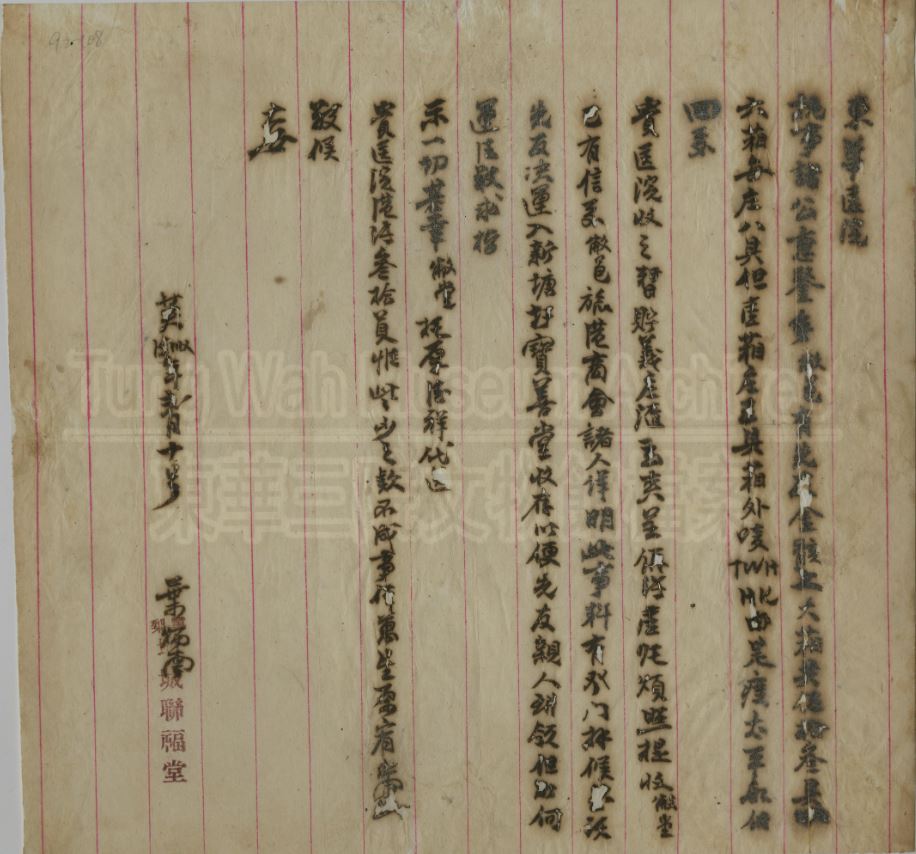
Such stores and district organisations collected the bones and shipped them either directly to the villages or over time to Hong Kong. In Hong Kong the Tung Wah Hospital took over the task of transhipping the remains to the appropriate village or family. Money was donated to the Tung Wah Hospital by these district societies or tongxianghui (同鄉會) to ensure that this was done.
Once returned to the villages local organisations would be responsible for taking the bones shipped via the Tung Wah Hospital and distributing them to the families, often by notices in the newspapers. A relative would then pick up the bones for return to the village and a ritual internment. Not all such bones could be identified however and in Hong Kong cemeteries were established for those bones returned as far as Hong Kong but which the Tung Wah Hospital was unable to return to their villages.
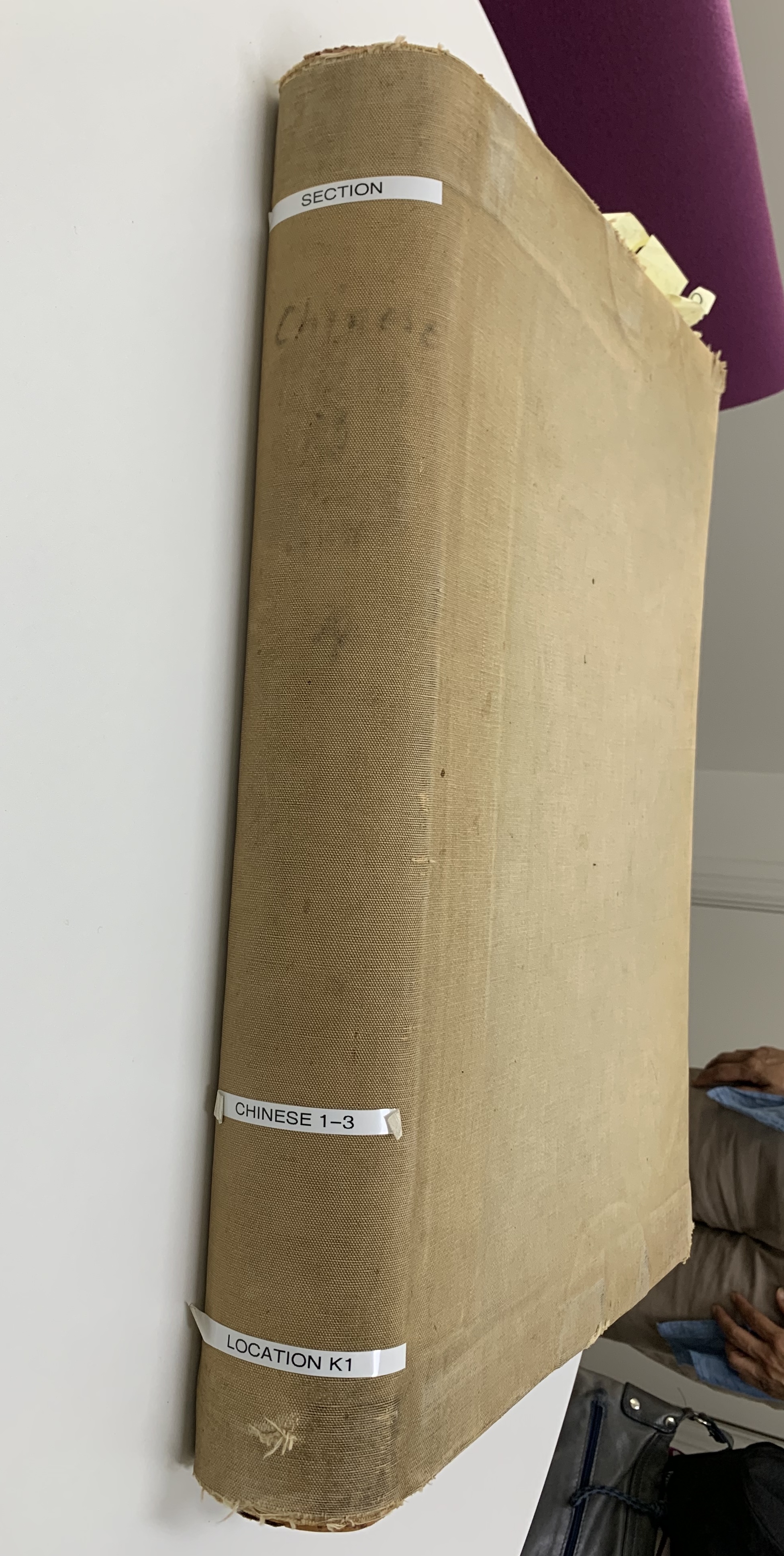
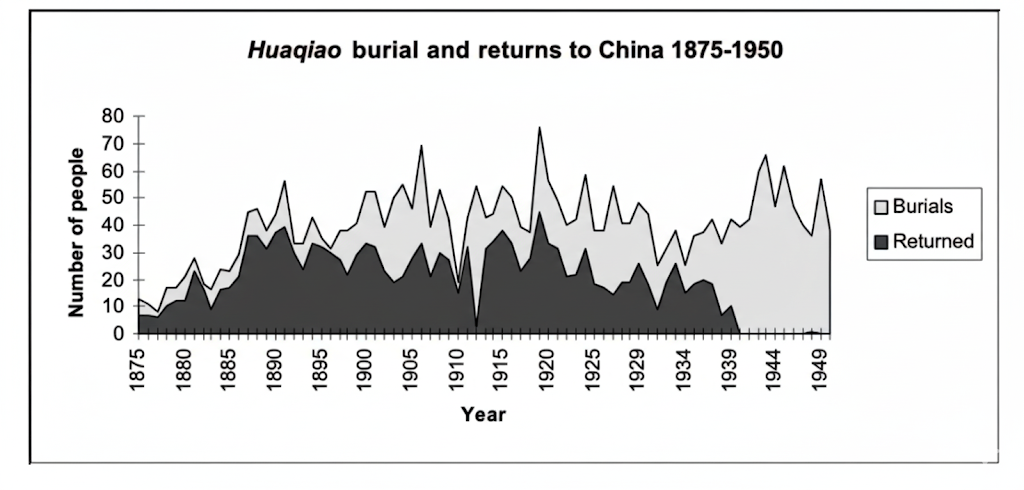
Sydney’s Rookwood Cemetery statistics show an increase in exhumations in the last decades of the 19th century. After this there is a gradual reduction in the proportion of burials that are returned as well as a fall in total burials as the population of the China-born in Australia declined in the 1920s and 1930s. There was a tapering off of returns after 1930, and after 1938 there were very few removals until after World War II. Many of those who died after 1931 were exhumed between 1946 and 1948, after which only 10 more were removed in 1950, with the last recorded exhumation from this section of Rookwood Cemetery in 1962.
See also:
The history and cultural heritage of Tung Wah Coffin Home (Chinese version only)
For a history of the role of the Tung Wah Hospital in Hong Kong history see: Elizabeth Sinn, Power and Charity. The Early History of the Tung Wah Hospital, Hong Kong, Oxford University Press, 1989.
For a general overview of the role of bones return in Chinese diaspora history see Departed Friends, an extract from Returning Home with Glory, pp.110-114.
Teather, Elizabeth Kenworthy. “The Road Home: Repatriating Chinese Emigrants After Death.” New Zealand Geographer 58.1 (2002): 5–13.