Burials in Australia
Date Published
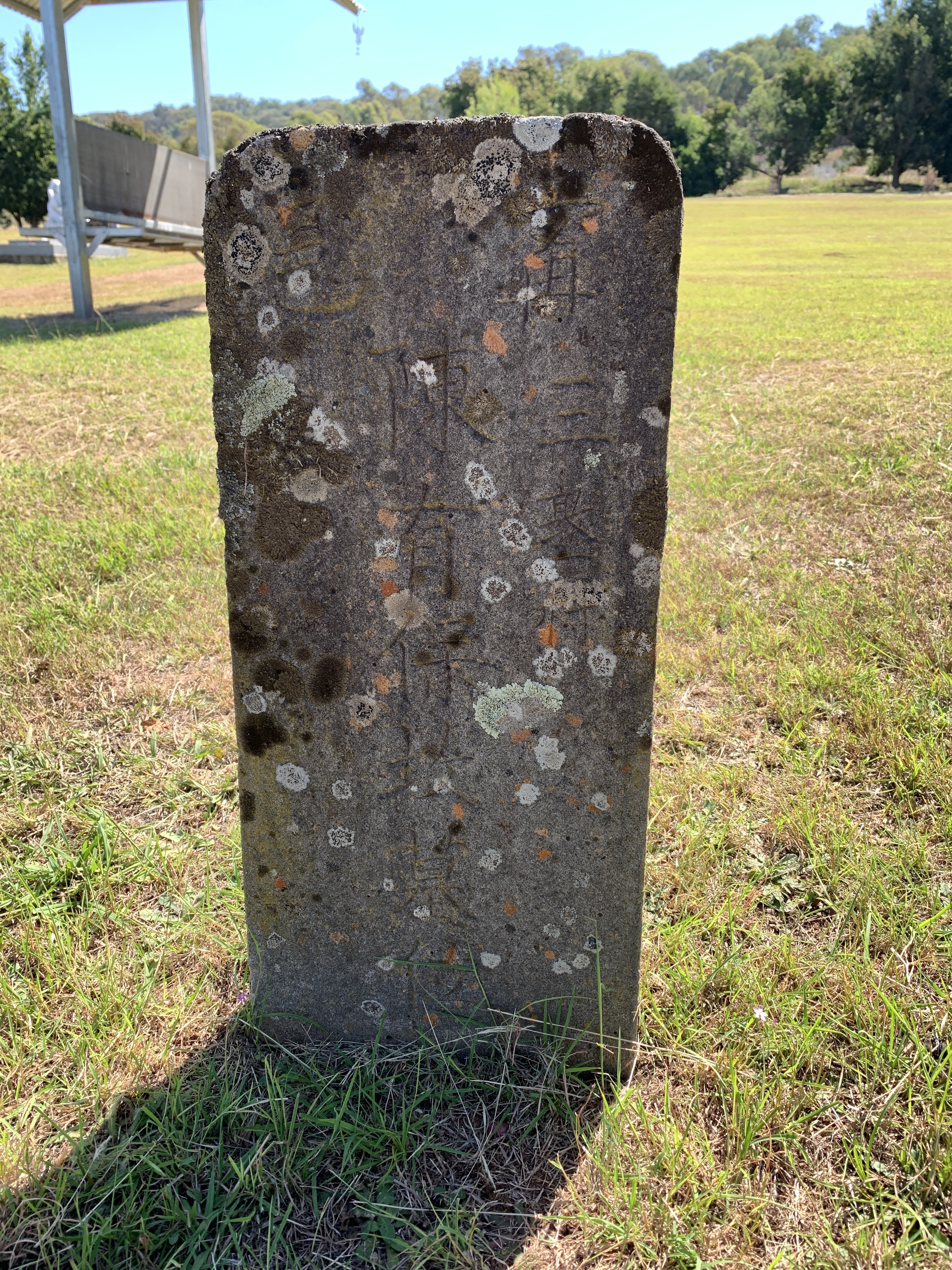
Chinese burials in Australia are characterised by seperate sections, traditional practices and festivals, use of Chinese characters on headstones, exhumation and finally Christian conversion.
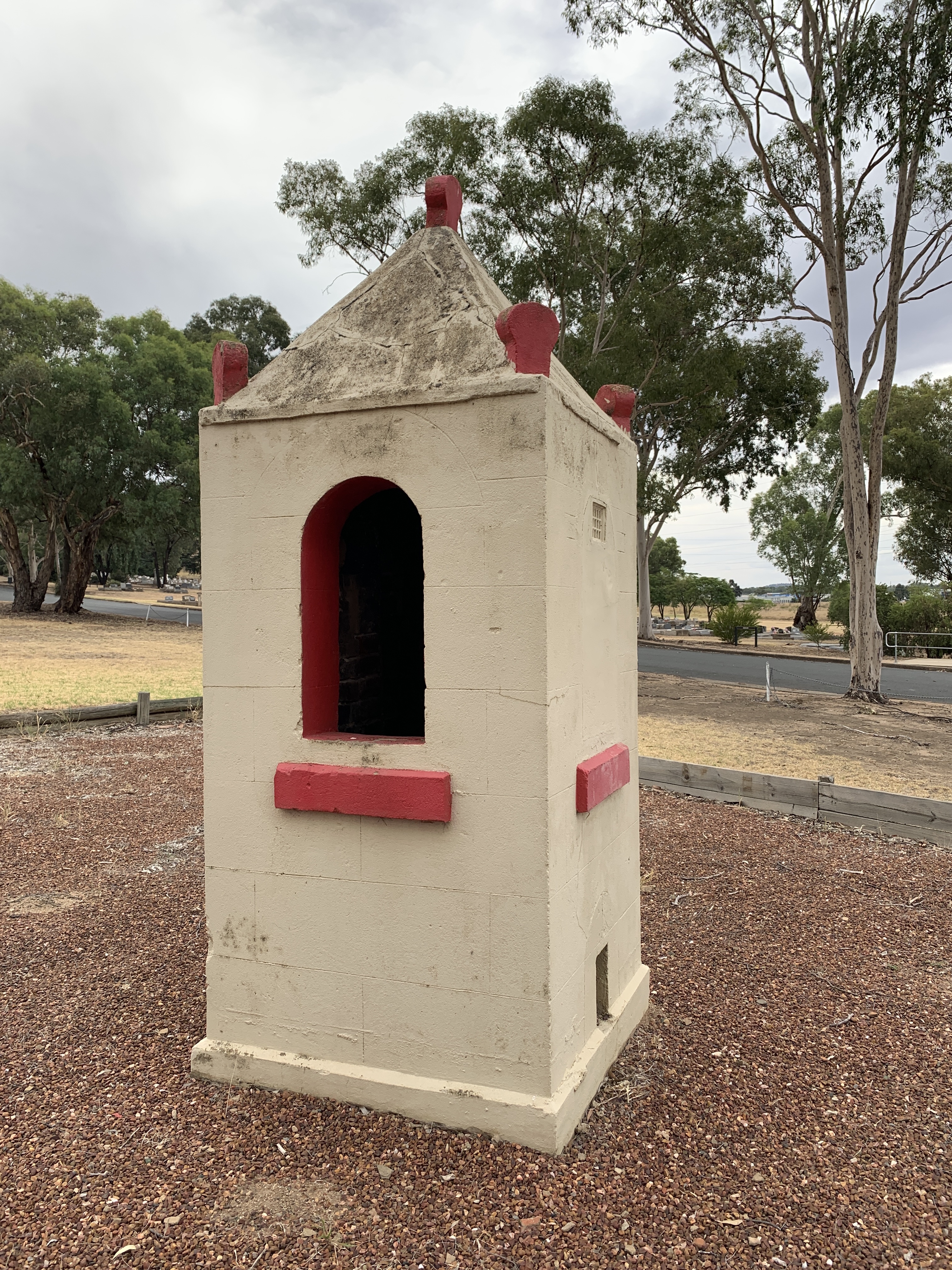
Colonial Australia was strongly preoccupied with its Christian religious divisions and this was from the earliest period of white settlement reflected in the burial grounds and their careful separation by denomination. But what to do with non-Christians? Chinese, Jews and Aborigines being the most prominent of this class of dead. Another distinct burial section variously called "Alien", "Pagan" and most commonly "Chinese" was the answer. It was to these sections, separate but not very distant, that Chinese people carried their dead along with firecrackers, food offerings and the burning of paper. As well they regularly attended the cemetery in large numbers for group festivities such as Ching Ming. All this attracted the interest and sometimes the horror of European Australians used to more sedate funeral occasions.
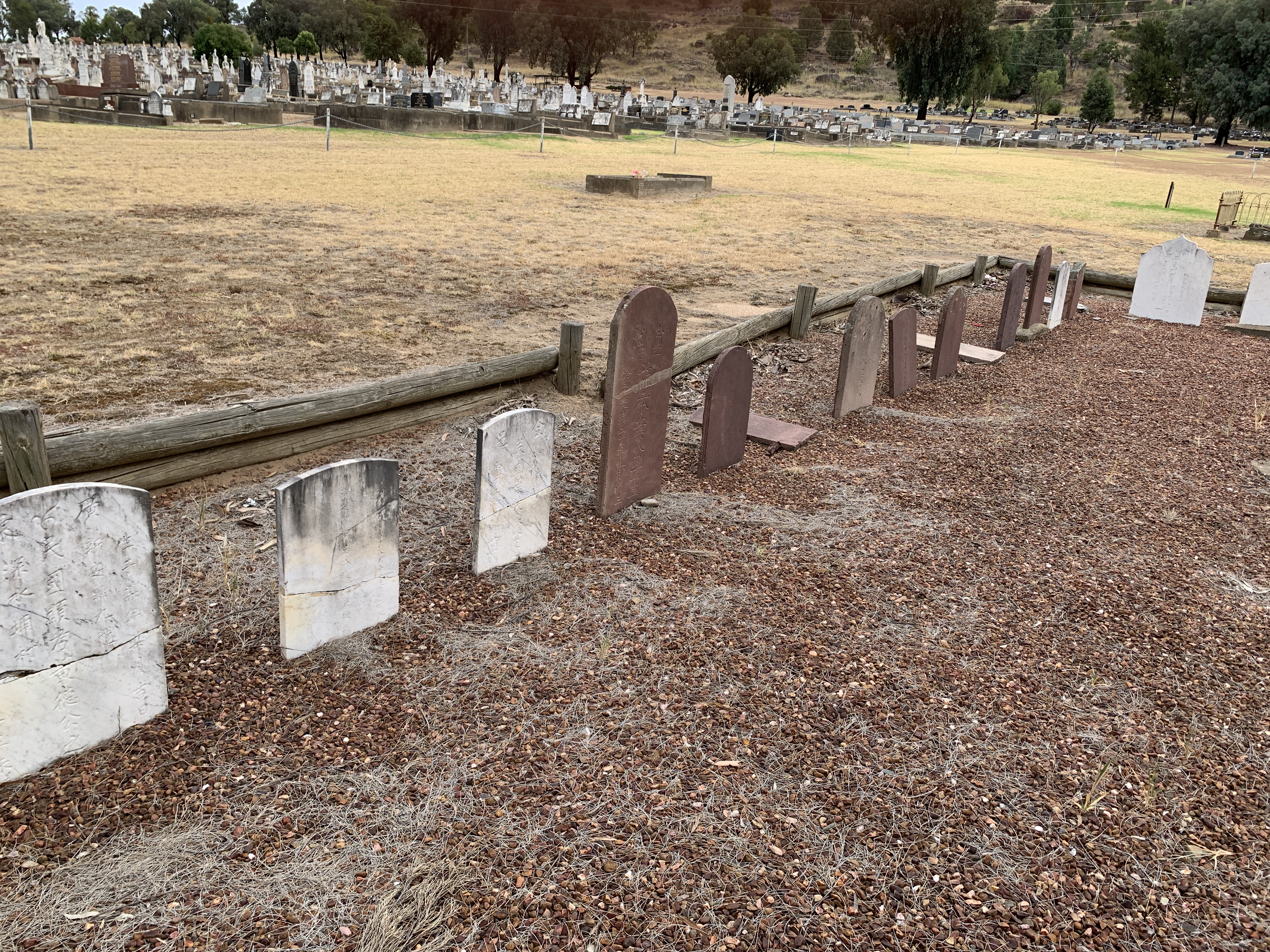
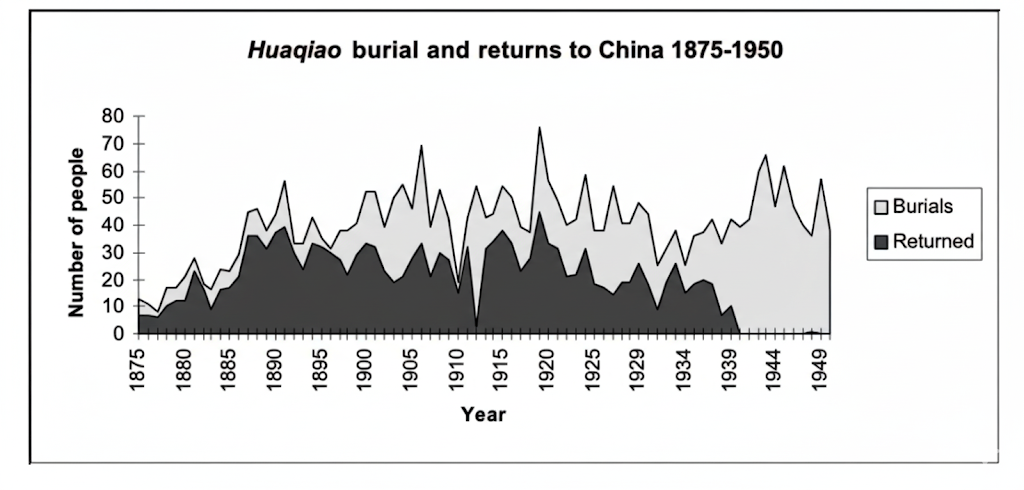
Many of these Chinese sections are now bare patches of ground as the earliest grave markers were often of wood and have long since rotted, were termite devoured, been burn in bushfires or simply removed by uncaring locals. Those made of stone however were written upon in Chinese characters, sometimes with names and dates in English also, and following a broadly consistent pattern give full Chinese name, date of death and district and even village of origin. This last information was both important to the person and also to the common practise of exhuming bones after a number of years so that they could be returned to their place of origin (see: Bones Return).
Finally, begining with the earliest period but increasing over time many Chinese people became Christians and as such their burials took place in the sections of the cemeteries assigned to the relevant denomination.
"Chinese immigrants, primarily from sociogeographically distinct regions of southeast China, developed unique burial marker practices. They ranged from rudimentary etchings on locally available stone and even discarded flour drums in the early years of residency in northeast Queensland, Australia (1873–ca.1880), to working locally sourced sandstone by the late nineteenth century, before ultimately adopting marble and granite in styles more commonly found on European Austral- ian graves in the early twentieth century and incorporating inscriptions in English, sometimes to the exclusion of Chinese script, with the family name relegated to sec- ond place."
"The earliest Chinese graves (Palmer and Croydon goldfields) were predominantly marked without dates of death, perhaps simply because they were intended merely as identifiers ahead of anticipated exhuma- tion and repatriation. This omission is an intriguing divergence from the prac- tices elsewhere and cannot be discounted as “just an oversight.” "
Gordon Grimwade, A Grave Situation: Burial Practices among the Chinese Diaspora in Queensland, Australia (ca.1870–1930). International Journal of Historical Archaeology, 28, 295–329 (2024), p.2 & p.29. https://doi.org/10.1007/s10761-023-00713-7
See also:
Reading Chinese Gravestones by Doris Yau-Chong Jones
‘The Things That Unite: Inquests into Chinese Deaths on the Bendigo Goldfields 1854-65’, Provenance: The Journal of Public Record Office Victoria, issue no. 7, 2006. ISSN 1832-2522. Copyright © Valerie Lovejoy.