Republic of China (ROC)
Date Published
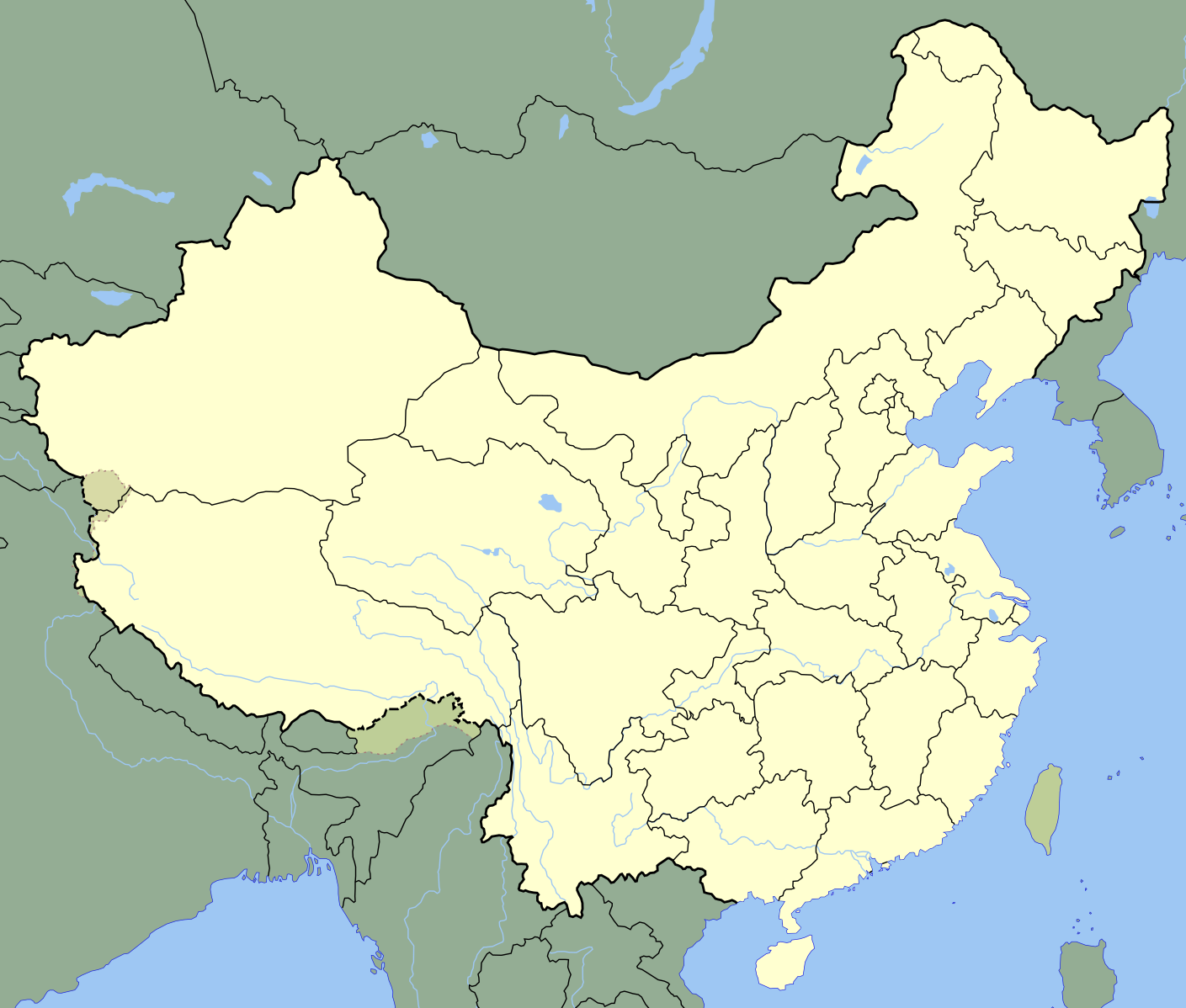
ROC role and attitude to Overseas Chinese.
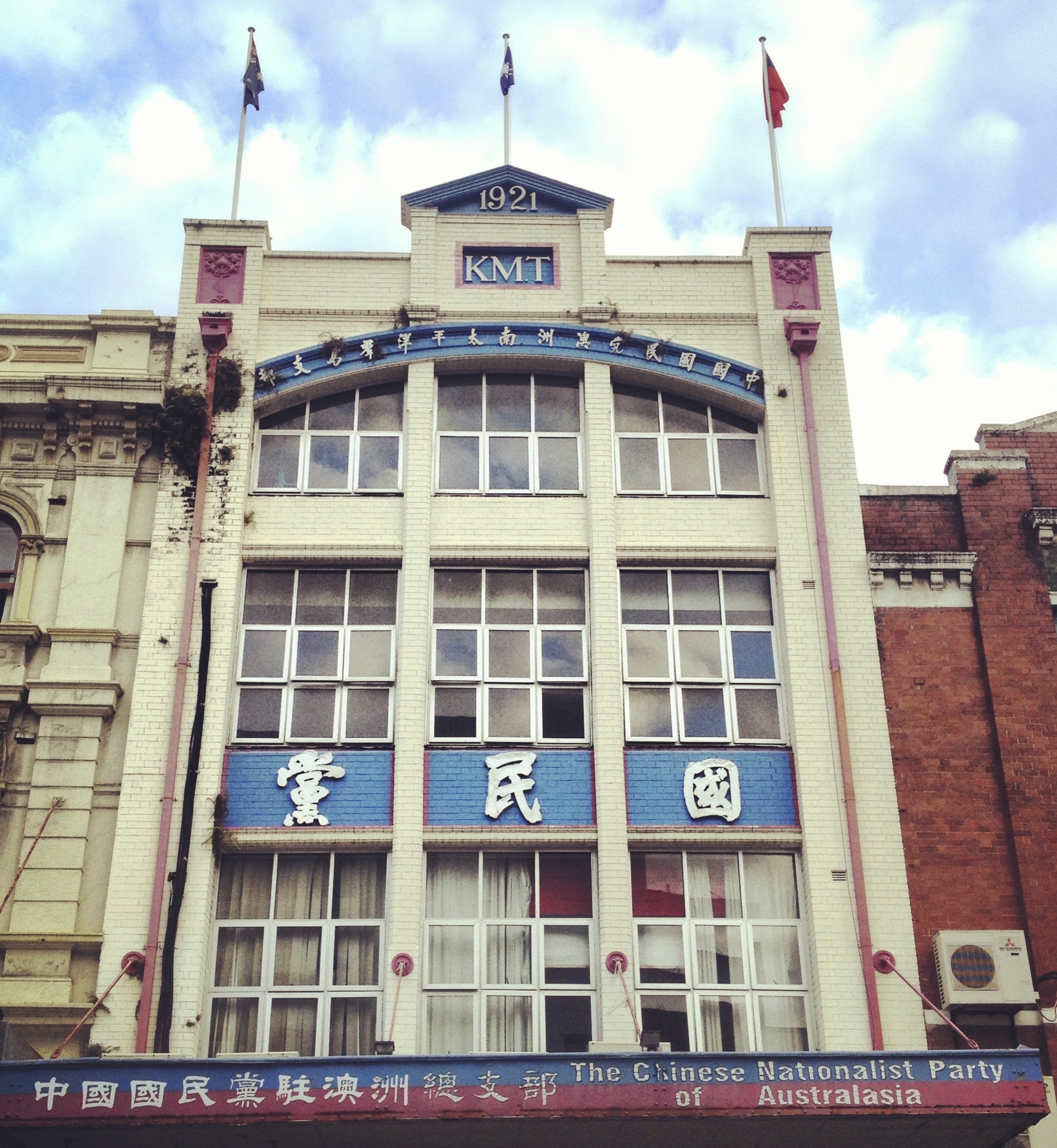
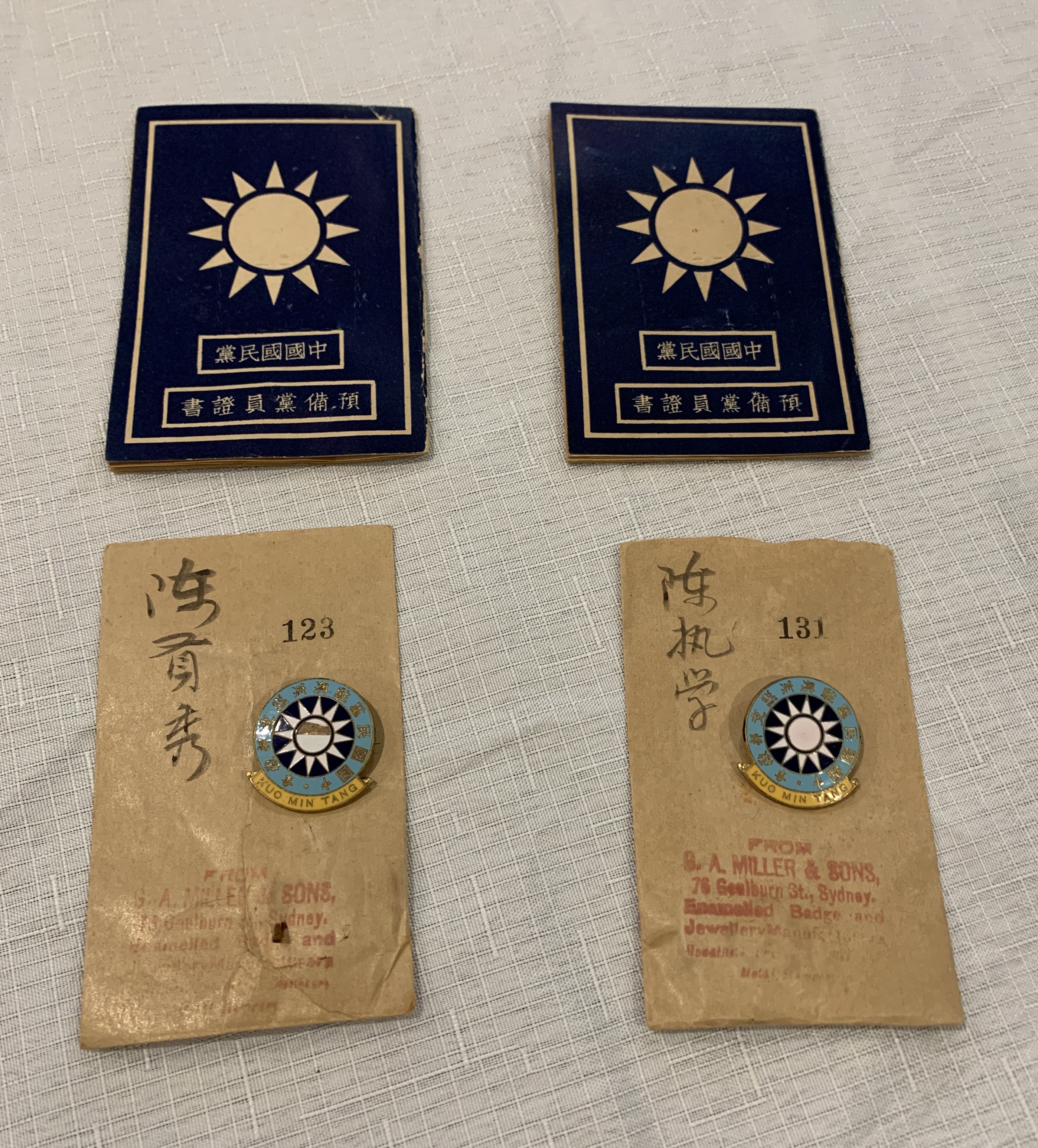
The Republic of China, which nominally governed China from the fall of the Qing dynasty in 1911 until the establishment of the People’s Republic of China in 1949, played a significant role in shaping the modern Chinese diaspora. The Guomindang (Nationalist Party), which dominated the Republic, was in many ways a creation of the overseas Chinese. These communities provided crucial financial and moral support, and Sun Yat-sen himself was a product of the diaspora. His brother, for example, was a successful farmer and businessman in Hawaii, and the profits from his brother’s enterprise helped fund Sun’s education and early revolutionary activities.
Sun Yat-sen regularly toured overseas Chinese communities to raise funds and recruit supporters for his movement to overthrow the Qing dynasty. As a result, the Republic of China inherited an outward-looking nationalism: its vision of modernisation and independence was framed by the need to make China the equal of the Western powers. While this nationalism inspired reform and development, the Republic ultimately failed to resolve China’s deep internal problems, particularly rural poverty and the alienation of the peasantry. The Japanese invasion of the 1930s further weakened the Nationalist government, paving the way for the rise of the far more disciplined and rural-based Chinese Communist Party.
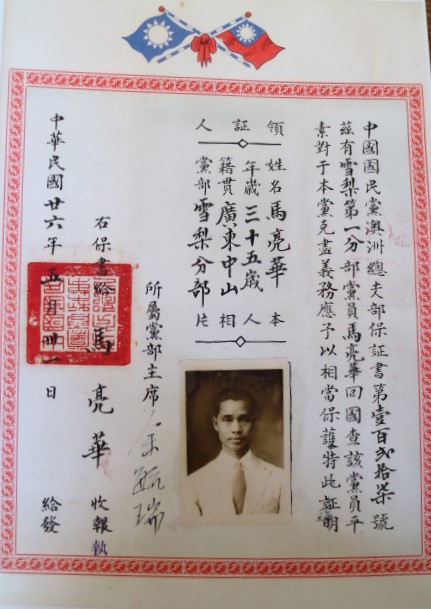
Nevertheless, during its existence, the Nationalist regime made sustained efforts to reduce foreign colonial influence in China and to cultivate ties with the global Chinese diaspora. It saw overseas Chinese as integral members of the nation, granting them the right to vote and encouraging their participation in national life. Many overseas Chinese returned to China during this period and assumed influential roles in both the central and provincial governments, reinforcing the enduring transnational connections between China and its diaspora.