Quong Tart
Date Published
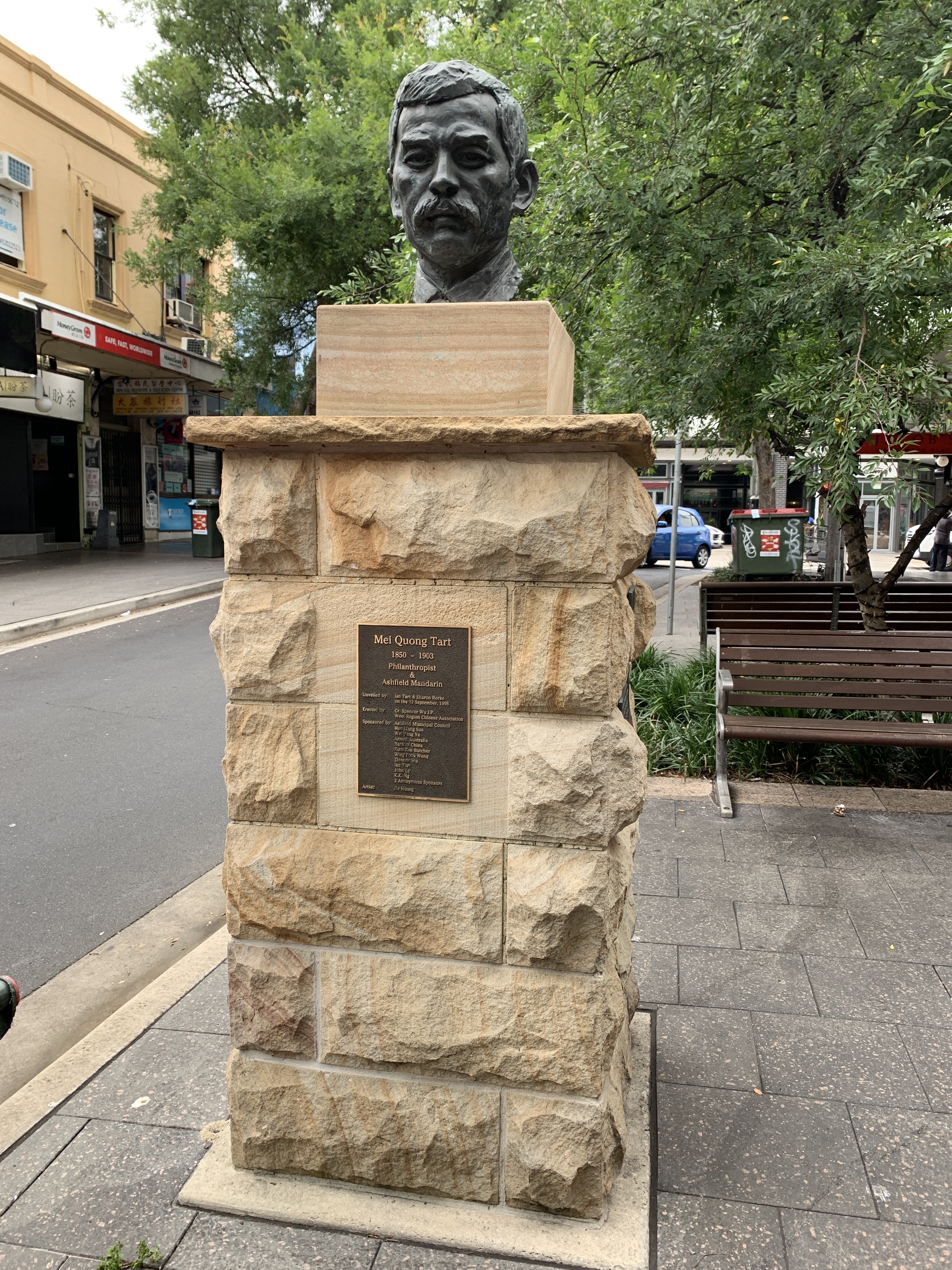
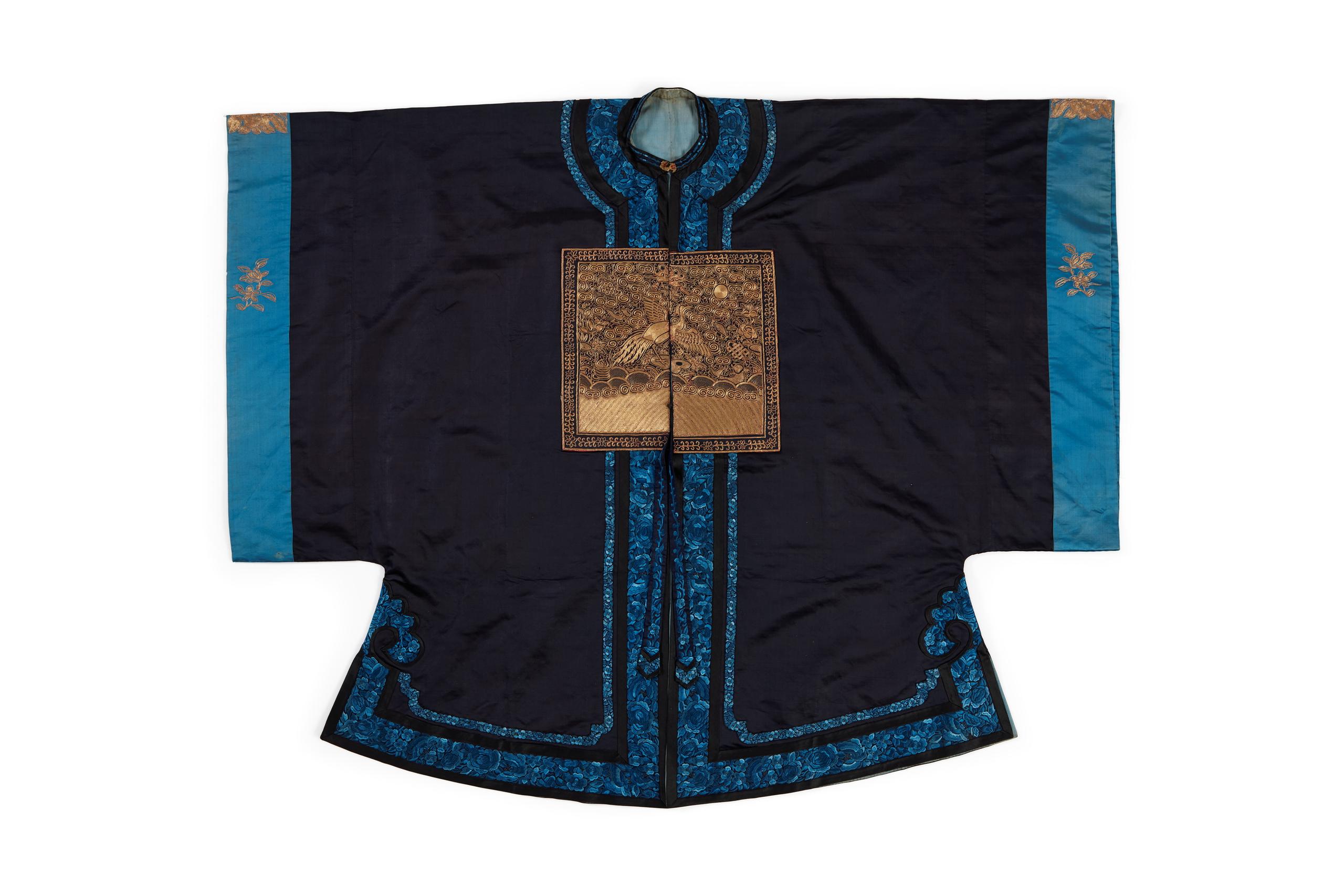
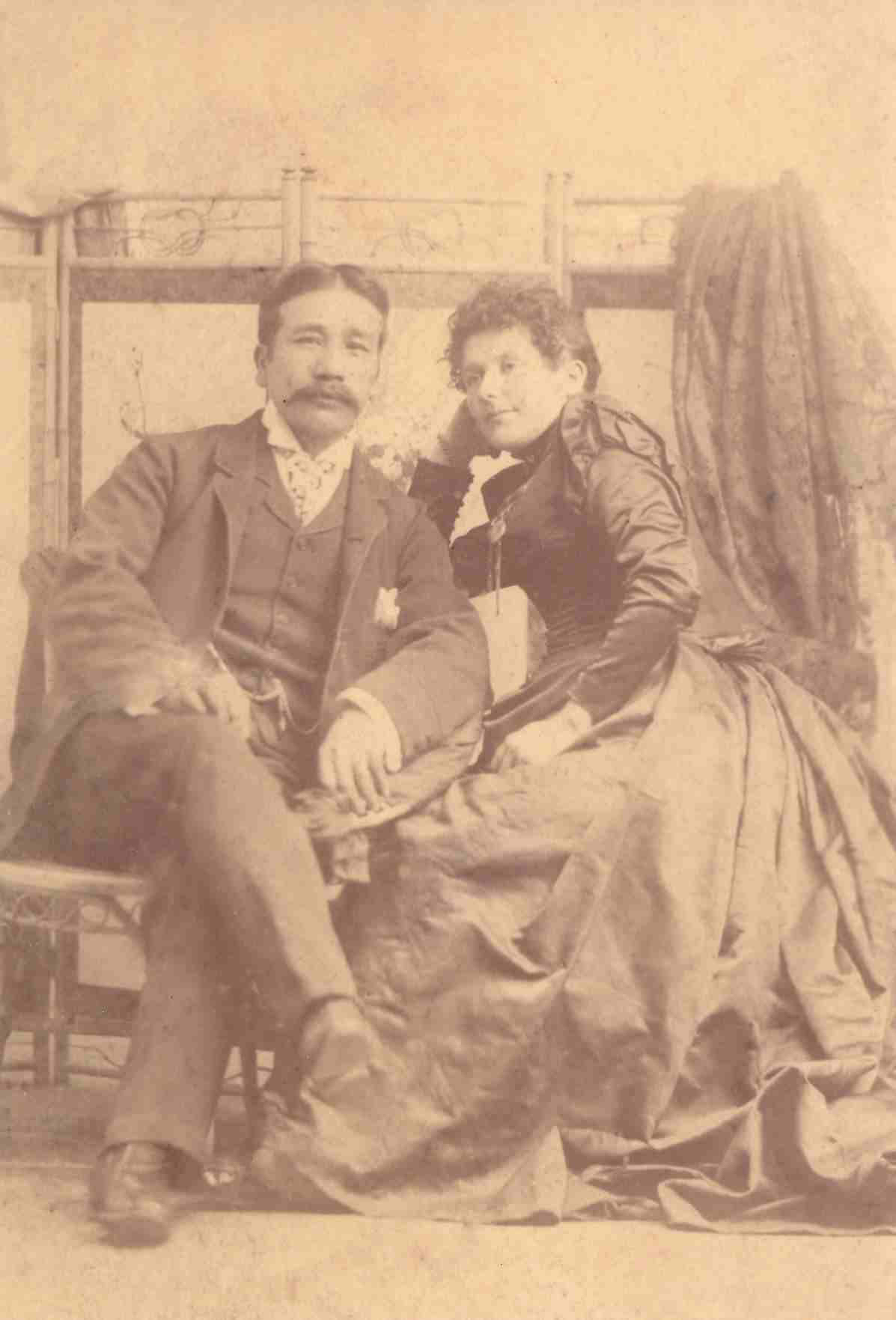
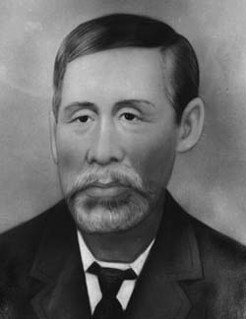
Quong Tart was a prominent Chinese-Australian businessman who was well-known in his day and who in recent years has become well-known again to students of Chinese-Australian history. Quong Tart bridged the world of Chinese and non-Chinese Australian society in the late 19thcentury.
Quong Tart came to Australia very young to work on the goldfields at Braidwood and was adopted by a Scottish family from whom he learned not only his English but even to sing Scottish songs. Thereafter he prospered as a merchant trading in tea and opening exotic tea shops in Sydney’s Queen Victoria building. His knowledge of both Chinese and European culture and languages gave him a prominent role, including as a spokesperson in delegations to both the NSW Premier and the Australian Prime Minister on issues concerning the Chinese-Australian community.
In more recent times Quong Tart has become prominent again as interest in Chinese-Australian history has grown and his image as an English-speaking Chinaman is one again easily understood and accepted by the broader Australian community. Now, as it did in the 19th century, the role of a Quong Tart masks that of people such as Way Kee or Phillip Lee Chun who were prominent in their more populous Dongguan and Zhongshan communities in Sydney. The easy visibility of the acceptable face doing as much to obscure as to illuminate history.
A Note on the name "Mei Quong Tart"
Quong Tart is often referred to nowadays as Mei Quong Tart in a effort to provide his full name. However this only manages to mangle two Chinese languages in order to produce a name in English the man himself would no doubt have found amusing.
"Quong Tart" arises from the last two elements of the name 梅光達 with the leading character or characters being, in the Chinese style, the family name. Thus the full name of Quong Tart is Moy Quong Tart in the pronunciation in his native vernacular of 端芬 Duanfen, Taishan or Mei Guangda in the Mandarin pronunciation of those same characters.
This was even reported at the time: "My lady friends will thus be shocked to hear that for all these years they have been calling the admirable Quong Tart by his Christian name. What should they have called him? That is the question. In full, the appellation by which he would have been known in China appears to be Moy Quong Tart …”
Daily Telegraph, 12 May 1888, p.5.
The name Mei Quong Tart is thus an Australianism unknown to any Chinese language.
[The author is grateful to Ely Finch for pointing this out]

%2C%20Wing%20On%20Co%20Ltd%2C%20Hong%20Kong.jpg?2025-07-10T07:48:26.362Z)