Heritage preservation
Date Published
Heritage preservation
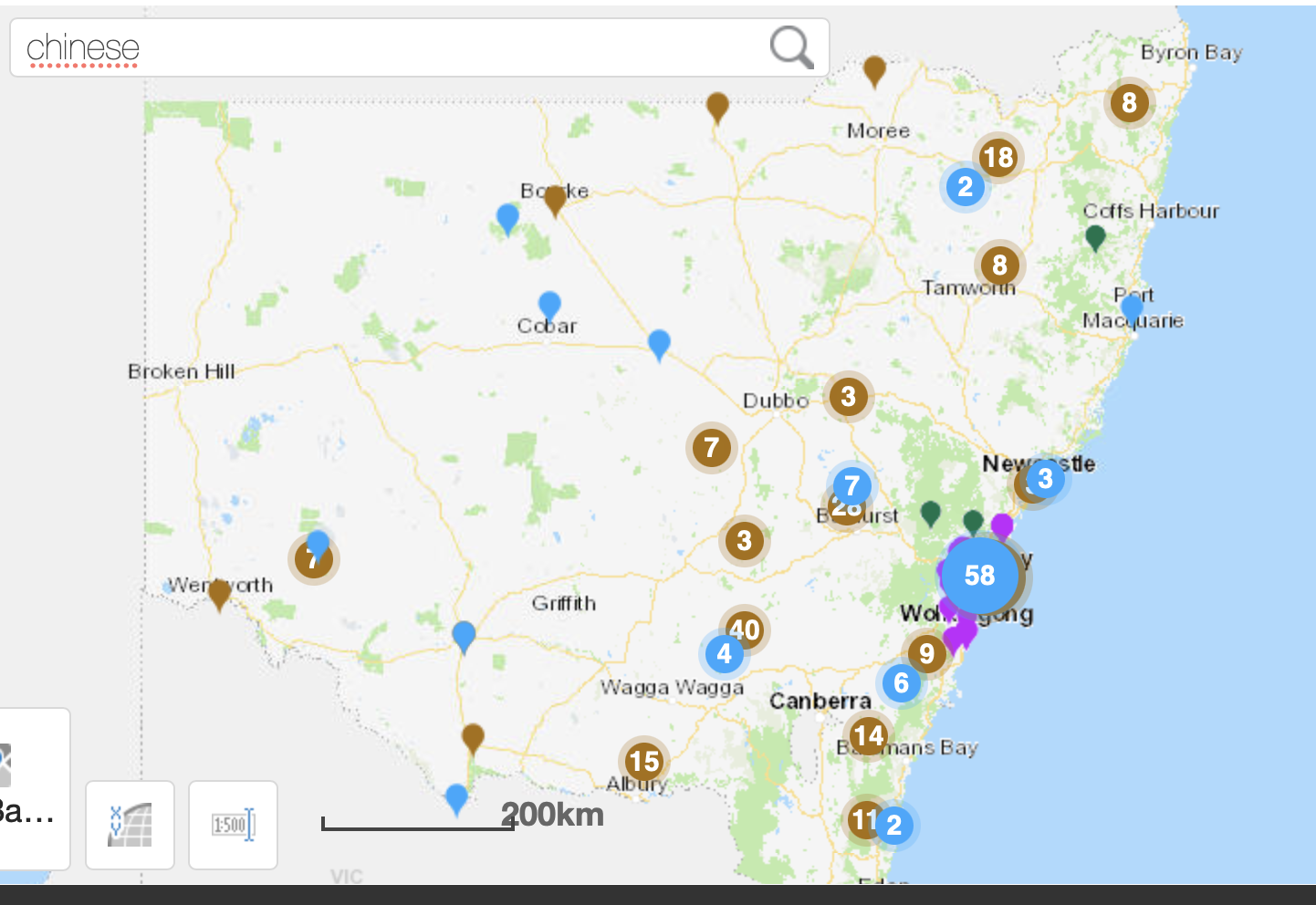
The record of heritage preservation relating to Chinese–Australian history is uneven and inconsistent. Much of it has depended on local circumstances and, in many cases, on the efforts of individual historians or community members who have taken the initiative to preserve particular sites. As with many aspects of Australian history, the Chinese–Australian story has often been treated as a parallel or separate strand, rather than being fully integrated into the national narrative.
In recent years, however, some local communities have made deliberate efforts to preserve and commemorate this history. One notable example is the work done to recognise Chinese burials in local cemeteries—often in sections once labeled “aliens” or “pagans.” Many of these plots are now unmarked, with their original headstones long gone, but communities have erected memorials and recorded names from burial registers to restore a measure of dignity and acknowledgement.
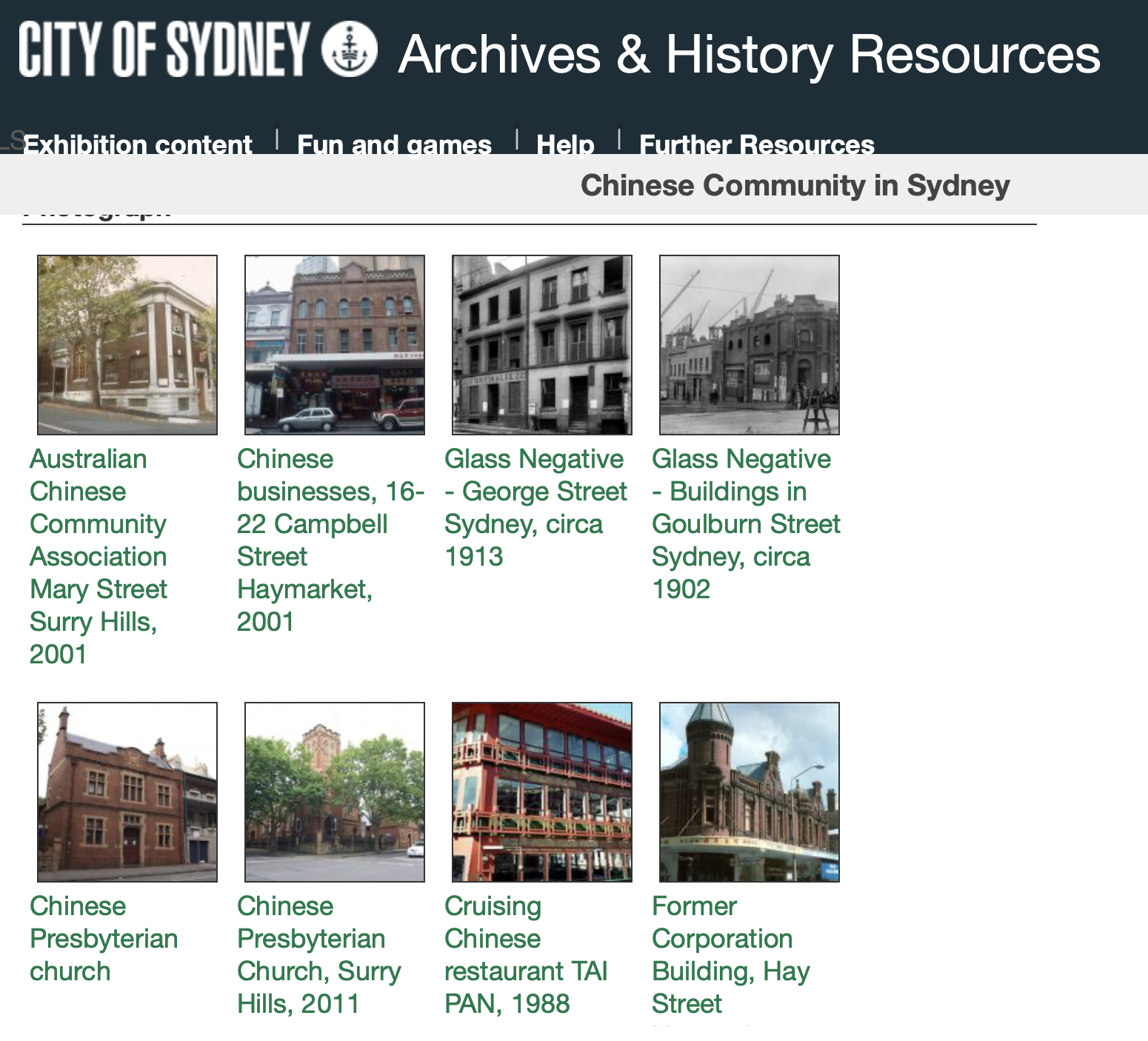
In urban areas, a small number of historic Chinese buildings have survived, though they are often undervalued due to a lack of contextual understanding. The city of Sydney provides a clear example of this failure. Despite being state heritage listed, the building at 84 Dixon Street, formerly the Kwong War Chong remittance house, has not been properly recognised or protected by the city. As one of the last remaining remittance houses in Australia and a site of national significance, its neglect reflects a broader pattern: a general failure to appreciate and integrate Chinese–Australian heritage within the wider framework of Australian historical preservation.
Success and failure - Chinese missing