Gambling
Date Published
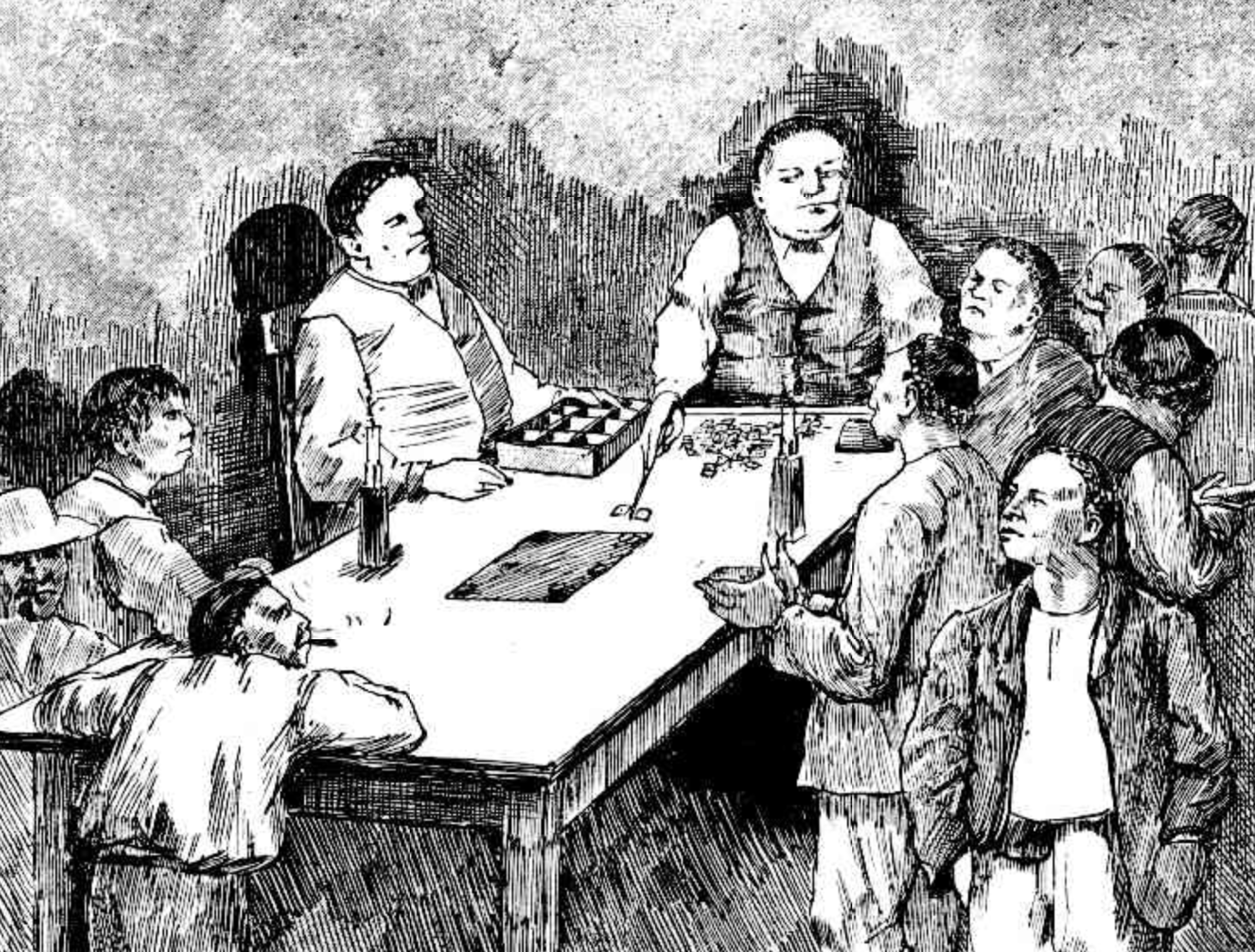
Gambling was a stereotype for Chinese in Australia.
Gambling was common within the Chinese community, particularly during the period when it was largely made up of single men working in isolated occupations such as market gardening or on the goldfields. Over time, a strong stereotype developed around Chinese gambling, and this was reinforced by discrimination. Specific forms of Chinese gambling were often made illegal, leading to frequent arrests and police raids, which in turn deepened the perception of Chinese people as being involved in unlawful activities.
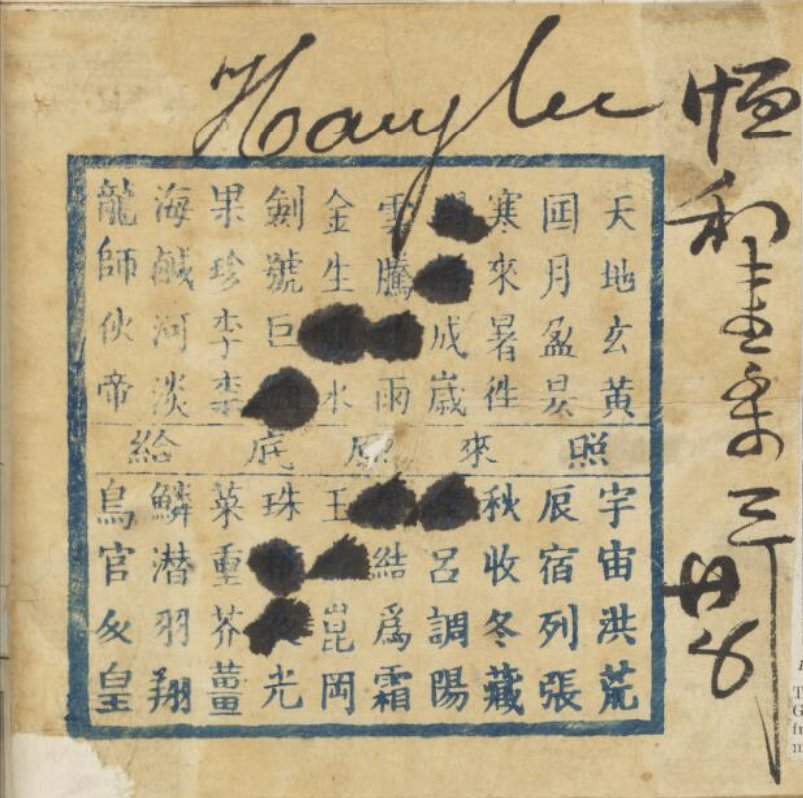
One of the main issues was the popularity of Puckapoo, a gambling game that became widespread among both Chinese and non-Chinese players in cities such as Sydney and Melbourne in the late 19th century. Puckapoo became so well known that it even entered Australian slang—people would say something was “like a Puckapoo ticket” to describe anything messy or hard to read. The phrase came from the appearance of the tickets themselves, which were covered in Chinese characters that non-Chinese participants could not read, though literacy was not required to play.
Gambling also served as a form of leisure and social activity. Many of the so-called gambling houses in Chinatowns in Sydney and Melbourne were in fact tea houses or social clubs where gambling played only a minor role. Nonetheless, at a time when casinos were illegal, Chinese-run establishments managed to operate with varying degrees of tolerance from local authorities—sometimes helped along by a degree of police corruption or selective enforcement.
Various forms of gambling were popular among Chinese people, the most well-known being Fantan and Pak-a-pu. Fantan is a game played indoors on gaming tables while Pak-a-pu (or ‘pigeon catching) is a form of lottery based originally on 80 Chinese characters and is thought to be the basis of Keno. Other games were popular, such as dominoes and card playing, and some games may have been more popular with people from different districts or provinces.
See, "A Night in Perth's Chinatown", Mirror, Saturday 25 January 1930, p.5. For a fairly honest account of a visit to a gambling establishment.