Chinese Masonic Society
Date Published
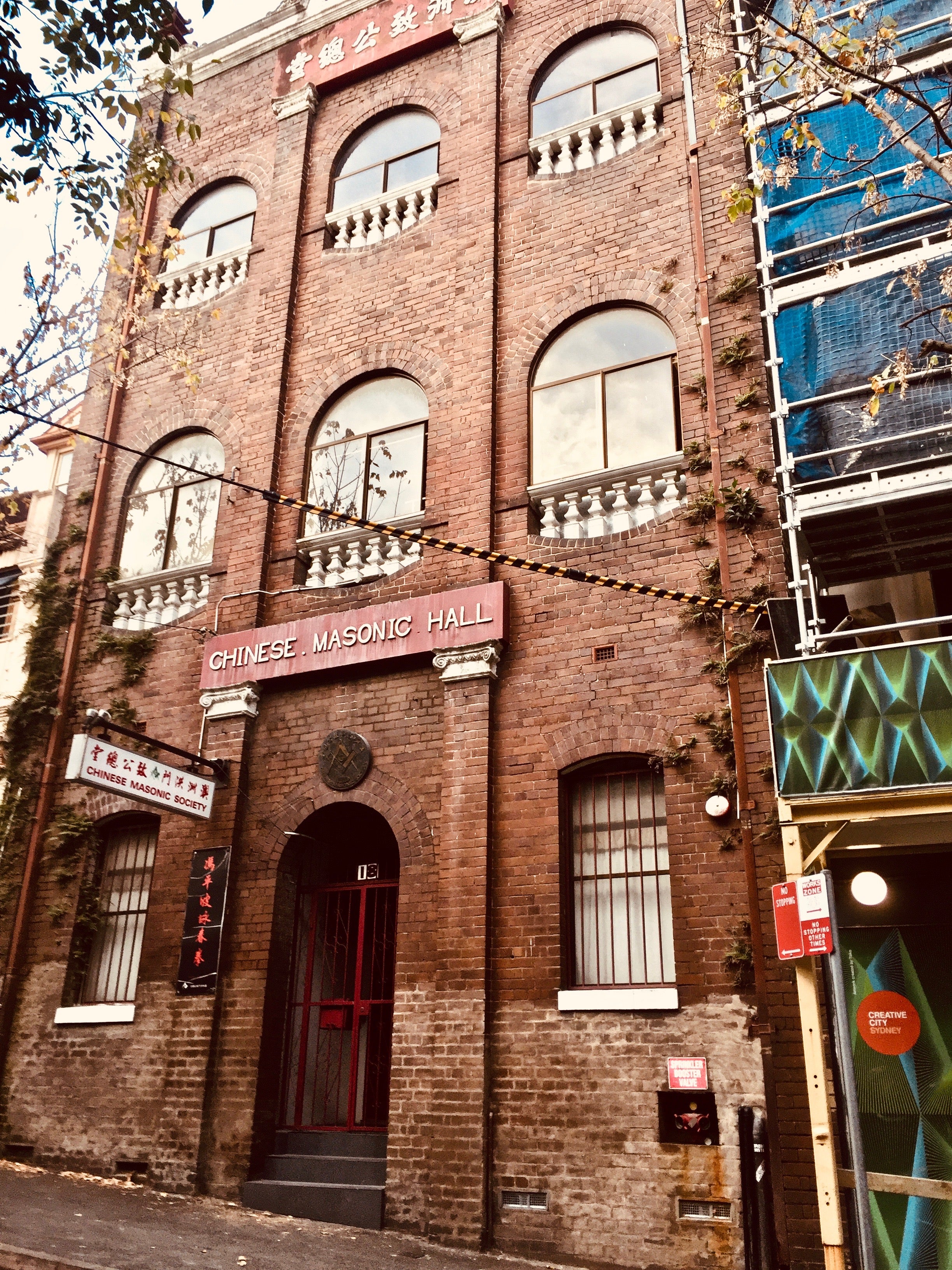
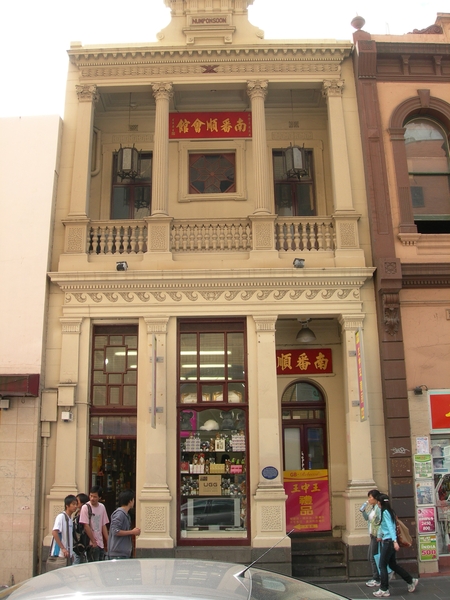
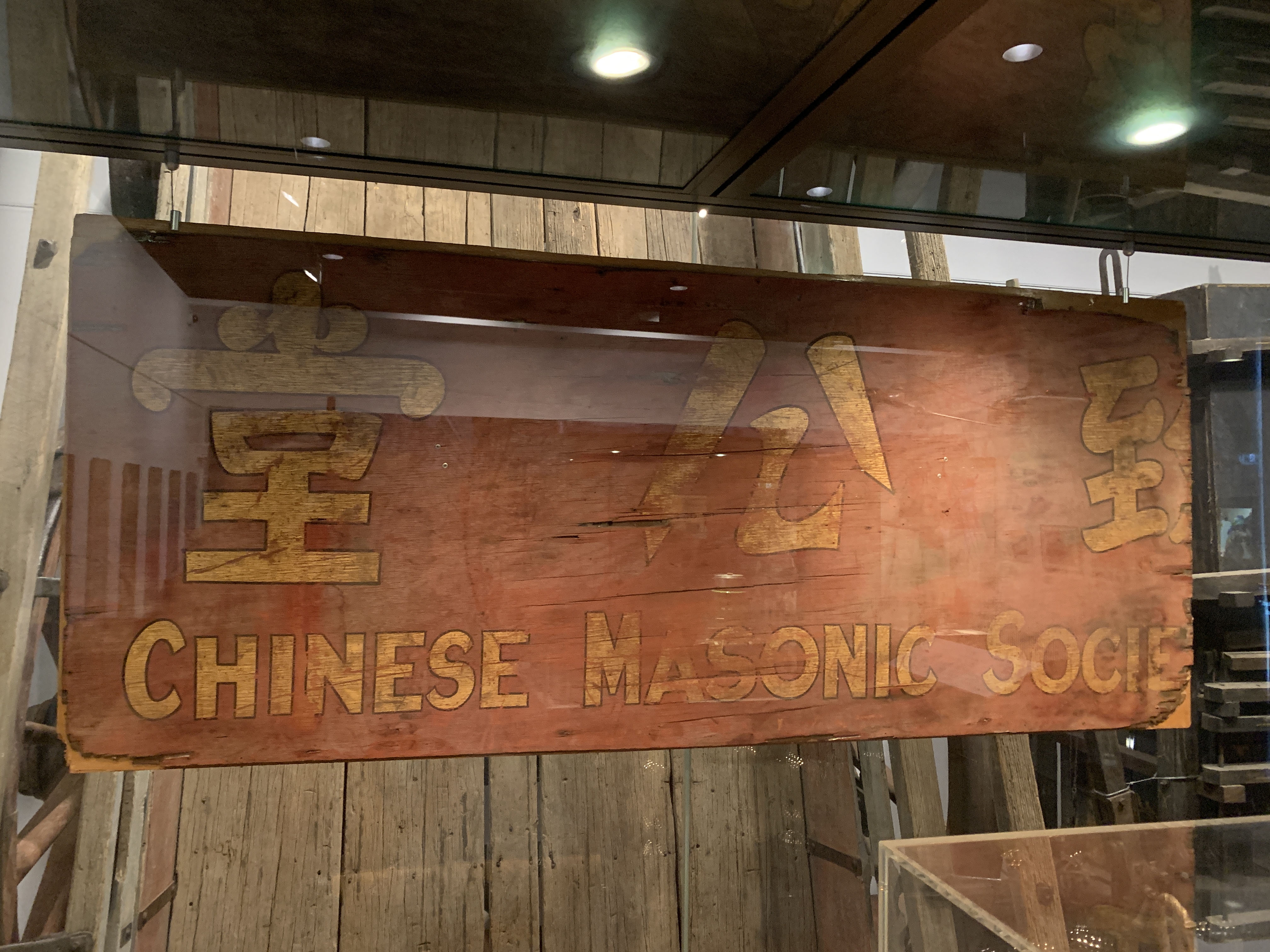
The Chinese Masonic Society represents an interesting organisational developments within the Chinese diaspora. Emerging from the late nineteenth-century network of brotherhood fraternities or so-called secret societies that existed across the overseas Chinese world, it was consciously reshaped in the early twentieth century—reputedly under the influence of Sun Yat-sen—into a more formal and internationally connected institution. Modelled in part on European Freemasonry, it retained some elements of ritual and symbolism but operated much more openly, becoming a visible vehicle for diaspora unity and political mobilisation.
The Chinese Masonic Society played a role in supporting Sun Yat-sen and the Republican Revolution of 1911, though its primary functions remained local: mutual aid, welfare, and the reinforcement of community leadership. Lodges were established throughout Southeast Asia, North America, and Australasia. In Australia, branches appeared in several states, the most prominent being the Sydney Chinese Masonic Society in Mary Street, founded in 1913.
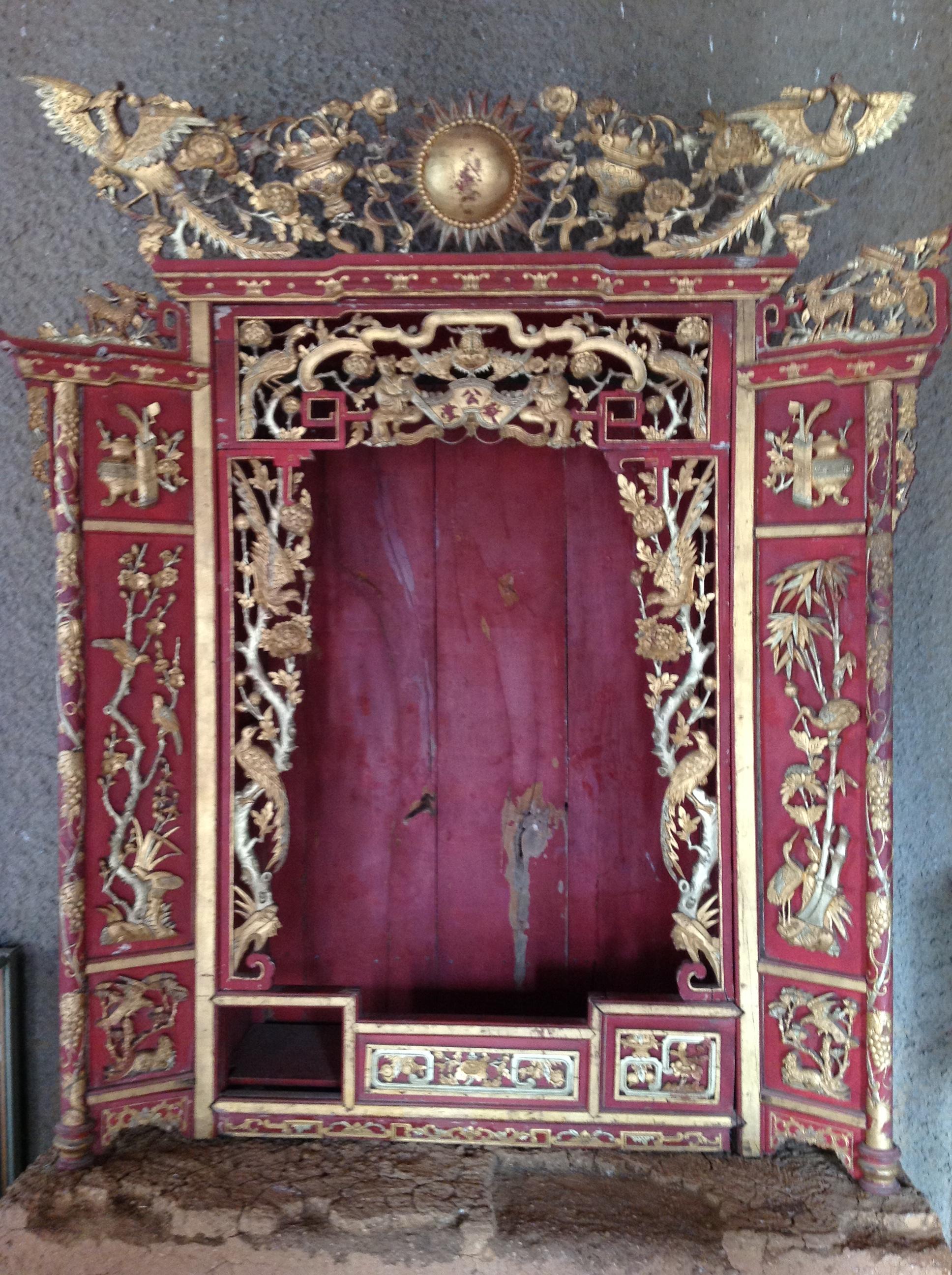
To outsiders, these organisations were often misunderstood. Their halls, with altars and ceremonial furnishings, were sometimes mistaken for temples or Joss Houses, especially when they occupied shared sites or adjacent buildings. This has led to ongoing confusion in the historical record regarding how many Chinese Masonic lodges actually existed in Australia. Nonetheless, they represented a distinct strand of associational life—part fraternal society, part political network, and part community institution.
See also: Our Chinese Past - The Chinese Masonic Society
MR CHU YOOK CALLS AGAIN Chinese Masonic Dignitary LIKES AUSTRALIA