Artistic impressions
Date Published
From cartoons to art, Chinese in Australia have been common subjects
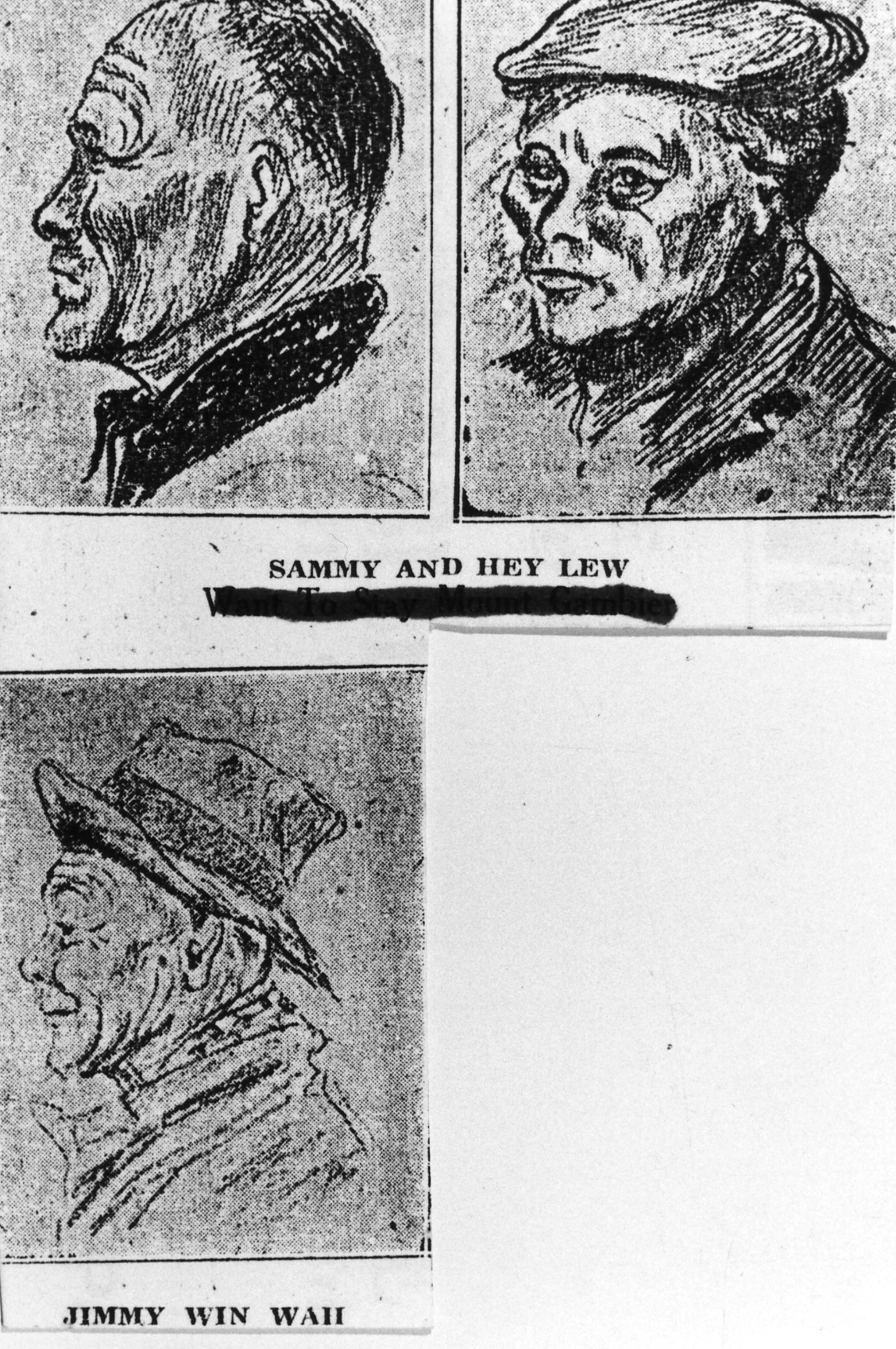
Images, cartoons or art, not to mention photographs, often have the power to create and sustain an impression or a stereotype that far exceeds that of the written word. From the first arrival of Chinese people in the Australian colonies their exotic appearance made them a popular subject for artists of all kinds. Such artists very often exaggerating the exotism of their subjects, with the popularity or vividness of the image in turn sustaining or exaggerating that very exotism.
Thus, the overwhelming image even today of Chinese people in 19th and early 20th century Australia is one of either people in traditional Chinese dress or of rough apparel suited to the gardeners they were all thought to be. It is not that such images are false, many wore traditional dress, though not for very long, and many were hard working market gardeners, though by no means all.
“The Mongolian Octopus” is perhaps one of the most readily identifiable racist cartoons in the world – even today often imitated when anyone wishes to illustrate a long reaching and seemingly insidious threat. First published in The Bulletin in the same year – 1886 – that this popular nationalist magazine changed its masthead from “Australia for Australians” to “Australia for the White Man”, this one cartoon seems to sum up all that the “white man” thought and feared about the presence of Chinese people in “their” land. Certainly this summation was the intention of the editor who employed the newly arrived English illustrator Phil May to create this poster for an issue devoted to denouncing the presence of Chinese in the Australian colonies.
An evocative and powerful image such as “The Mongolian Octopus” can be the engine of its own success, with constant use and reproduction of the cartoon – particularly in the age of the Internet – creating an impression of its influence that becomes self-fulfilling. In other words, a cartoon designed for a white nationalist magazine, albeit a popular one, striving to impose its view of the world on an Australian community comes to be held up as representative of that community. Success indeed. But is this authentic?
While cartoon’s such as this that appeared in The Bulletin and other newspapers and magazines are a convenient and effective means of illustrating what some people undoubtedly thought all of the time, can they be used to prove that this is what all of the people thought even some of the time? Obviously not. But the simple overuse of the octopus cartoon has perhaps given the impression that this was all there was to the white Australia debate even within the pages of The Bulletin itself. Nevertheless “The Mongolian Octopus” remains an interesting and instructive object of Chinese Australian history as long as it is remembered that it was created as a tool for a particular viewpoint and continues to be used as a tool even if nowadays for different purposes.
Cartoons, as with all images including photographs, are not reliable sources of historical information unless placed in context. Images are too powerful and too easily reproduced until their very recognisability becomes part of their self reinforcing power to impose a particular perspective. How familiar is the image of the well-dressed man in spectacles (or are they sun-glasses) just arrived in Melbourne in 1866? Why does this clash so strongly with our dominant images of Chinese miners and market gardeners? This is not because such images are inaccurate but merely because they have a tendency to self-replicate and push aside alternative images. Stereotypes, including stereotypical images, are not wrong because they don't exist, they are wrong because they substitute for nuance, individuality and all that makes up historical reality.