Appearence & clothing
Date Published
Misconception: Traditional Chinese Dress in Australia
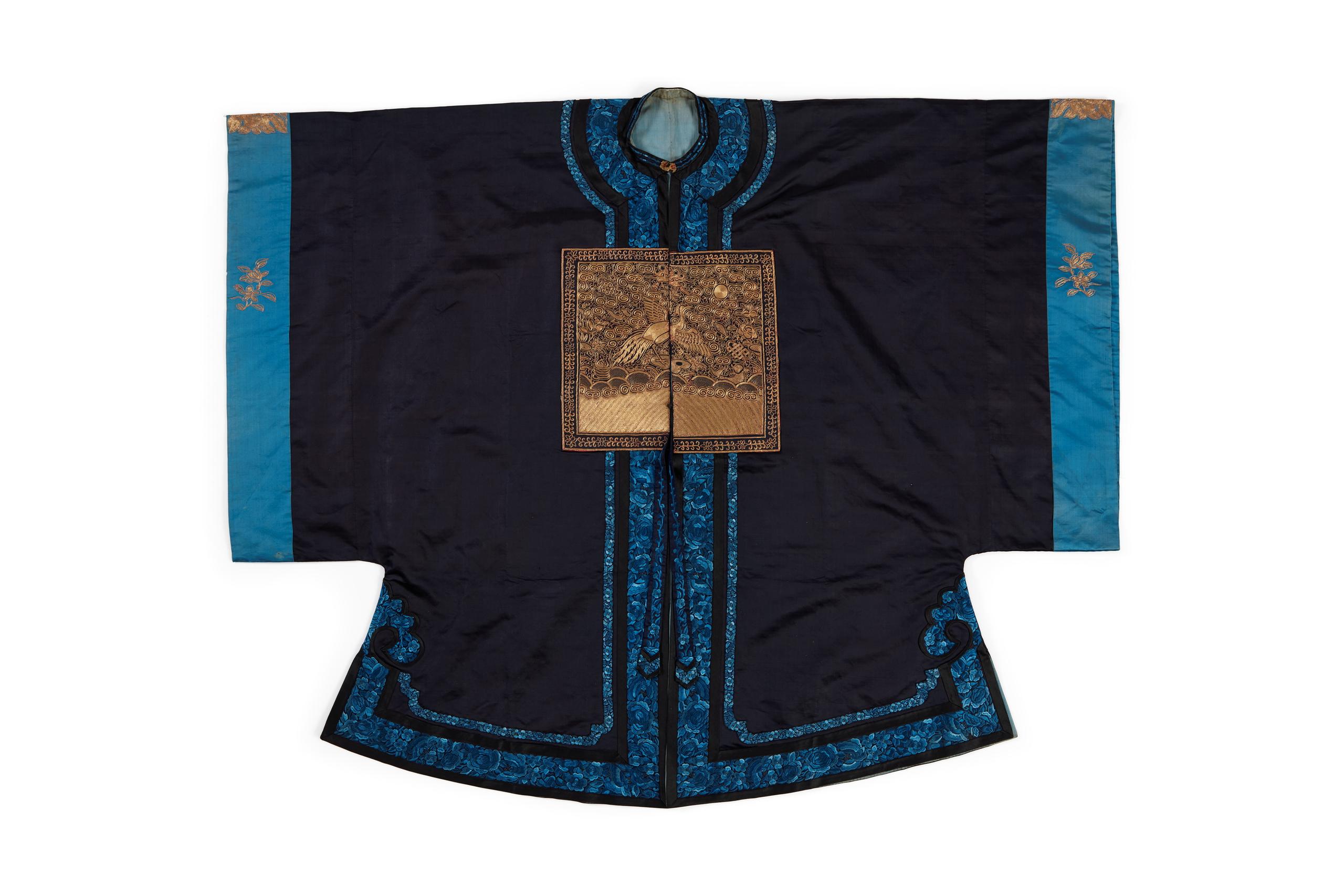
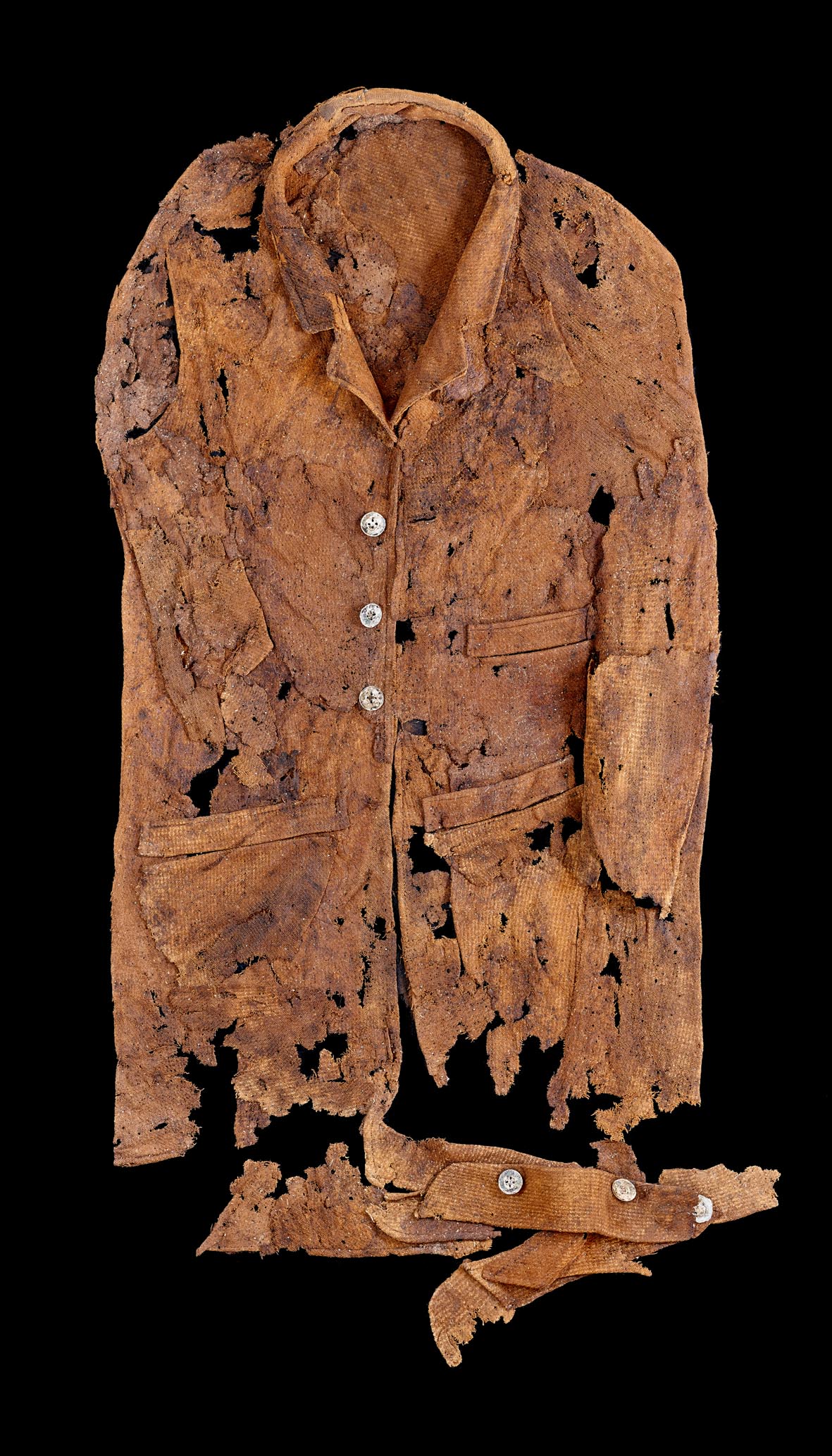
A persistent misconception about Chinese people in colonial Australia is that they continued to wear traditional Chinese clothing. In reality, most Chinese migrants arriving in Australia by the mid-19th century had already adapted to European dress styles. Even as they disembarked from ships, many wore ready-made European garments purchased from sailors or second-hand dealers—known colloquially as “slops”.
Descriptions from as early as the 1850s record Amoy (Xiamen) men absconding while dressed much like their non-Chinese contemporaries. Fresh arrivals from China were sometimes amused to see their countrymen in European attire, suggesting how quickly adaptation occurred.
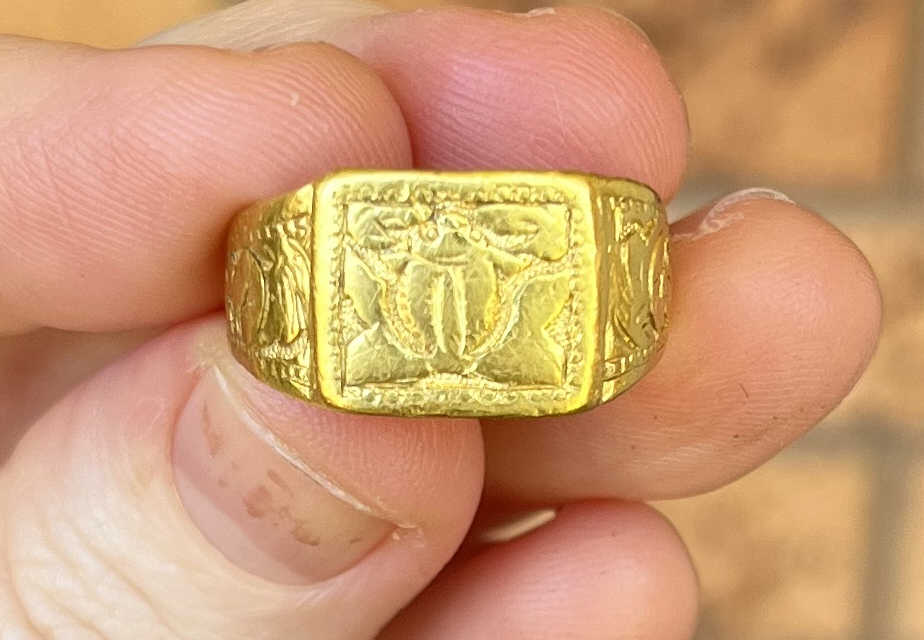
Observers frequently noted the diversity of dress among Chinese Australians—some described as “quite dapper,” others in more utilitarian working clothes. Crawford’s observations from the 1870s mention Chinese men adopting boots and the Australian “jumper.” Rings, watch chains, and other ornaments also appear in accounts and photographs.
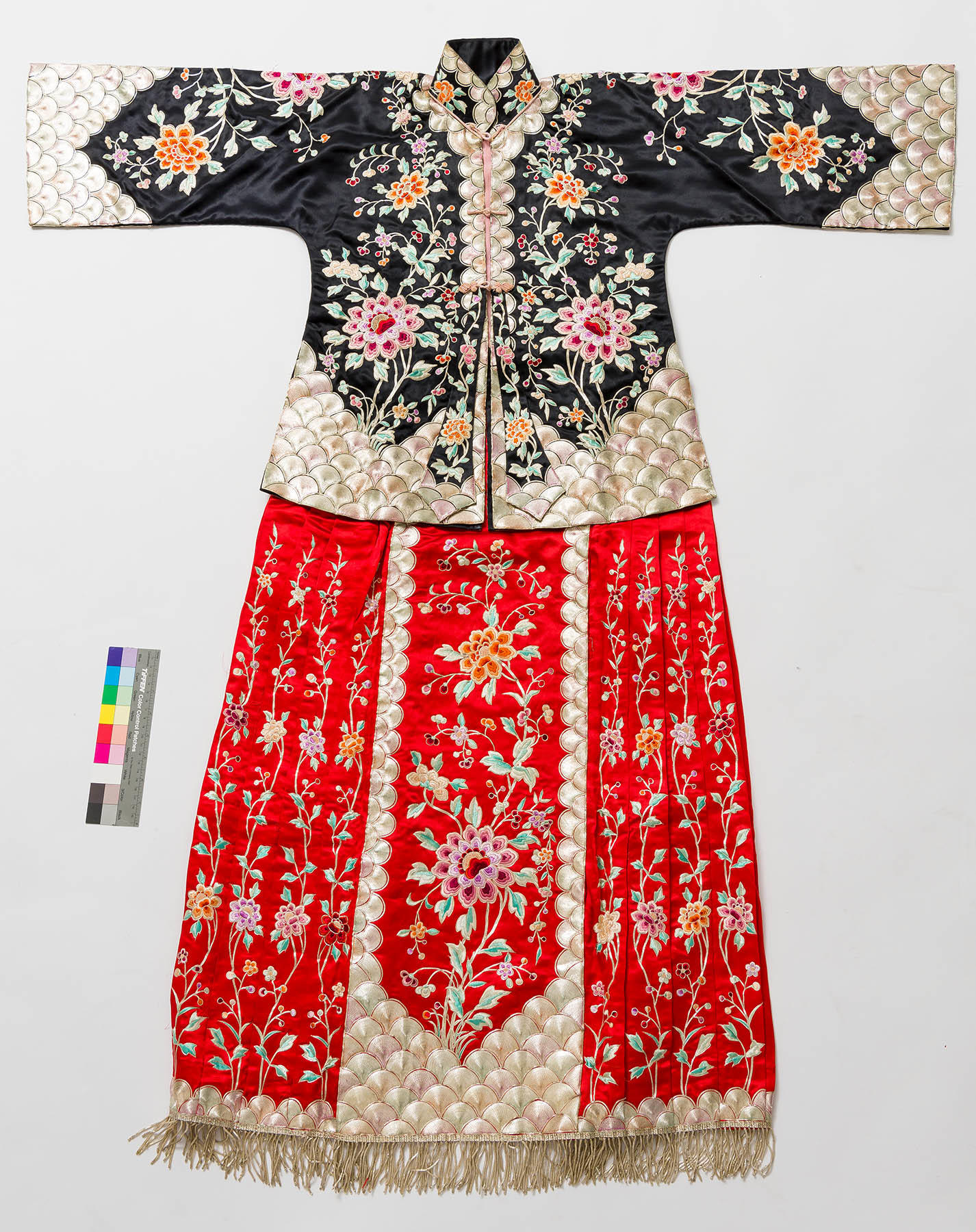
By the late 19th and early 20th centuries, photographic evidence shows a wide range of clothing styles—from rough workwear to fashionable middle-class suits, as well as tailored wedding outfits. These visual records demonstrate that Chinese Australians adapted their clothing rapidly to the local environment and to available materials.
A exception to this adaptation would appear to be the queue or pigtail which persisted even if mostly kept hidden under hats. The need or desire to return to their villages may have been an incentive to maintain this hair style
The dark, uniform “Taishan” style jackets and black hat associated with San Francisco’s Chinatown were not characteristic of Australia. That image spread through global media and photography but reflects a distinct, enclave-based North American context—not the more dispersed and occupationally mixed Chinese communities of the Australian colonies.
https://trove.nla.gov.au/newspaper/article/60173481
Rings, dapper, Amoy discription. Sterotype of traditional - Taishan in San F Chintaown. Jumper