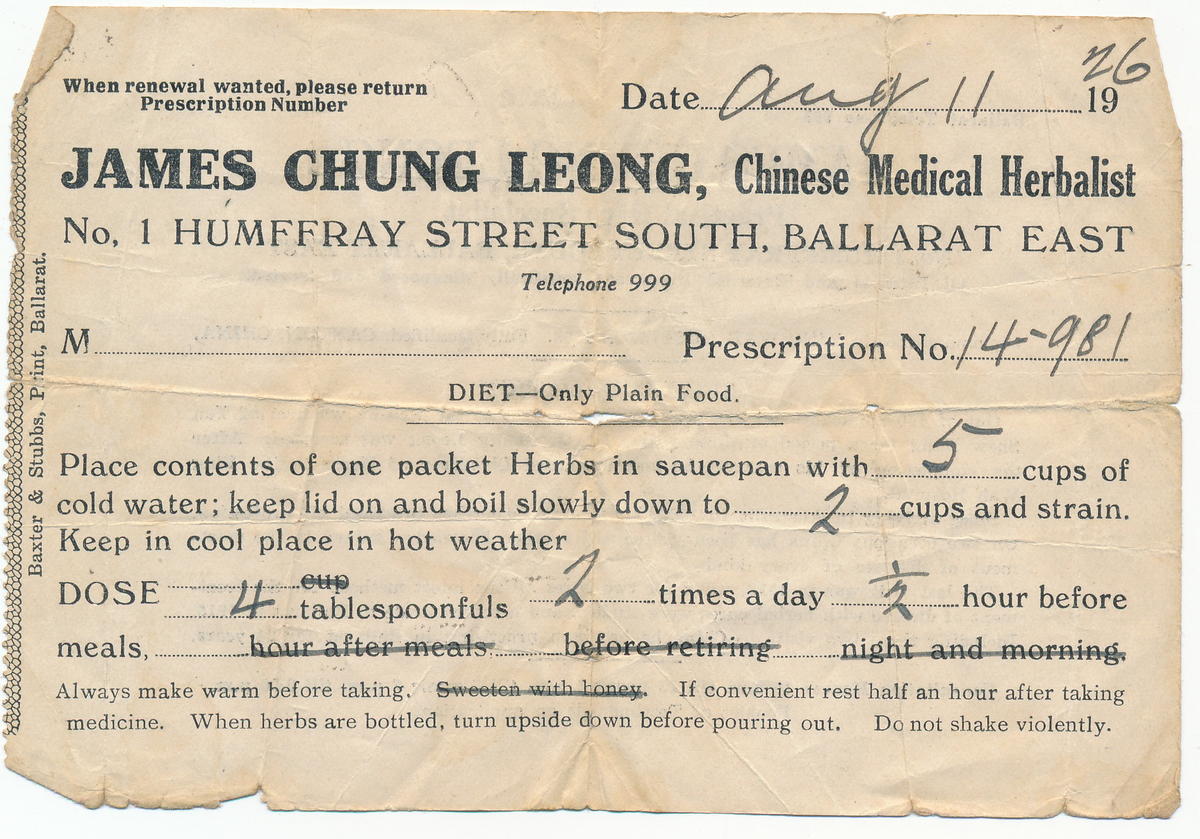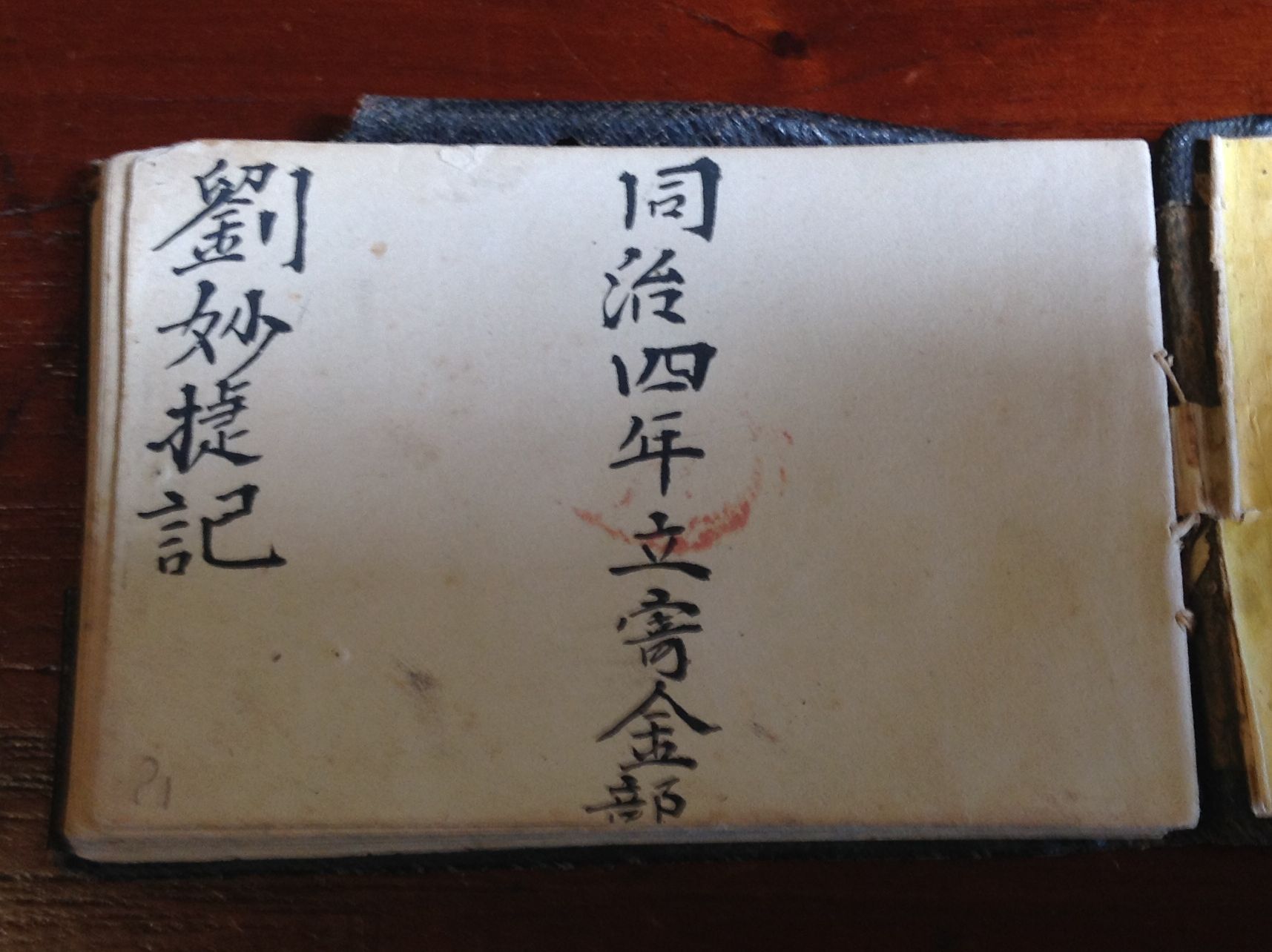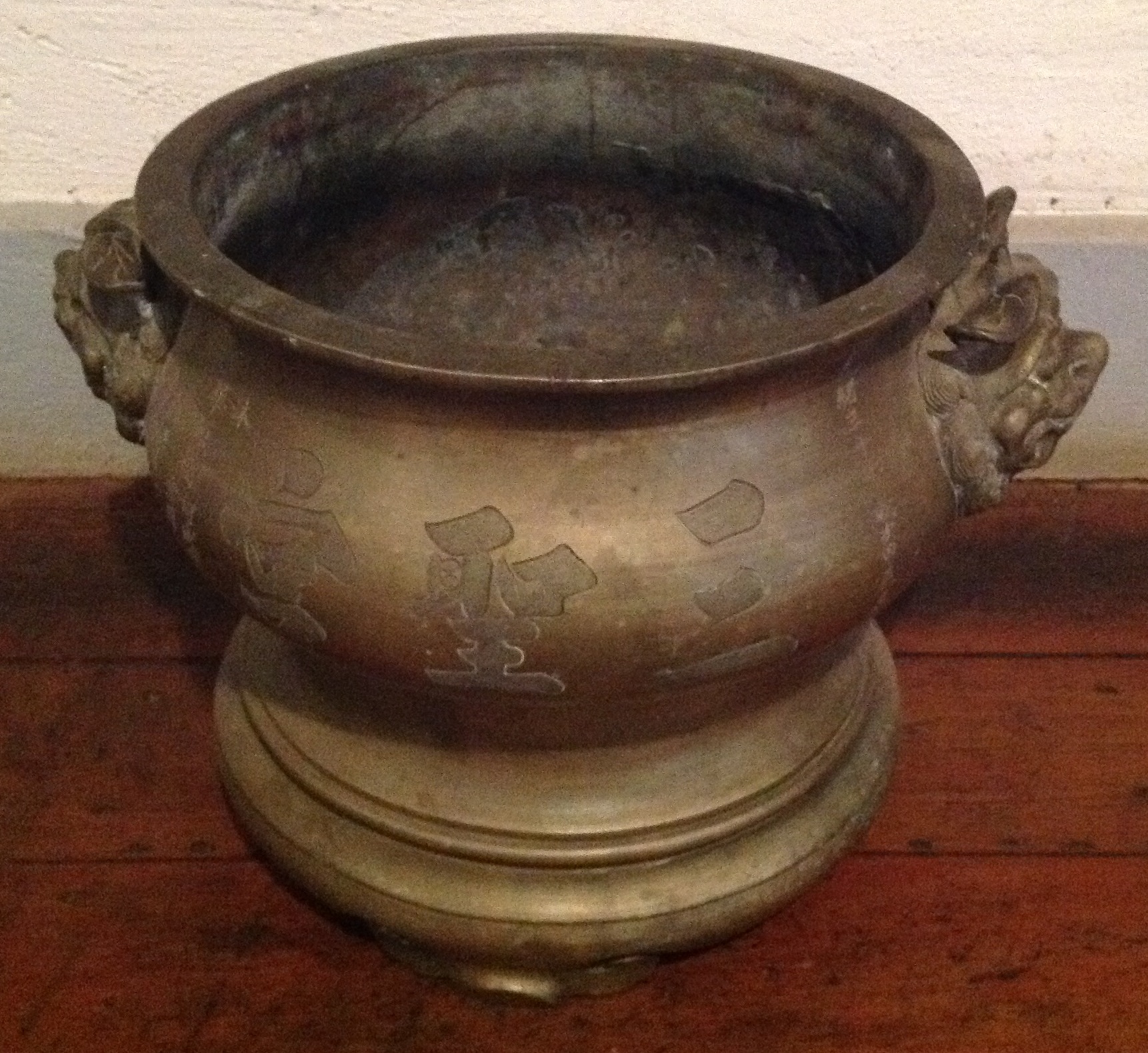
Herbal medicine grinder
Date Published
: medicine, medicine / herbs, China-made
: Central Tablelands (NSW)
: Hill End
: c.1890
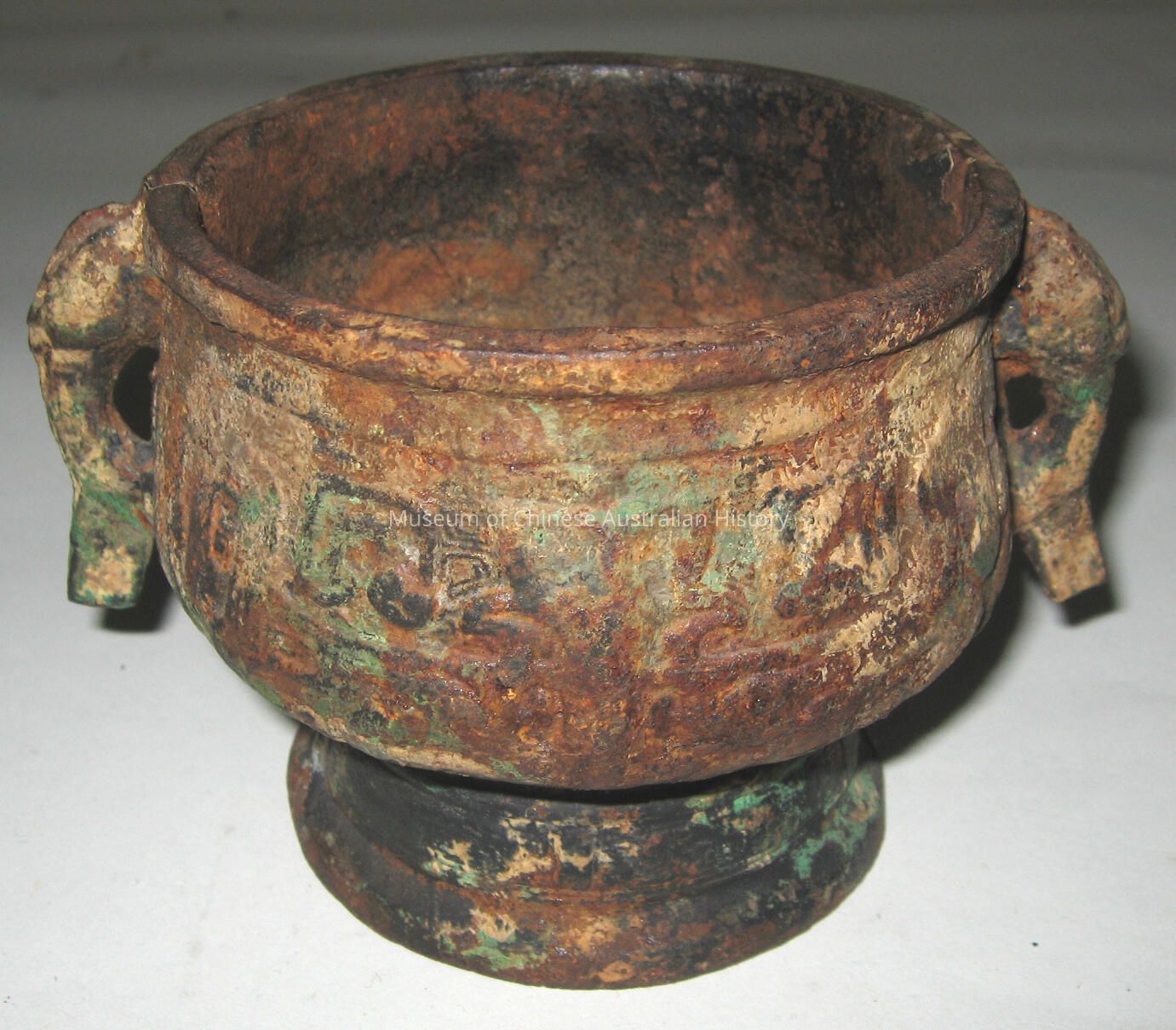
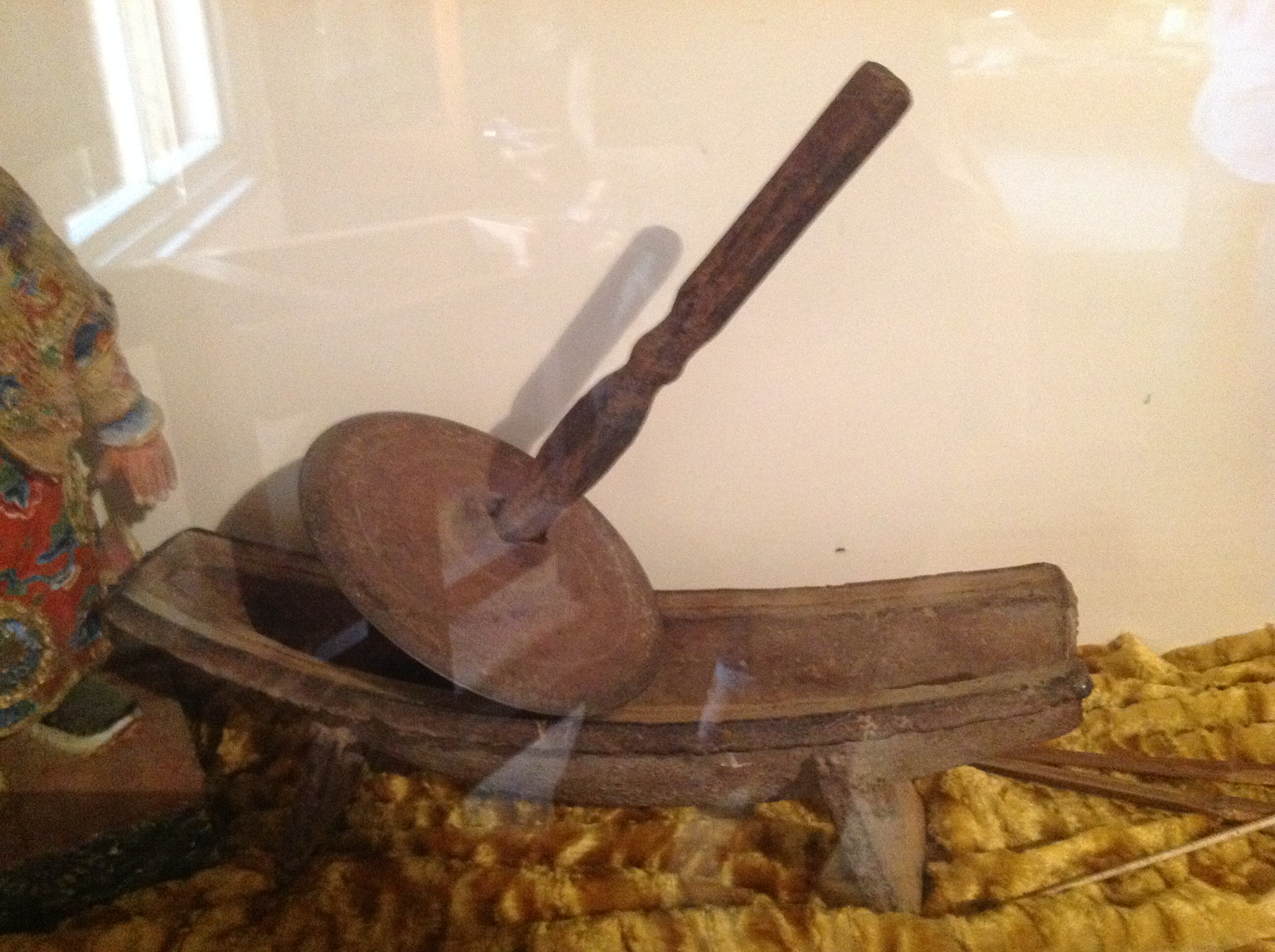
Iron 'boat' and wheel grinder for herbal medicine.
Iron 'boat' and wheel grinder for herbal medicine.
This grinder for herbal medicine is in the National Parks and Wildlife Services Visitors Centre Hill End Museum where it is labelled a ‘rice grinder’.
The fact that a common tool such as a herbal grinder appears in both Zhongshan County in south China and in NSW, Australia is not remarkable. Nor is the fact that the NSW one is mislabelled. Both tell us something about Chinese-Australian history.
People from China were present in relatively large numbers in 19th century Australia and were well spread around its rural towns. While many were labourers and miners, others were storekeepers and some were professionals such as practitioners of traditional Chinese medicine. Such men naturally brought with them the tools of their trade. In fact, in both NSW and Victoria, Chinese medical men were very popular and were often sought out for their skills by the non-Chinese population. It was not uncommon for such medical men to travel widely around a district.
Why then is the grinder mislabelled in the NSW case? With the increase in anti-Chinese restrictions, cumulating in the Immigration Restriction Act of 1901, the number of Chinese people in Australia began to decline. In particular, numbers in the rural areas fell while many of those who remained moved to Sydney and Melbourne. At the same time the regulations governing the practice of medicine ensured that Western training was favoured over any alternatives and the use of Chinese medical practitioners virtually disappeared for a time. Finally, but by no means of least importance the “White Australia project” itself carried out a form of “whitewashing” that effectively eliminated much of Chinese Australia (opera, doctors, barbers, farmers, etc) and reduced the rest to a handful of stereotypes (gold miner or market gardener). The result was the person labelling the object had little to draw on. (See also No. 3 and No. 64.)
Thus, a tale of two grinders informs us about the ebbs and flows of Chinese-Australian history.
See also: Zhongshan 8