Intermarriage
Date Published
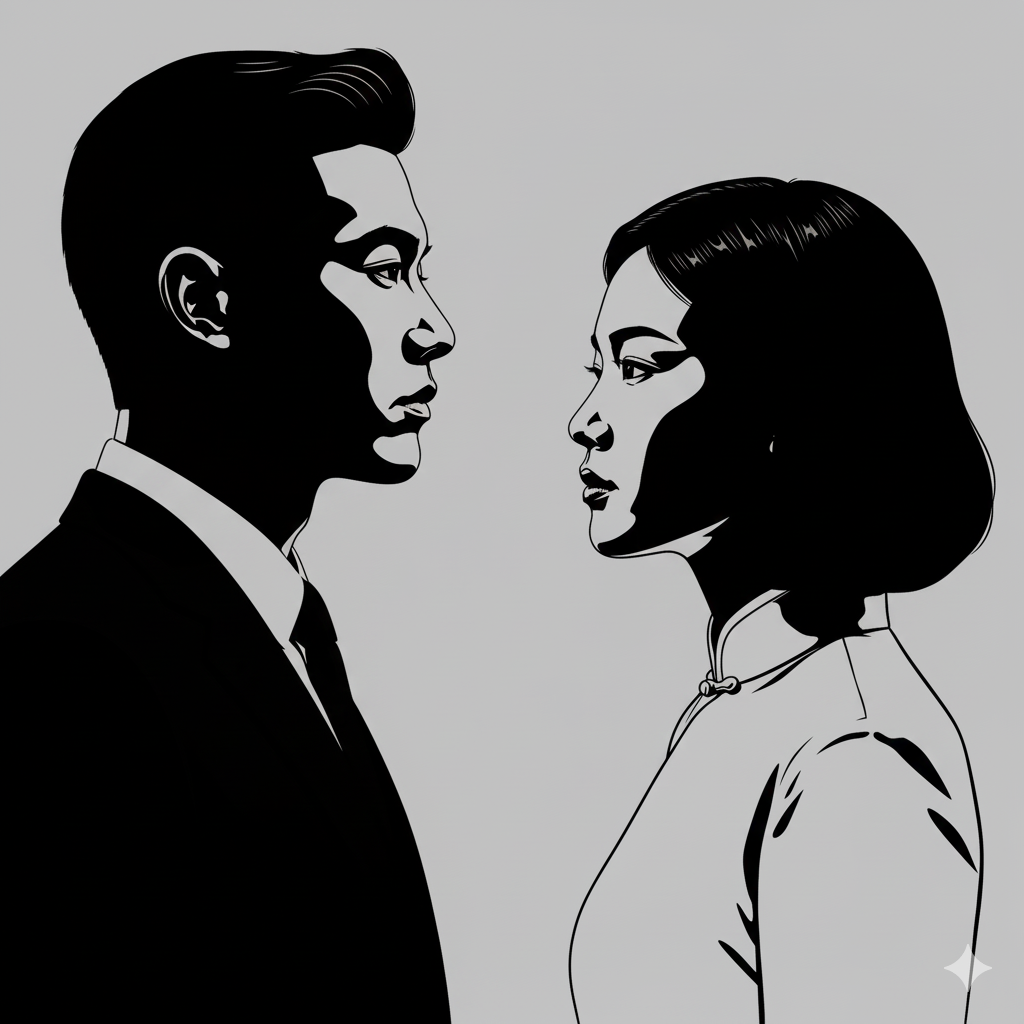
Stereotyped as a bachelor group many marriages and relationships with European heritage women took place.
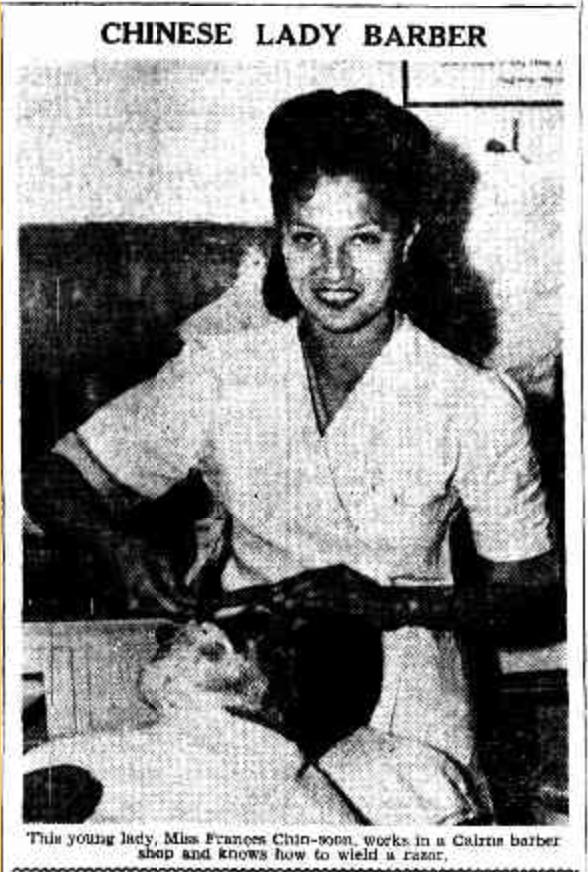
Marriage and common-law marriage between Chinese men and women of European heritage was quite common in nineteenth-century Australia. These unions produced many children of Eurasian background, which had a noticeable impact on local communities. It was not unusual for children—particularly girls—to be taken back to the family villages in China, either to arrange marriages or to ensure they grew up within a Chinese cultural environment. Occasionally, the white wives accompanied their husbands back to the villages, with mixed outcomes. Some adapted well and lived comfortably, while others were shocked to discover that their husbands already had wives in China, which led to various difficulties.
This pattern was not unique to Australia; similar cases occurred among Chinese emigrants from Hawaii and America. Exact numbers are impossible to determine, and most accounts survive through reports of marital or cultural problems, which may exaggerate the difficulties.
A common stereotype held that the women who married Chinese men were from the lowest social classes—often portrayed as destitute or alcoholic. While this was true in some instances, there were also many long-lasting and successful relationships involving women from diverse backgrounds, including those of middle-class status. One notable example was Margaret Tart, the wife of Quong Tart, who was far from the stereotype and by no means unique in this regard.
"The now seemingly obvious presence of mixed Chinese-European families is, to a large extent, due to family historians who have made available the fruits of their tenacious and dedicated research in the form of detailed biographical and genealogical information, oral histories and family papers." (p.74)
"These interracial relationships occurred with a perhaps surprising frequency, diversity and degree of toleration, such that they formed a substantial part of nineteenth-century Chinese Australian family life. Including these relationships within the story of the Chinese Australian family changes long-held assumptions about the lives of Chinese men in the colonies, of their domestic arrangements and social lives, and of the role women played in the nineteenth-century Chinese Australian community." (p.77)
Kate Bagnall, Rewriting the History of Chinese Families in Nineteenth-Century Australia, Australian Historical Studies, 42:1, 2011, p.62-77.