Golden Point Camp (East Ballarat)
Date Published
: Camps, Mining (gold fields)
: Central Goldfields (Vic)
: Ballarat
: c.1855 to c.1900
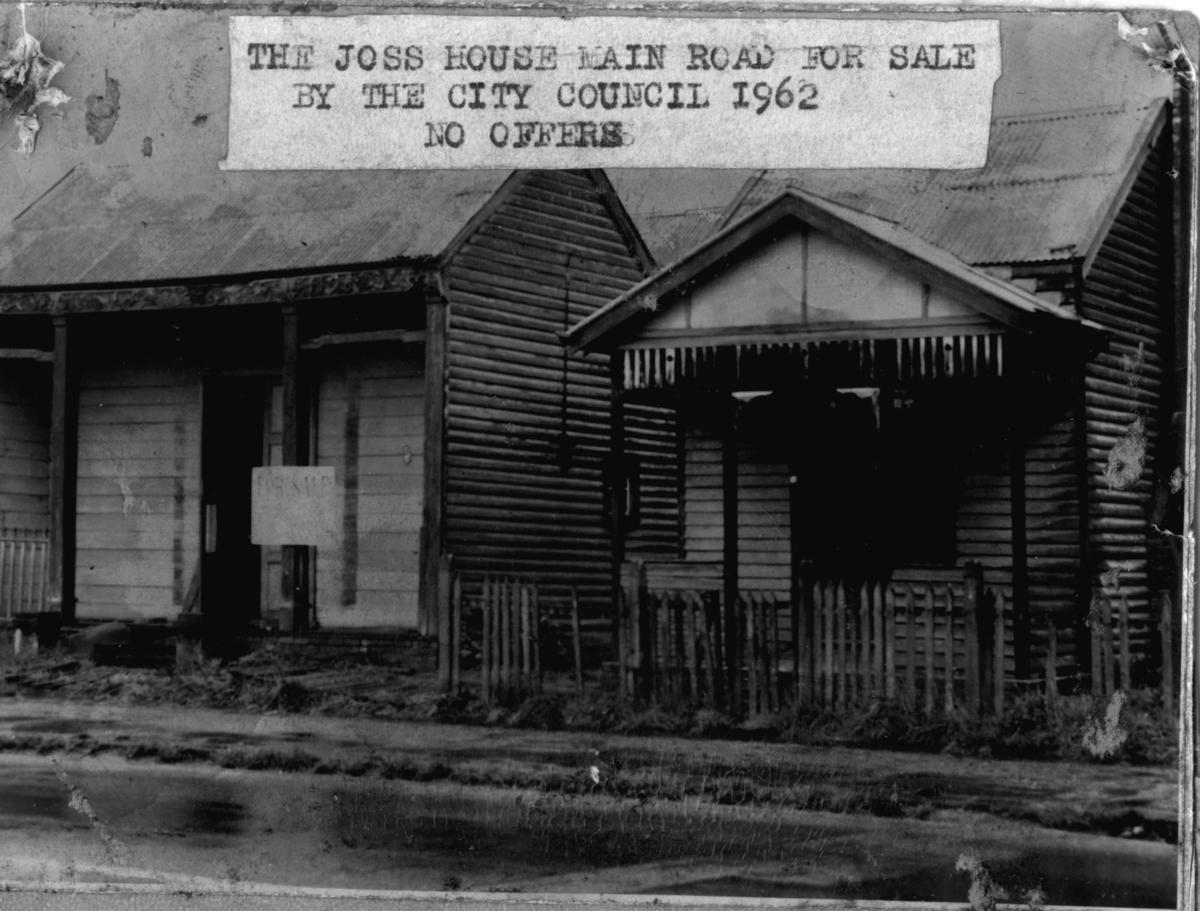
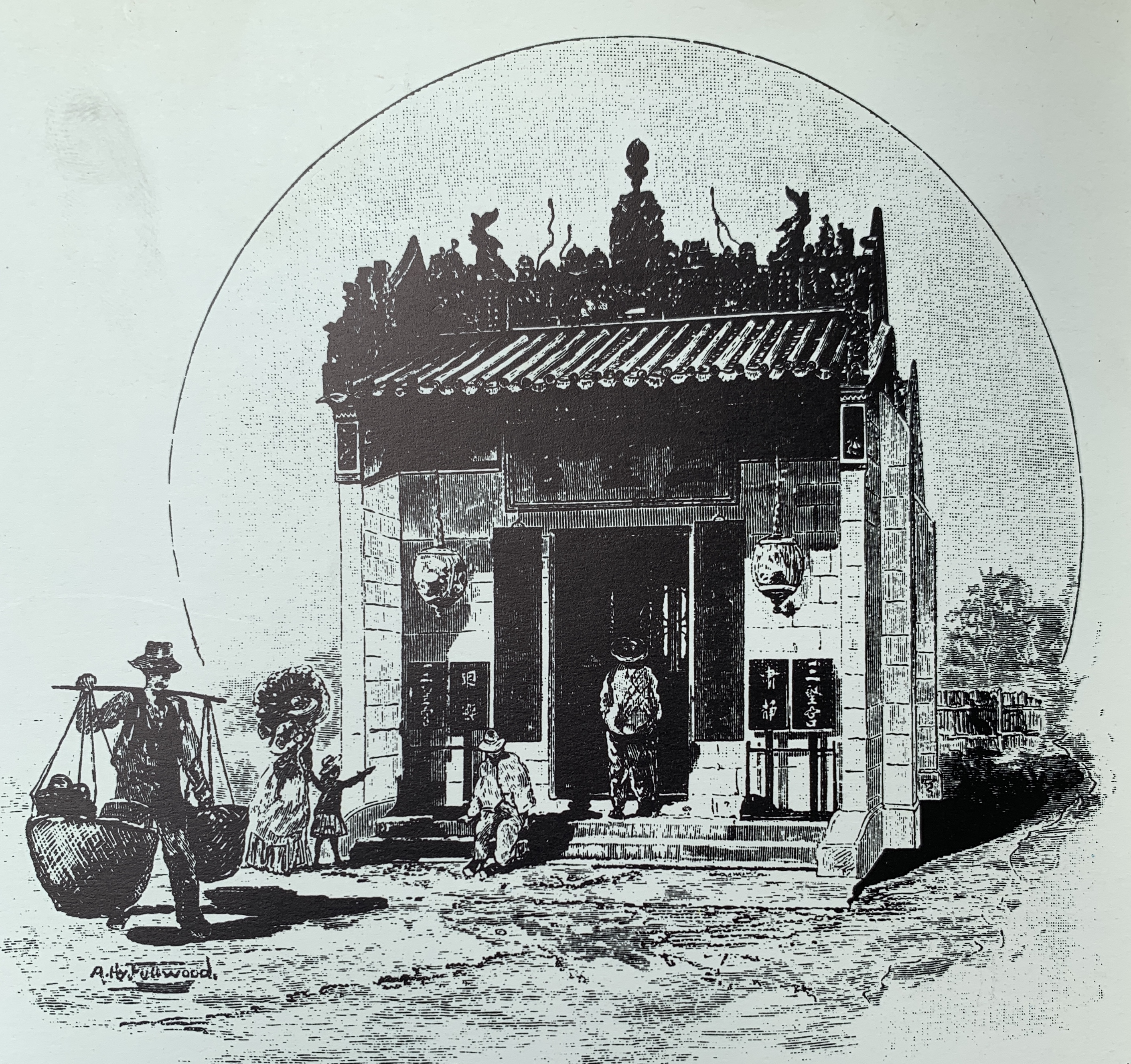
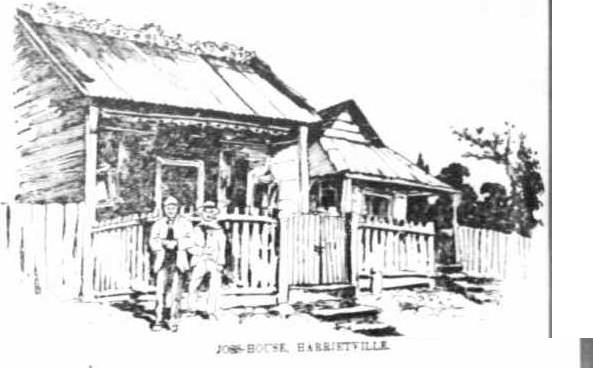
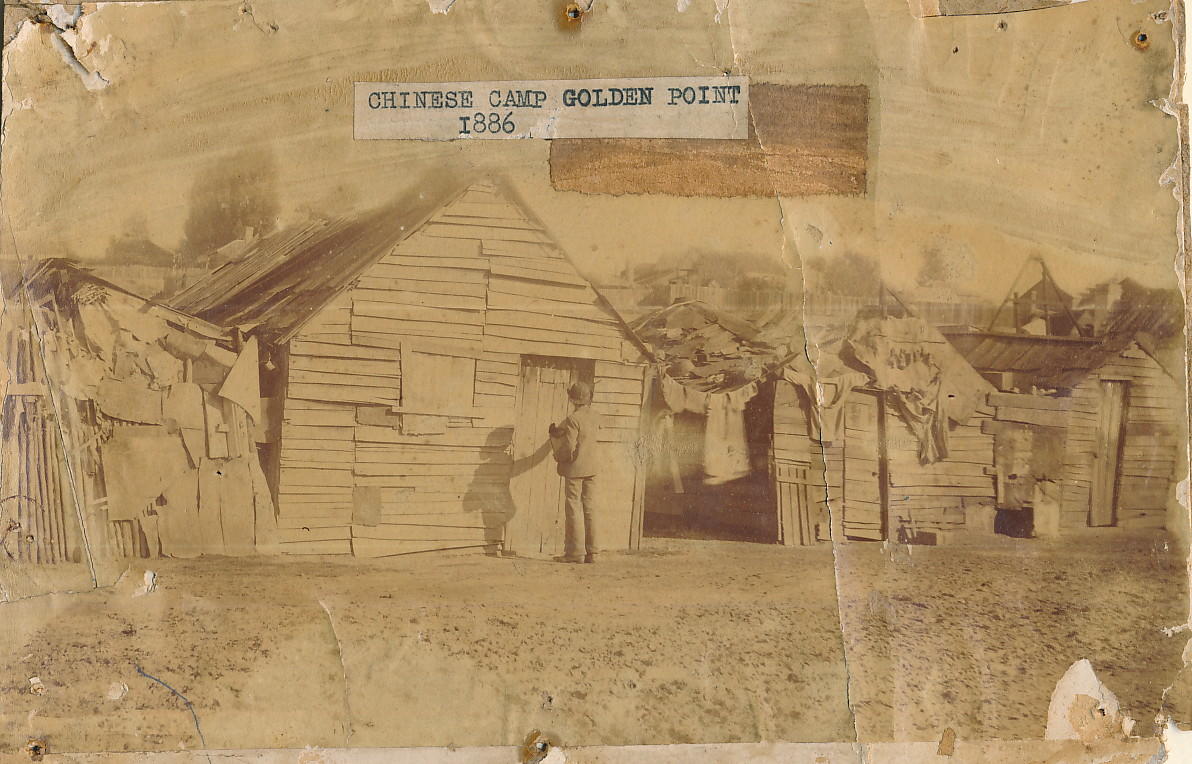
A major location for many Chinese miners associated with the Ballarat goldfields was the Golden Point camp now East Ballarat. Like all such "camps" it was in fcat a residential area of permanent structure and never exclusively Chinese nor the only location where Chinese people lived. The 1883 Mining lease map indicated three Joss Houses amidst a number of shops and houses belonging to Chinese people.
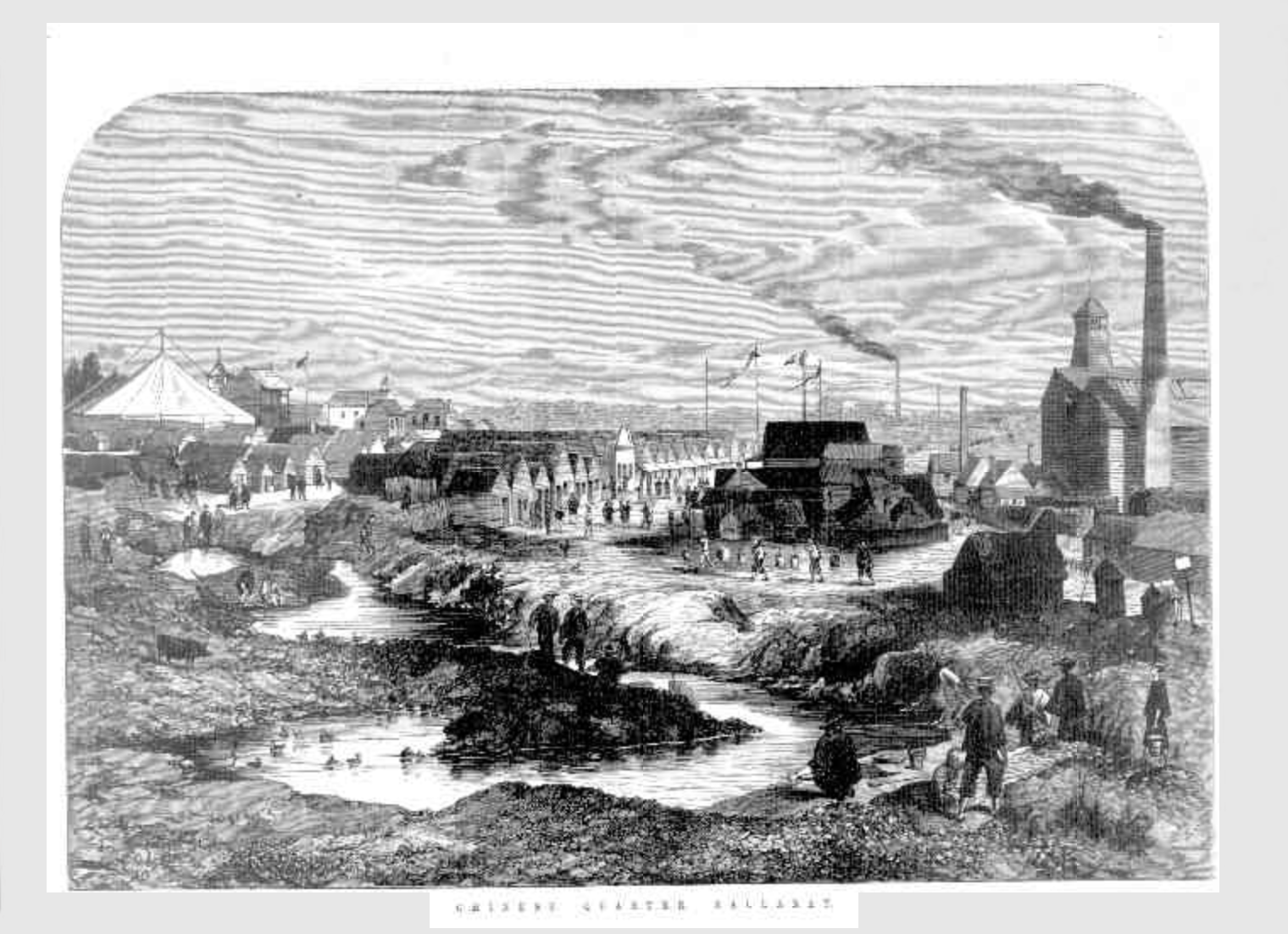
The Chinese Quarter Ballarat
Golden Point Camp, Ballarat
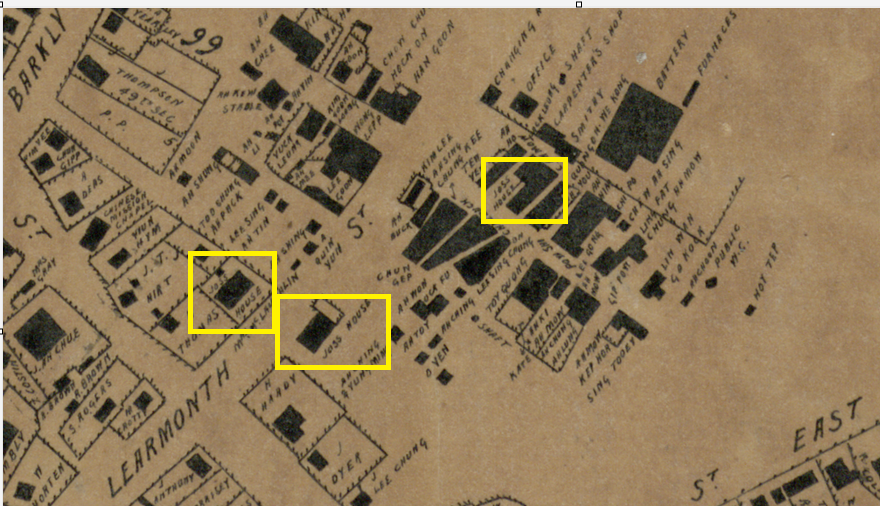
Golden Point camp
SLV: Plan of 86. 1. 37 1/2 applied for on lease under the Gold Mining Leases Regulations by T. Williams, Appln. 426. [Melbourne?] : [Mines Department?] [1883]
Thanks to Anna Ki for finding this map and annotating the Joss House locations.
THE GOLDEN POINT CHINESE CAMP.
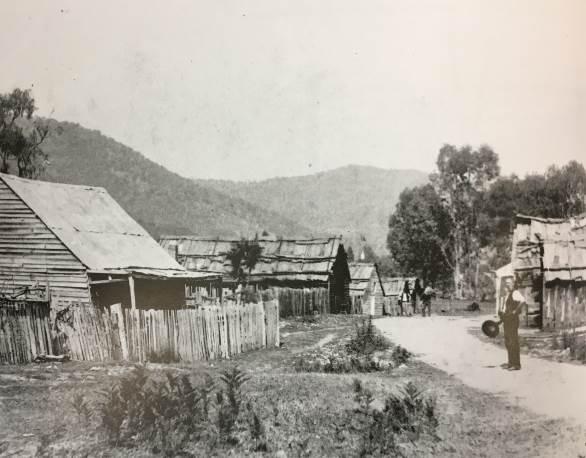
As each year goes by the Chinese camp at Golden Point grows gradually smaller and smaller, and there is a reasonable expectation that before many years more elapse one of the greatest eyesores in Ballarat East will be a memory of the past. When the camp was at the height of its prosperity fully 2000 Chinamen occupied huts in the locality, and the alien population was a distinct feature of Ballarat. The contrast between the settlement of those days and the camp at the present time is remarkable, for now there are comparatively few huts left, and the population does not exceed 80 Chinese, most of whom are old and decrepit.
Anyone visiting the camp may well be astonished at the manner in which the Chinese live. The huts for the most part are composed of a few weatherboards, eked out with saplings, butter boxes, and kerosene tins, and it says much for Chinese architecture that, though the residences are so frail and dilapidated, they are proof against the heavy gales which from time to time sweep over the camp. Occasionally a hut gets a decided list to port, but the tenant calmly erects a few props against the outer wall, and though the building remains at a decided angle, the occupier seems perfectly satisfied as to the security of the structure. Several of these kennels—for they are nothing else—are of such limited dimensions that it is a matter for wonder that any human being can stow himself away in such a confined space, but this inconvenience is overcome by the Chinaman, who not only obtains accommodation for himself, but even finds room for occasional visitors.
Although the Board of Health—if that body bothered itself about Chinamen—would undoubtedly condemn the buildings in the camp as unfit for habitation, and although there is a perfect disregard for anything like sanitary conditions, the Chinese residents thrive under the most miserable conditions, and generally attain an extreme old age before taking their departure from this world. During the past month four of the Golden Point Chinese died from old age and general break up of the system, and these averaged the respectable total of 70 years each.
Very few of the Chinese at present resident in the Golden Point Camp do anything for a livelihood, but mainly subsist on the rations supplied by the Benevolent Asylum. The only amusements they appear to have are games of dominoes—a most peculiar game of chess—and gathering together in the stores kept by the more affluent members of the community, and there indulging in conversation on Chinese politics or on the glories of the camp in bygone days. In former years a number of gambling houses used to flourish at Golden Point, but the ravages of time have swept these away, and with the exception of an opportunity to mark a lottery ticket, which they invariably do as soon as they get together the necessary sixpence, the old residents of the camp have perforce to do without the fascination of a gamble.
Although there are a number of the Golden Point Chinese who indulge in opium smoking when they can get the means to purchase the drug, there are a large proportion who will not touch the pipe, this to some extent being the result of the missionary efforts of Christian workers. The cold weather annually thins the ranks of the camp, and the Chinamen who use opium succumb to the severe weather far more readily than their more abstemious cousins.
Though the one-time famous camp is now so depleted of its glory, and the inhabitants number so few, there is, of course, still a large population of Chinamen in Ballarat and district, for those who may be termed the working classes—the miners, gardeners, &c.—are gathered in fairly large numbers in the Main Road, near the Sunnyside Mills, and at Little Bendigo. These latter are industrious and saving, many of them living in the hope that as a fruit of their labour they may eventually be able to return to their own country, and there spend the declining years of their lives in what are considered in China to be affluent circumstances. Those who fail in their efforts to gain a livelihood generally drift into the Golden Point Camp, and, occupying the hut of a deceased cousin, become pensioners on the generosity of the Benevolent Asylum.